Sweden · Västra Götaland County
Where to Stay in Trollhättan, Västra Götaland County
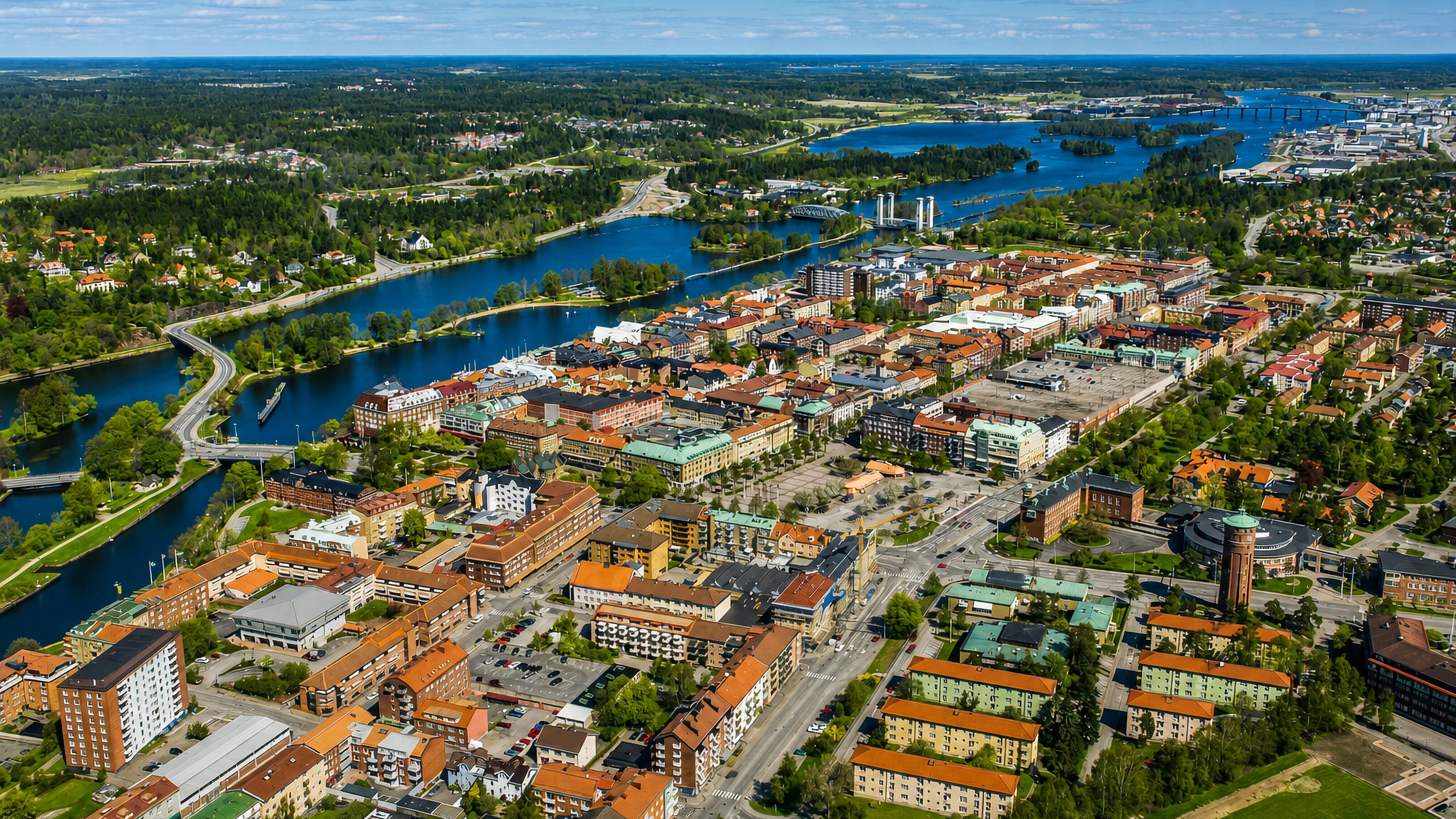
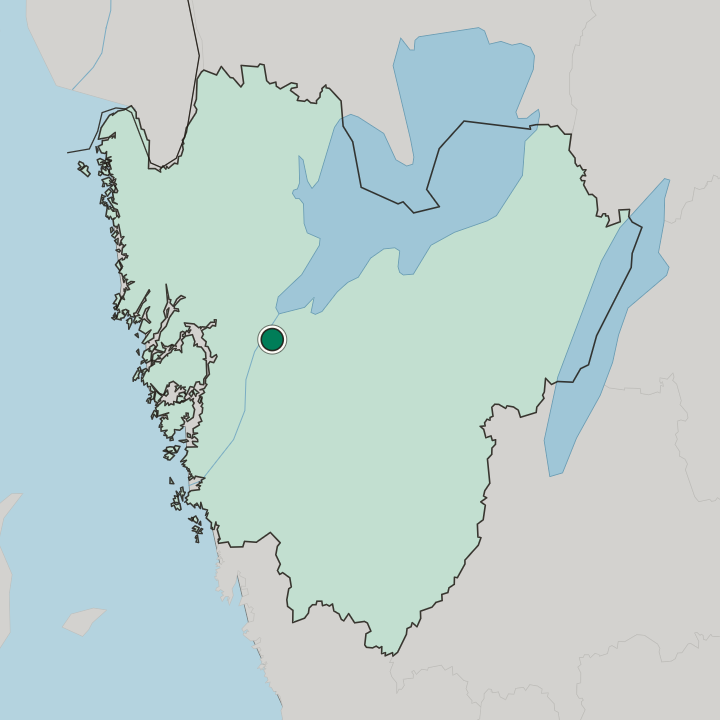
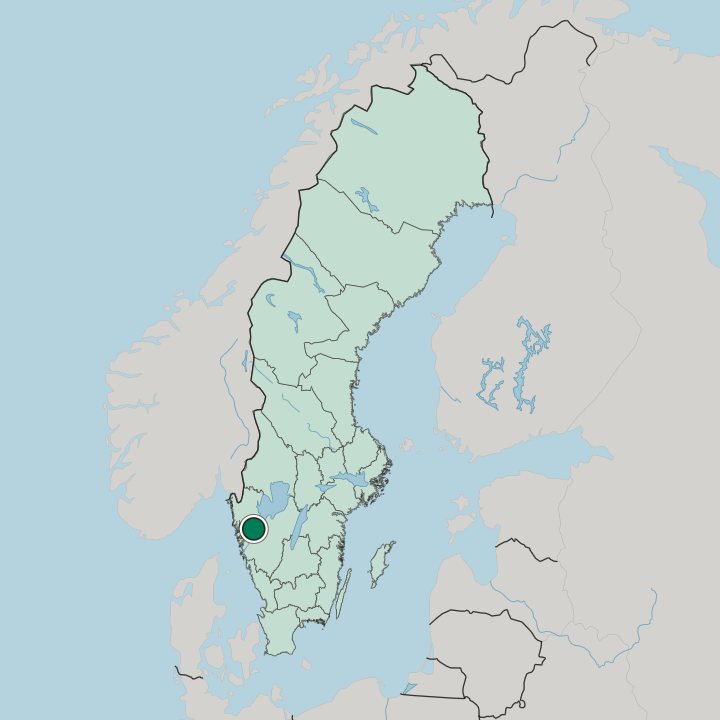
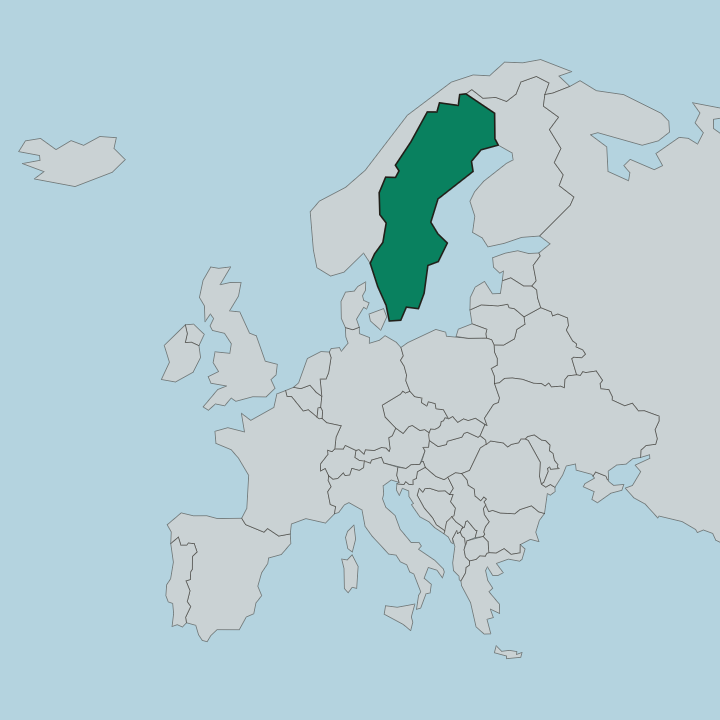
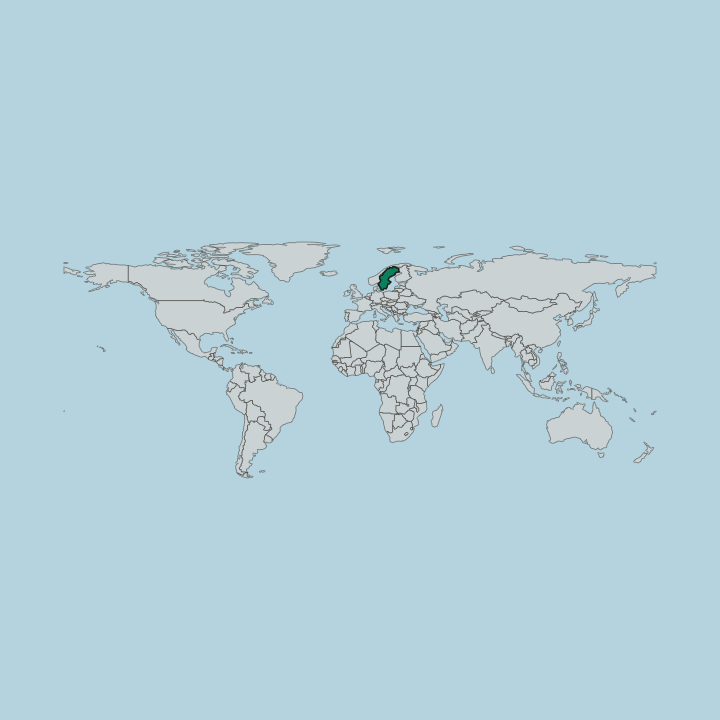
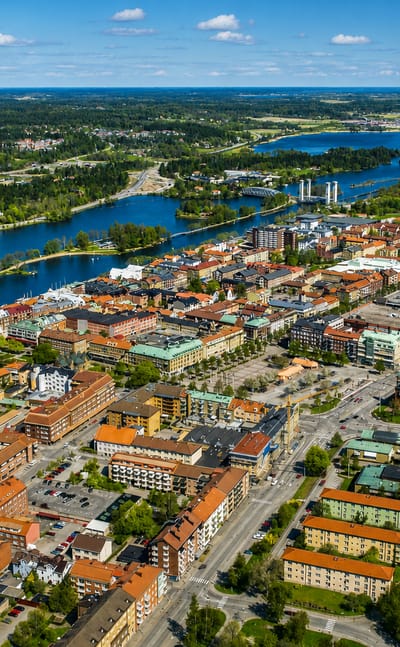
Trollhättan is an industrial and falls town on the Göta älv in western Sweden, in the eastern part of Västra Götaland County.
Hotel links are affiliate links: booking through them may earn us a commission, at no extra cost to you. It never affects how places are ranked. How this works


Where to stay in Trollhättan
One neighbourhood here has its own guide — here's what it is best for.
 TrollhättanSweden
Lextorp
Lextorp is a district on the south-western side of Trollhättan, in western Sweden, with Lextorpskyrkan at its heart.Where to stay →Hotel links are affiliate links: booking through them may earn us a commission, at no extra cost to you. It never affects how places are ranked. How this works
Find hotels in Trollhättan
Direct booking searches for these neighbourhoods.
Town centre
station, shops and falls walks within easy reachFind hotels in Town centrehistory and viewsFalls and canal quarter
locks, sluices and the canal museum on the doorstepFind hotels in Falls and canal quarterlonger, quieter staysUniversity and riverside
calm blocks near the campus and the green river banksFind hotels in University and riversideHotel links are affiliate links: booking through them may earn us a commission, at no extra cost to you. It never affects how places are ranked. How this works
Things to do in Trollhättan
Ranked by global recognition; descriptions from Wikidata (CC0).
Museums & Galleries
3- Saab Car Museum automobile museum
- Kanalmuseet, Trollhätan working life museum
- IF Metall Verkstadsklubb Innovatum
Churches & Religious Sites
3- Trollhättan Church Heritage
- Götalundens kyrka Heritage
- Lextorpskyrkan
Castles & Historic Sites
1- Starkodders sten Heritage
Stadiums & Sports
3- Slättbergshallen
- Arena Älvhögsborg
- Slättbergsbanan
Landmarks & Notable Places
1- Brovaktstugan vid Klaffbron heritage building
worth knowingacross 5 categories in Trollhättan
About Trollhättan
Water, engines, and film define Trollhättan.
What is Trollhättan known for?
The great waterfalls on the Göta älv first powered mills and then hydroelectric stations, and the cheap power drew the engineering works that built aircraft engines and the Saab cars long made in the town. Locks climb the river here. The Kanalmuseet tells the canal story, the film studios of Film i Väst have earned the place the nickname Trollywood, and the harnessed falls still roar back to life on summer days when the floodgates open above the town.
Engineering runs deep.
What are the main landmarks in Trollhättan?
The falls are the great sight. When the floodgates open in summer, the Göta älv pours over the rock in a thunder that drew sightseers here long before the power stations were ever built and the river was turned to work. Locks climb beside them.
This stairway of canal chambers lifts boats past the rapids, and the Kanalmuseet explains how the waterway was cut. The Saab car museum and the heritage works recall the engineering town. Trollhättans kyrka and the older Götalundens kyrka mark the centre.
See the falls in flood.
What is the history of Trollhättan?
Trollhättan was born of its waterfalls. For centuries the rapids on the Göta älv blocked the river route between Lake Vänern and the sea, forcing goods overland around the drop and keeping the spot a place of mills and portages rather than a town. The canal changed that.
After long struggles to tame the falls, locks were finally cut through the rock so vessels could climb past the rapids, and traffic and industry began to gather along the new waterway. Power made the modern town. Once engineers harnessed the falls for electricity, factories crowded in to use the cheap current, and works rose to build turbines, aircraft engines, and the cars that carried the name Saab around the world.
The town was chartered in 1916. Industry has risen and fallen since, the film studios have brought a new trade to the riverside, and Trollhättan still measures itself against the water that built it.
Where is Trollhättan?
Trollhättan lies in the eastern part of Västra Götaland County, on the Göta älv in western Sweden. The river drops through a rocky gorge here as it runs south from Lake Vänern toward Göteborg and the sea, and the falls and locks mark the point where the water breaks past the hard granite ridge. Forested hills rise on both banks.
The town spreads across the slopes above the gorge, with the older centre on the high ground and the industrial quarters strung along the riverside below. Rock and water frame everything.
What is the climate of Trollhättan?
Trollhättan has a mild, damp climate, tempered by its position near the west coast of Sweden. Winters are cool and changeable rather than harsh, with rain as common as snow and only occasional hard freezes settling over the river gorge. Summers stay warm and green, and the long bright evenings of the season keep the falls and the riverside paths busy well into the night, when the light lingers far past the hour southern Europe has gone dark.
No month here goes without rain. Autumn comes grey and wet off the sea.
How do you get to Trollhättan?
Trollhättan sits on the main rail line between Göteborg and Vänersborg, with frequent trains stopping in the town. Fast regional services reach Göteborg in around half an hour, and the line carries on north toward Vänersborg and the Vänern shore, while the small Trollhättan-Vänersborg airport lies just outside the town. Drivers use the trunk roads.
The main route along the river links the town to Göteborg and the motorway network to the south, and the larger Landvetter airport sits within easy reach. Trains run often here.
Common questions
What is the best area to stay in Trollhättan?
Town centre: first-timers. Falls and canal quarter: history and views. University and riverside: longer, quieter stays.
Good for
More cities in Västra Götaland County
Updated October 2026