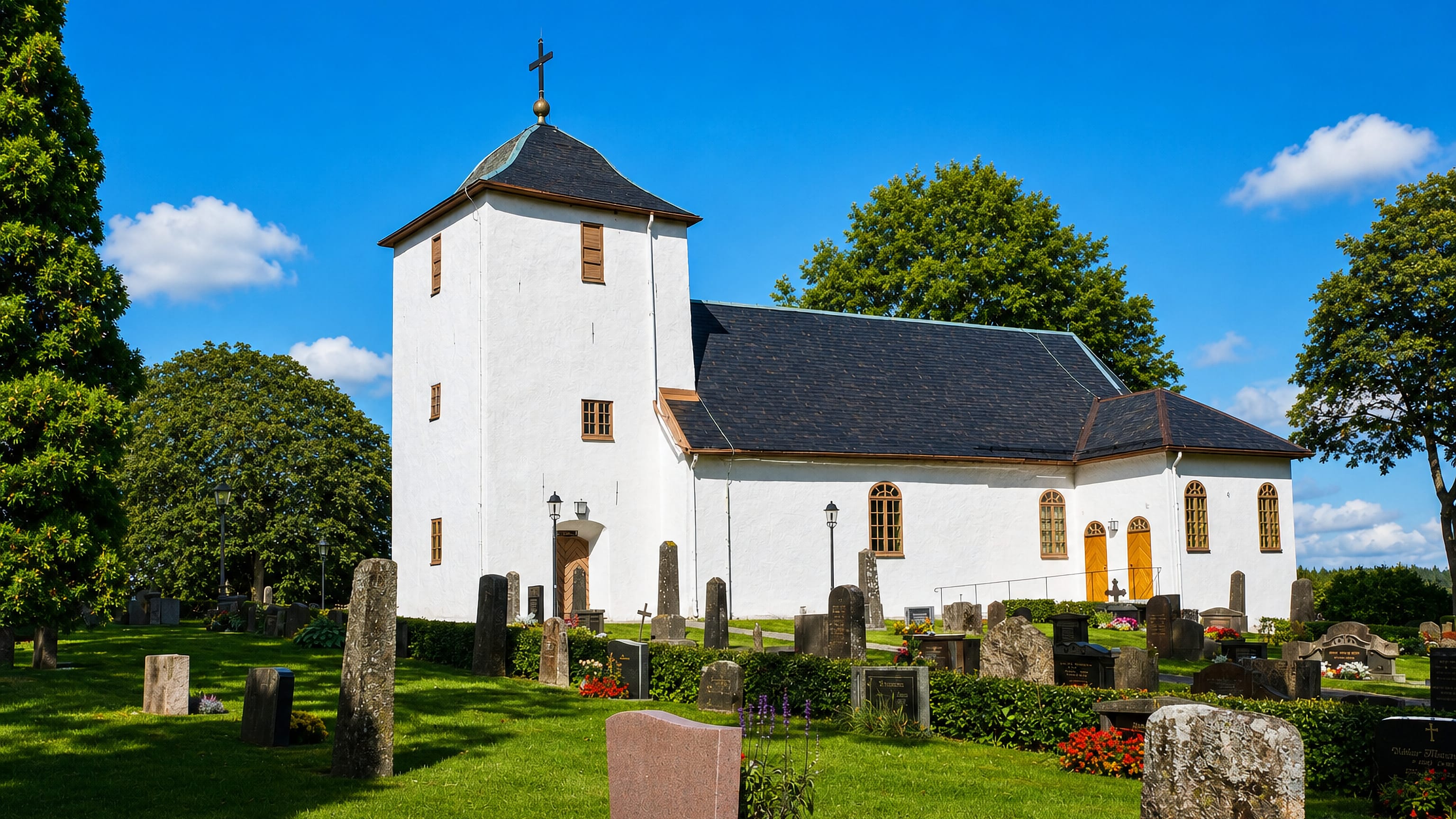
Sweden · Västra Götaland County
Where to Stay in Färgelanda, Västra Götaland County
Färgelanda sits in Dalsland. Four heritage churches and a working-life museum mark the seat of a municipality in western Sweden.
Hotel links are affiliate links: booking through them may earn us a commission, at no extra cost to you. It never affects how places are ranked. How this works


Where to stay in Färgelanda
Where the beds are, and what that means for the visit.
Färgelanda kyrka marks the obvious base. The seat holds what services exist, a shop, an office, somewhere to eat, and a room there means the day can begin without the car, which is not true anywhere else in Färgelanda Municipality. Rooms are scarce across the whole municipality.
Farm stays and guest rooms carry most of the load, and a village of this size fills them fast whenever anything is scheduled at Färgelanda kyrka. Dalsland is not a hotel landscape. Book well ahead. Ödeborg is the alternative worth knowing. Ödeborgs kyrka and Ödeborgs fornsal sit close together there, so anyone whose interest runs to working-life history rather than to the municipal centre gets both on foot from the same bed.
Högsäter pulls the other way. Högsäters kyrka and Torps kyrka anchor separate stretches of Dalsland farmland, and reaching either from anywhere means driving. Torps kyrka stands well outside the seat, which is exactly the appeal for travellers who want the northern part of Västra Götaland County to feel empty.
You get lake water, church stone, and a long quiet evening in exchange for every convenience a larger town would hand over.
Find hotels in Färgelanda
Direct booking searches for these neighbourhoods.
Färgelanda village centre
Färgelanda kyrka and the seat's short run of services share the same few streets, the only corner of the municipality where a stay works without a car. Lodging is scarce in this area; reserve in advance.Find hotels in Färgelanda village centreVisitors coming for Ödeborgs fornsal and the workshop history it recordsÖdeborg
Ödeborg keeps both its parish church and its working-life museum, so Ödeborgs kyrka and Ödeborgs fornsal fall on one short walk from the same bed. Few places to stay nearby — book ahead.Find hotels in ÖdeborgDrivers ranging over Dalsland farmland from a base near Högsäters kyrkaHögsäter
Högsäters kyrka anchors a cluster of farms well clear of the municipal seat, which suits anyone who wants lake water close and errands not close at all. Rooms are few around here — worth securing early.Find hotels in HögsäterHotel links are affiliate links: booking through them may earn us a commission, at no extra cost to you. It never affects how places are ranked. How this works
Things to do in Färgelanda
Ranked by global recognition; descriptions from Wikidata (CC0).
Museums & Galleries
2- Ödeborgs fornsal working life museum
- Blanketorpet
Churches & Religious Sites
4- Högsäters kyrka Heritage
- Färgelanda Church Heritage
- Ödeborg Church Heritage
- Torps kyrka Heritage
worth knowingacross 2 categories in Färgelanda
About Färgelanda
Church towers outnumber almost everything else.
What is Färgelanda known for?
Färgelanda kyrka, Ödeborgs kyrka, Högsäters kyrka and Torps kyrka all fall inside Färgelanda Municipality, each with heritage protection on it, which gives a small district in Dalsland an unusually full set of listed buildings. Museums cover the working past. Ödeborgs fornsal keeps the record of labour and trade in Ödeborg, and Blanketorpet does similar work elsewhere in the municipality.
What are the main landmarks in Färgelanda?
Färgelanda kyrka carries two separate heritage designations. Ödeborgs kyrka, Högsäters kyrka and Torps kyrka fill out a set of four listed churches inside one small municipality, which is the clearest thing a visitor notices when driving between the villages of Dalsland. Two museums round it out. Ödeborgs fornsal records working life in Ödeborg, Blanketorpet does the same on its own site, and a third such museum, Affärsmuseum, sits over the line in Vänersborg Municipality.
What is the history of Färgelanda?
No charter marks the beginning. Färgelanda kyrka holds two heritage designations rather than one, and the other three parish churches, Ödeborgs kyrka, Högsäters kyrka and Torps kyrka, each carry protection of their own, marking four separate congregations inside the bounds of a single municipality. Four churches, one seat.
That imbalance is the oldest fact the record offers about Färgelanda, and it explains why the villages of Dalsland here still read as a scatter of equals rather than a town with satellites. Heritage listing froze that pattern in place, since all four churches are protected and none was allowed to fall away as the district's business moved to one village. Work left its own museums. Ödeborgs fornsal preserves the labour and trade of Ödeborg, and Blanketorpet keeps a parallel record, both of them the working-life kind of museum rather than the county-history kind.
Färgelanda became the municipal seat, which concentrated the offices and the records of the surrounding parishes into the one village that already had a listed church at its centre. Västra Götaland County drew the wider frame. Färgelanda Municipality still runs its business from here, in the northern part of Västra Götaland County, which is why a village of this size carries a council chamber alongside its churchyard.
Where is Färgelanda?
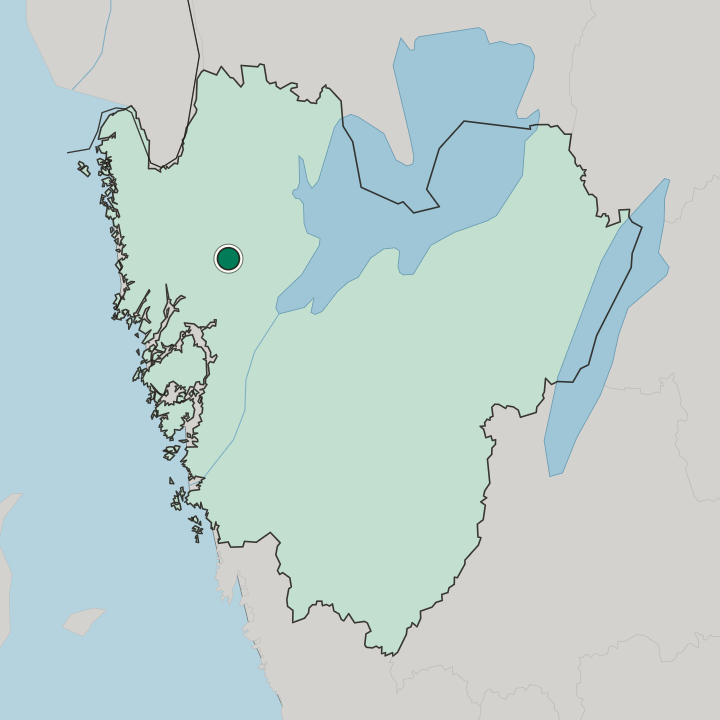
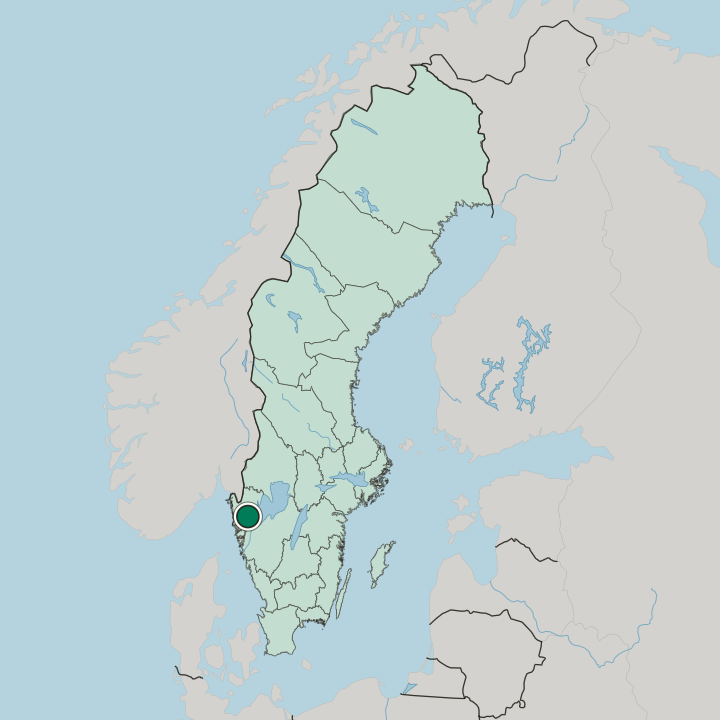
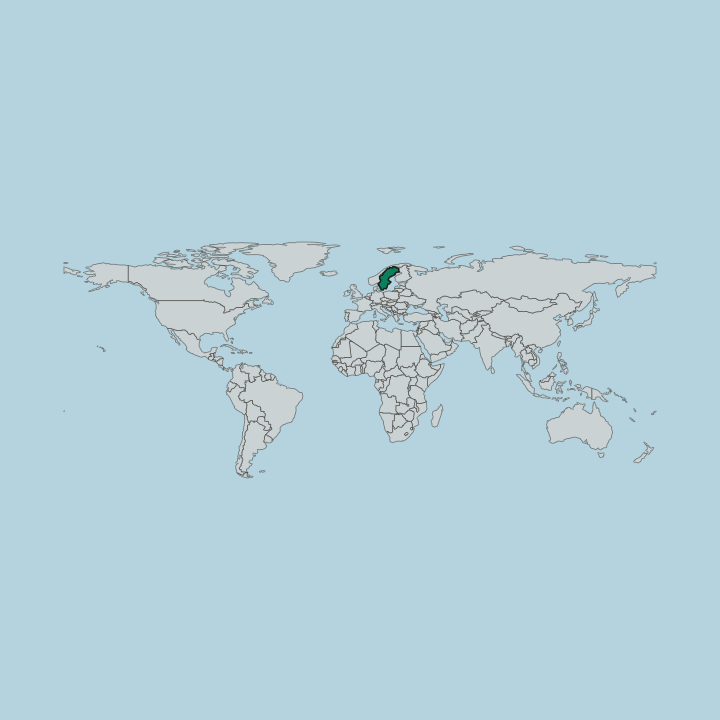
Dalsland is the frame here. Färgelanda lies in the northern part of Västra Götaland County, in western Sweden, on farmland broken by lakes and by the water that reaches the district's outer edges. Villages sit far apart.
Färgelanda kyrka, Ödeborgs kyrka, Högsäters kyrka and Torps kyrka each mark a different pocket of that country, which is a fair map of how the settlement is spread.
What is the climate of Färgelanda?
Dalsland stays damp. Färgelanda sits close enough to the water that edges western Sweden for cloud and rain to come in over the lakes, and the temperate band it falls in delivers a full winter rather than a mild one. Seasons here are long and plainly marked.
Snowmelt and spring rain fill the lakes of Färgelanda Municipality before the ground dries out, and the light stretches far into the evenings of summer.
How do you get to Färgelanda?
Roads do all the work. Färgelanda is reached overland through the northern part of Västra Götaland County, and the seat is the practical place to aim for before splitting off toward Ödeborg, Högsäter or Torps kyrka. Nothing here is walkable end to end.
A car turns four churches and two museums into one unhurried day; without one, Färgelanda Municipality becomes a single village and a long wait.
Common questions
What is the best area to stay in Färgelanda?
Färgelanda village centre: Nights within reach of Färgelanda kyrka and the municipal offices in the middle of Dalsland. Ödeborg: Visitors coming for Ödeborgs fornsal and the workshop history it records. Högsäter: Drivers ranging over Dalsland farmland from a base near Högsäters kyrka.
Good for
More cities in Västra Götaland County
Updated October 2026