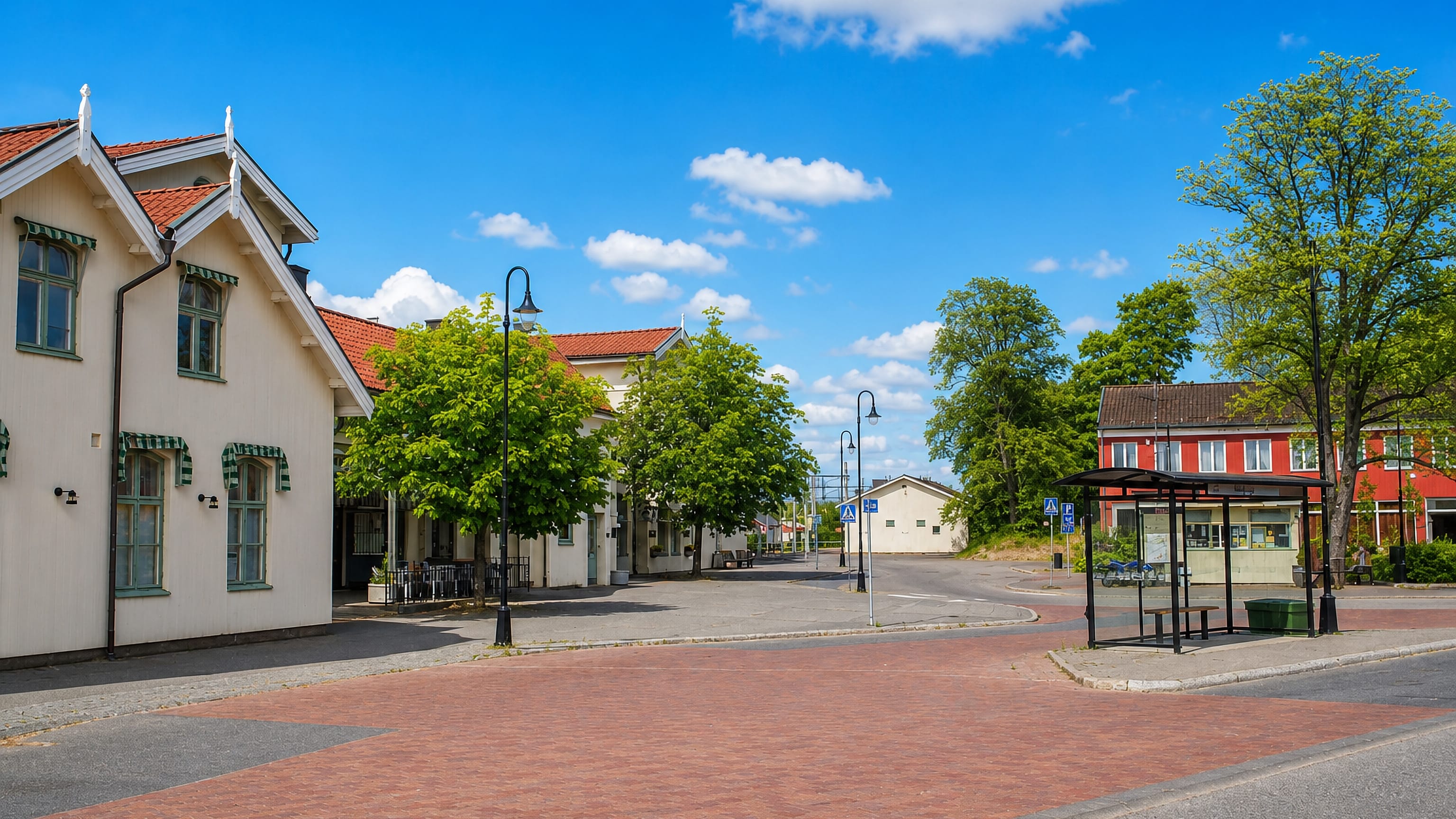
Sweden · Västra Götaland County
Where to Stay in Herrljunga, Västra Götaland County
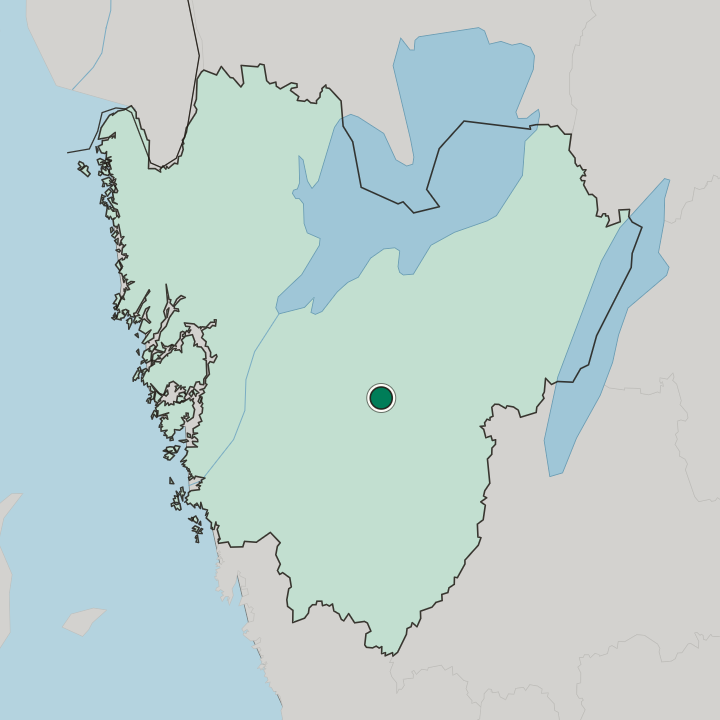
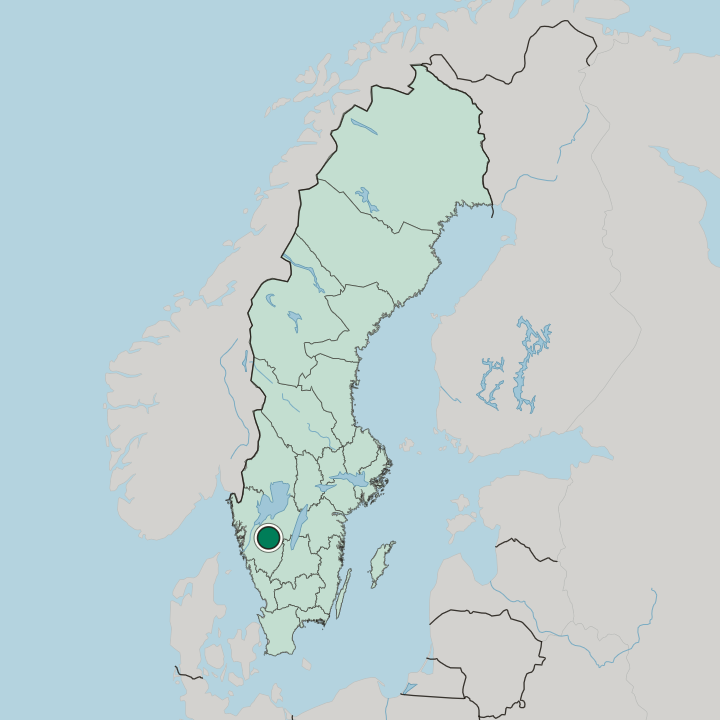
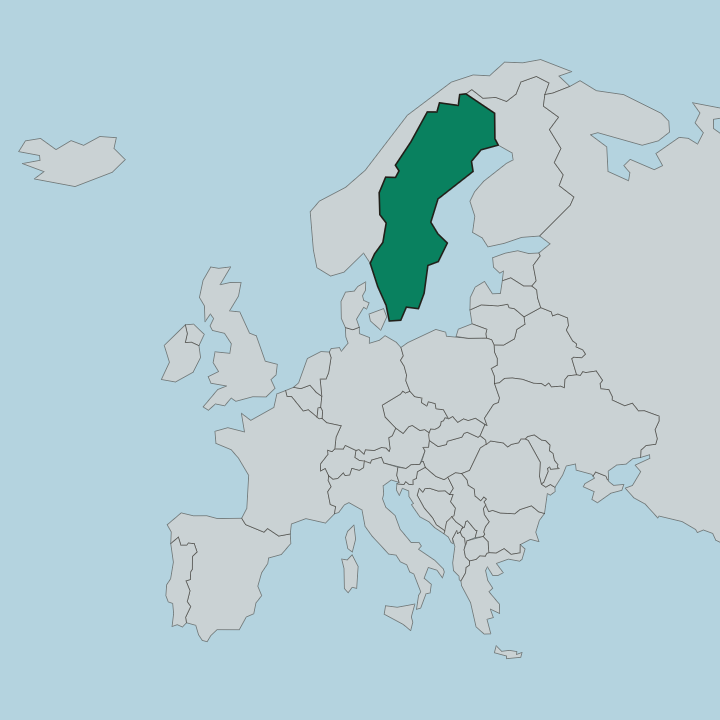
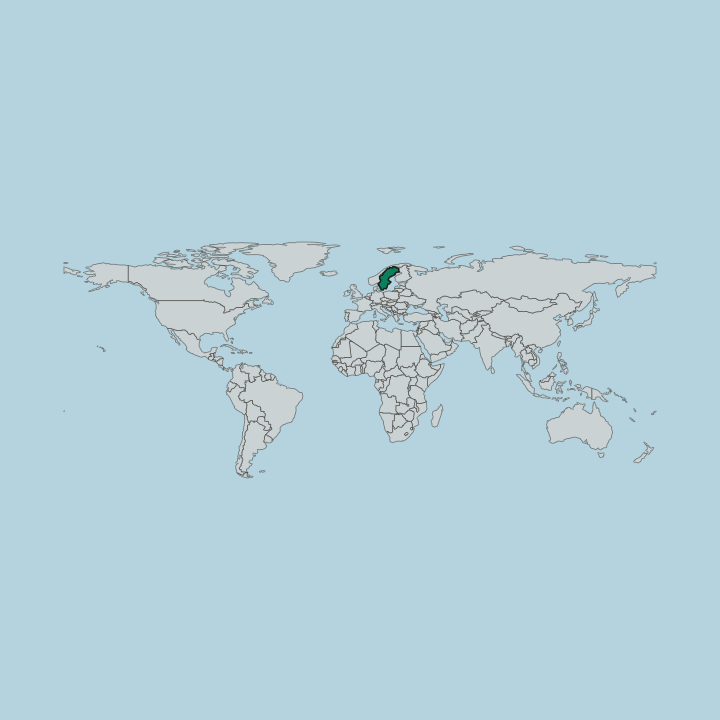
Herrljunga is a town and municipal seat in the eastern part of Västra Götaland County, in western Sweden.
Hotel links are affiliate links: booking through them may earn us a commission, at no extra cost to you. It never affects how places are ranked. How this works


Where to stay in Herrljunga
How the choice of base plays out on the ground.
Most visitors stay in or near the centre of Herrljunga, where the small range of hotels, guesthouses, and rooms sits close to the station within reach of the shops, the church, and the local services that the town gathers for the surrounding district. The centre suits travellers who want a base near everyday amenities and the rail connections, with the open country a short drive away. The town keeps only a small stock of rooms.
Through the warm months the farms and villages of the plain open cottages and self-catering rooms for visitors who come to cycle the level lanes, tour the parish churches, and visit the ancient stone graves of the district. The outlying hamlets and country roads hold further holiday houses for those arriving by car. Reserve early for the warm season.
The wider plain around the town offers farm stays and rural cabins for travellers exploring this part of western Sweden, and the modest supply of rooms and cottages, set in a small town rather than a resort, can still tighten across the brightest and busiest weeks of the year.
Find hotels in Herrljunga
Direct booking searches for these neighbourhoods.
Town centre and station
hotels and guesthouses near the junction and the shops. Beds are limited here, so book early.Find hotels in Town centre and stationsummer cyclists and church tourersSurrounding plain
cottages among the farms and villages. Beds are limited here, so book early.Find hotels in Surrounding plaindrivers and self-caterersOutlying hamlets
holiday houses along the country roadsFind hotels in Outlying hamletsHotel links are affiliate links: booking through them may earn us a commission, at no extra cost to you. It never affects how places are ranked. How this works
About Herrljunga
Herrljunga is known as a railway town.
What is Herrljunga known for?
The settlement grew at a junction where rail lines cross on the plains of Västergötland, and it serves the surrounding parishes as a centre for shops, services, and local trade in the eastern reach of Västra Götaland County. The country around is farmland. Travellers know the town less for grand sights than as a junction and a base for the open agricultural land, the old churches, and the ancient stone graves scattered across this corner of western Sweden.
What are the main landmarks in Herrljunga?
Herrljunga kyrka stands at the centre of the town, the parish church around which the modern settlement grew. Older sights mark the plain. Fölene kyrka serves a country parish, and the megalithic gallery grave known as Hällkistan i Herrljunga survives from far prehistory, a stone burial chamber that traces the ancient settlement of this farming land.
The railway is a landmark in itself. The junction, the station, and the lines that cross the plain shaped the town, and the open fields, the country churches, and the old graves spread around it across this part of western Sweden.
What is the history of Herrljunga?
The plains were settled in deep antiquity. The farming country of Västergötland around Herrljunga was worked and lived in across the ages, leaving megalithic graves such as the gallery grave at Hällkistan and gathering its parishes around stone churches such as Fölene over the long centuries before the modern town arose. People farmed this land for ages.
The graves stand as their oldest mark. Rail made the modern town when a junction grew where the lines crossed the plain in the nineteenth century, drawing a station, workshops, shops, and houses to what had been quiet farmland, and Herrljunga rose as a busy rail town and became the seat of its municipality. The reforms of local government in Sweden joined the surrounding parishes into the present municipality.
Herrljunga kept its role as a junction and a market centre, serving the farms and villages of this eastern corner of Västra Götaland County while the open fields, the country churches, and the ancient graves stayed the defining features of the land around the town.
Where is Herrljunga?
Herrljunga lies in the eastern part of Västra Götaland County, on the farming plains of Västergötland in western Sweden. The town sits on flat, open arable land crossed by streams, country roads, and the railway lines that meet at its junction, with the level fields spreading in every direction and low wooded ridges rising here and there above the cultivated country. The setting is broad and level.
Roads and rail lines run out across the plain from the town, linking the farms and villages and reaching toward the larger centres of the county and the wider region.
What is the climate of Herrljunga?
Herrljunga sits inland under a cool, continental sky. Winters are cold and often snowy. Firm frost settles over the open plains of Västergötland through the long dark months, while the fields lie still and the country roads carry the quiet of the season across the district.
The warm months are gentle and green over the plain, bringing the longest light and the work of the farms, drawing cyclists and visitors to the level lanes and the country churches. Rain falls across the seasons to feed the streams and the wide arable land of this part of western Sweden.
How do you get to Herrljunga?
Herrljunga is a rail junction on the plains of Västergötland. Lines cross here, carrying trains between Göteborg and the towns to the east and north, so the town is well served by rail across the day. Many travellers arrive by train.
County roads tie the town to the larger centres of the region, regional buses link the surrounding villages, and from the centre the roads and rails spread out over the open fields toward the farms, the churches, and the wider county of western Sweden.
Common questions
What is the best area to stay in Herrljunga?
Town centre and station: first-time visitors and rail travellers. Surrounding plain: summer cyclists and church tourers. Outlying hamlets: drivers and self-caterers.
Good for
More cities in Västra Götaland County
Updated September 2026