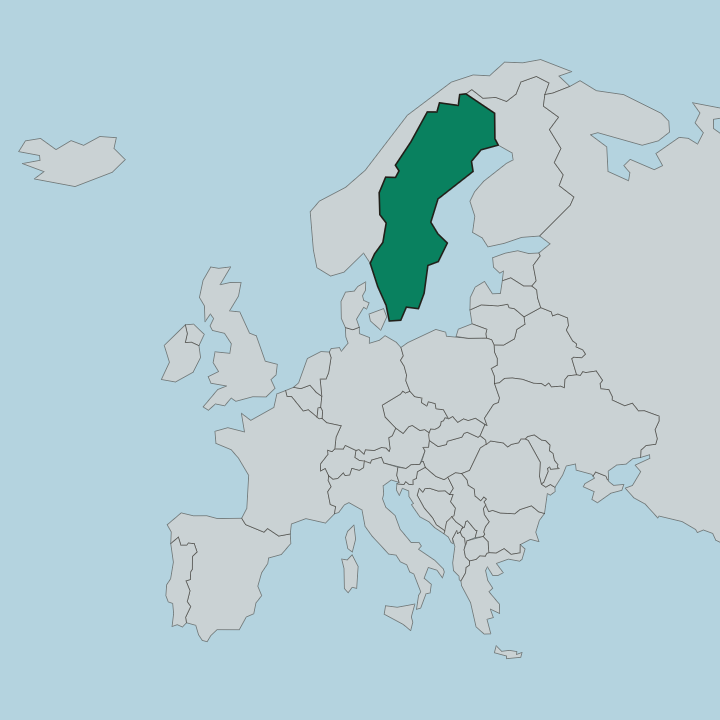
Sweden · Västra Götaland County
Where to Stay in Hjo, Västra Götaland County
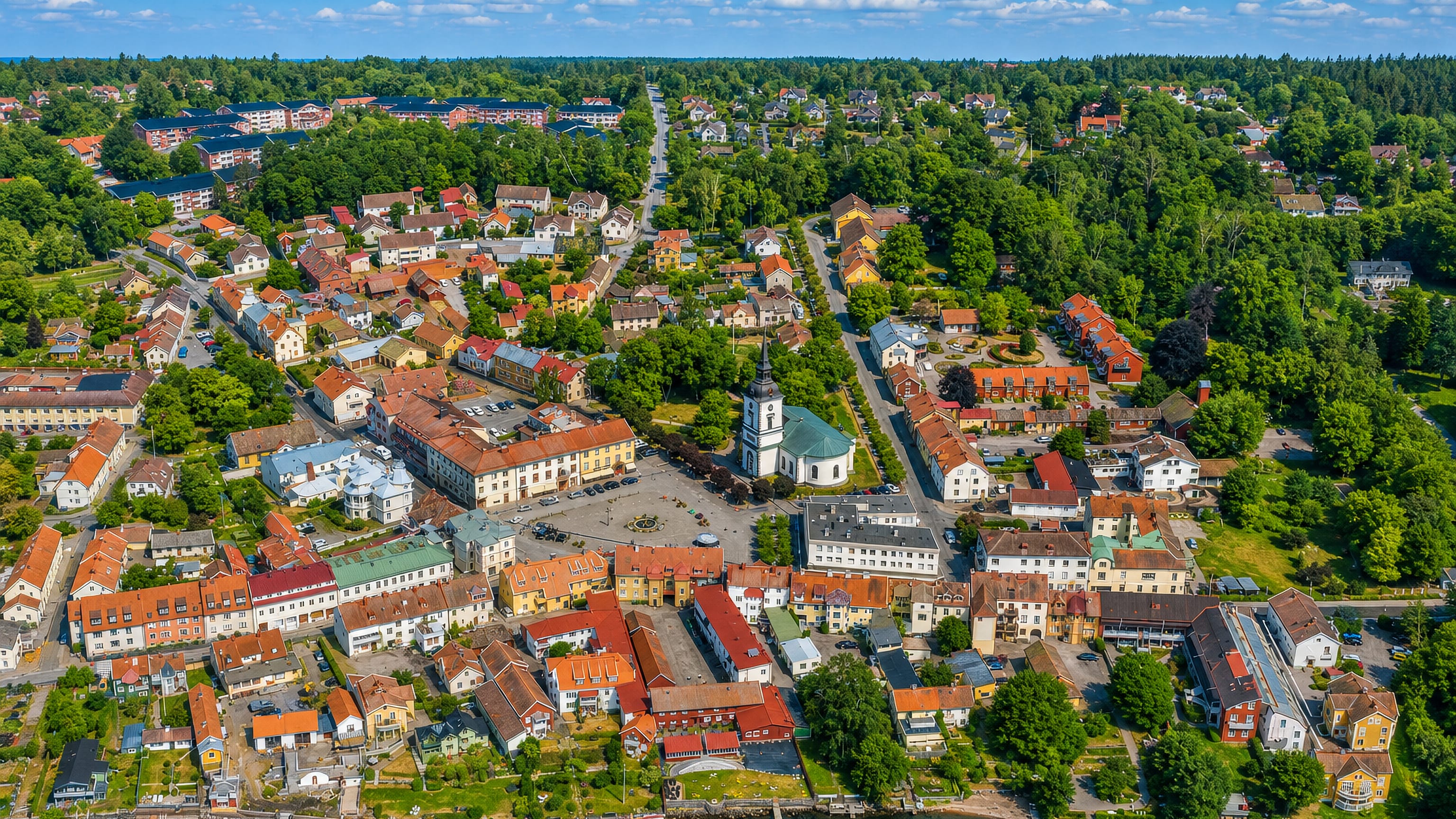
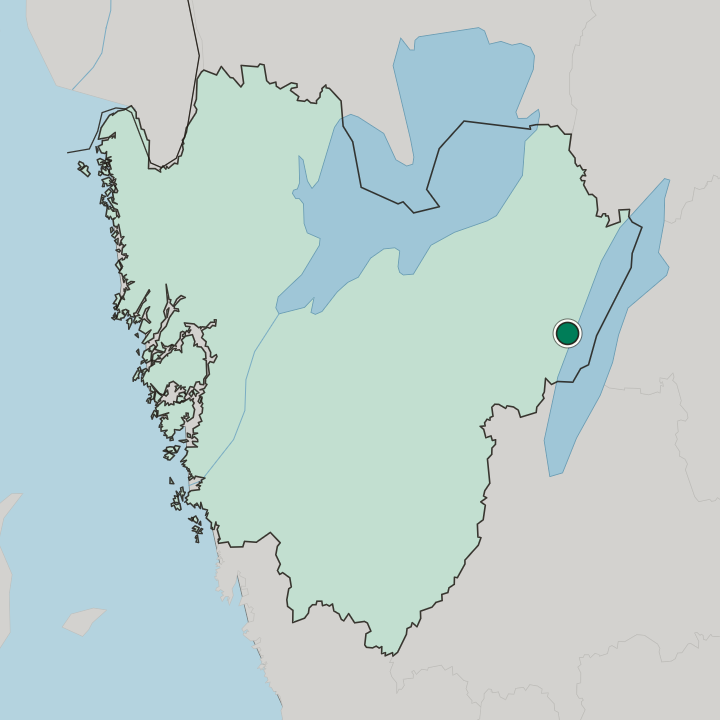
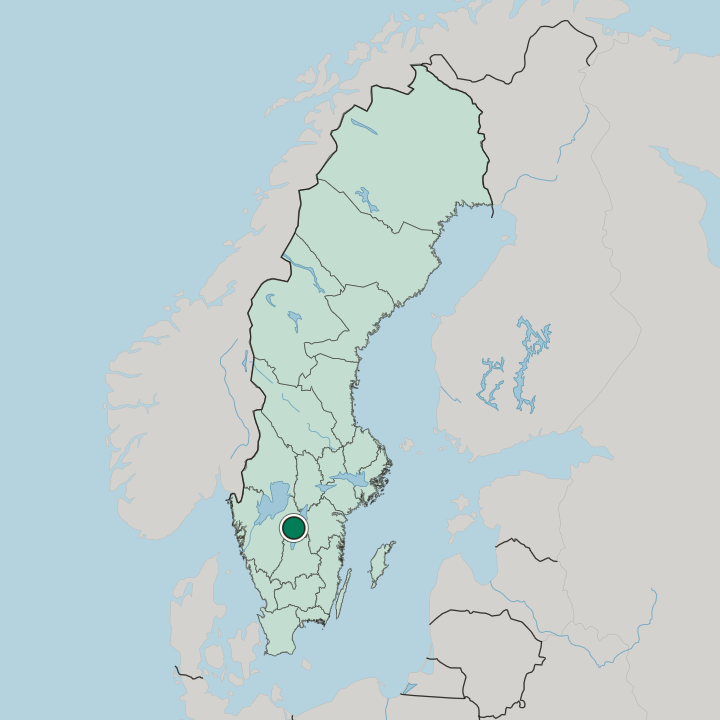
Hjo is a small lakeside town in eastern Västra Götaland County, on the western shore of Vättern.
Hotel links are affiliate links: booking through them may earn us a commission, at no extra cost to you. It never affects how places are ranked. How this works


Where to stay in Hjo
Where visitors usually base themselves, and why.
Most visitors stay in the old wooden town near the harbour, where small hotels and guesthouses sit among the painted timber houses within an easy walk of the quay, the spa park, and Hjo kyrka. This central quarter suits travellers who want the waterfront and the historic streets at the door, with cafés and the steamer pier close by. Rooms near the harbour are few.
Demand climbs sharply through the summer weeks, so a room booked late can be hard to find when the lake season peaks. Around the spa park and along the shore, a campsite and holiday cabins open through the warm months, drawing families who come for the bathing and the long evenings by Vättern. The farmland and forest inland hold farm stays and self-catering cottages for those touring by car.
Reserve early. Quiet through the colder half of the year, the town fills fast once the steamers run and the parkland greens, and that short, busy season presses hard on the small stock of rooms near the water.
Find hotels in Hjo
Direct booking searches for these neighbourhoods.
Old wooden town
small hotels among painted timber houses near the harbour and church. Few places to stay nearby — book ahead.Find hotels in Old wooden townsummer familiesSpa park and shore
campsite and cabins by the bathing park on Vättern. Few places to stay nearby — book ahead.Find hotels in Spa park and shoredrivers touring the farmland inland from VätternInland farmland
farm stays and cottages among the fields and forestFind hotels in Inland farmlandHotel links are affiliate links: booking through them may earn us a commission, at no extra cost to you. It never affects how places are ranked. How this works
Things to do in Hjo
Ranked by global recognition; descriptions from Wikidata (CC0).
Museums & Galleries
2- Trafik Heritage working life museum
- Wettern Live Museum
Churches & Religious Sites
3- Hjo Church Heritage Church of Sweden church building
- Svärtans kapell Heritage
- Equmenia Church
Landmarks & Notable Places
4- Villa Eira Heritage heritage building
- Villa Götha Heritage
- Röhsska huset
- Villa Svea heritage building i Hjo City Park
worth knowingacross 3 categories in Hjo
About Hjo
Hjo is known for wood.
What is Hjo known for?
Its old quarters hold one of the best-kept wooden towns in the country, with painted timber houses, carved verandas, and narrow lanes that run down toward the harbour on Vättern. The town grew famous as a lakeside spa in the nineteenth century, and the park and bathing tradition it left behind still shape the waterfront and its slow seasonal rhythm. Steamers cross the lake from the quay in summer.
Visitors come for the architecture, the long blue horizon of Vättern, and the slow rhythm of a town that kept its old face.
What are the main landmarks in Hjo?
Hjo kyrka stands above the town. The brick church and its tower mark the skyline over the wooden quarters, while the harbour below gathers the lakefront crowds. Down by the water, the Wettern Live Museum keeps the story of the lake's steamer trade alive for visitors who walk the quay.
Villa Götha and the Röhsska huset count among the timber buildings that give the old streets their guarded, lived-in character. Several small chapels, among them Svärtans kapell, dot the parish around the centre. Together they trace a compact town that wears its history without fuss.
What is the history of Hjo?
Hjo carries deep roots. A market and harbour grew here on the western shore of Vättern in the Middle Ages, when the lake carried goods between the inland provinces and the town served as a trading point for the farms around it. The settlement won town rights in the medieval centuries and stayed small, a place of fishermen, craftsmen, and merchants who lived close to the water and the church on the rise above the quay.
Fire and rebuilding shaped the look that survives. The wooden houses of the centre took their present form in the eighteenth and nineteenth centuries, raised in timber after the old town burned and then kept rather than torn down as larger towns modernised. A new chapter opened when Hjo became a spa.
Drinking-water cures and lake bathing drew guests to a park laid out near the shore, and hotels, a pavilion, and gardens rose to serve them through the warm season. The spa era faded, but the town it built remained. Hjo entered the twentieth century as a quiet municipal seat whose unbroken streets of painted wood, the lakeside park, and the steamers on Vättern slowly turned from working assets into heritage that the town now guards with care.
Where is Hjo?
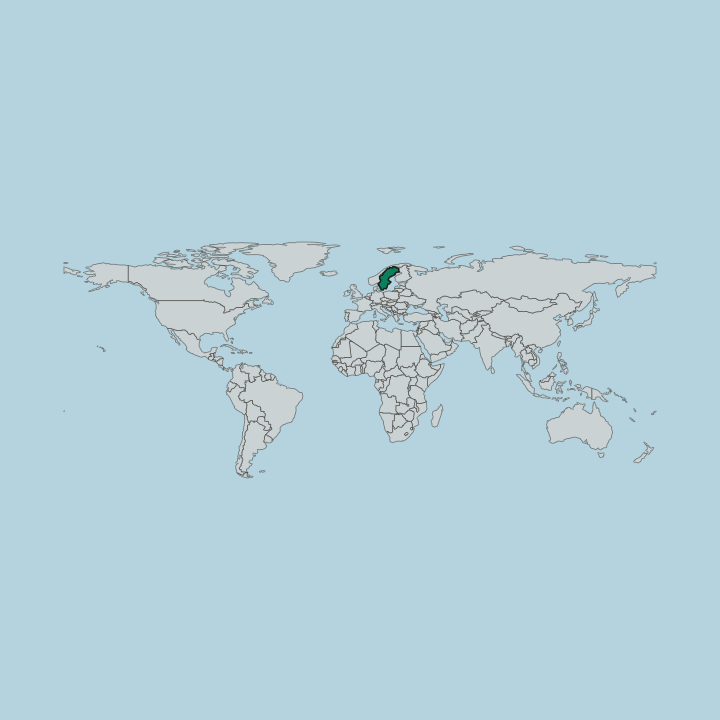
Hjo sits on the western shore of Vättern, in the eastern part of Västra Götaland County. The town faces east across the long, deep lake, its harbour and park set where the streets reach the water and the open horizon. Behind the centre, gentle farmland and forest roll inland over Hjo Municipality.
The lake dominates. Vättern's clear, cold water and broad surface set the climate, the light, and the life of a place that has always looked toward its eastern edge.
What is the climate of Hjo?
Hjo has a cool, temperate climate shaped by the lake at its door. Summers are mild and long in daylight, with warm spells that draw bathers to the shore and steamers onto the water, while the great mass of Vättern moderates the air and softens the swing between the seasons. Winters bring cold, grey skies, and snow, though the lake holds its warmth into autumn and lends the town a steadier feel than places set far from open water.
Rain reaches the lakeshore in every season. Spring comes slowly here.
How do you get to Hjo?
Hjo is reached mainly by road. The town lies off the larger highways in the eastern part of Västra Götaland County, linked by regional roads to Skövde and the towns around Vättern, and most travellers arrive by car or by bus from the nearest rail hubs. The closest trains run through Skövde to the north-west, where connections reach Stockholm and Göteborg on the main line.
In summer, steamers cross the lake to the quay. A car gives the freest reach to the lakeside town and the countryside that surrounds it.
Common questions
What is the best area to stay in Hjo?
Old wooden town: history lovers and steamer passengers. Spa park and shore: summer families. Inland farmland: drivers touring the farmland inland from Vättern.
Good for
More cities in Västra Götaland County
Updated October 2026