Sweden · Västra Götaland County
Where to Stay in Kinna, Västra Götaland County
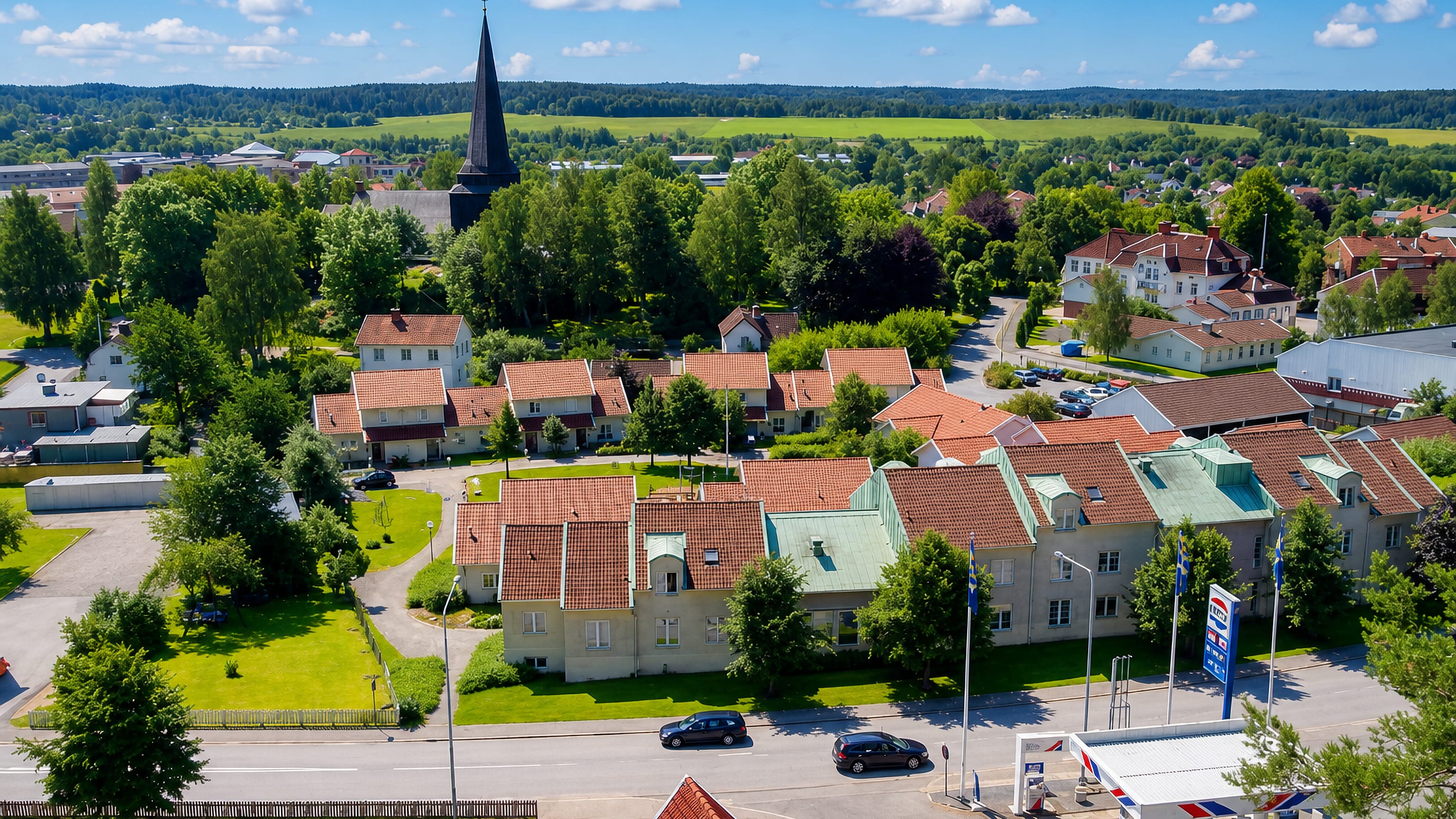
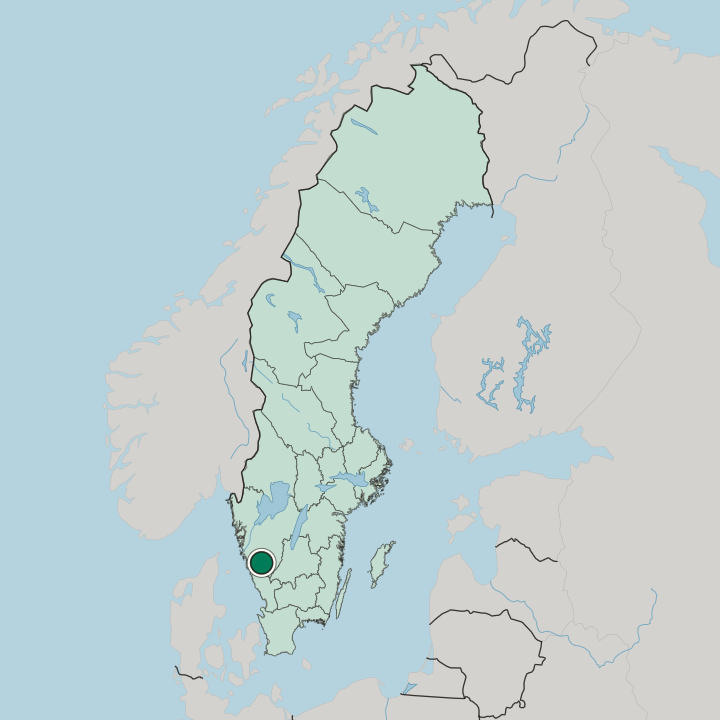
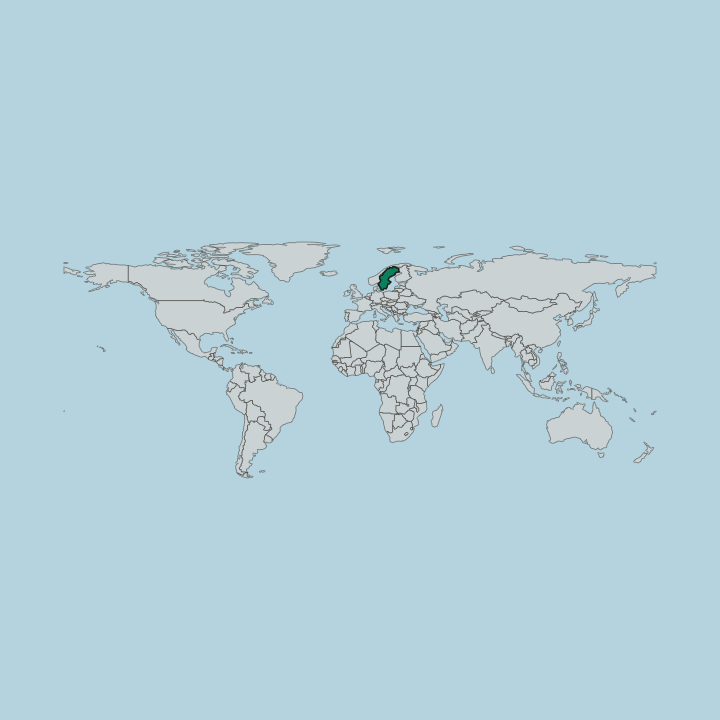
Kinna is a textile town in the south-eastern part of Västra Götaland County, in south-western Sweden, the seat of its municipality on the river Viskan.
Hotel links are affiliate links: booking through them may earn us a commission, at no extra cost to you. It never affects how places are ranked. How this works


Where to stay in Kinna
Where the beds are, and what that means for the visit.
Most visitors stay in the town centre near the river, where hotels and guesthouses sit within an easy walk of the shops, the station, and Kinna kyrka. This central area suits travellers passing through the textile district or working in the local trade, with services, transport, and the river path close at hand. Beds are modest in number.
Demand rises with the business travel and the summer touring season, so a room booked late can be harder to find in the busier weeks. Across the wider municipality, the neighbouring Skene quarter and the villages along the Viskan hold further guesthouses, while farm stays and self-catering cottages open through the warm months in the hills and forest around the valley. These quiet houses draw walkers, cyclists, and families touring by car.
Book ahead for the warm months. The countryside spreads far beyond the town across one of the largest municipalities in the region, and lodging there ranges from village inns to lakeside cabins among the woods.
Find hotels in Kinna
Direct booking searches for these neighbourhoods.
Town centre
hotels near the station, shops, and Kinna kyrka. Lodging is scarce in this area; reserve in advance.Find hotels in Town centretravellers exploring the textile districtSkene and the river villages
guesthouses along the Viskan valleyFind hotels in Skene and the river villageswalkers, cyclists, and familiesSurrounding hills and forest
farm stays and cottages among the woods and lakesFind hotels in Surrounding hills and forestHotel links are affiliate links: booking through them may earn us a commission, at no extra cost to you. It never affects how places are ranked. How this works
Things to do in Kinna
Ranked by global recognition; descriptions from Wikidata (CC0).
Museums & Galleries
1- Anjougården working life museum in Mark Municipality
Churches & Religious Sites
3- Kinna Church Heritage church building in Mark Municipality
- Örby Church Heritage
- Skene Church Heritage
Castles & Historic Sites
1- Kinnaborg Castle Heritage building in Mark Municipality
worth knowingacross 3 categories in Kinna
About Kinna
Kinna is known for cloth.
What is Kinna known for?
The town lies at the heart of the Sjuhärad district, the old centre of Swedish textile making, where weaving, sewing, and the trade in cloth shaped life for generations and where the wandering peddlers known as knallar once carried goods across the country. Mills and workshops grew along the Viskan. The textile trade still marks the town.
Visitors come for that industrial heritage, the river valley, and the green hills of the surrounding countryside.
What are the main landmarks in Kinna?
The parish church marks the centre. The parish church stands among the streets of the town, while the old manor site of Kinnaborg recalls the medieval roots of the place above the valley. Nearby, Skene kyrka and Örby kyrka serve the neighbouring parishes that the municipality gathered into one.
Mills and workshops along the Viskan trace the textile trade that built the modern town. The Viskan runs through it all. Together these sites map a working district where industry, faith, and the land have long shared the valley.
What is the history of Kinna?
Kinna began with the land. A farming parish grew in the valley of the Viskan in the medieval centuries, gathered around its church and the old manor of Kinnaborg, and for a long age the people here lived by tilling the thin soil and grazing the hills of south-western Sweden. The valley was poor in good farmland, and that poverty pushed families toward another trade.
Cloth made the district. Home weaving spread through the parishes around Kinna, and the men known as knallar travelled far to sell the cloth their households made, building a network of trade that tied the region to markets across the kingdom. When industry came, the town was ready.
Mills rose along the Viskan to spin and weave by water and steam, and Kinna grew from a country parish into a centre of the Swedish textile trade through the nineteenth and twentieth centuries. The mills later thinned, but the trade left its mark. Kinna joined with neighbouring parishes to form a wider municipality, and as the old factories changed hands or closed, the town drew on its textile past, its river valley, and the surrounding countryside to keep its place in the life of the region.
Where is Kinna?
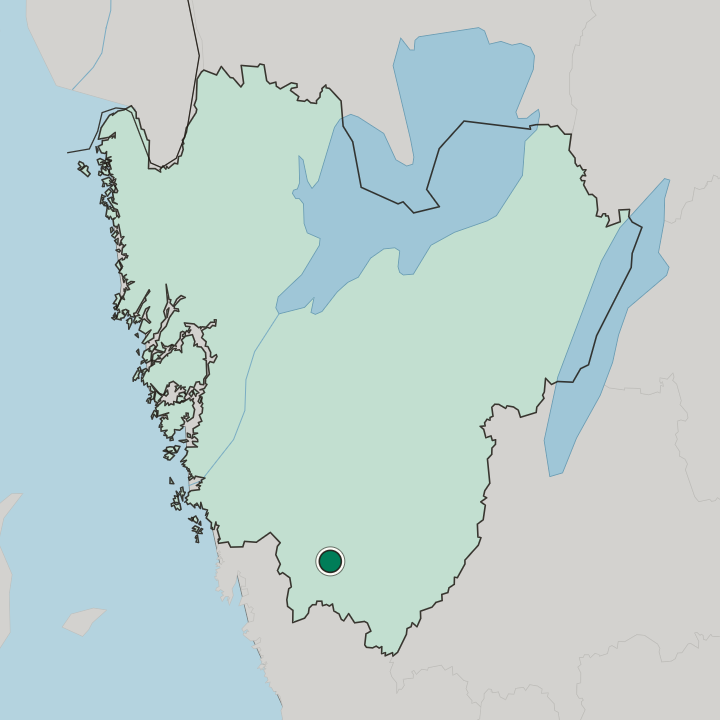
Kinna lies in the valley of the Viskan, in the south-eastern part of Västra Götaland County. The town spreads along the river where it runs south-west toward the coast, hemmed by wooded hills that rise on either side of the water. Beyond the centre, forest, lakes, and scattered farmland fill the rest of Mark Municipality.
The land is hilly and green. Viskan threads through it all, the river that drew the mills and still shapes the valley town.
What is the climate of Kinna?
Kinna has a mild, maritime-influenced climate typical of south-western Sweden. Summers are warm and green, with long days and frequent rain that keeps the river valley and the surrounding forest lush through the season. Winters stay relatively mild for this part of the country, with grey, wet weather more common than deep cold, though snow falls and frosts come in the colder months.
Rain is the constant here. Air off the nearby coast keeps the seasons softer than the inland districts to the east.
How do you get to Kinna?
Kinna is reached by road and rail. The town lies in the south-eastern part of Västra Götaland County, on the line and roads that run between Borås and the coast, and trains and buses serve the centre through the day. Borås, the larger city to the north-east, holds the main connections onward toward Göteborg and Stockholm.
The coast lies a short drive west. Many travellers arrive by car, which gives the freest reach to the spread-out municipality and its valley villages.
Common questions
What is the best area to stay in Kinna?
Town centre: business travellers and through-visitors. Skene and the river villages: travellers exploring the textile district. Surrounding hills and forest: walkers, cyclists, and families.
Good for
More cities in Västra Götaland County
Updated October 2026