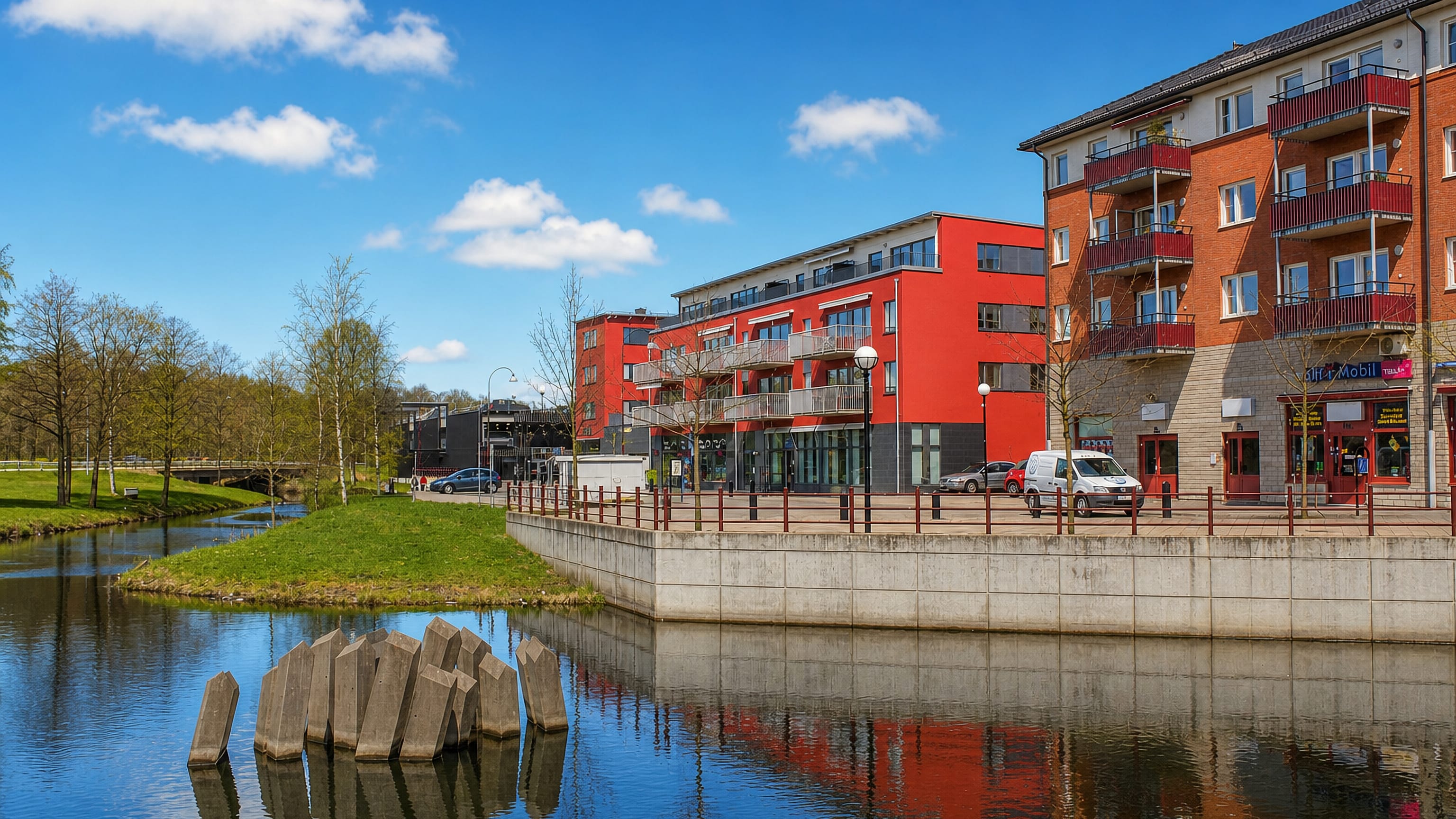
Sweden · Västra Götaland County
Where to Stay in Mölnlycke, Västra Götaland County
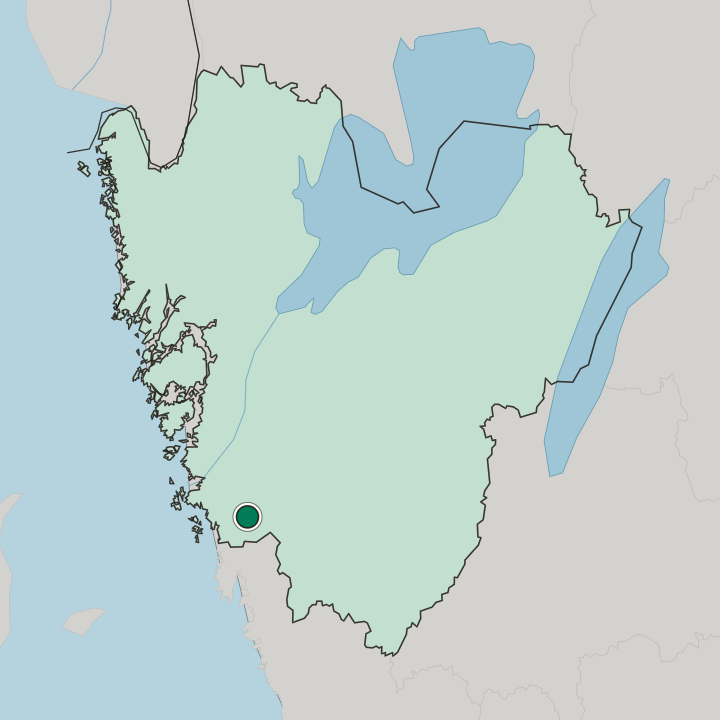
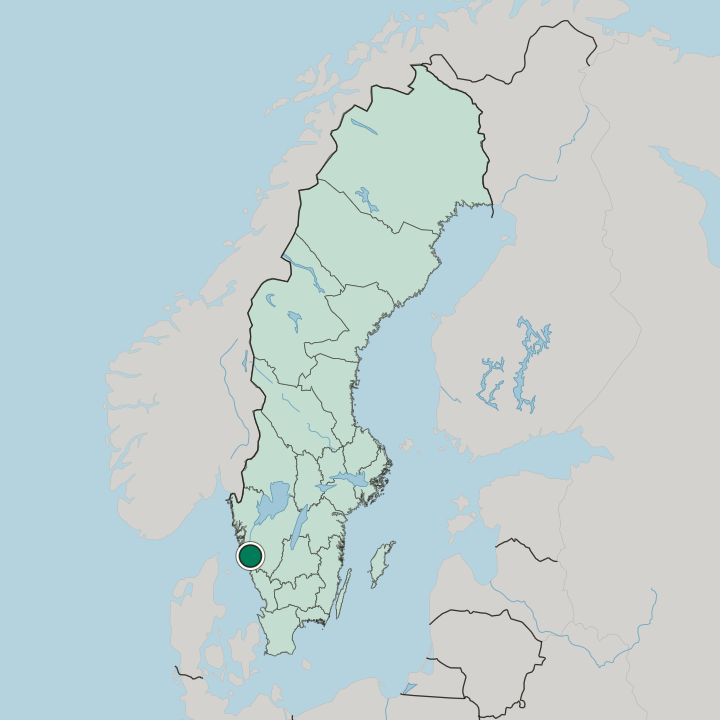
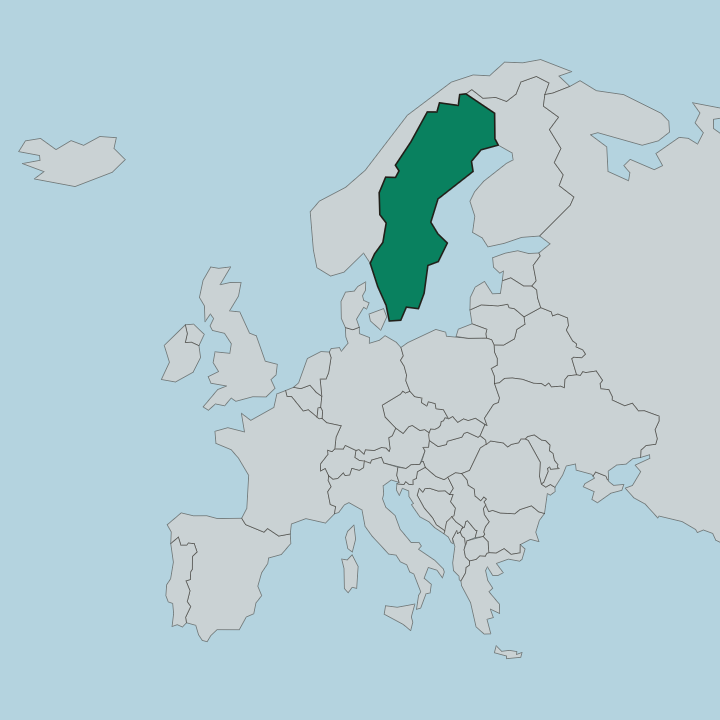
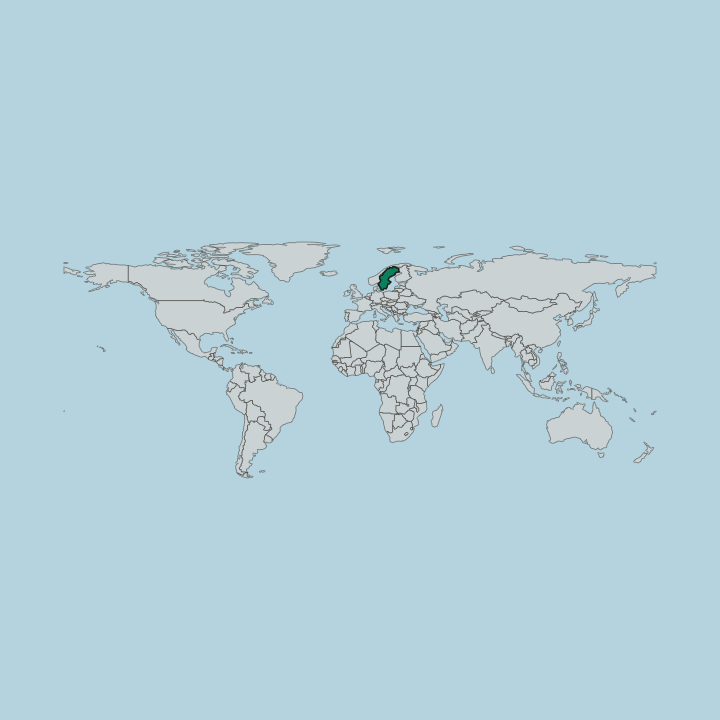
Mölnlycke is a small town in the south-eastern part of Västra Götaland County, in south-western Sweden, the seat of Härryda Municipality near Göteborg.
Hotel links are affiliate links: booking through them may earn us a commission, at no extra cost to you. It never affects how places are ranked. How this works


Where to stay in Mölnlycke
The practical side of choosing where to sleep.
Most visitors stay in the town centre, where a small choice of hotels and guesthouses sits close to the station, the shops, and the commuter trains that run into Göteborg within a short ride. The centre suits travellers who want the city near and a quieter base by night. The choice is small.
Around Råda säteri and the lake, smaller lodgings and self-catering houses draw those who come for the manor park, the church, and the walking country that spreads east into the forest. The wider municipality holds cabins and holiday cottages among the lakes and woods for visitors touring by car. The lakeside cabins and cottages around Härryda fill quickly in summer, so book your Mölnlycke stay early.
Mölnlycke works well as a calm green base for Göteborg, with the harbour, museums, and city centre all within easy reach by train, and the forests, lakes, and trails of Härryda close at hand for days spent outdoors away from the streets.
Find hotels in Mölnlycke
Direct booking searches for these neighbourhoods.
Town centre
hotels by the station a short ride from Råda säteri. Beds are limited here, so book early.Find hotels in Town centrehistory and nature loversRåda and the lake
lodgings near the manor park and the church. Rooms are few around here — worth securing early.Find hotels in Råda and the lakedrivers and walkersThe forests and lakes
cabins and cottages among the woods of Härryda. Few places to stay nearby — book ahead.Find hotels in The forests and lakesHotel links are affiliate links: booking through them may earn us a commission, at no extra cost to you. It never affects how places are ranked. How this works
About Mölnlycke
Mölnlycke is a mill and commuter town.
What is Mölnlycke known for?
It grew up around a weaving factory by the water and now sits as a green suburb on the eastern edge of the Göteborg region, joined to the city by road and rail through the wooded hills. Råda kyrka stands by the lake. Many visitors know the town through the old manor of Råda säteri and its park, and through the forests and lakes of the surrounding country that draw walkers and bathers from the city in the warmer months.
What are the main landmarks in Mölnlycke?
Råda kyrka stands by the lake near the old manor, the parish church that has long served the district and gives the town a clear and lasting landmark. Råda säteri, the manor house with its park and outbuildings, sits close by and draws visitors for its grounds and its history. The old mill recalls the town's start.
Its weaving works by the water built the early community, while the lakes, the forest trails, and the green ridges of Härryda spread out around the town and give it the wooded, watery setting that marks this corner of the Göteborg region.
What is the history of Mölnlycke?
The district is old. Råda parish and its church served the country here long before the town existed, and the manor of Råda säteri held the surrounding land through the centuries when farms and forest covered the slopes by the lake. Then industry arrived.
A weaving factory rose by the water, and around it a working community grew into the settlement that took the name Mölnlycke. Rail came after the mill. When the line between Göteborg and the interior was built, the town gained quick links to the port city, and people came to live by the lakes while working in the larger centre nearby.
Suburban growth followed through the modern age. Mölnlycke spread out across the wooded ridges, became the seat of Härryda Municipality, and grew into a green commuter town on the eastern edge of the Göteborg urban area, its old mill and manor still standing among the newer houses and streets.
Where is Mölnlycke?
Mölnlycke lies in the south-eastern part of Västra Götaland County, just east of Göteborg, where wooded ridges and small lakes fill the country between the city and the interior. The town sits among the forests and water, with Råda lake and its manor at its heart and green hills rising on every side. The setting is wooded and hilly.
Roads and the railway tie it westward to Göteborg and eastward to the lakes, villages, and airport country of the wider district of Härryda. Its built-up area reaches west into neighbouring Mölndal as well.
What is the climate of Mölnlycke?
Mölnlycke has a mild temperate climate, shaped by its place near the west coast. Winters are cool rather than harsh, with the maritime air off the nearby sea holding back the deep cold and heavy snow that grip the inland and northern parts of the country through the dark half of the year. Summers come on gently and green.
The warmest weeks fill the lakes and forest trails with walkers and bathers from the city. Rain and grey skies are common across much of the year here.
How do you get to Mölnlycke?
Mölnlycke sits on the railway between Göteborg and the interior, with frequent commuter trains stopping at the town. The main road east from Göteborg runs close by, carrying drivers through the wooded hills. Buses link the villages around.
The region's main airport lies a short way east in Härryda, while Göteborg to the west serves as the larger gateway, its trains and roads binding the town tightly to the city and the wider district.
Common questions
What is the best area to stay in Mölnlycke?
Town centre: commuters and city visitors. Råda and the lake: history and nature lovers. The forests and lakes: drivers and walkers.
Good for
More cities in Västra Götaland County
Updated September 2026