Sweden · Västra Götaland County
Where to Stay in Kungshamn, Västra Götaland County
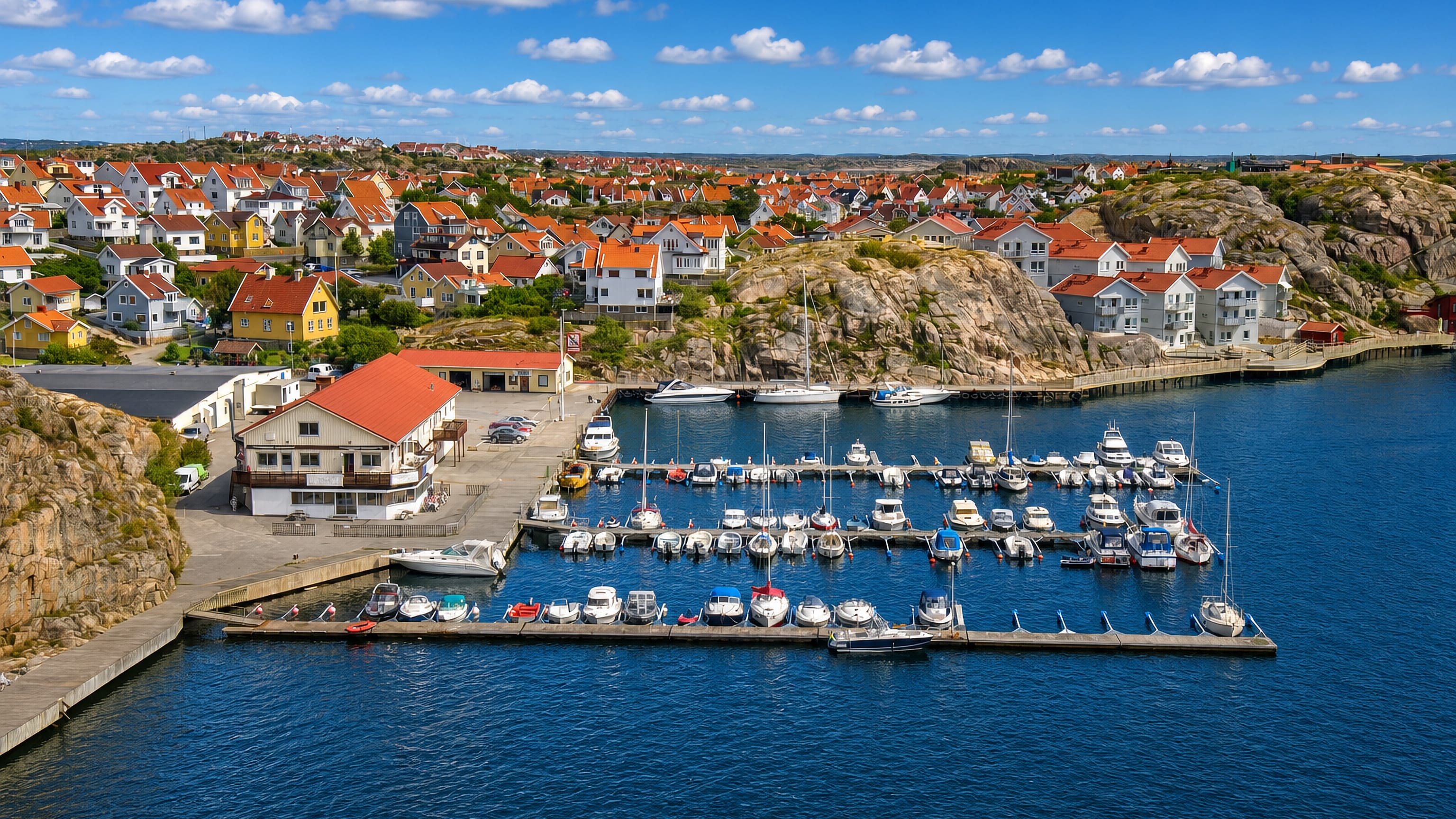
Kungshamn is a fishing town on the Bohuslän coast of western Västra Götaland County, among the rocks and skerries of the sea.
Hotel links are affiliate links: booking through them may earn us a commission, at no extra cost to you. It never affects how places are ranked. How this works


Where to stay in Kungshamn
How the choice of base plays out on the ground.
Most visitors stay in the harbour town, where hotels and guesthouses sit along the quays within an easy walk of the seafood restaurants, the boat tours, and the shops of the centre. This waterfront area suits travellers who want the harbour life and the coast at the door, with the catch landed nearby and the islands a short boat ride out. Beds run short in summer.
The coast draws holiday crowds for only a few warm months, so rooms near the water can fill up well before the season peaks. Across the bridge, the old fishing village of Smögen offers further guesthouses and cabins close to its famous pier, while along the shore campsites, holiday cottages, and self-catering houses open through the warm months for families drawn to the bathing and the skerries. The rocky outer islands hold simple lodges for those seeking quiet.
Book early for the high season. The coast empties through the cold half of the year, but the short summer presses hard on every bed near the harbours and beaches.
Find hotels in Kungshamn
Direct booking searches for these neighbourhoods.
Harbour town
hotels along the quays near the restaurants and boat tours. Lodging is scarce in this area; reserve in advance.Find hotels in Harbour townsummer crowds and pier-goersSmögen
guesthouses and cabins by the famous fishing pier. Rooms are few around here — worth securing early.Find hotels in Smögenfamilies and quiet-seekersCoast and outer islands
campsites, cottages, and island lodges among the skerries. Rooms are few around here — worth securing early.Find hotels in Coast and outer islandsHotel links are affiliate links: booking through them may earn us a commission, at no extra cost to you. It never affects how places are ranked. How this works
Things to do in Kungshamn
Ranked by global recognition; descriptions from Wikidata (CC0).
Museums & Galleries
3- Asta av Smögen working life museum in Sotenäs Municipality
- Kungshamns bildarkiv
- Sjöboden och fiskarstugan
Churches & Religious Sites
3- Kungshamns kyrka Heritage church building in Sotenäs Municipality
- Smögens kyrka Heritage
- Hovenäsets kapell Heritage
worth knowingacross 2 categories in Kungshamn
About Kungshamn
Kungshamn is known for the sea.
What is Kungshamn known for?
The town built its life on fishing and seafood, with canneries and harbours that turned the catch of the Bohuslän coast into a trade carried far beyond the rocks, and the smell of the sea still hangs over the quays. Across the sound lies Smögen, its famous fishing pier drawing summer crowds. Boats fill the harbours.
Visitors come for the seafood, the bare granite coast, and the open water that has fed the town for centuries.
What are the main landmarks in Kungshamn?
Kungshamns kyrka watches the harbour. The church stands above the quays where the fishing fleet ties up, a fixed point over the busy waterfront. Across the sound, Smögens kyrka rises over the old village and its famous wooden pier.
In the neighbouring quarter, Hovenäsets kapell serves the community on the inner shore. The granite skerries spread out to sea. Together these sites mark a coast where churches, harbours, and bare rock have stood side by side through the long history of the fishery.
What is the history of Kungshamn?
Kungshamn rose from the fishery. Small communities of fishermen settled the sheltered harbours of this stretch of the Bohuslän coast in early times, drawn by the herring that ran in the sounds and the safe anchorages among the skerries, and for long ages the people here lived hard by the sea and its uncertain catch. The herring came and went in great cycles, and the fortunes of the coast rose and fell with the shoals.
Industry followed the fish. When the herring ran strong, salting houses, canneries, and processing works grew along the harbours of Kungshamn and the villages around it, turning the catch into a trade that reached markets across the country and abroad. The town grew with that work.
Quays, warehouses, and a fishing fleet filled the harbours, and the settlements on either side of the sounds spread along the granite shore as the seafood trade prospered. The fishery later changed, but the sea kept its hold. As stocks shifted and the old canneries closed or modernised, Kungshamn turned increasingly to summer visitors, and the harbours that once handled herring now host pleasure boats, seafood restaurants, and the holidaymakers who come to the rocks each warm season.
Where is Kungshamn?
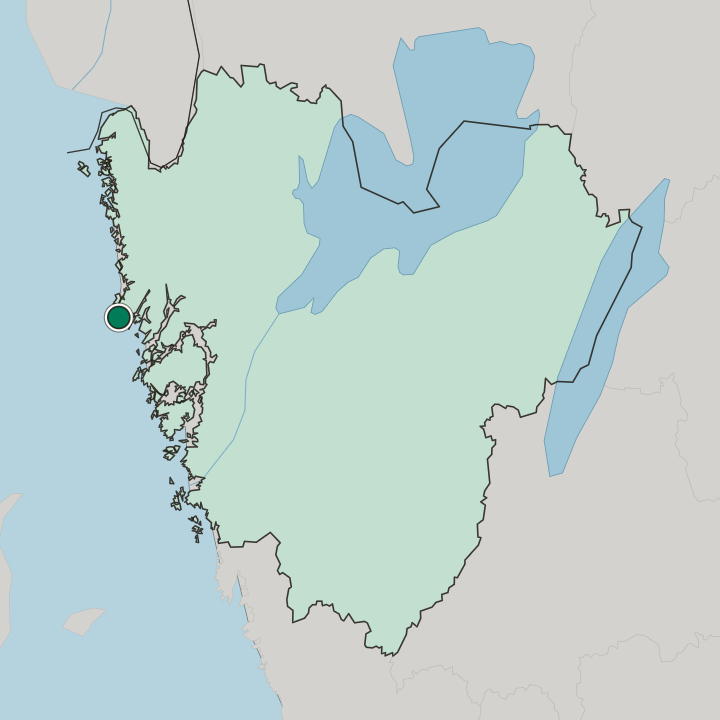
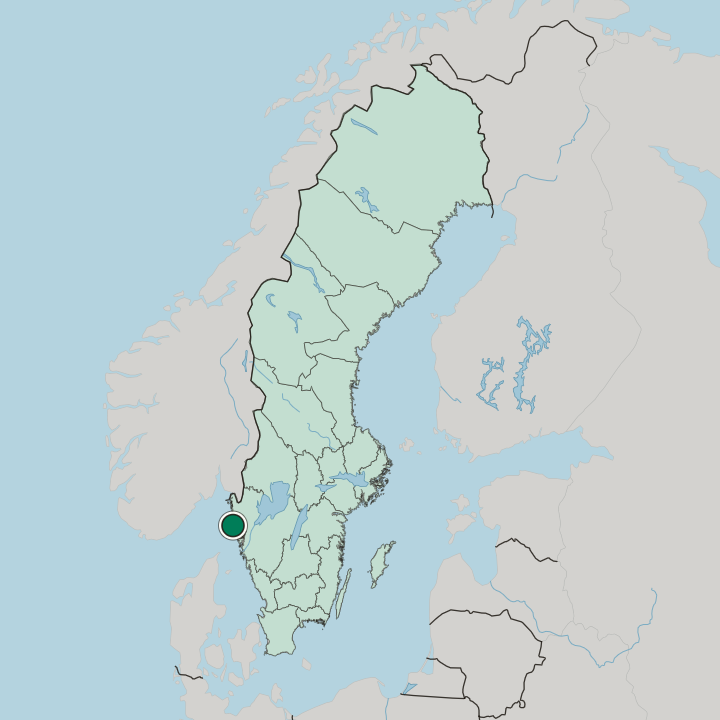
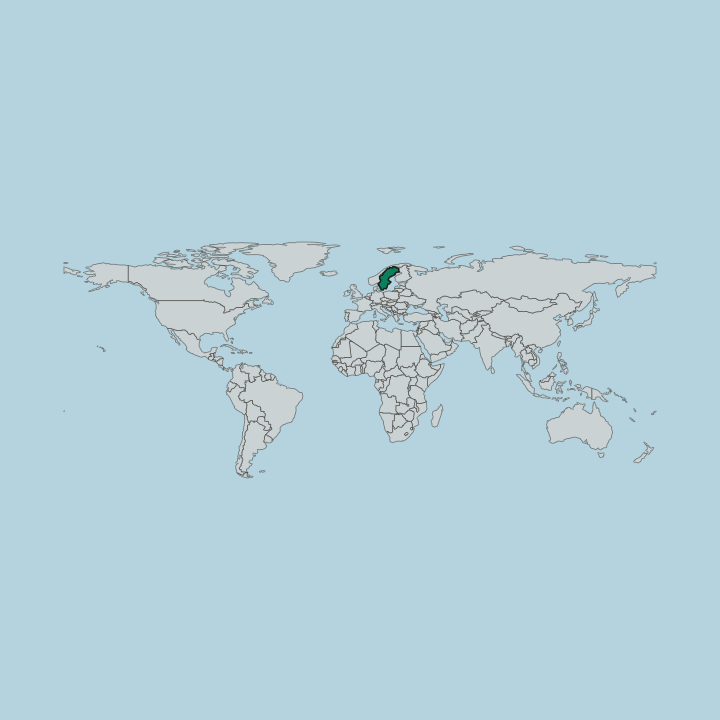
Kungshamn sits on the Bohuslän coast, in the western part of Västra Götaland County, where the mainland breaks into sounds and islands at the sea. The town spreads around sheltered harbours, with the island village of Smögen joined across a narrow sound and the bare granite skerries scattering out into open water beyond. Inland, low rock, heath, and small farms spread across the rest of Sotenäs Municipality.
The land is hard and bare. Sea and granite shape everything along this exposed western edge.
What is the climate of Kungshamn?
Kungshamn has a mild, maritime climate set by the open sea. Summers are cool to warm and bright, with long days that draw bathers and boats to the coast, while the water keeps the heat from ever climbing far and the breeze off the sea tempers the warmest spells. Winters are damp and grey but rarely severe, since the sea holds its warmth and softens the cold that grips the inland districts to the east.
Wind is a constant here. Storms drive in from the open water in the darker months.
How do you get to Kungshamn?
Kungshamn is reached by the western coast roads. The town lies near the end of the road network on the western coast of Västra Götaland County, linked by regional routes to the main highway and the inland towns, and most travellers arrive by car or by bus. The nearest rail connections lie inland to the east, where trains run on toward Göteborg and beyond.
Buses serve the harbour. A car gives the freest reach to the coast, the island of Smögen, and the villages strung along the shore.
Common questions
What is the best area to stay in Kungshamn?
Harbour town: seafood lovers and harbour visitors. Smögen: summer crowds and pier-goers. Coast and outer islands: families and quiet-seekers.
Good for
More cities in Västra Götaland County
Updated October 2026