Sweden · Västra Götaland County
Where to Stay in Strömstad, Västra Götaland County
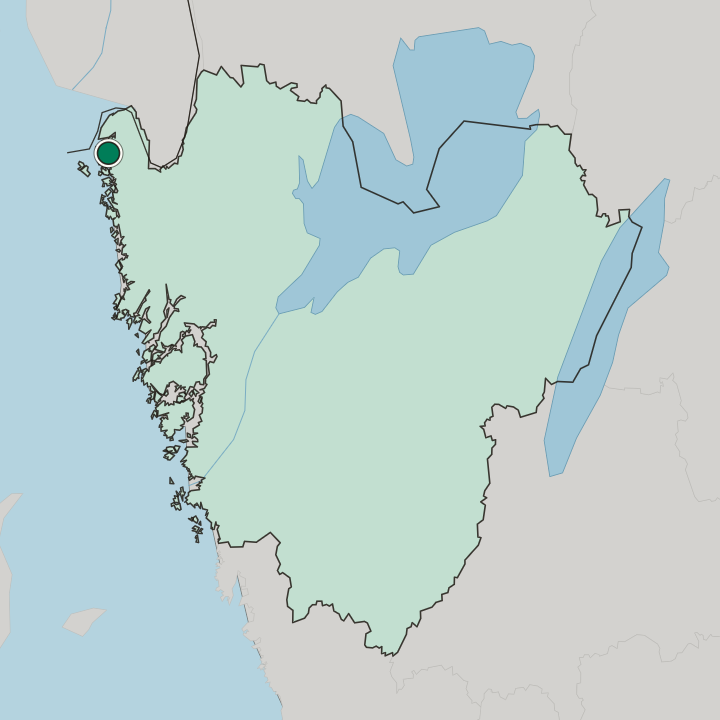
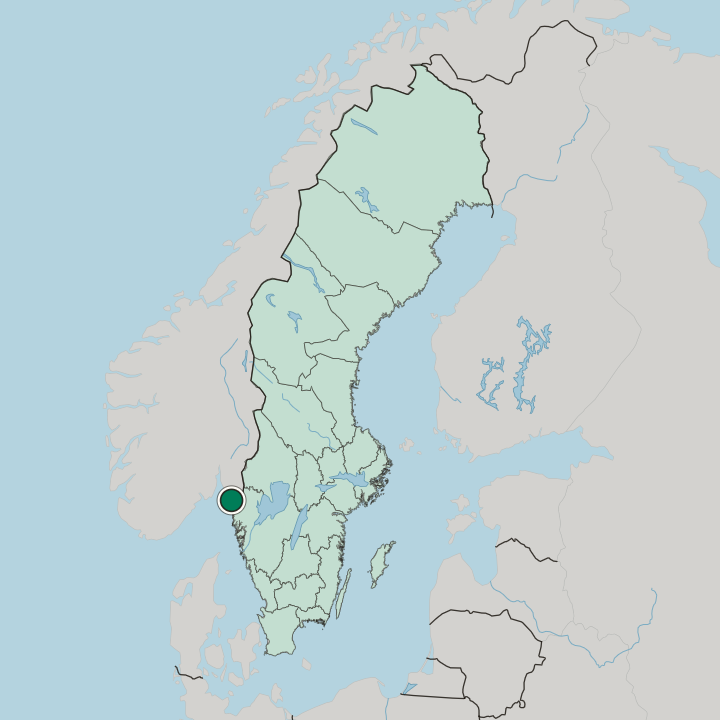
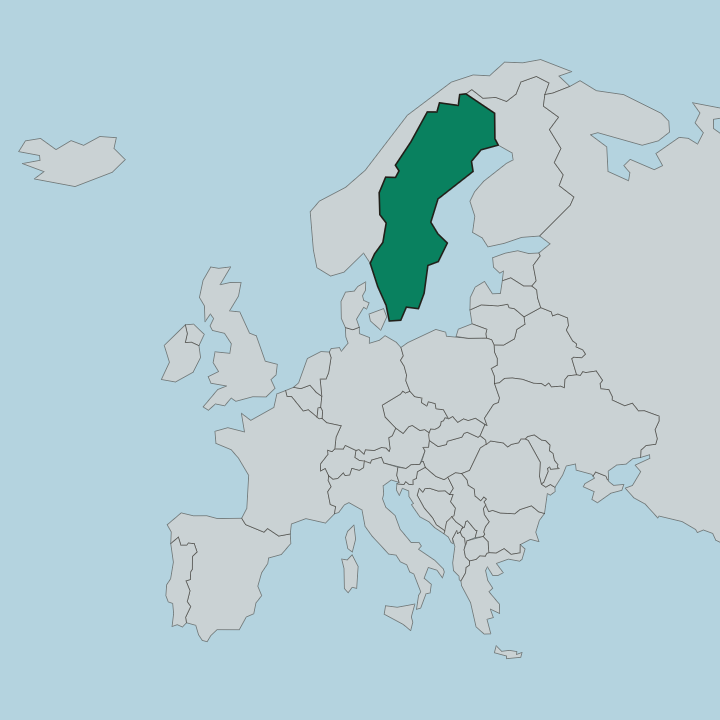
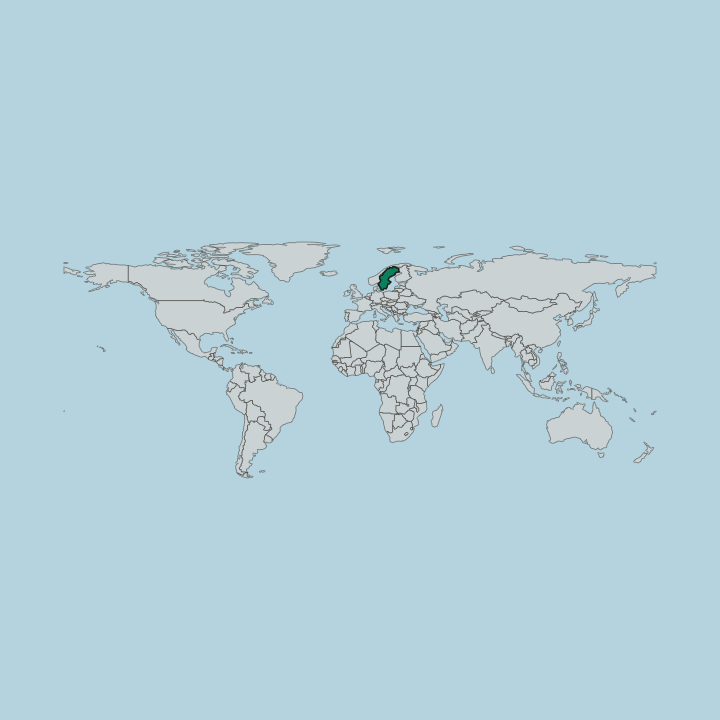
Strömstad is a coastal town in the north-western part of Västra Götaland County, in western Sweden, on the Bohuslän coast close to the Norwegian border.
Hotel links are affiliate links: booking through them may earn us a commission, at no extra cost to you. It never affects how places are ranked. How this works


Where to stay in Strömstad
Where visitors usually base themselves, and why.
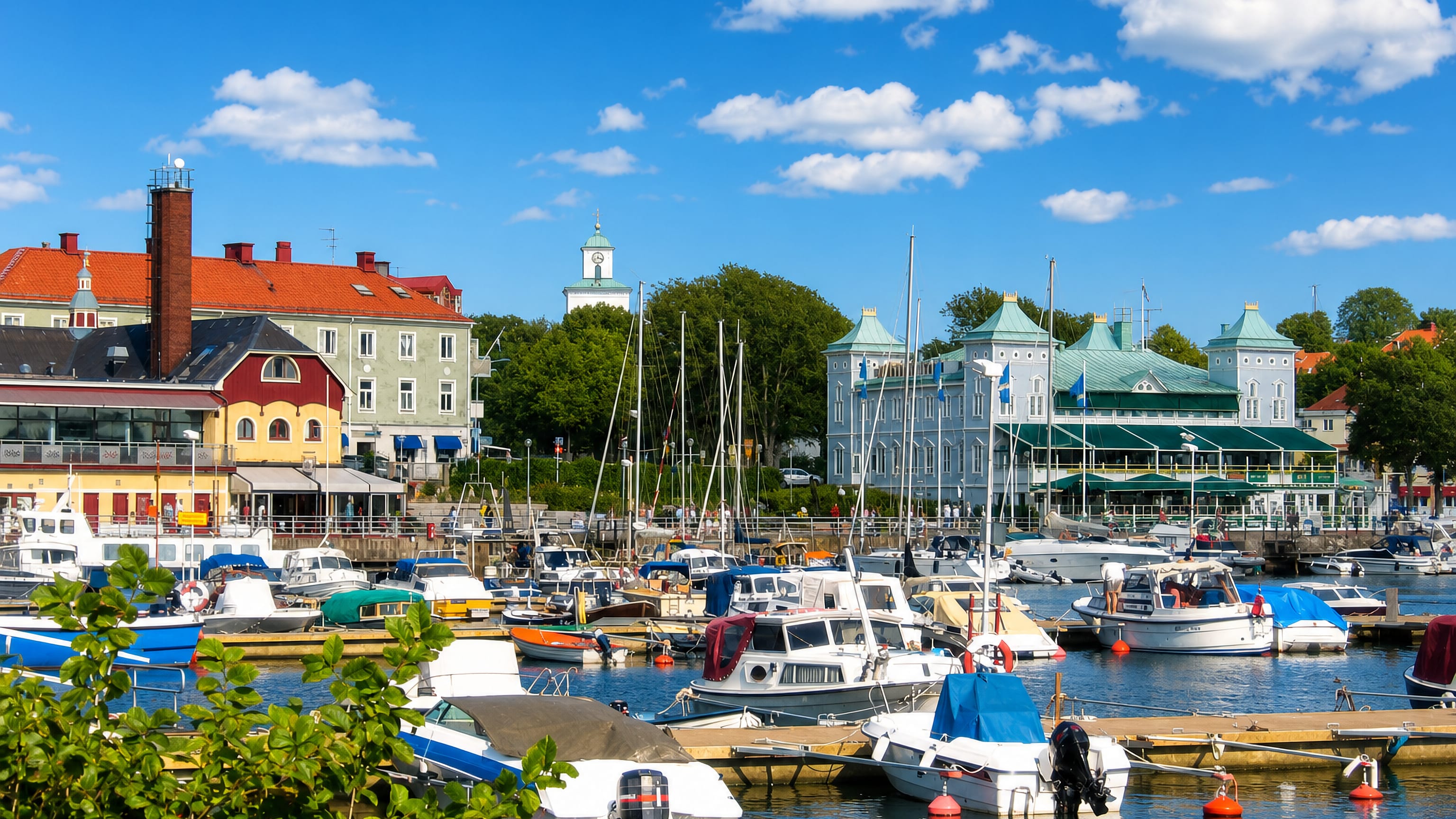
Most visitors stay near the harbour and the old town, where hotels and guesthouses sit within an easy walk of the quays, the seafood restaurants, the church, and the ferry berths for Norway and the Koster islands. The harbour suits travellers who want the water, the boats, and the town's services close at hand. Beds fill fast in summer.
The bathing season, the cross-border traffic, and the Koster ferries together press hard on rooms across the warmest weeks, when prices and demand both run high. Out on the Koster islands and along the coast there are quieter choices for those after sea and calm. Cottages, cabins, and small inns open through the warm months on Nordkoster and Sydkoster, drawing walkers, cyclists, and bathers who want the car-free islands and the marine park around them.
Self-catering houses and campsites scatter across the mainland coast and the smaller villages nearby. Book the islands early. A short, intense Bohuslän summer leaves little spare capacity once the season opens.
Find hotels in Strömstad
Direct booking searches for these neighbourhoods.
Harbour and old town
hotels by the quays near the restaurants and ferry berths. Beds are limited here, so book early.Find hotels in Harbour and old townwalkers and bathersKoster islands
cottages and small inns on the car-free islands in the marine park. Few places to stay nearby — book ahead.Find hotels in Koster islandsdrivers and campersMainland coast
self-catering houses and campsites among the smaller villages. Few places to stay nearby — book ahead.Find hotels in Mainland coastHotel links are affiliate links: booking through them may earn us a commission, at no extra cost to you. It never affects how places are ranked. How this works
About Strömstad
Strömstad is a seaside resort and border town.
What is Strömstad known for?
It is known as one of Sweden's old bathing spots, a summer destination since the spa age, and for the cold-water shrimp and shellfish landed at its quays and served along the harbour. Norway lies just up the road. Cross-border ferries and shopping draw a steady stream of Norwegian visitors, while boats run out to the Koster islands, the marine national park offshore that ranks among the town's chief draws.
What are the main landmarks in Strömstad?
Strömstads kyrka stands over the town as its parish church, a landmark above the harbour. At the waterfront, the Strömstads museum holds the local history of the spa town and its coast. The harbour itself is a draw.
Quays, seafood stalls, spa-era buildings, and the boats out to the Koster islands and the Kosterhavet marine national park together make the waterfront and the sea the real attractions of the place.
What is the history of Strömstad?
Strömstad grew up on a contested frontier. The town began as a fishing and trading harbour on the Bohuslän coast, in a borderland that passed between Norway and Sweden, and it gained town rights in the seventeenth century as a Swedish outpost guarding the sea approach to the new northern frontier. The border shaped its early life.
War and trade with the Norwegian neighbour ran through its harbour, and the town long served as a customs and garrison point on the coast. The spa age remade the place. When sea bathing became fashionable, Strömstad rose as one of Sweden's resorts, drawing summer guests to its baths, its hotels, and its mild coastal air through the warm season.
The sea kept feeding the town. Fishing, shellfish, and later cross-border ferries and tourism carried it forward, and the Koster islands offshore, with their marine national park, drew a fresh stream of visitors to the old spa town and its harbour.
Where is Strömstad?
Strömstad lies in the north-western part of Västra Götaland County, on the Bohuslän coast near the Norwegian border, where the mainland breaks into a scatter of bare granite islands and sounds. The town faces the sea across a sheltered harbour, with the Koster islands and the Kosterhavet marine national park lying offshore to the west and the border with Norway close to the north. The land is low and rocky.
Roads and the coastal railway tie the town south down the Bohuslän seaboard toward Göteborg.
What is the climate of Strömstad?
Strömstad has a mild, maritime climate shaped by the open sea. Winters stay cool rather than bitter, with the water tempering the cold and keeping heavy snow less frequent here than across the inland country through the dark months. Summers are bright and breezy.
The long northern dusk and the warm rock draw bathers and boaters to the harbour and the Koster islands across the short high season, when the town is at its busiest. Wind off the open sea is common all year.
How do you get to Strömstad?
Strömstad sits at the northern end of the Bohusbanan railway and the E6 highway near the Norwegian border, with trains and buses running through the day. Drivers come up the coast road from Göteborg or down from Norway. Ferries cross to Sandefjord in Norway.
The nearest large airport lies near Göteborg to the south and serves as the main gateway, while boats from the harbour carry visitors out to the Koster islands and the marine park offshore.
Common questions
What is the best area to stay in Strömstad?
Harbour and old town: ferry passengers and seafood lovers. Koster islands: walkers and bathers. Mainland coast: drivers and campers.
Good for
More cities in Västra Götaland County
Updated September 2026