Sweden · Västra Götaland County
Where to Stay in Tibro, Västra Götaland County
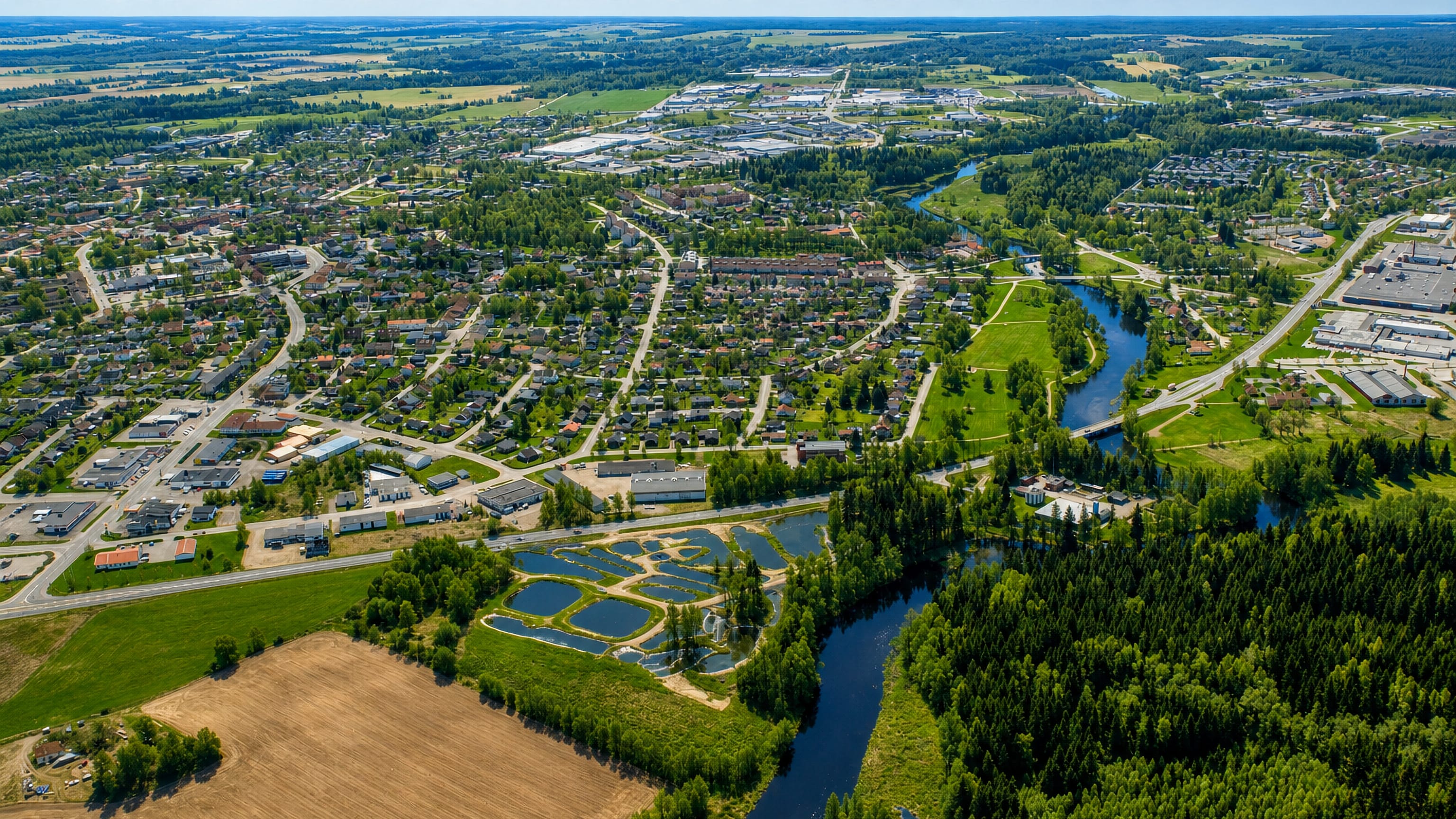
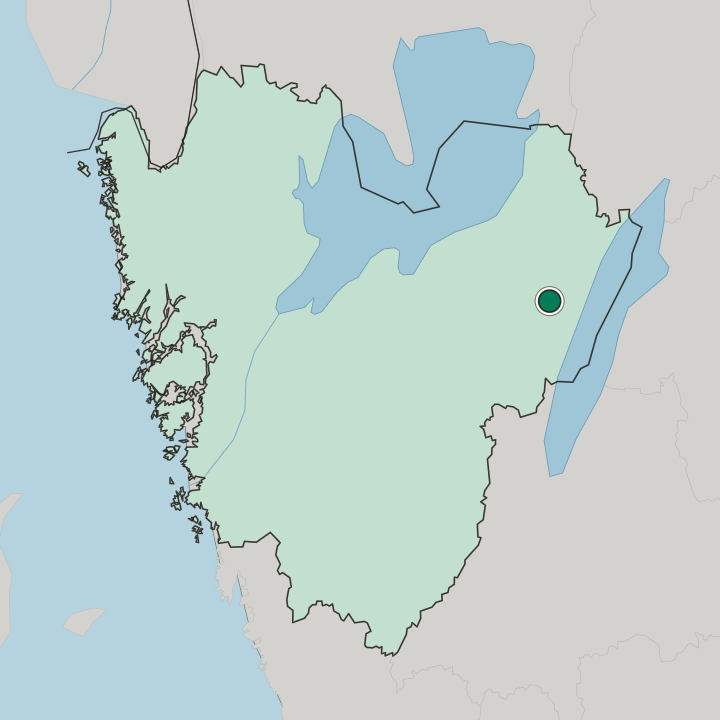
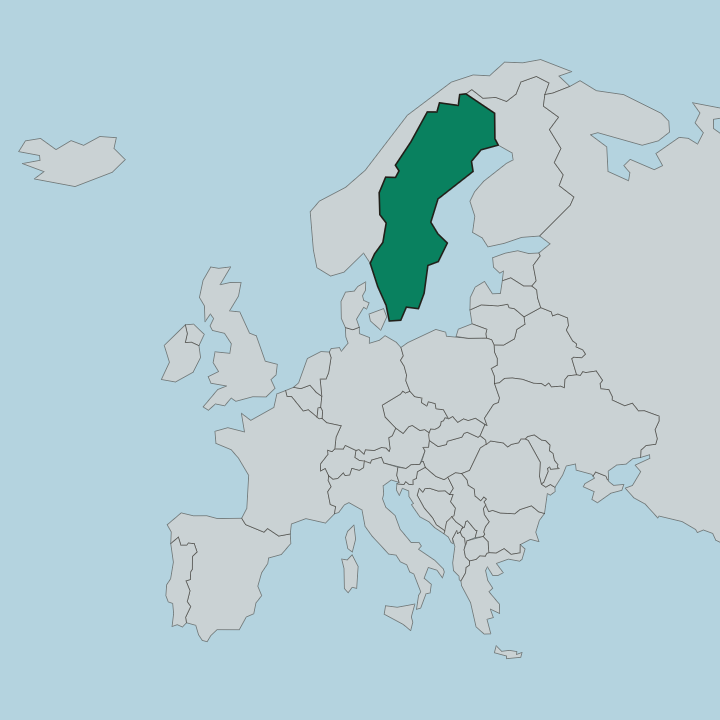
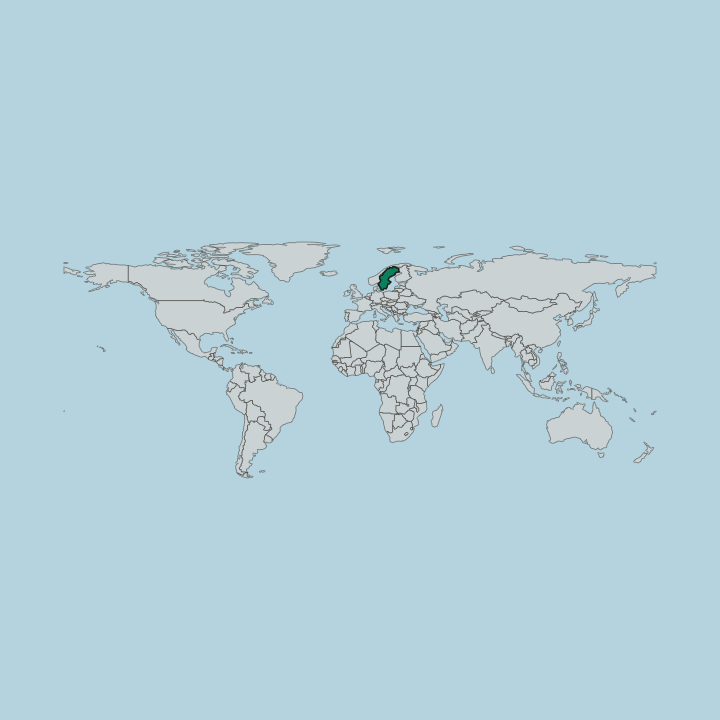
Tibro is a small furniture-making town in the north-eastern part of Västra Götaland County, in central Sweden.
Hotel links are affiliate links: booking through them may earn us a commission, at no extra cost to you. It never affects how places are ranked. How this works


Where to stay in Tibro
The practical side of choosing where to sleep.
Tibro is small, so most beds sit in or near the centre. The compact town core, gathered around the church and the main shopping street, puts you within an easy walk of the cafés, the craft workshops, and the bus stops. It suits anyone passing through Skaraborg who wants a practical overnight rather than a resort.
Choice here is limited. A handful of guesthouses and a town hotel cover most needs, and rooms tend to be plain, clean, and well priced rather than grand. Beyond the centre, the lanes thin out into villa quarters and then into open country.
Out toward Kyrkefalla and the lakes, a scattering of farm stays and cabins offers a calmer base for cyclists and anglers, though you will want a car. Reserve well ahead through the summer weeks. Beds are few, and a single event in town can fill them fast across the whole municipality.
Find hotels in Tibro
Direct booking searches for these neighbourhoods.
Town centre
walking distance to shops, cafés and the church. Beds are limited here, so book early.Find hotels in Town centrecyclists and anglersKyrkefalla and the lakes
quiet farm stays and cabins in open country. Few places to stay nearby — book ahead.Find hotels in Kyrkefalla and the lakesHotel links are affiliate links: booking through them may earn us a commission, at no extra cost to you. It never affects how places are ranked. How this works
About Tibro
Furniture made Tibro.
What is Tibro known for?
For more than a century the town has been a centre of Swedish cabinetmaking and interior craft, and its workshops once supplied joinery to homes and institutions across the country. Wood remains the local trade. Högåskyrkan and the older Kyrkefalla kyrka anchor the parish, while the surrounding Skaraborg countryside frames the town with forest, farmland, and quiet lake roads that draw weekend cyclists out from the centre.
The craft schools keep the tradition alive.
What are the main landmarks in Tibro?
Two churches mark the town. Högåskyrkan serves the modern centre, a plain twentieth-century parish church set among the streets where most of Tibro now lives and works. Kyrkefalla kyrka, older and standing apart in its churchyard, recalls the rural parish that came before the furniture trade.
The real draw is the craft itself, and visitors come to tour the workshops and interior-design studios that gave the town its name across the Swedish furniture industry. Watch the makers at work.
What is the history of Tibro?
Tibro grew up around craft rather than crown. The old parish of Kyrkefalla farmed the land here for centuries, its life turning on the church and the seasons long before any town took shape. A railway line reached the parish.
With it came workshops, and a cluster of joiners and cabinetmakers slowly turned a quiet farming district into one of Sweden's foremost furniture towns. That trade shaped everything after. Family firms multiplied along the new streets, drawing workers from the countryside and tying the town's fortunes to wood, glue, and skilled hands.
Schools opened to teach the craft. The municipality that bears the name gathers the old parishes around that industrial core, and Tibro still introduces itself, first and last, as a place that makes things.
Where is Tibro?
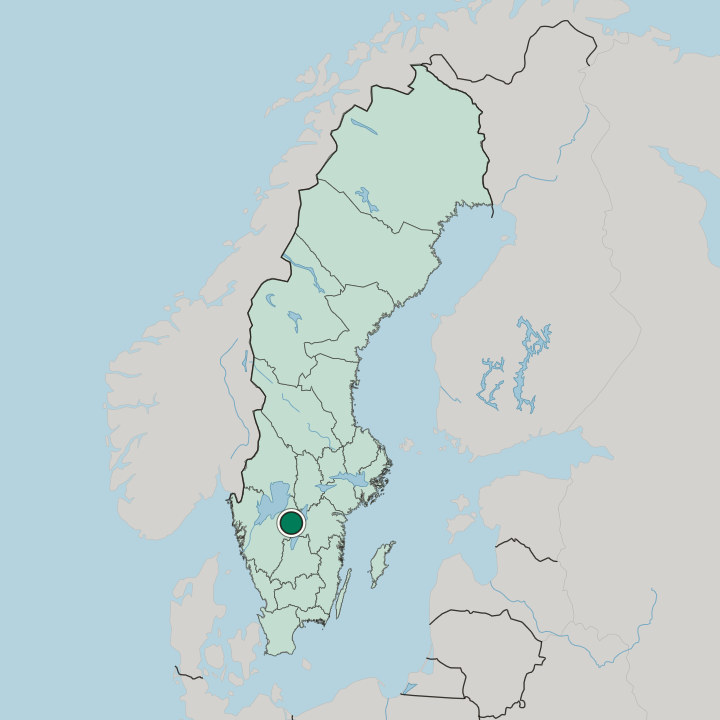
Tibro sits in the north-eastern part of Västra Götaland County, on the Skaraborg plain in central Sweden. Forest and farmland press in close on every side, and the land rolls gently between small lakes that feed the streams running down toward the great Vänern and Vättern basins to the west and east. Lake Örlen lies nearby.
The town itself spreads low and compact across a shallow rise, with little to break the flat horizon beyond the treeline. It is quiet country.
What is the climate of Tibro?
Tibro has a humid continental climate typical of inland central Sweden. Winters run long and cold, with snow lying over the surrounding forest from December well into early spring. Summers are mild and green, and the long bright evenings of June stretch on so late that the countryside around the town stays light far past the hour most southern places have gone dark.
Rain falls year round. Autumn arrives grey and damp before the first hard frosts.
How do you get to Tibro?
Tibro lies on a branch line in the Skaraborg district, with rail and bus links running out to the larger hubs of Skövde and Skara. Skövde, on the main Stockholm-Göteborg trunk railway, is the usual gateway, and from there regional services and local buses carry on the short distance to the town. Drivers come by county roads.
The nearest motorway and the bigger airports both sit well to the west toward Göteborg, so most visitors arrive overland. A car helps once you are here.
Common questions
What is the best area to stay in Tibro?
Town centre: first-timers. Kyrkefalla and the lakes: cyclists and anglers.
Good for
More cities in Västra Götaland County
Updated September 2026