Sweden · Västra Götaland County
Where to Stay in Tidaholm, Västra Götaland County
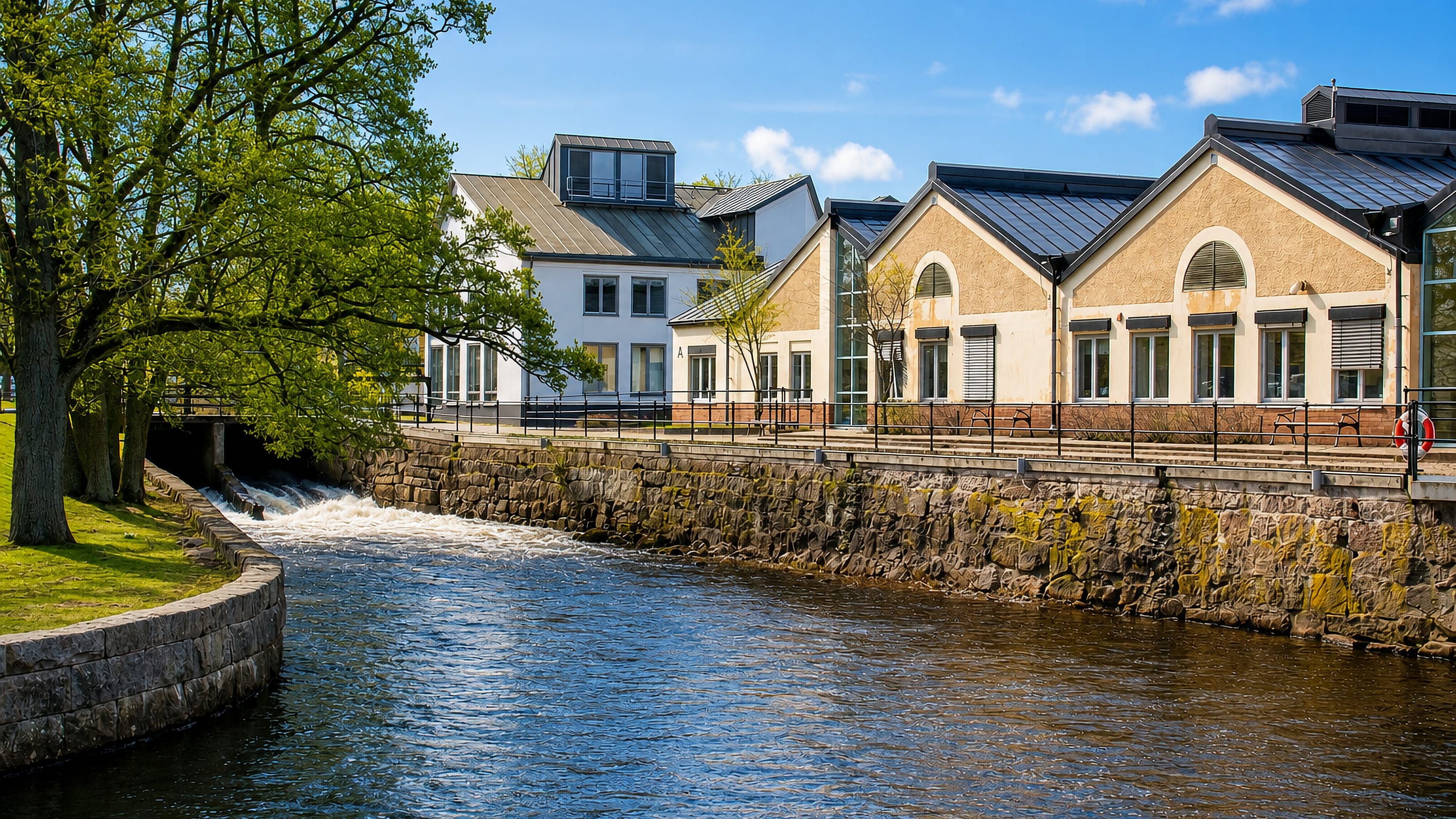
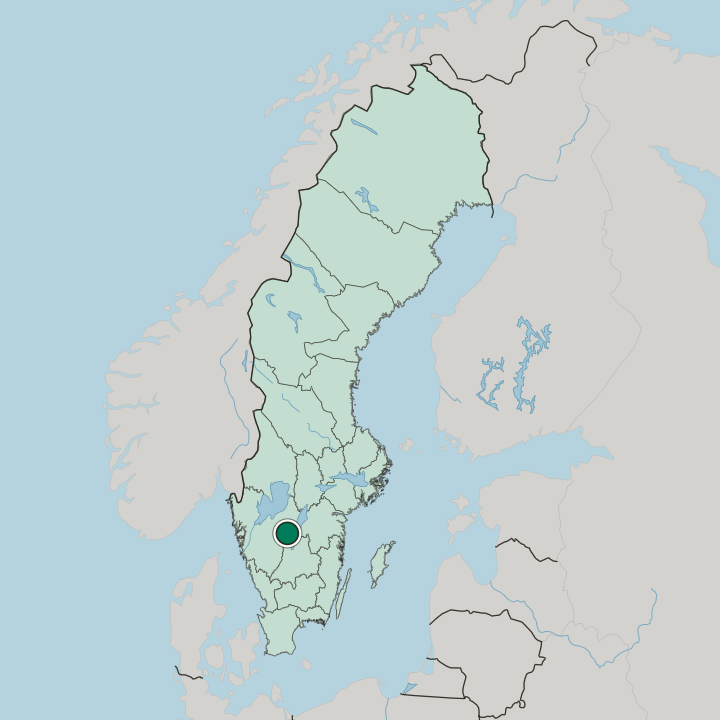
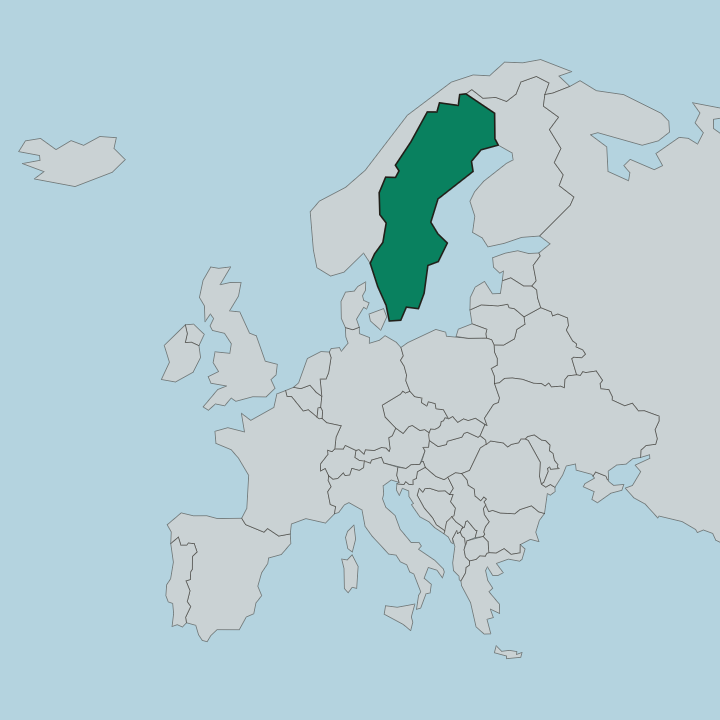
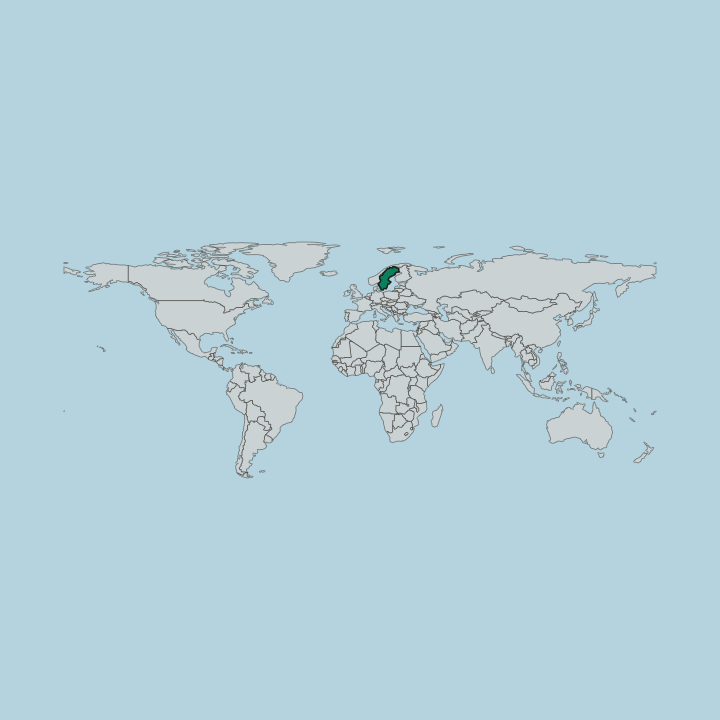
Tidaholm is a small riverside town in the eastern part of Västra Götaland County, on the Tidan in central Sweden.
Hotel links are affiliate links: booking through them may earn us a commission, at no extra cost to you. It never affects how places are ranked. How this works


Where to stay in Tidaholm
Where visitors usually base themselves, and why.
Tidaholm is compact, so most lodging clusters in or near the centre. The old town core, set along the Tidan around the church and the main square, keeps you within a short walk of the shops, the cafés, and the riverside paths. It suits travellers who want a calm overnight in Skaraborg rather than a busy resort base.
Choice is modest. A town hotel and a few guesthouses cover the centre, and the rooms tend to be simple, comfortable, and fairly priced. Further out, the streets give way to villa quarters and then to open farmland.
Toward Baltaks and the lakes beyond, scattered farm stays and cabins offer a quieter base for cyclists and anglers, though a car becomes essential out there. Plan ahead for summer. Beds are scarce, and a single festival or works reunion can take up most of what the town has to offer.
Find hotels in Tidaholm
Direct booking searches for these neighbourhoods.
Old town centre
riverside walks, shops and the church within a few minutes. Few places to stay nearby — book ahead.Find hotels in Old town centrecyclists and anglersBaltak and the lakes
quiet farm stays and cabins out in open country. Few places to stay nearby — book ahead.Find hotels in Baltak and the lakesHotel links are affiliate links: booking through them may earn us a commission, at no extra cost to you. It never affects how places are ranked. How this works
About Tidaholm
Industry shaped Tidaholm.
What is Tidaholm known for?
The town grew around the old Vulcan match factory and a wagon works that once built carriages and early motor lorries, giving this quiet corner of Skaraborg an outsized industrial past. Matches put it on the map. Tidaholms kyrka rises over the centre, the country roads run out to the rural Baltaks kyrka, and the Tidan threads through the town in slow green water that still turns the memory of mills and workshops along its banks.
The legacy lingers everywhere.
What are the main landmarks in Tidaholm?
Tidaholms kyrka stands at the heart of the town. Its tower marks the centre, and the streets around it still carry the brick and timber stamp of the industrial age that built modern Tidaholm. Out in the countryside, the older Baltaks kyrka keeps watch over a rural parish far quieter than the town.
The strongest pull comes from the industrial heritage itself, and the old Vulcan match works and the wagon factory have left a townscape of warehouses, sheds, and worker housing worth a slow afternoon on foot. Walk the riverbank too.
What is the history of Tidaholm?
Tidaholm rose on industry, not on a royal charter. The estate of Tidaholm long held the land along the Tidan, and the modern town took shape only when factories came to the river in the nineteenth century. A match works was founded here.
Around it grew a wagon factory, and the two together pulled workers from the surrounding farms and turned a manorial district into a busy industrial settlement. Growth followed the machines. Matches and carriages carried the name far beyond Skaraborg, and the firms built housing, schools, and a townscape to match their ambitions.
Town rights came in the early twentieth century. The match industry has since faded, yet its red-brick buildings and worker rows still define the streets, and Tidaholm remembers itself as a town that the factories made.
Where is Tidaholm?
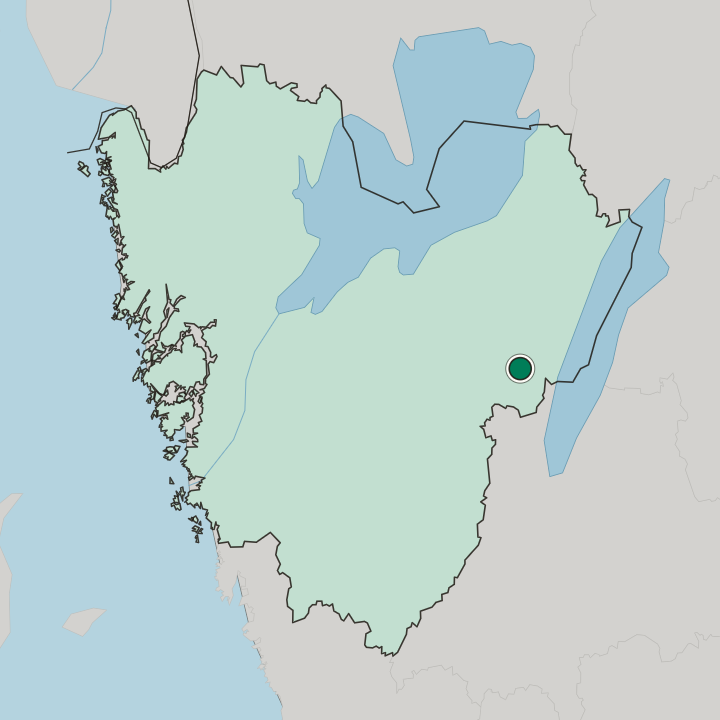
Tidaholm lies in the eastern part of Västra Götaland County, on the Skaraborg plain in central Sweden. The Tidan winds north through the town toward Lake Vättern's catchment, and on either bank the land flattens into the broad farmed lowland that fills much of the district. Forest closes the horizon.
Low hills and shallow lakes break the country to the south, where the streams gather among woods and fields before drifting down to join the river. It is gentle, open land.
What is the climate of Tidaholm?
Tidaholm has a humid continental climate, shaped by its inland position in central Sweden. Winters are long and cold, with snow lying over the river valley and the surrounding fields from December into the early spring. Summers stay mild and green.
Around midsummer the slow northern dusk keeps the country light so late into the evening that real darkness barely settles over the town at all. No part of the year here is truly dry. Autumn turns wet and grey before the first frosts.
How do you get to Tidaholm?
Tidaholm has no passenger railway of its own and is reached mainly by road. Buses link it to Skövde and Jönköping, the nearest larger towns with full rail connections, and from Skövde the main Stockholm-Göteborg line carries on across the country. With no station of its own, most visitors arrive by car.
County roads run in from every direction across the Skaraborg plain, the trip from the bigger centres takes well under an hour, and the airports lie far off toward Göteborg and Stockholm. A car is the simplest way here.
Common questions
What is the best area to stay in Tidaholm?
Old town centre: first-timers. Baltak and the lakes: cyclists and anglers.
Good for
More cities in Västra Götaland County
Updated September 2026