Sweden · Västra Götaland County
Where to Stay in Tranemo, Västra Götaland County
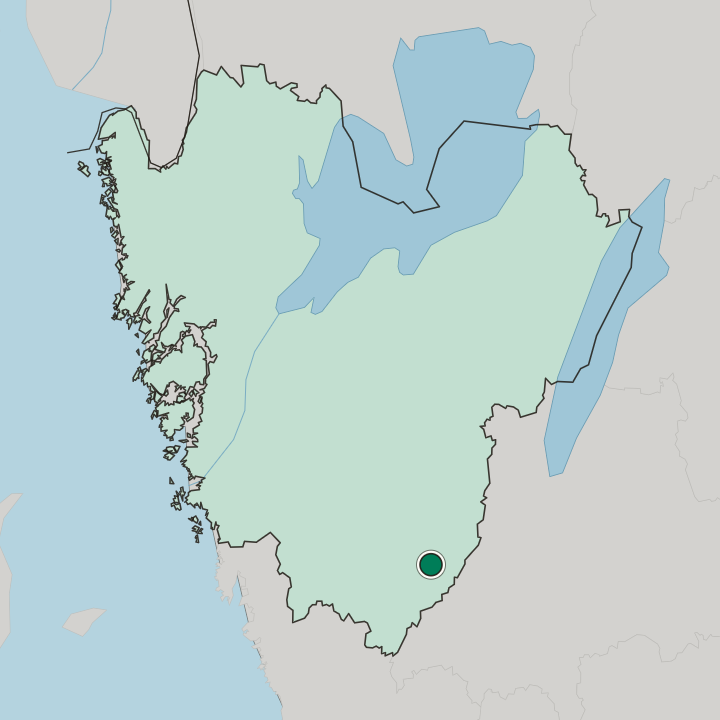
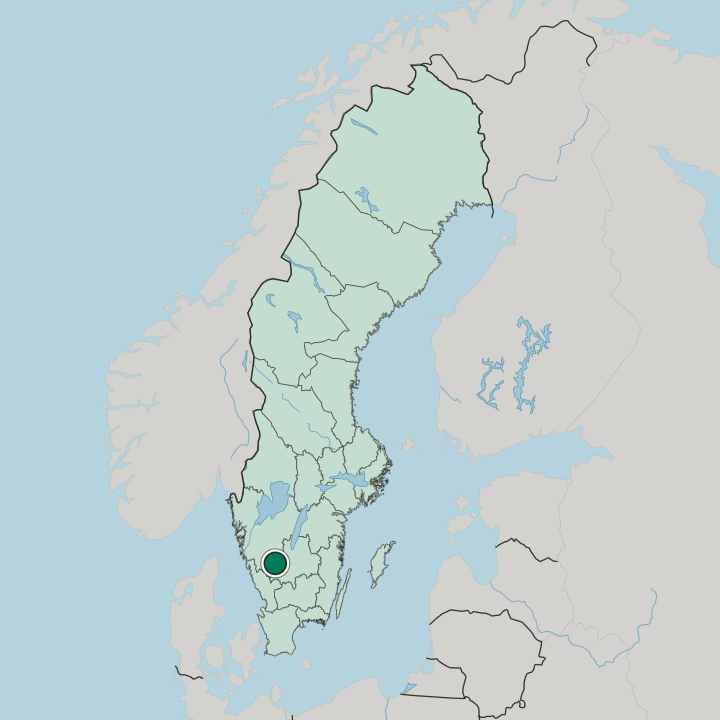
Tranemo is a small forest-country town in the south-eastern part of Västra Götaland County, in south-western Sweden.
Hotel links are affiliate links: booking through them may earn us a commission, at no extra cost to you. It never affects how places are ranked. How this works


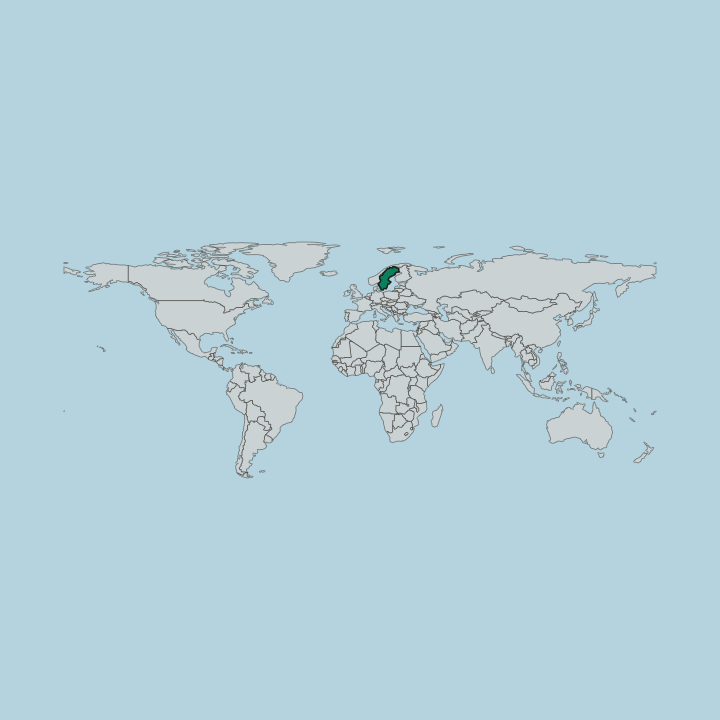
Where to stay in Tranemo
The practical side of choosing where to sleep.
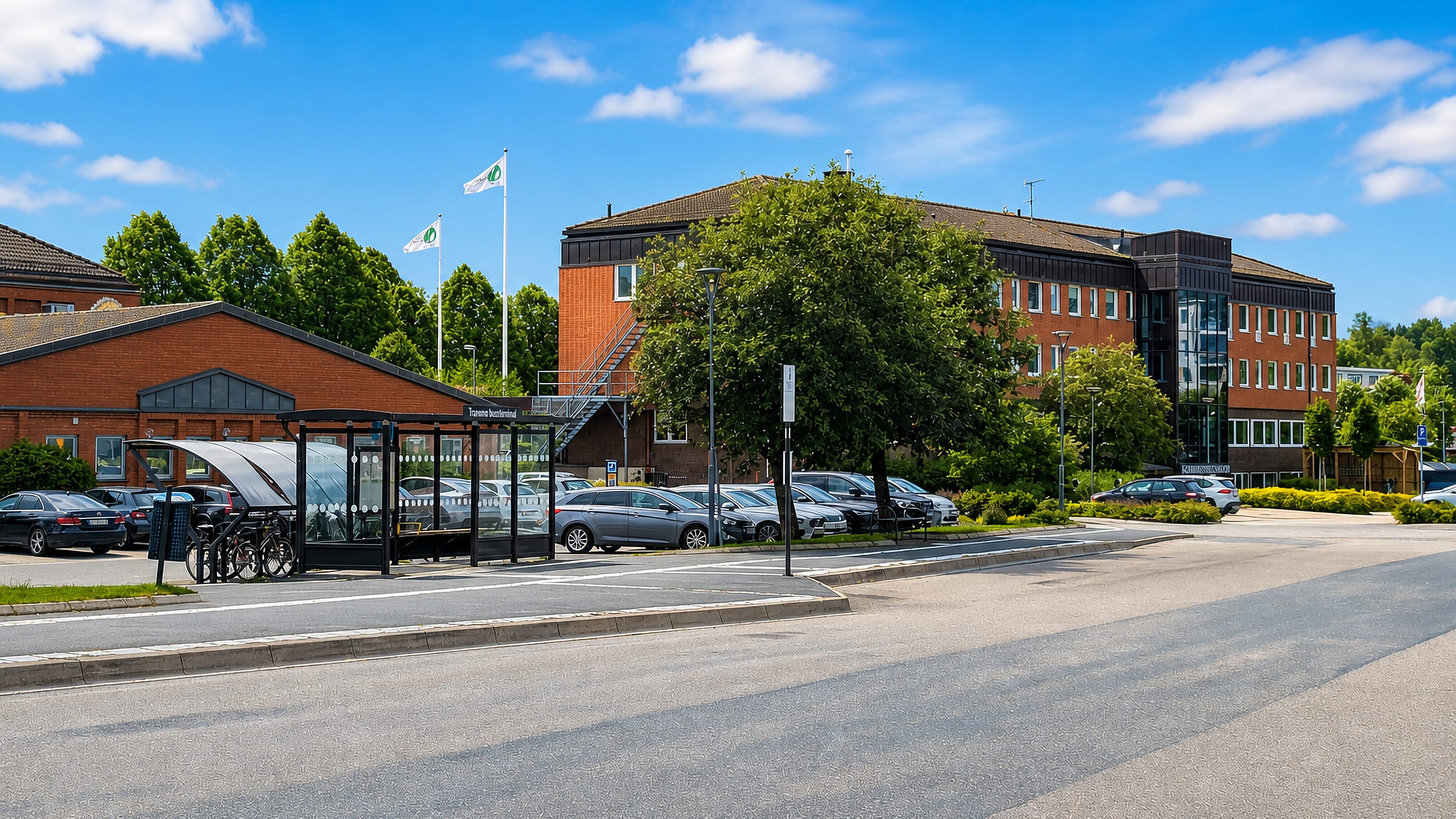
Tranemo is small, so beds gather in or close to the centre. The compact town core, set around the church and the railway, keeps the shops, the cafés, and the station within an easy walk. It suits travellers crossing the Sjuhärad uplands who want a calm overnight rather than a resort.
Lodging is limited here. A small hotel and a few guesthouses serve the centre, and rooms run plain, clean, and modestly priced. Beyond the streets, the country opens into forest and lake.
Out toward the surrounding lakes and woods, a scattering of cabins, campsites, and farm stays gives anglers and hikers a quieter base close to the water, though a car makes the difference once you leave town. Summer bookings need to go in early. Beds are few, and a single sport event or fishing weekend can fill what little the town holds.
Find hotels in Tranemo
Direct booking searches for these neighbourhoods.
Town centre
station, shops and church within a short walk. Rooms are few around here — worth securing early.Find hotels in Town centreanglers and hikersLakes and forest
cabins, campsites and farm stays near the water. Beds are limited here, so book early.Find hotels in Lakes and forestHotel links are affiliate links: booking through them may earn us a commission, at no extra cost to you. It never affects how places are ranked. How this works
About Tranemo
Tranemo is forest and small industry.
What is Tranemo known for?
The town sits deep in the wooded uplands of southern Västergötland, a district of textile mills, workshops, and timber that long supplied the surrounding region. Lakes and woods ring the centre. Tranemo kyrka marks the heart of the town, while trails, fishing waters, and quiet gravel roads draw walkers and cyclists out into the Sjuhärad countryside that gives this corner of Sweden its name.
Outdoor life sets the pace.
What are the main landmarks in Tranemo?
Tranemo kyrka anchors the town. Its tower marks the centre, and the streets around it carry the plain, practical stamp of a twentieth-century industrial settlement rather than any grand old core. The real draw lies outside, in the lakes and forests of the Sjuhärad uplands, where marked trails, swimming spots, and fishing waters spread out from the edge of the built-up area and pull visitors into the woods within minutes of the last street.
Bring boots. The countryside is the attraction here.
What is the history of Tranemo?
Tranemo grew from a forest parish into an industrial town. For centuries this was thin, wooded farming country, its scattered crofts turning on the church and the seasons in one of the poorer corners of Västergötland. Then the railway came.
With the line came mills and workshops, and a quiet rural parish slowly drew the textile and timber trades that would define its working life. That industry made the modern town. Factories and family firms pulled people in from the surrounding forest farms, building streets, schools, and a centre where none had stood before.
The wider municipality gathers the old parishes around that core. Tranemo still leans on craft and small manufacturing, and the woods that once kept it poor now bring walkers, anglers, and a slow tourist trade instead.
Where is Tranemo?
Tranemo sits in the south-eastern part of Västra Götaland County, in the forested Sjuhärad uplands of south-western Sweden. Lakes, bogs, and dense woodland fill the country on every side, and the land rolls in low ridges across one of the more thickly wooded districts of southern Sweden. Streams run between the lakes.
The town spreads along a valley among the trees, with forest pressing close to the last houses and the open water never far from the centre. It is deep woodland country.
What is the climate of Tranemo?
Tranemo has a cool, damp climate shaped by its inland forest setting in south-western Sweden. Winters are cold and often snowy, with the woods and lakes around the town frozen and white from December into March. Summers stay mild and green, and the long bright evenings of the season keep the forest light far into the night, drawing walkers and anglers out to the lakes well after most southern places have gone dark.
Rain comes often to the forest. Autumn turns wet and grey before the frosts.
How do you get to Tranemo?
Tranemo lies on the railway between Borås and Värnamo, with trains stopping in the town. The line links it to Borås and on toward Göteborg in one direction and to the smålandic interior in the other, while regional buses fill in the gaps across the Sjuhärad district. Many visitors drive.
County roads thread in through the forest from every side, the larger centres lie within an hour or so by car, and the nearest big airports sit far off toward Göteborg. The train is the easy option.
Common questions
What is the best area to stay in Tranemo?
Town centre: first-timers. Lakes and forest: anglers and hikers.
Good for
More cities in Västra Götaland County
Updated September 2026