Sweden · Västra Götaland County
Where to Stay in Ulricehamn, Västra Götaland County
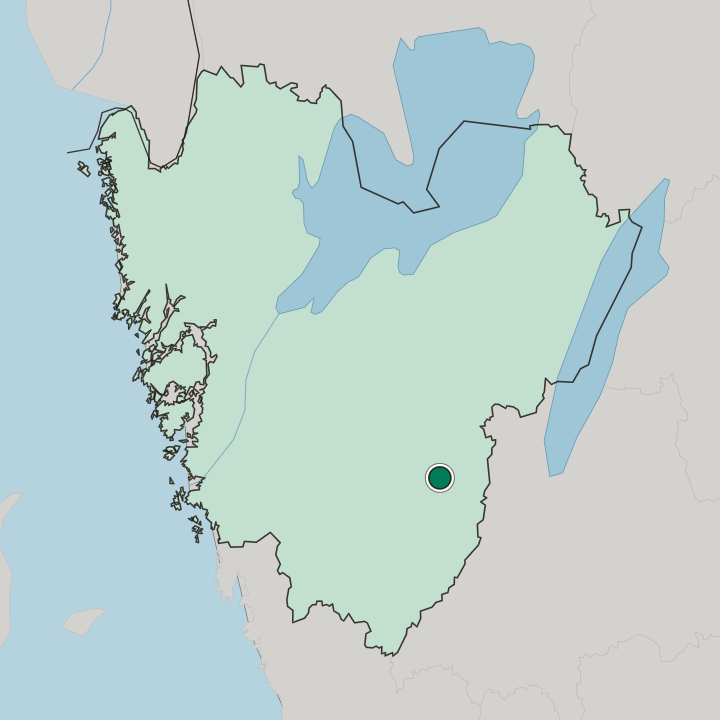
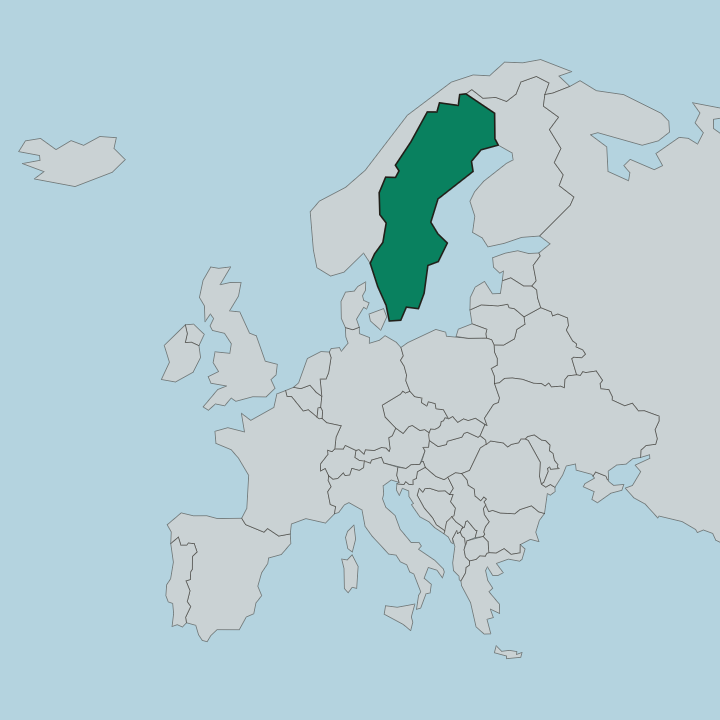
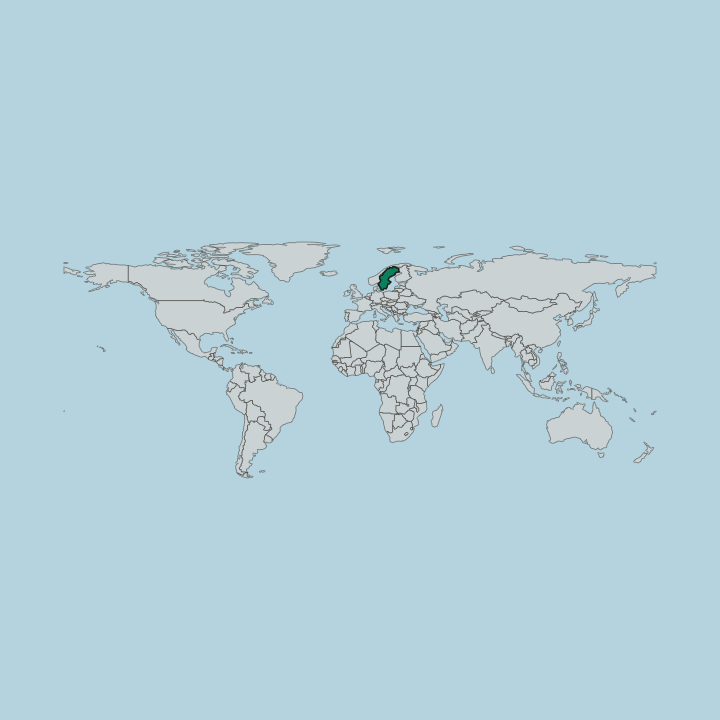
Ulricehamn is a lakeside town in the south-eastern part of Västra Götaland County, set on the northern shore of Lake Åsunden in south-western Sweden.
Hotel links are affiliate links: booking through them may earn us a commission, at no extra cost to you. It never affects how places are ranked. How this works


Where to stay in Ulricehamn
Where visitors usually base themselves, and why.
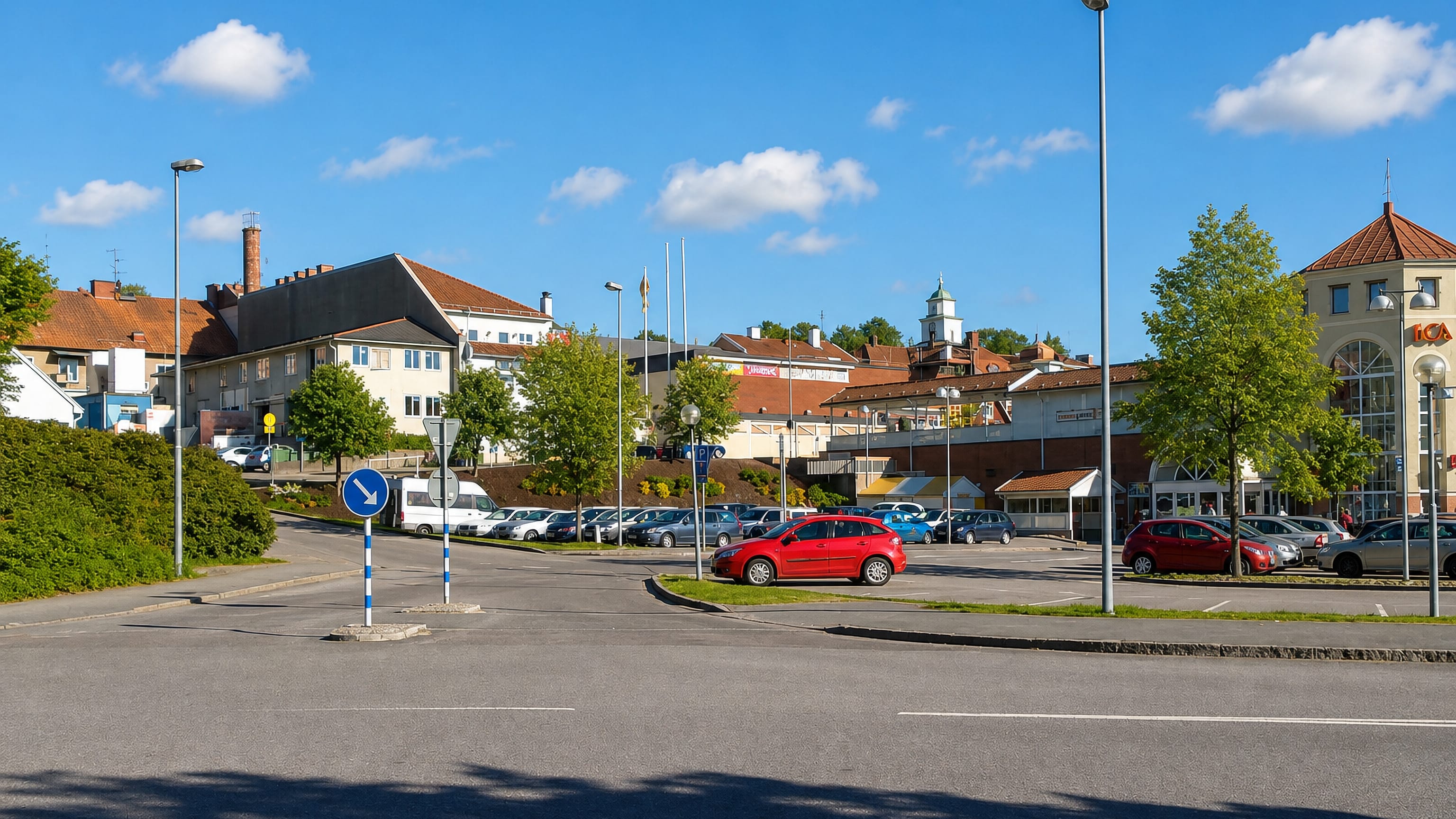
Most visitors stay in the town centre, the compact grid of streets that runs down from the church toward the lake and keeps shops, cafes, and the harbour within an easy walk. Those arriving without a car will manage well here. Rooms here range from a long-standing town hotel to guesthouses and rented apartments, and they fill fast when a World Cup weekend or a summer festival pulls crowds to the shore.
The lakeside and slopes offer the other base for anyone chasing sport or quiet water. Lodging around Lassalyckan and along the Åsunden shore leans toward resort rooms, cabins, and self-catering stuga rentals, a calm setting for families and for skiers who want the trails at the door through the winter season. Beds turn scarce on race weekends.
For drivers, the practical choices sit out near Route 40, handy for touring the wider Västergötland lakes and forests. Book early for the ski calendar. The town quietens between seasons.
Find hotels in Ulricehamn
Direct booking searches for these neighbourhoods.
Town centre
church, shops and harbour within a short walk. Lodging is scarce in this area; reserve in advance.Find hotels in Town centreskiers and familiesLakeside and Lassalyckan
resort rooms and cabins near the slopes and the Åsunden shore. Beds are limited here, so book early.Find hotels in Lakeside and LassalyckandriversRoute 40 corridor
practical rooms with quick access to the wider lakelandFind hotels in Route 40 corridorHotel links are affiliate links: booking through them may earn us a commission, at no extra cost to you. It never affects how places are ranked. How this works
Things to do in Ulricehamn
Ranked by global recognition; descriptions from Wikidata (CC0).
Museums & Galleries
1- Ulricehamns konst- och östasiatiska museum
Churches & Religious Sites
3- Ulricehamn Church Heritage
- Vists kyrka Heritage
- Brunns kyrka Heritage
Castles & Historic Sites
1- Vist Castle Heritage
worth knowingacross 3 categories in Ulricehamn
About Ulricehamn
Ulricehamn is known for snow.
What is Ulricehamn known for?
The slopes at Lassalyckan have hosted cross-country World Cup racing, drawing skiers and crowds to this small Västergötland town each winter, and the trails draw runners and cyclists once the snow clears. The lake defines the rest of the year. Ulricehamns kyrka anchors the old centre, while the shore of Åsunden gives the town its swimming beaches, its boats, and its long summer evenings by the water.
What are the main landmarks in Ulricehamn?
Ulricehamns kyrka is the town's main landmark, a parish church standing in the old centre above the lake. The slopes are the other draw. Lassalyckan rises just beyond the streets, its ski trails and arena alive with World Cup crowds in winter, while the shore of Åsunden carries the harbour, the beaches, and the lakeside promenade.
The Ulricehamns konst- och östasiatiska museum holds the town's art collection. Together these places give Ulricehamn its mix of sport, water, and quiet stone.
What is the history of Ulricehamn?
Ulricehamn carries a queen's name. The settlement by Lake Åsunden was an old market and church site known as Bogesund, a crossing point on the roads through Västergötland where traders and travellers had gathered since the Middle Ages. It grew slowly around the parish church and the lake trade.
In the early eighteenth century the town took a new name in honour of Queen Ulrika Eleonora, and Bogesund became Ulricehamn. The lake shaped its fortunes for centuries. Fishing, farming, and the road traffic that wound between the inland towns kept the place modest but steady, and the church on its rise stayed the heart of the community through generations of quiet provincial life.
Industry came late and stayed small. In the modern era the town found a fresh identity in winter sport, as the trails and slopes at Lassalyckan grew from local recreation into a World Cup venue that now brings international racing and crowds to a town that the wider world had long overlooked.
Where is Ulricehamn?
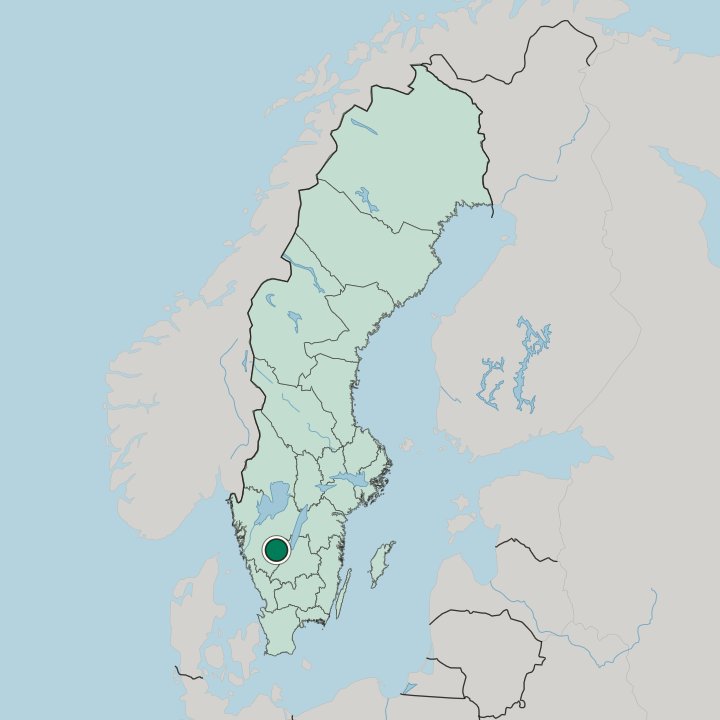
Ulricehamn lies in the south-eastern part of Västra Götaland County, set on the northern shore of Lake Åsunden among the wooded hills of Västergötland. The land rolls and rises. Forested ridges climb away from the long, narrow lake, and the town sits on the slope where the streets run down to the water, with farmland and pine spreading across the uplands beyond.
Smaller lakes scatter through the forest around it. This is inland southern Sweden, well east of the coast.
What is the climate of Ulricehamn?
Ulricehamn lies inland among the hills, and it stays cool. Far from the sea among the hills of Västergötland, the town sees cold, snowy winters that feed the ski trails at Lassalyckan, while summers turn mild and bright enough to warm the lake for swimming. Snow can linger on the slopes.
The forests hold the chill. Spring arrives gradually and autumn comes early, colouring the birch and pine of the surrounding ridges before the first hard frosts settle over Åsunden.
How do you get to Ulricehamn?
Ulricehamn sits on a main road. Route 40 runs past the town, carrying drivers between Göteborg and Jönköping and leaving a short turn down to the lakeside centre. Buses link the town to Borås and the wider regional network.
The nearest railway and the larger airports lie out toward Göteborg and Landvetter to the west. Most travellers arrive by car or bus, since the rail line bypasses the town and the roads thread easily through the Västergötland hills.
Common questions
What is the best area to stay in Ulricehamn?
Town centre: first-timers. Lakeside and Lassalyckan: skiers and families. Route 40 corridor: drivers.
Good for
More cities in Västra Götaland County
Updated October 2026