Turkey
Karaman, Turkey — Towns & Travel Guide
Karaman is a province of south-central Turkey built around a city with a medieval centre, a castle, and the legacy of the Karamanid Beylik.
Hotel links are affiliate links: booking through them may earn us a commission, at no extra cost to you. It never affects how places are ranked. How this works


Towns & cities in Karaman
One town here has its own guide — it links to where to stay.

 Turkey
Karaman
Karaman is an industrial city of Central Anatolia, Turkey, north of the Taurus Mountains, with a medieval centre and the Karaman Museum.Where to stay →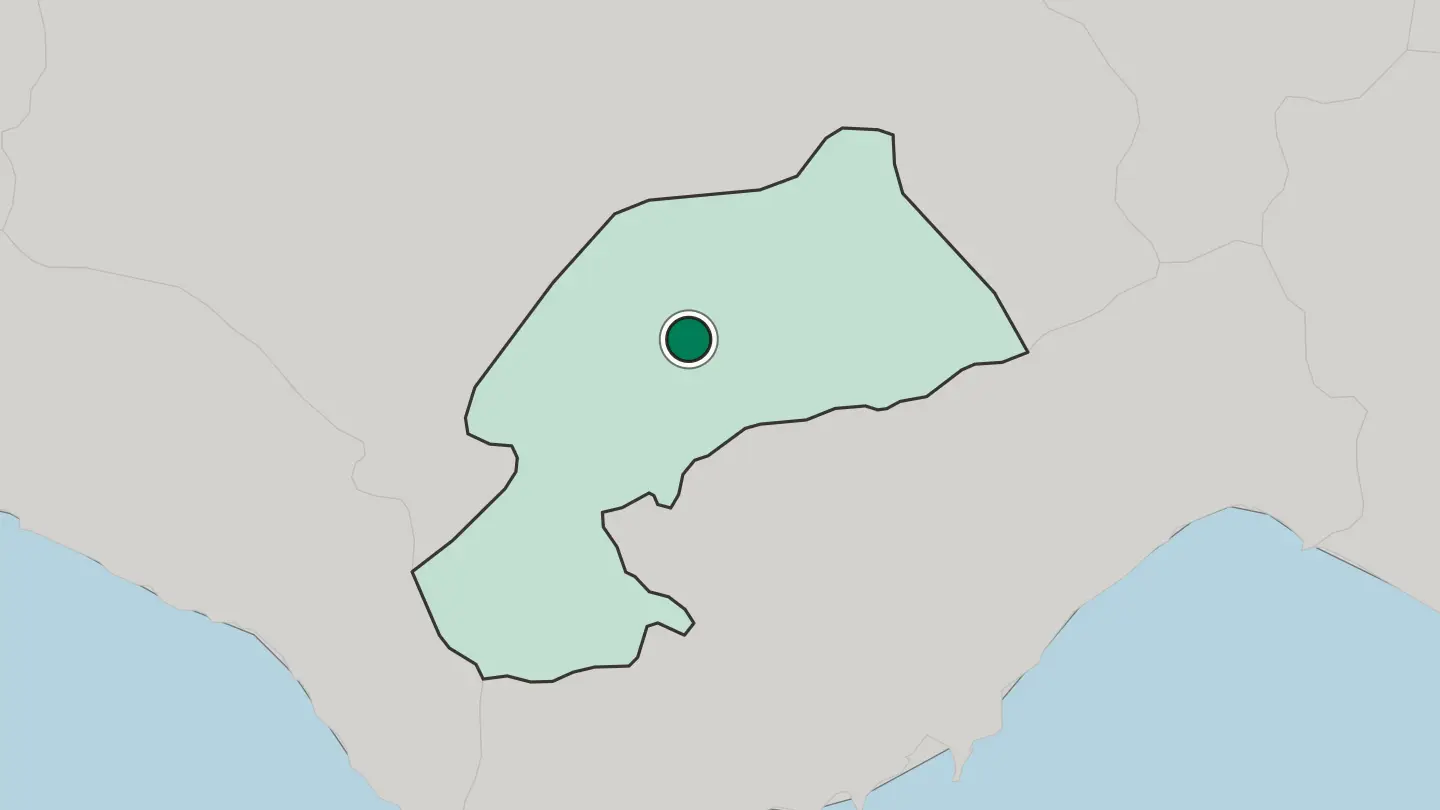
Hotel links are affiliate links: booking through them may earn us a commission, at no extra cost to you. It never affects how places are ranked. How this works
About Karaman
The Karamanid Beylik ended here in 1486.
What is Karaman known for?
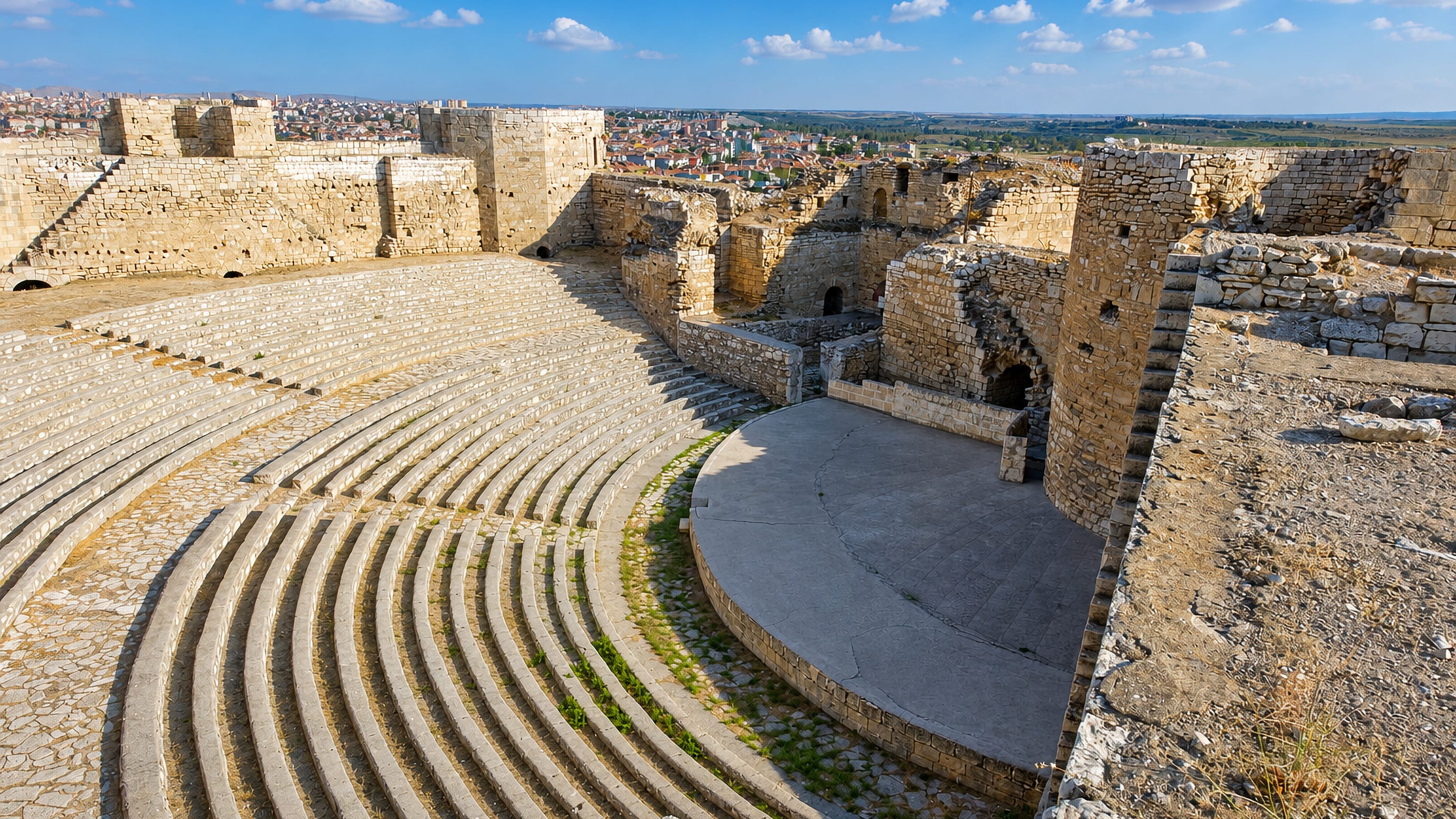
Its old seat is the capital of the province, an industrial city in Central Anatolia that keeps a medieval centre with a castle, several mosques, and a set of museums beside them. Travellers still pass through. Karaman sits on the overland routes toward Adana and on to Cyprus, which has long made it a stopover as much as a destination in its own right.
Where is Karaman?
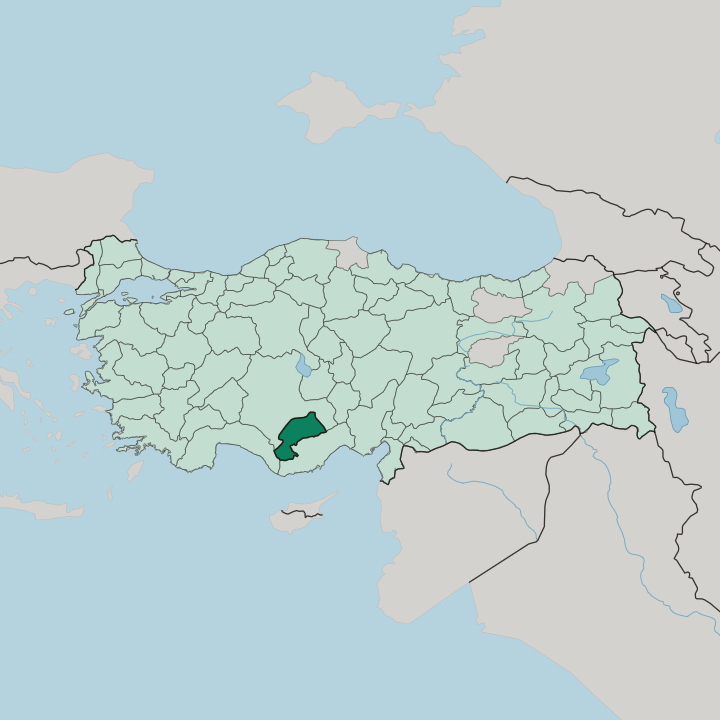
Karaman covers a broad stretch of south-central Turkey, an inland province of Central Anatolia set well back from any coast. Its land is wide and thinly settled, the capital holding most of what happens in the province and long runs of open country lying between the smaller places. Space is the first impression.
The province is large enough that crossing it is a proper drive, and the roads that do the crossing are the ones carrying traffic onward toward Adana and, past that, to Cyprus. The capital sits at the centre of the pattern. Karaman city gathers the castle, the mosques, and the museums into a compact medieval core, and the industrial quarters that grew up around it spread outward from that point rather than from any second town.
No other town comes close. Villages and open ground orient themselves to the one city by road, which gives the province a single focus and very little argument about where its centre lies. Long drives explain everything else.
The overland routes supply the outward geography, running through the province toward Adana and the crossings for Cyprus, so Karaman reads on a map as somewhere people travel across more readily than they travel into. Central Anatolia closes it in on every other side.
What is Karaman like?
The Karamanid Beylik gives the province its name and its oldest thread. That state came to an end in 1486, and what it left behind sits in the capital, in a medieval centre, a castle, mosques, and the museums that keep the record of the period. History here is concentrated rather than spread.
Karaman holds its past in a handful of streets instead of across the whole province, which makes the old core an unusually efficient place to read several centuries in an afternoon. Industry runs alongside it. The capital is a working city, and daily life belongs to that as much as to the medieval quarter a few streets away, a combination common across Central Anatolia and easy for a passing traveller to miss.
Turkish is the language throughout. What the province has is the culture of the interior, formed in a city that manufactures and in a countryside thin enough that its villages keep their own pace. Visitors come for the old centre.
The castle and the mosques are the reason to stop, and the museums beside them explain the Karamanid period better than anything else in the province can. Most stays are short. Karaman repays a half day of walking more than a week of it, and the roads onward toward Adana and Cyprus are what brings many people past in the first place.
What is the history of Karaman?
The Karamanid Beylik ran its affairs from here until 1486. That ending closed the beylik's own chapter, and the capital of the province still carries the physical record of it in a castle, in several mosques, and in a medieval centre that was never rebuilt away. The name outlasted the state.
Karaman carries it on the province, on the city, and on the museums that hold what survives from the beylik's period in south-central Turkey.
What is the climate of Karaman?
The interior of Central Anatolia governs the weather in Karaman. No coast falls inside the province, and the overland route toward Cyprus leaves it far behind before it ever reaches water, so the seasons here follow an inland pattern rather than anything softened by a sea. Extremes are the norm.
The distance between the hot and the cold halves of the year is the thing to plan a visit to south-central Turkey around, and the medieval centre of the capital is small enough to walk in either one.
How do you get to Karaman?
Karaman sits on the overland routes, which is how most people arrive. The roads toward Adana and onward to Cyprus pass through the province, and traffic not stopping in the capital is usually working its way along one of them. Arrivals come mostly by road.
Anyone travelling from elsewhere in Central Anatolia crosses open country to get here, and the capital is where those roads gather before carrying on out of the province again.
Common questions
What is the best area to stay in Karaman?
Karaman's medieval centre: walking between the castle, the mosques, and the museums from one address. Beyond the capital: seeing the open country of the province instead of its seat.
Good for
More regions in Turkey
Updated October 2026