Turkey
Bursa, Turkey — Towns & Travel Guide
Bursa is a province of northwestern Turkey, the first Ottoman capital, spread below Mount Uludağ near the southern shore of the Sea of Marmara.
Hotel links are affiliate links: booking through them may earn us a commission, at no extra cost to you. It never affects how places are ranked. How this works


Towns & cities in Bursa
Pick a town or city — each links to where to stay.
 Turkey
Bursa
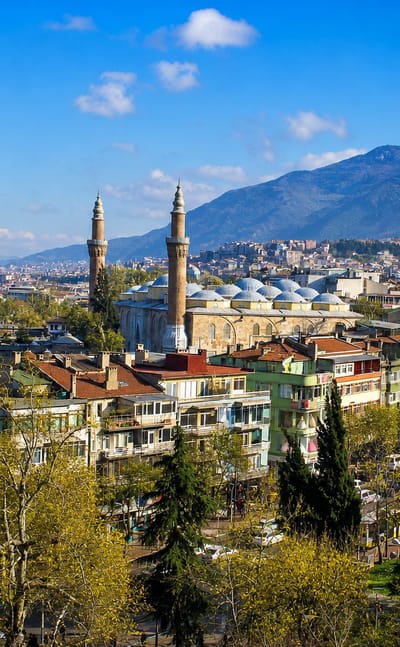
Silk once moved through Bursa, a city in northwestern Turkey below Mount Uludağ, known as the first Ottoman capital and a stop on the Silk Road.Where to stay →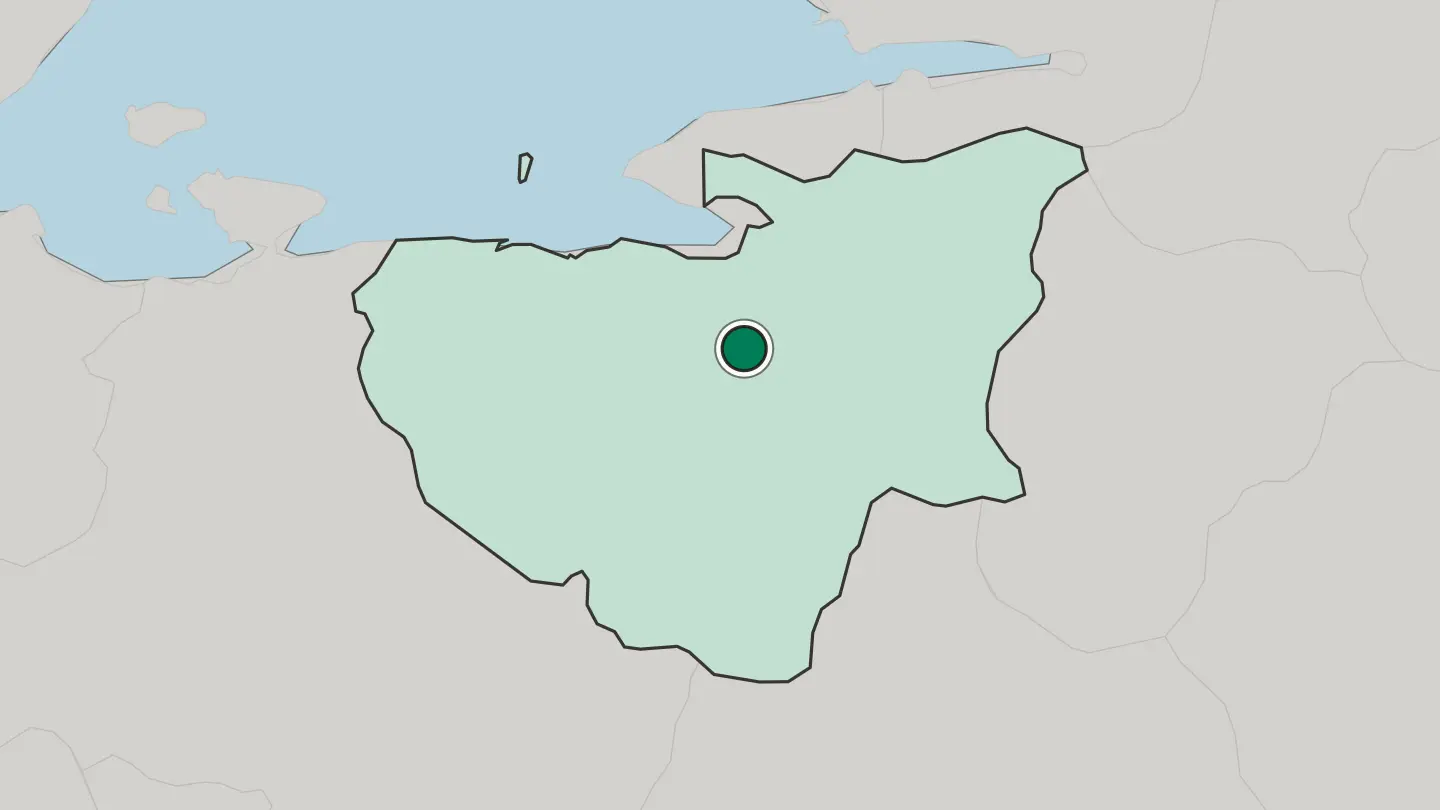
 Turkey
İnegol
İnegöl is a furniture-making town of Bursa Province in the Eastern Marmara region, drawing visitors out to the Oylat Thermal Springs.Where to stay →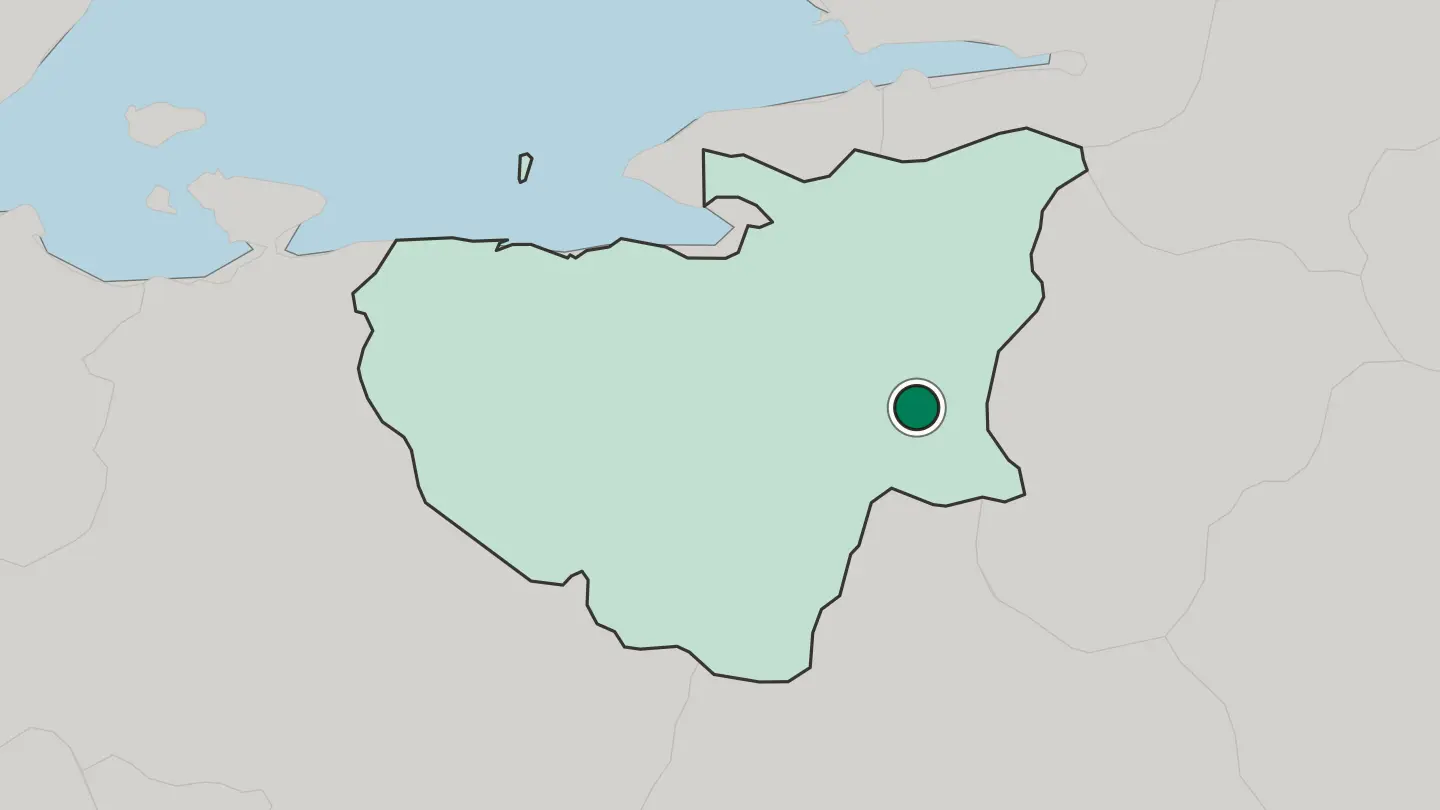 Turkey
Mustafakemalpaşa
The Mustafakemalpaşa River runs through Mustafakemalpaşa, a municipality and district of Bursa Province holding Miletopolis in its older record.Where to stay →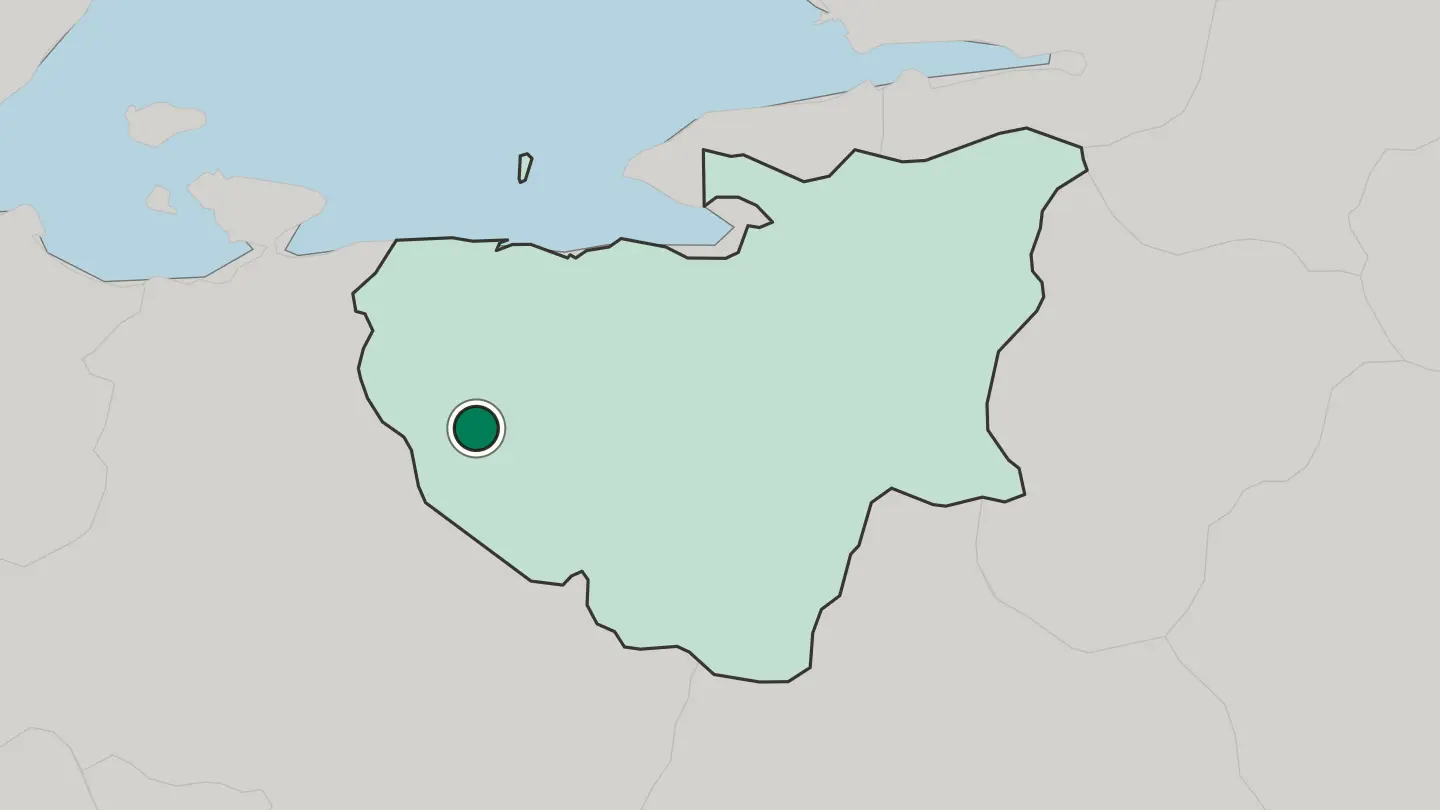
 Turkey
Gemlik
Gemlik is a commercial port at the eastern end of the Gulf of Gemlik in Bursa Province, on the ground of the ancient Greek town of Cius.Where to stay →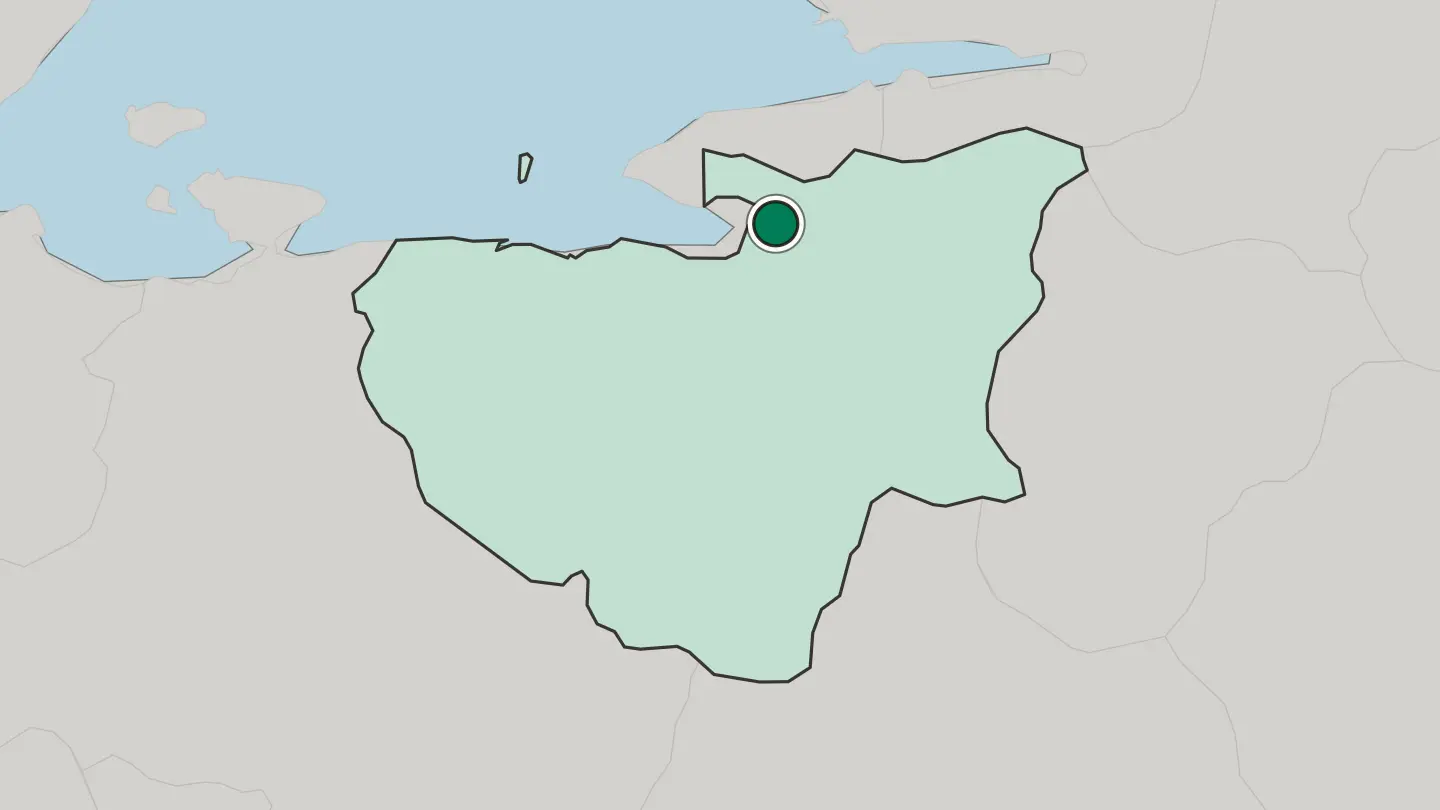
Hotel links are affiliate links: booking through them may earn us a commission, at no extra cost to you. It never affects how places are ranked. How this works
About Bursa
Bursa is the first Ottoman capital.
What is Bursa known for?
The province pairs that Ottoman heritage with Mount Uludağ, the highest peak of the Marmara Region, whose upper slopes hold Turkey's best-known ski resort within sight of the city below. Its kitchens gave the country İskender kebab, thin döner over bread under tomato and browned butter. Silk built its fortune.
Merchants once traded Chinese and Anatolian silk through the domed Koza Han beside the Grand Mosque of Bursa, and the thermal springs of Çekirge drew bathers long before that. Locals call it Yeşil Bursa, green Bursa.
Where is Bursa?
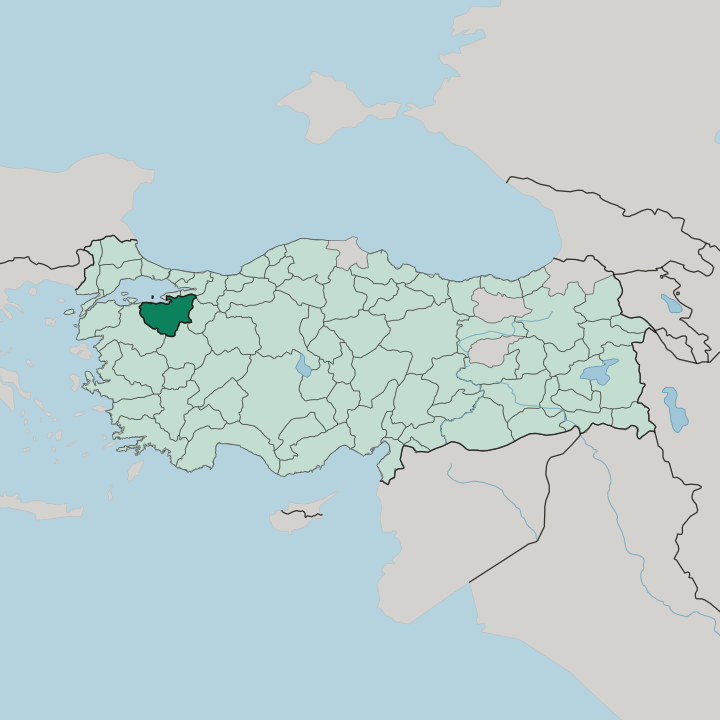
Bursa lies in northwestern Turkey. The province stretches south from the Sea of Marmara into the uplands of northwestern Anatolia, with the bulk of Mount Uludağ, the highest summit of the Marmara Region, filling its southern half. The city itself climbs the mountain's northwestern slopes above the Nilüfer plain.
Snow caps the summit for much of the year. Balıkesir borders it to the west and Kütahya to the south. Bilecik and Sakarya sit to the east, Kocaeli to the northeast, and the small province of Yalova to the north.
Two coastlines edge the north. Mudanya and the olive port of Gemlik open onto the Sea of Marmara, while the ferry crossing from Istanbul lands on that same shore. Eastward, the water of Lake İznik laps the walls of İznik, the ancient Nicaea.
The Nilüfer Brook drains the plains west of the city. Fertile lowlands spread across Karacabey and Mustafakemalpaşa, while İnegöl anchors the southeast. Peaches, chestnuts, and dairy come off that farmland.
Four southern districts fall outside Marmara altogether. Büyükorhan, Harmancık, Keles, and Orhaneli belong instead to the Aegean Region beyond the watershed of Uludağ.
What is Bursa like?
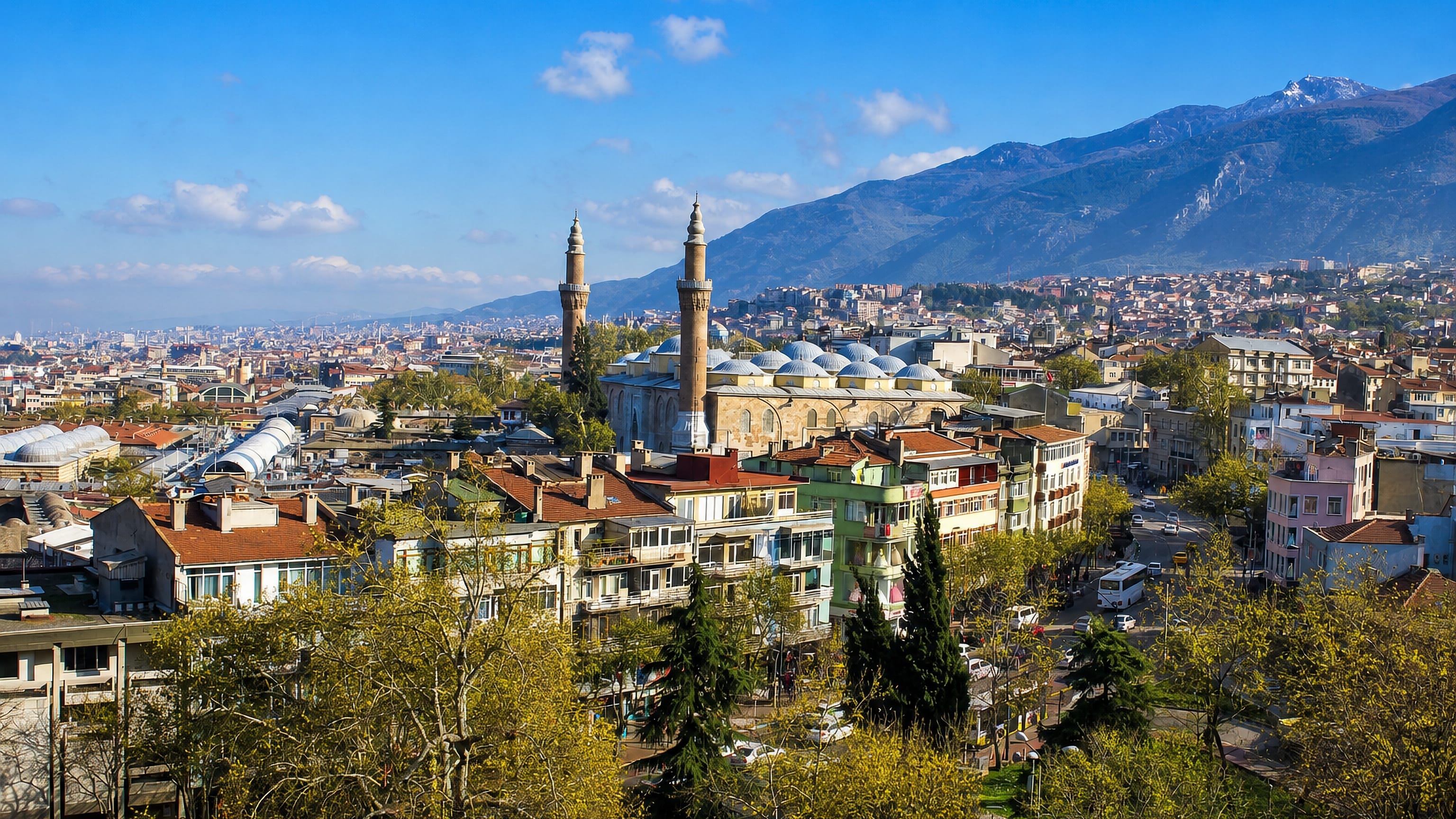
Bursa reads as an open-air Ottoman museum. The twenty-domed Grand Mosque of Bursa stands at the heart of the old city, its walls covered in monumental calligraphy, a short walk from the tiled Green Mosque and the turquoise Green Tomb. Silk still threads the culture.
Cocoon traders once filled the courtyard of the Koza Han, and the covered bazaars nearby sell towels, knives, and candied chestnuts under the same domes. İskender kebab and candied chestnut both claim the city as home. Two of its traditions carry UNESCO recognition. The shadow-puppet comedy of Karagöz and Hacivat is said to have been born here in the fourteenth century, and the Ottoman village of Cumalıkızık still keeps its cobbled lanes and painted timber houses on the mountain's lower slopes.
Bathhouses steam at Çekirge. The mineral springs there have drawn bathers since Roman and Byzantine times, and the Ottoman hammams of Eski Kaplıca still run over the old pools. A harder, working city sits beside all this.
Car plants around the Bursa outskirts make it one of Turkey's engines of industry, and Uludağ's ski runs pull crowds up the mountain each winter.
What is the history of Bursa?
Bursa began as Prusa. A Bithynian king founded the city on Uludağ's flank in the second century before the common era, and it passed in time to Rome and then Byzantium. Osman I laid siege, and his son Orhan took the city in 1326.
It became the first Ottoman capital. That role lasted until the court moved to Edirne in 1365, and Osman and Orhan were laid to rest in tombs the city still guards.
What is the climate of Bursa?
Bursa keeps two climates at once. The plains and the Marmara coast follow a transitional Mediterranean pattern, with warm dry summers and cool damp winters that send most of the rain across autumn and winter. Then there is the mountain.
Uludağ stands under snow for roughly half the year, long enough to run a full ski season while the orchards below are already flowering. Sea breezes soften the summers along the Marmara.
How do you get to Bursa?
Most travellers come from Istanbul. The quickest way skips the traffic entirely, crossing the Sea of Marmara by fast ferry to the port of Mudanya, from where the city lies a short drive inland. Drivers have another option.
The Osman Gazi Bridge over the Gulf of İzmit cut the road journey from Istanbul to little more than two hours. From the city, a cable car climbs Uludağ.
Common questions
What is the best area to stay in Bursa?
Çekirge: thermal-spring spa stays. Bursa historic centre: Ottoman monuments and the covered bazaar. Uludağ: skiing above the city. Mudanya: the Sea of Marmara shore.
Good for
More regions in Turkey
Updated October 2026