
Turkey
Adana, Turkey — Towns & Travel Guide
Adana is the Çukurova province of southern Turkey, a fertile plain of cotton and citrus running from the Taurus Mountains down to the Mediterranean.
Hotel links are affiliate links: booking through them may earn us a commission, at no extra cost to you. It never affects how places are ranked. How this works


Towns & cities in Adana
Pick a town or city — each links to where to stay.

 Turkey
Adana
The Seyhan River runs through Adana, a city on the Cilician Plain in southern Turkey, set inland from the Mediterranean and known for its plains cooking.Where to stay →
 Turkey
Ceyhan
Ceyhan sits where the Ceyhan River crosses the Çukurova plain, an Adana Province town on the oil and gas routes. Sirkeli Höyük stands nearby.Where to stay →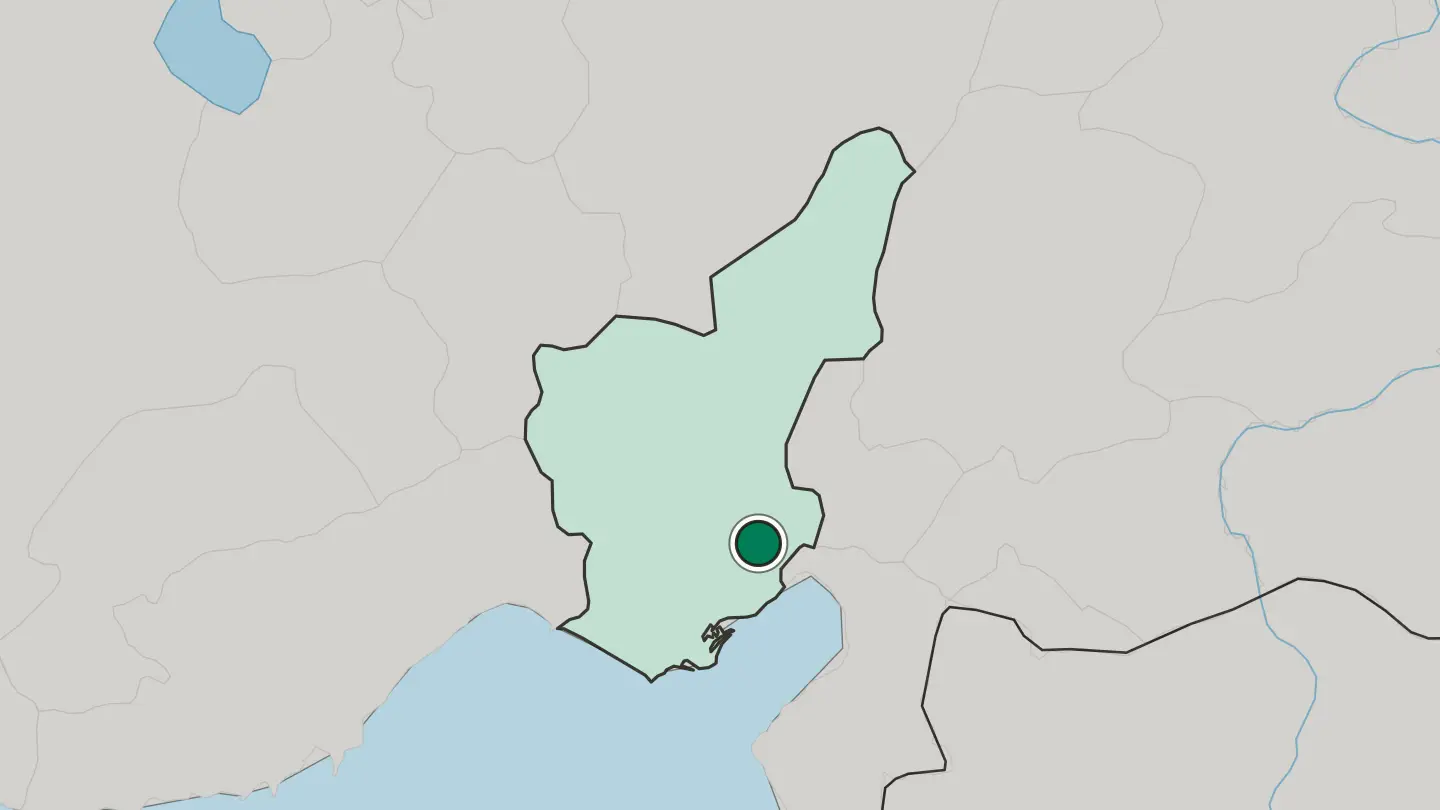
 Turkey
Kozan
Kozan is a town in the Çukurova plain of Adana in southern Turkey, the ancient Sis and old capital of Armenian Cilicia.Where to stay →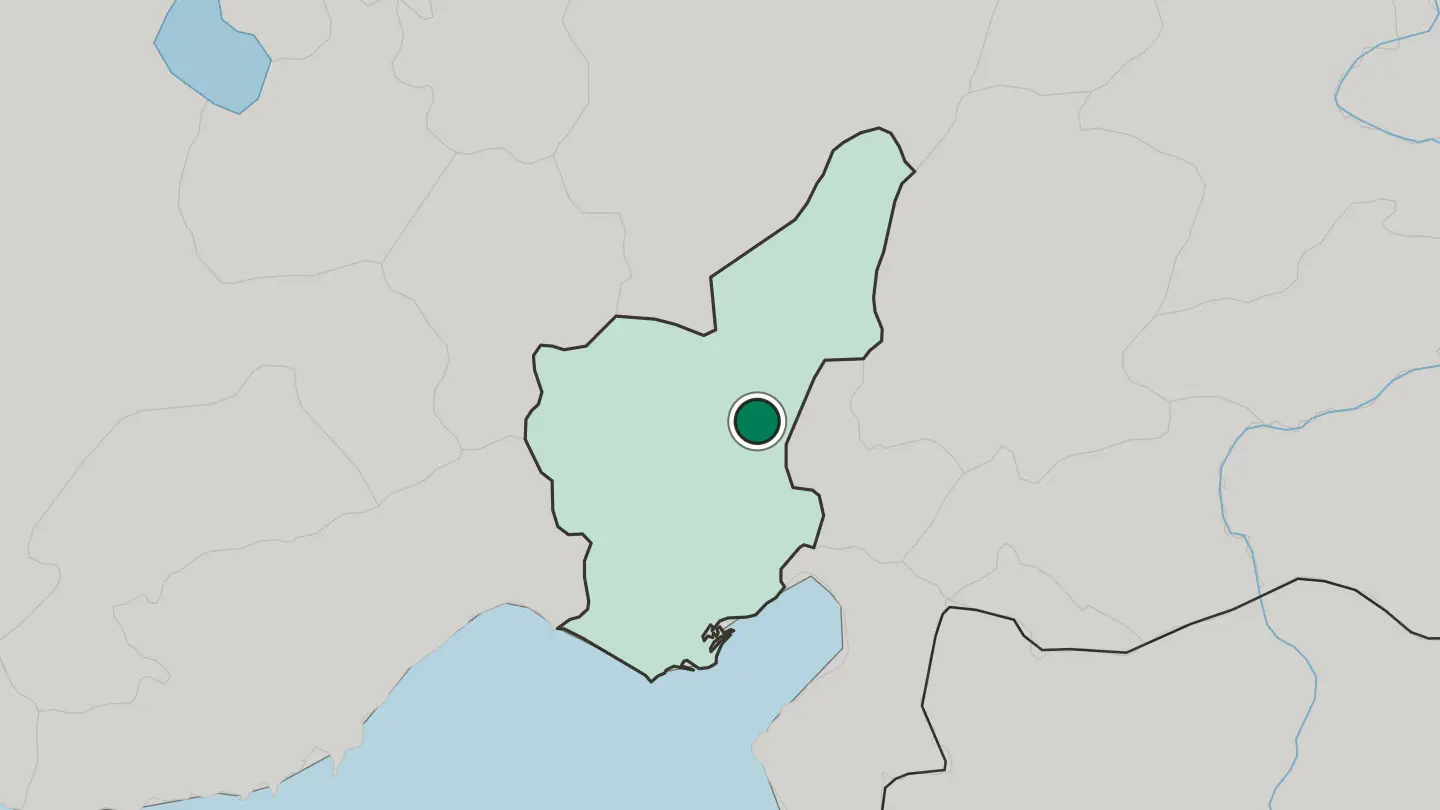
Hotel links are affiliate links: booking through them may earn us a commission, at no extra cost to you. It never affects how places are ranked. How this works
About Adana
What is Adana known for?
Adana's name does double duty. One is the Çukurova, the broad alluvial plain that makes this southern Turkey's cotton and citrus heartland, watered by the Seyhan River as it crosses toward the sea. The other is dinner.
Adana kebabı, a long skewer of hand-minced lamb seasoned with red pepper, is registered to the city and grilled the same way across the province. In the provincial capital the six minarets of the Sabancı Central Mosque stand over the Seyhan, one of the largest mosques built anywhere in the country.
Where is Adana?
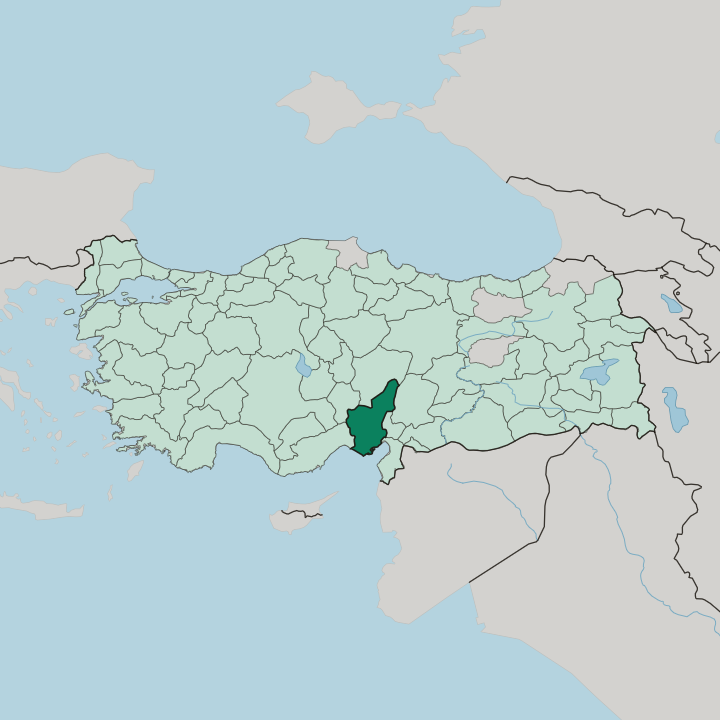
Adana fills the eastern half of the Çukurova, the wide alluvial plain that ancient writers called the Cilician plain. The land is flat and low here. Two rivers built it: the Seyhan runs down through the provincial capital, and the Ceyhan drains the country to the east, both carrying Taurus snowmelt across the fields before they braid into a shared delta on the Mediterranean.
That delta, a mosaic of lagoons and sandbars at Karataş and Yumurtalık, is some of the least-built coast in this part of Turkey. Cotton, citrus and maize run in strips across the black soil. Behind the plain the ground climbs fast.
The Taurus Mountains wall off the north, rising to the bare limestone of the Aladağlar, and the old road north still threads the Cilician Gates, the pass that carried armies between the coast and the Anatolian interior. Mersin lies west along the shore. Osmaniye and Hatay sit to the east and south-east, Kahramanmaraş to the north-east, and Kayseri and Niğde lie beyond the mountains to the north and north-west. The sea closes the province off to the south.
What is Adana like?
Life in Adana bends around heat and the harvest. Summers on the plain are long and fierce, so the day starts early and the evening belongs to the street. That evening usually involves the grill.
The city gave its name to Adana kebabı, eaten with grilled peppers, sumac onions and flatbread, and washed down with şalgam, a sour purple juice pressed from turnips and black carrots. Along the Seyhan the riverbank fills in the evening, Merkez Park spread below the Sabancı Central Mosque and the Roman arches of the Taşköprü. The plain also made the culture.
Cotton, citrus and grain built Adana's old merchant families and the mills that still ring the city. In the old centre the Ulu Camii wears the black-and-white stone of the Ramazanoğlu beys, who held the Çukurova before it fell fully to the Ottomans. The Çukurova is the setting of Yaşar Kemal's novels, whose landless farmers and feuding villages are drawn from these fields.
Spring brings the Orange Blossom Carnival, when the streets of the capital fill with parades under the scent of the groves. It is a working province first, and a warm one.
What is the history of Adana?
The Çukurova is old ground. People have farmed it since the Bronze Age, and the plain is layered with the capitals they left behind. The Hittites cut Muwatalli's relief into the rock at Sirkeli.
Rome laid the Taşköprü across the Seyhan and raised the city of Anazarbus on the eastern plain. In the Middle Ages the Armenian Kingdom of Cilicia ruled from Sis, the hill town of Kozan, until Mamluks and then the Ramazanoğlu beys took the plain. Cotton and the Baghdad Railway made the modern city rich.
What is the climate of Adana?
Adana runs hot. The Çukurova has a Mediterranean climate turned up a notch, and its long, humid summers are among the most punishing in Turkey. Winters are mild and wet, and most of the year's rain falls between autumn and spring.
The Taurus holds snow through the cold months, feeding the Seyhan and Ceyhan just as the fields need water. Once the heat sets in, rain all but stops.
How do you get to Adana?
Most travellers reach Adana by plane. Çukurova International Airport, west of the city and shared with Mersin, handles the province's scheduled flights, with links to the main Turkish hubs and some services abroad. The old Şakirpaşa field on the city's western edge keeps only light and training traffic. On the ground the province is a crossroads: the motorway and the old coast road run west to Mersin and east through Osmaniye toward Gaziantep, while the railway climbs north through Pozantı and the Cilician Gates on its way to the Anatolian plateau.
The freight port at Ceyhan handles oil, not travellers. From the capital, buses fan out to every town on the plain.
Common questions
What is the best area to stay in Adana?
Adana: a first base on the Çukurova plain. Kozan: castle country above the cotton plain. The Çukurova coast: the Akyatan turtle beaches. The Taurus foothills: cool air above the Çukurova heat.
Good for
More regions in Turkey
Updated October 2026