
Turkey
Şanlıurfa, Turkey — Towns & Travel Guide
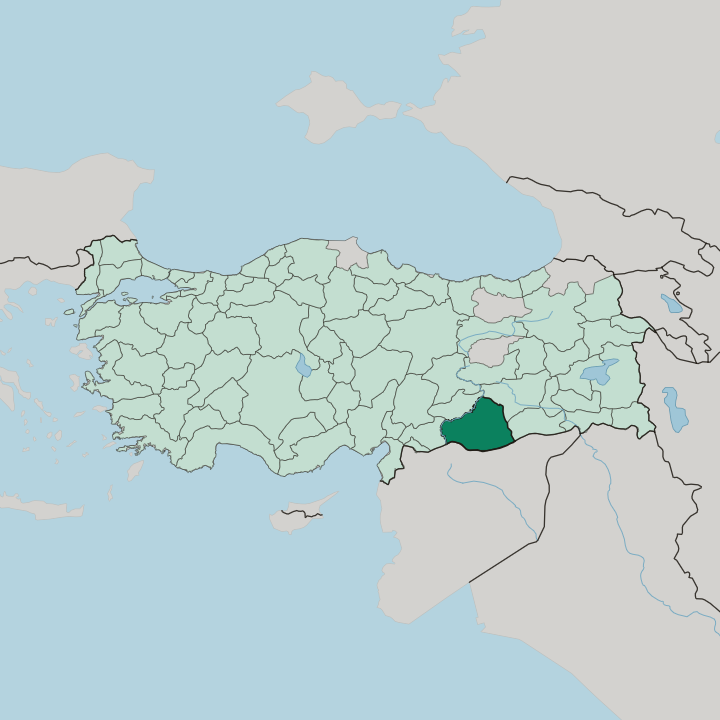
Şanlıurfa is a province of southeastern Turkey, where Göbekli Tepe crowns a limestone ridge above the Euphrates and the Harran plain.
Hotel links are affiliate links: booking through them may earn us a commission, at no extra cost to you. It never affects how places are ranked. How this works


Towns & cities in Şanlıurfa
Pick a town or city — each links to where to stay.
 Turkey
Şanlıurfa
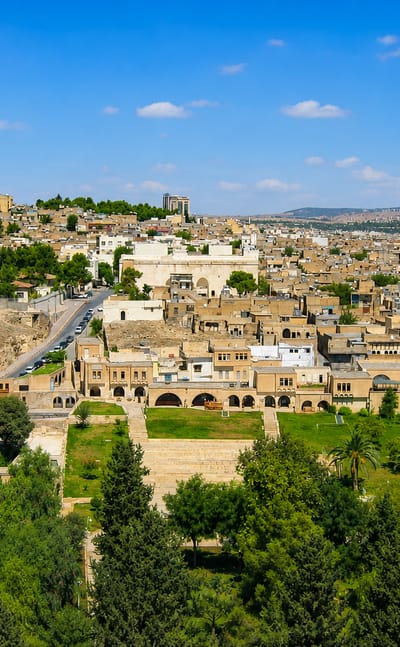
Şanlıurfa spreads across a plain in southeastern Turkey east of the Euphrates, an ancient city known in antiquity as Edessa, below Şanlıurfa Castle.Where to stay →
 Turkey
Siverek
Siverek is a district town of Şanlıurfa Province in Turkey, lying nearer the larger city of Diyarbakır than to Şanlıurfa itself.Where to stay →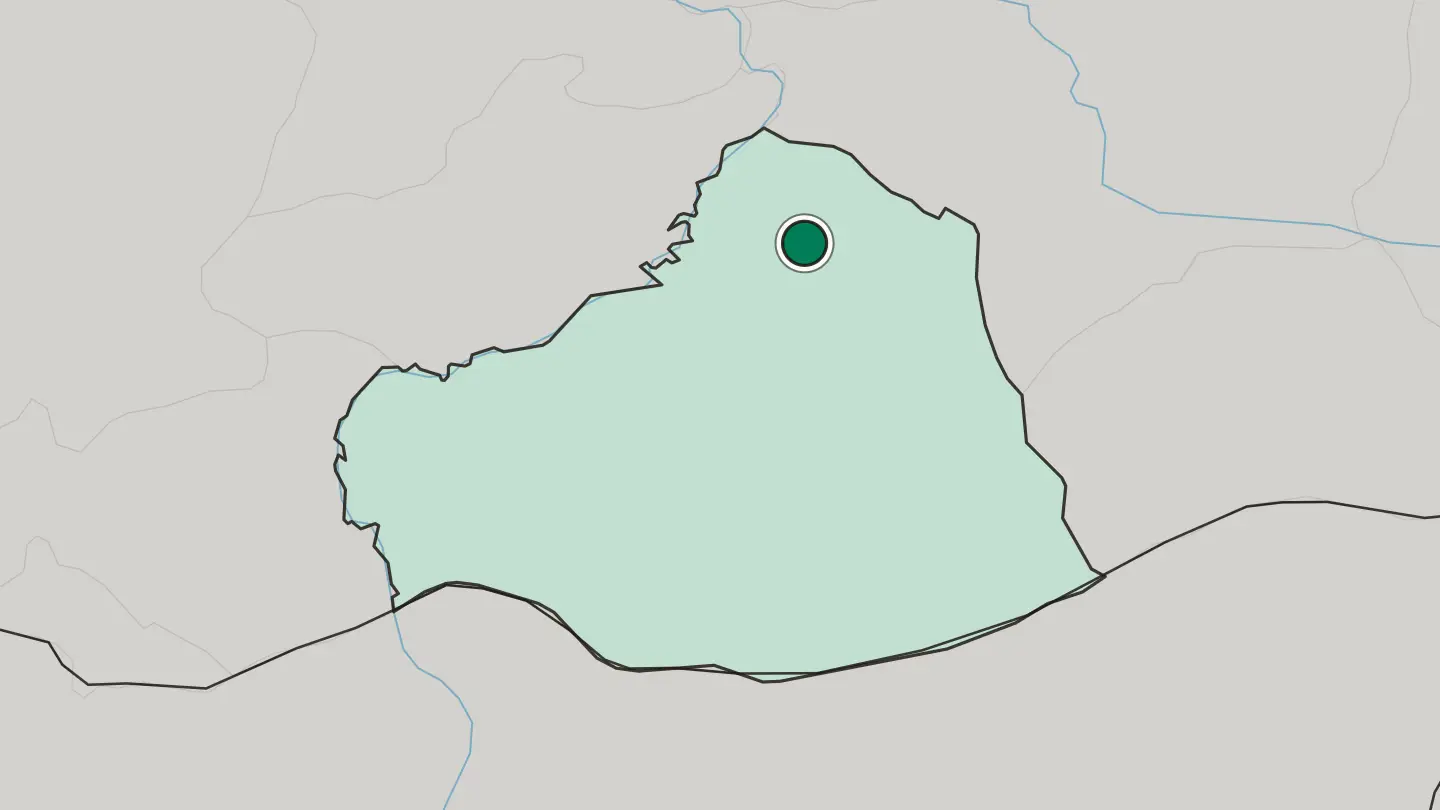 Turkey
Viranşehir
Viranşehir is a market town of Şanlıurfa Province in Turkey, serving cotton country and known in Late Antiquity as Constantina.Where to stay →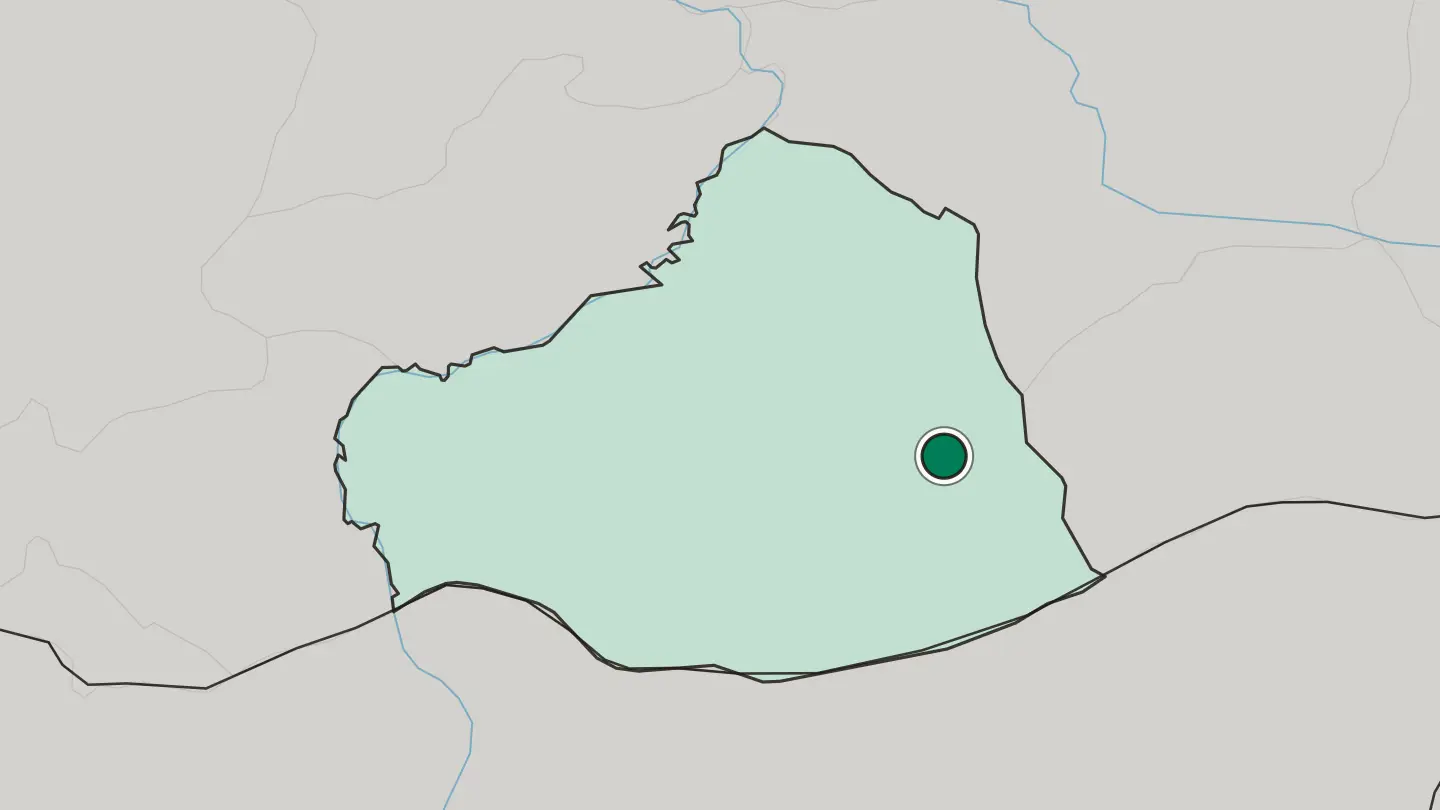
Hotel links are affiliate links: booking through them may earn us a commission, at no extra cost to you. It never affects how places are ranked. How this works
About Şanlıurfa
Two things made Şanlıurfa famous.
What is Şanlıurfa known for?
The older is Göbekli Tepe, a hilltop ring of carved megaliths raised in the tenth millennium BC and the oldest known temple yet found. The other is Balıklıgöl, the pool of sacred carp that pilgrims tie to the prophet Abraham, set below the citadel in the provincial capital of Urfa. Beyond them the province feeds Turkey: irrigated cotton and vast pistachio groves spread across the Harran plain, and the local isot pepper flavours the smoky kebabs that carry the city's name.
Where is Şanlıurfa?
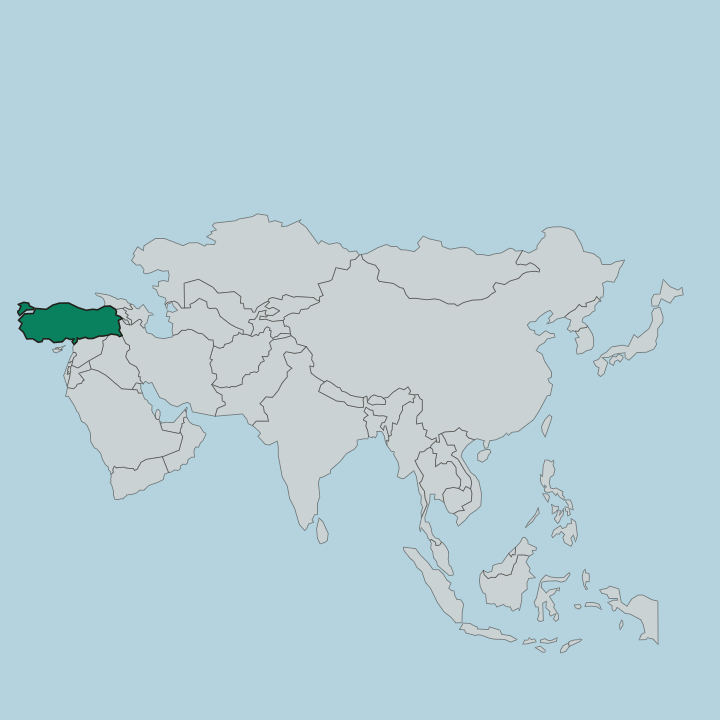
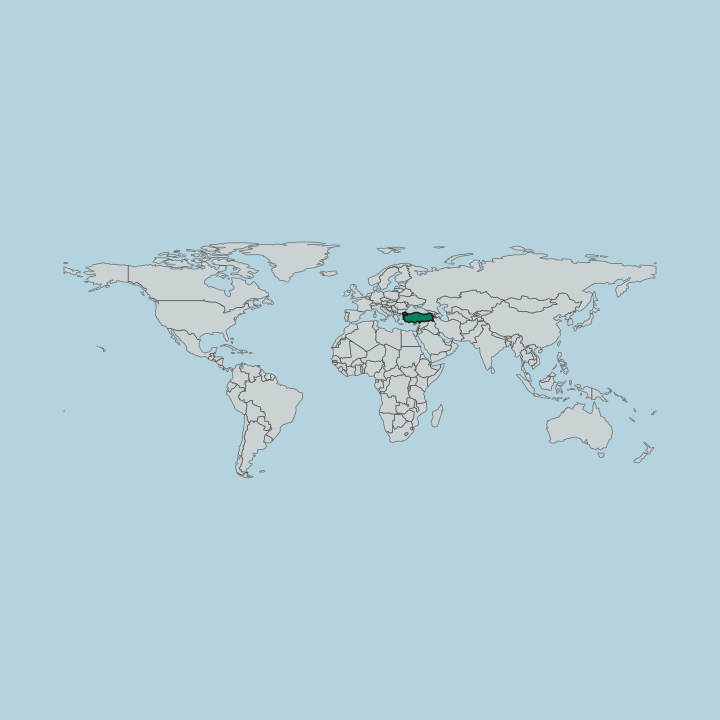
Şanlıurfa lies in southeastern Turkey, in the belt of Upper Mesopotamia that Turks call the Southeastern Anatolia Region. The Euphrates draws much of its boundary. The great river curls along the north, west and south of the province, and the Habur, one of its arms, marks part of the eastern edge.
To the south the land runs down to the border with Syria. Neighbouring Turkish provinces ring the rest: Gaziantep to the west, Adıyaman to the north, and Diyarbakır and Mardin to the east. Between these limits the ground is mostly high, dry limestone.
The Fatik plateau and the Tektek hills rise on either side of a wide bowl of flat farmland, the Harran plain, which opens southward toward Syria. The provincial capital, Urfa, sits on that plain roughly fifty miles east of the Euphrates, tucked against a low range of hills at a height of about 477 metres. Water, not distance, defines the place.
Where the tunnels from the Atatürk Dam reach it the plain turns green with cotton; beyond their reach it stays pale and stony. Göbekli Tepe crowns one of those limestone ridges northeast of the city. Harran, Siverek, Viranşehir and Birecik spread out across the plateaus and the river valleys around it.
What is Şanlıurfa like?
Urfa wears its faith openly, and the city likes to call itself the City of Prophets. Tradition places the birth of Abraham in a cave here and his ordeal by fire at Balıklıgöl, so the pools and the mosque above them draw a steady current of Muslim pilgrims. The streets carry three tongues.
Turkish, Arabic and Kurdish overlap in the covered bazaar, a warren of coppersmiths, spice stalls and cloth sellers that has changed little in temper since Ottoman days. Life here runs more conservative than on the Aegean coast, and the rhythm bends around prayer and the fierce summer heat. The table is the other pleasure.
The province gave its name to Urfa kebab, milder than the Adana version, and to çiğ köfte, a raw bulgur dish kneaded by hand. Almost everything carries isot, the dark, smoke-dried chilli grown on the Harran plain. Evenings have their own ritual: the sıra gecesi, a men's gathering of music, talk and food that binds the old neighbourhoods.
Menengiç coffee, pressed from wild pistachio, closes the meal. Out on the plain the beehive mud houses of Harran keep a building style older than Islam, and beneath the modern city lie the churches and mosaics of Christian Edessa.
What is the history of Şanlıurfa?
Few places reach back further. On a ridge outside the city, hunter-gatherers raised the carved pillars of Göbekli Tepe in the tenth millennium BC, before farming, writing or the wheel. The city below, known through antiquity as Edessa, became a cradle of early Christianity and later the seat of a Crusader county.
Muslim, Armenian and Syriac communities layered the town under Seleucid, Roman, Arab and Ottoman rule. Turkey honoured Urfa's resistance in its War of Independence by adding the title Şanlı, the glorious, to its name.
What is the climate of Şanlıurfa?
Summers here are brutal. From May into October the Harran plain bakes under a dry, cloudless heat that regularly tops forty degrees, and the whole province turns dusty and pale. Winters are the opposite key: cool, damp and sometimes snowy, with almost all of the year's modest rain falling between October and May.
This hot, semi-arid rhythm is exactly what cures Şanlıurfa's isot pepper and once forced Harran's builders to dome their houses against the sun. Spring and autumn are the kind seasons for a visit.
How do you get to Şanlıurfa?
Şanlıurfa is reached most easily by plane. Şanlıurfa GAP Airport, out on the plain northeast of the city, links Urfa with Istanbul and Ankara on daily flights, and the larger airport at Gaziantep sits within a couple of hours by road. Long-distance buses are the workhorse of the southeast, threading Urfa to Gaziantep, Diyarbakır and Mardin along fast dual carriageways. Once here, most reach Göbekli Tepe, Harran and Halfeti by minibus, taxi or tour.
Trains barely feature.
Common questions
What is the best area to stay in Şanlıurfa?
Urfa old town: a first taste of Şanlıurfa's old town. Karaköprü: modern hotels near the centre. Halfeti: the Euphrates shore. Harran: the Harran plain and its mud houses.
Good for
More regions in Turkey
Updated October 2026