Ukraine
Chernihiv Oblast, Ukraine — Towns & Travel Guide
Chernihiv Oblast fills the north of Ukraine, a low, forested land where the Desna winds south toward Kyiv.
Hotel links are affiliate links: booking through them may earn us a commission, at no extra cost to you. It never affects how places are ranked. How this works


Towns & cities in Chernihiv Oblast
Pick a town or city — each links to where to stay.
 Ukraine
Chernihiv
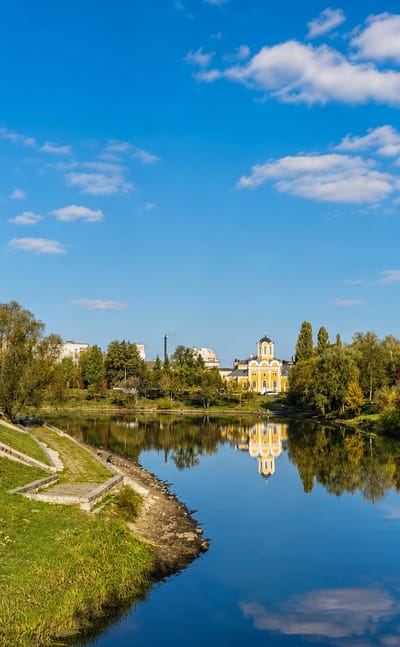
Golden domes and burial mounds mark Chernihiv, a historic city in Chernihiv Oblast, Ukraine, known for the Trinity Monastery and Saint Anthony's Caves.Where to stay →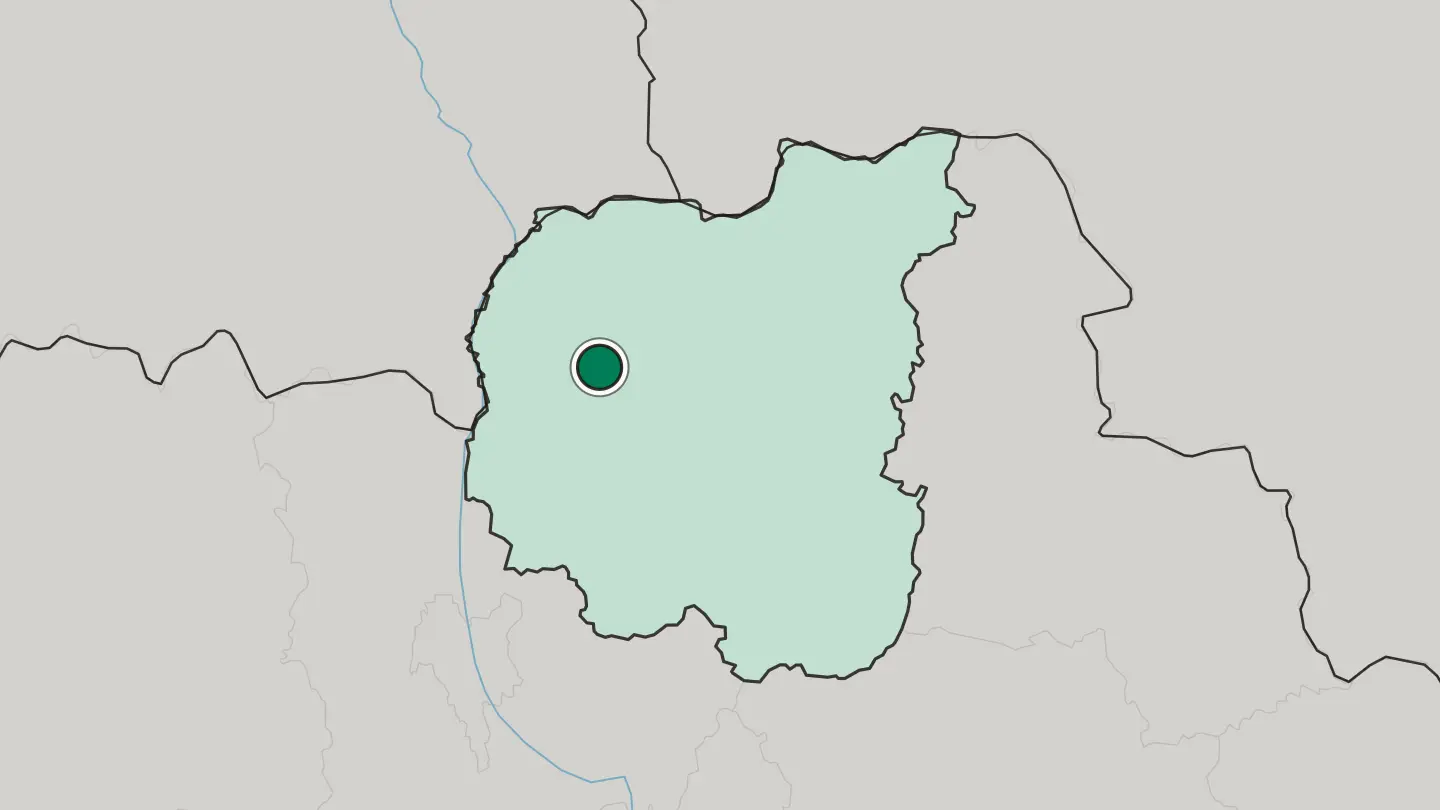
 Ukraine
Nizhyn
Nizhyn is a church-dense old town on the Oster in Chernihiv Oblast, north-east of Kyiv, founded in 993 and marked by its cucumber monument.Where to stay →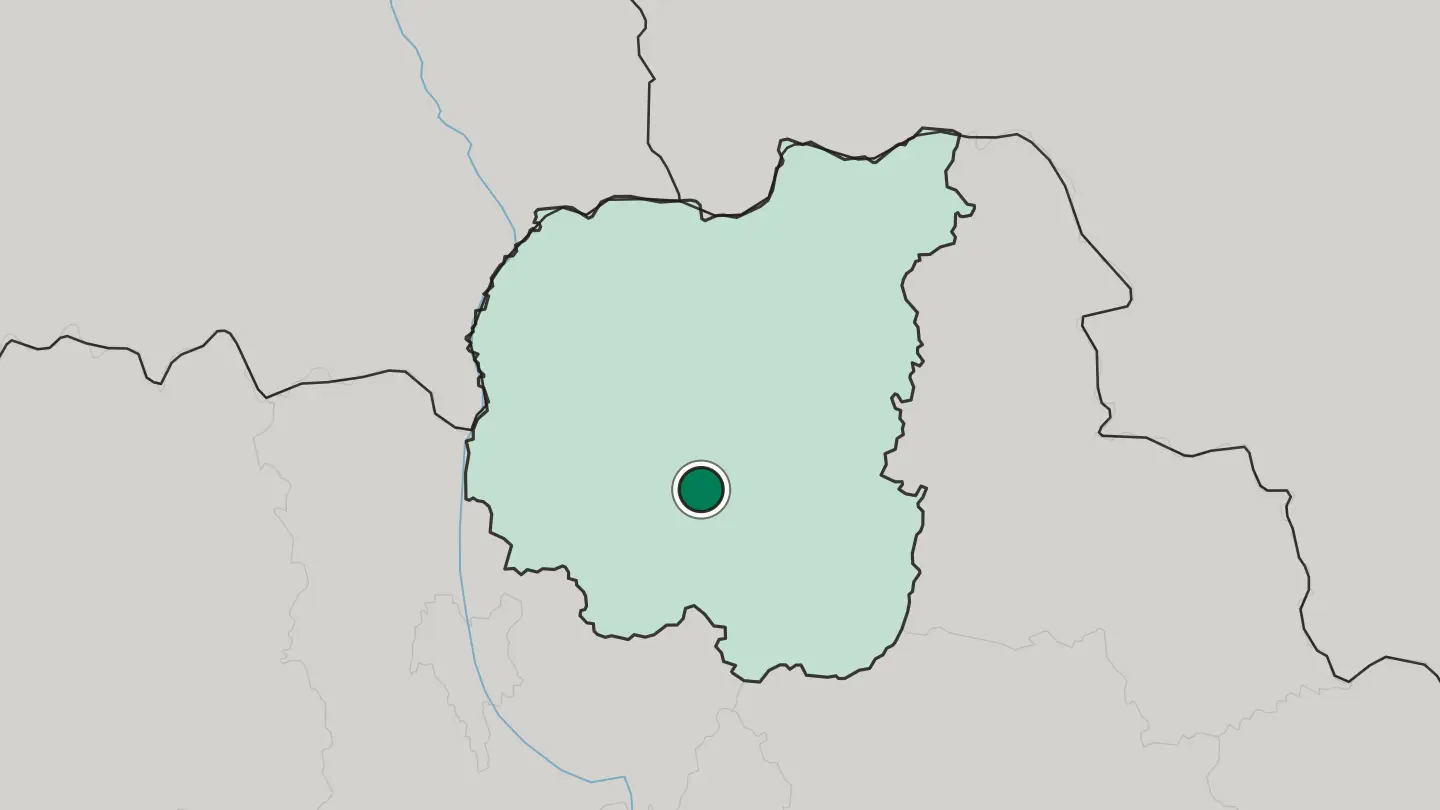
 Ukraine
Pryluky
Pryluky sits on the Udai in Chernihiv Oblast, a town recorded from 1085 and marked by the Transfiguration Cathedral and a Monomakh statue.Where to stay →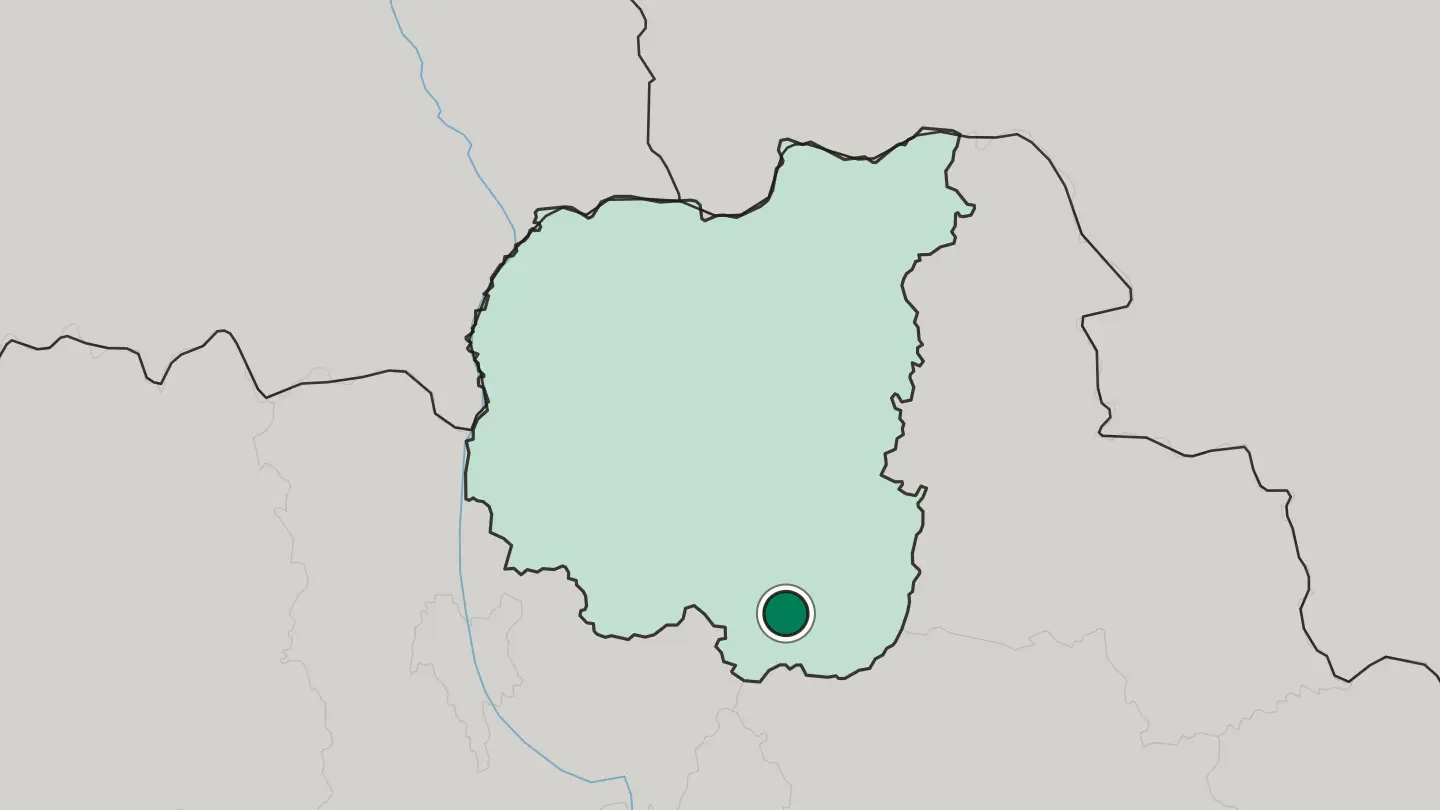
Hotel links are affiliate links: booking through them may earn us a commission, at no extra cost to you. It never affects how places are ranked. How this works
About Chernihiv Oblast
This is old ground.
What is Chernihiv Oblast known for?
Chernihiv, the capital, was the second city of Kyivan Rus after Kyiv itself, and its Transfiguration Cathedral has stood since the 1030s. The Desna threads the whole region, a broad left tributary of the Dnieper that once carried princes and traders through this land long before any road did. Upriver in the east, Novhorod-Siverskyi gave its prince to The Tale of Igor's Campaign, the founding poem of early Rus.
Forest and marsh cover the north. Much of it belongs to the Polissia belt that runs on west into Belarus.
Where is Chernihiv Oblast?
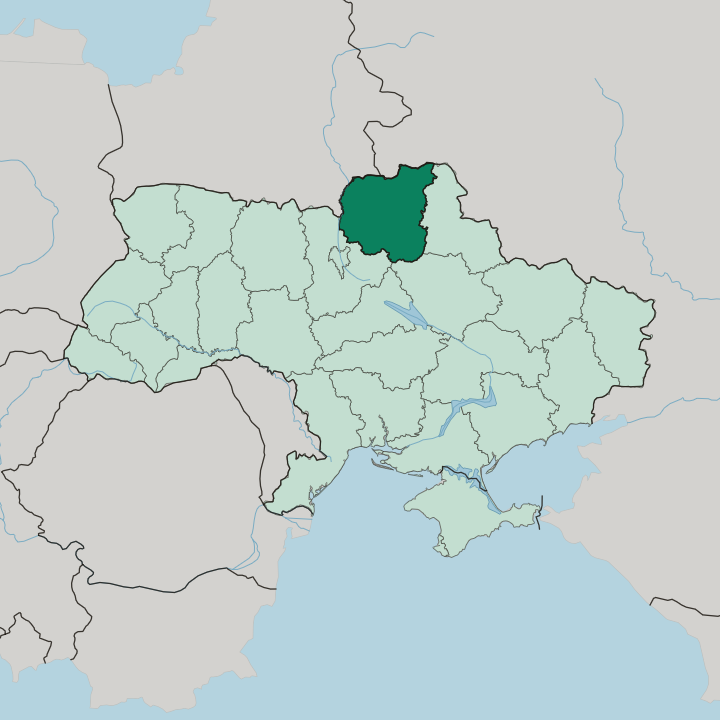
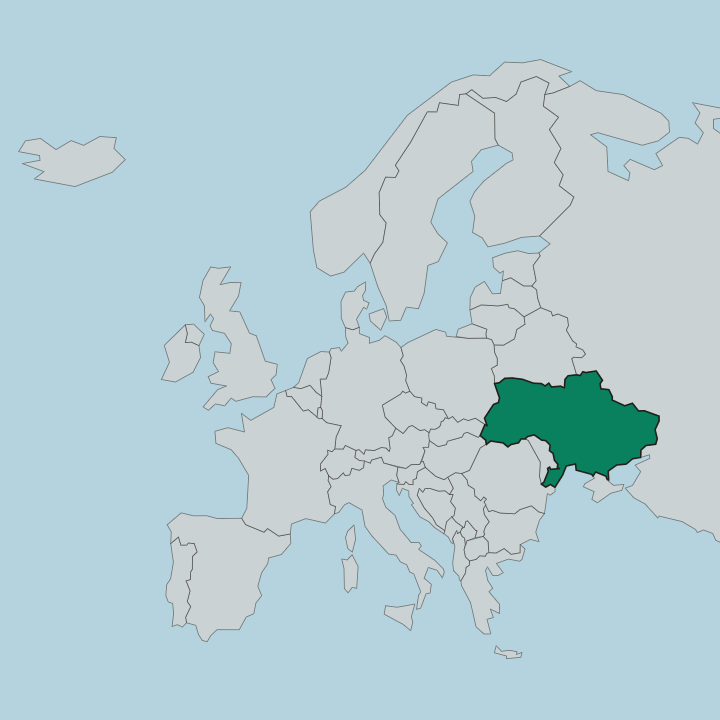
Chernihiv Oblast sits in northern Ukraine, pressed against two borders. Belarus lies to the north, Russia to the north-east, and the region reaches almost to the point where the three countries meet. Kyiv lies to the south-west, close enough that the capital's suburbs and the oblast share the same lowland.
The land is flat and low. It belongs to the Dnieper Lowland, a broad plain of forest, field, and marsh that barely rises above the rivers crossing it. The Desna is the defining water here, a long left tributary of the Dnieper that enters the region from Russia, runs past Novhorod-Siverskyi and Chernihiv, and joins the larger river just north of Kyiv.
Its tributaries, the Snov and the Oster among them, lace the western half. Northward the ground turns to the woods and wetlands of Polissia, the same forest belt that stretches on into Belarus and Poland. Southward it opens into cropland.
More than a thousand rivers and streams thread the oblast, so water is never far. That mix of river, forest, and open plain has shaped how people settled here for a thousand years.
What is Chernihiv Oblast like?
The past is close to the surface here. Chernihiv held a princely throne in Kyivan Rus, and the domes of its Transfiguration and Trinity cathedrals still mark the skyline, the older one begun in the 1030s and the Baroque Trinity raised in the 1680s. Between those two dates lies the whole arc of the region's culture, from Rus principality to Cossack regiment.
Nizhyn grew rich as a Cossack trading town and later founded a college that Nikolai Gogol attended, giving its university his name. Novhorod-Siverskyi holds tighter still to memory. Its prince rode out against the steppe in 1185, and that campaign became The Tale of Igor's Campaign, the founding poem of East Slavic literature.
Ukrainian is the common tongue across the oblast, spoken in the villages and the market towns as much as in Chernihiv. The Hetman Ivan Mazepa endowed churches across this land, and the Cossack Baroque style he favoured shows in the tall, white-walled churches of the smaller towns. Wooden village churches survive too, plainer and older.
Woodland, river, and old faith run through daily life in a country corner that has kept its habits while the borders around it shifted for a thousand years. It is quiet, and deeply rooted.
What is the history of Chernihiv Oblast?
Chernihiv rose early. Settled by the Siverians and drawn into Kyivan Rus in the tenth century, it became the second city of the realm and the seat of a principality whose reach stretched far to the east. Batu Khan's Mongols sacked the city in 1239, ending its golden age.
Later the land passed through Lithuanian and Polish hands, then became a stronghold of the Cossack Hetmanate, with regiments seated at Chernihiv and Nizhyn. The modern oblast was drawn in 1932, under Soviet rule.
What is the climate of Chernihiv Oblast?
The climate is humid continental, with a real winter. Snow settles over the Desna and the Polissia forests from December, and January runs well below freezing. Summers are warm and green, with July the height of it and rain spread through the growing season rather than falling in one burst.
Spring melt swells the rivers, and the marshes of the north hold the water late. This far inland, the seasons swing hard.
How do you get to Chernihiv Oblast?
Nearly everyone comes through Kyiv. The oblast has no passenger airport of its own, so the capital to the south-west is the way in, a couple of hours by road or rail up to Chernihiv. Trains and buses run the route daily, and Nizhyn and Bakhmach sit on the main railway lines that thread the region.
Once you arrive, Chernihiv is small enough to walk.
Common questions
What is the best area to stay in Chernihiv Oblast?
Chernihiv: the medieval cathedrals and the Desna riverfront. Nizhyn: a Cossack town on the Oster. Novhorod-Siverskyi: the Tale of Igor's Campaign country.
More regions in Ukraine
Updated September 2026