Ukraine
Kyiv Oblast, Ukraine — Towns & Travel Guide
Kyiv Oblast wraps the Ukrainian capital in forest, farmland, and the wide Dnieper, without taking in the city itself.
Hotel links are affiliate links: booking through them may earn us a commission, at no extra cost to you. It never affects how places are ranked. How this works


Towns & cities in Kyiv Oblast
Pick a town or city — each links to where to stay.

 Ukraine
Bila Tserkva
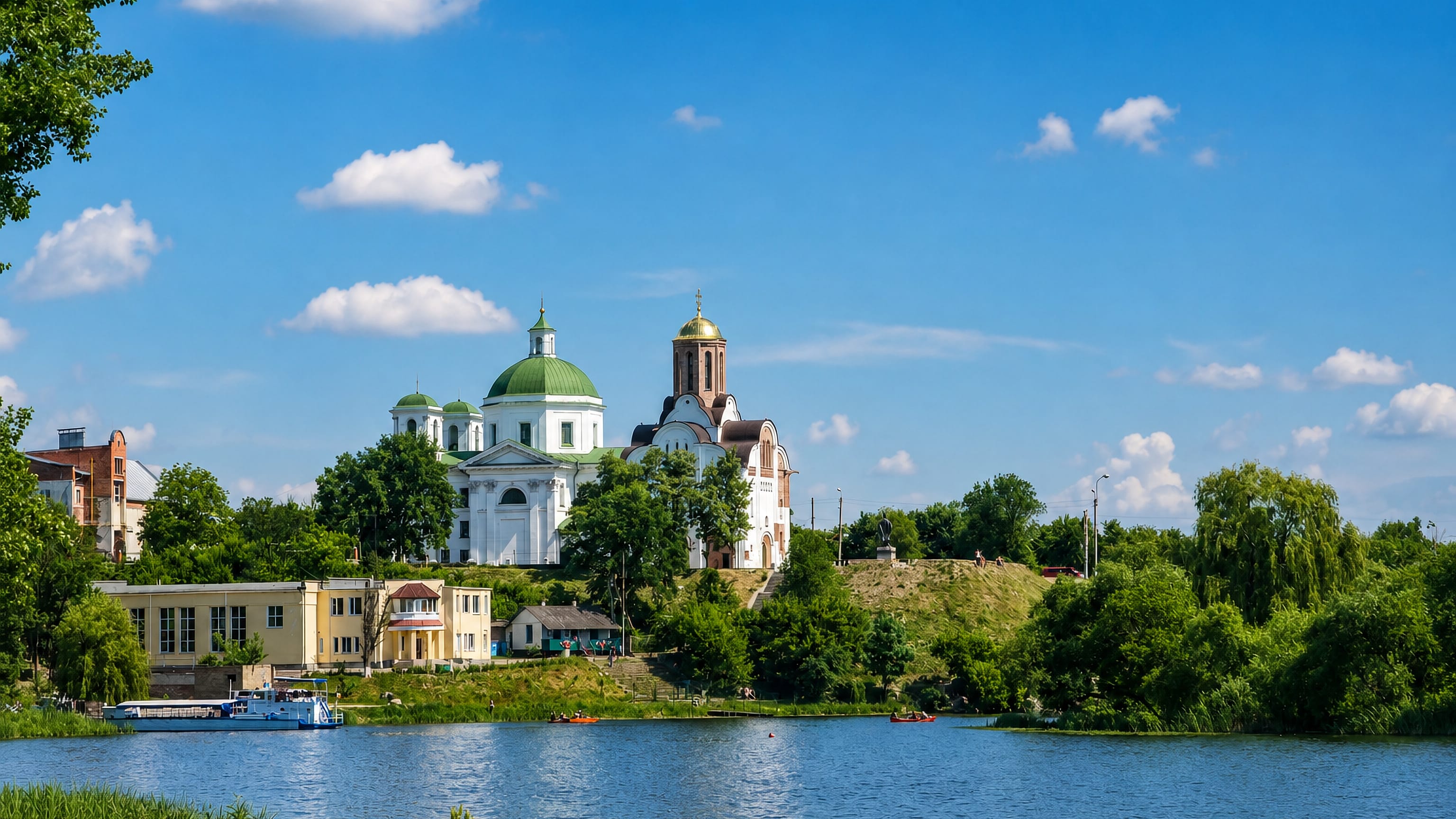
Bila Tserkva has stood on the Ros River since 1032 and is the largest city of Kyiv Oblast, the centre of Bila Tserkva Raion around it.Where to stay →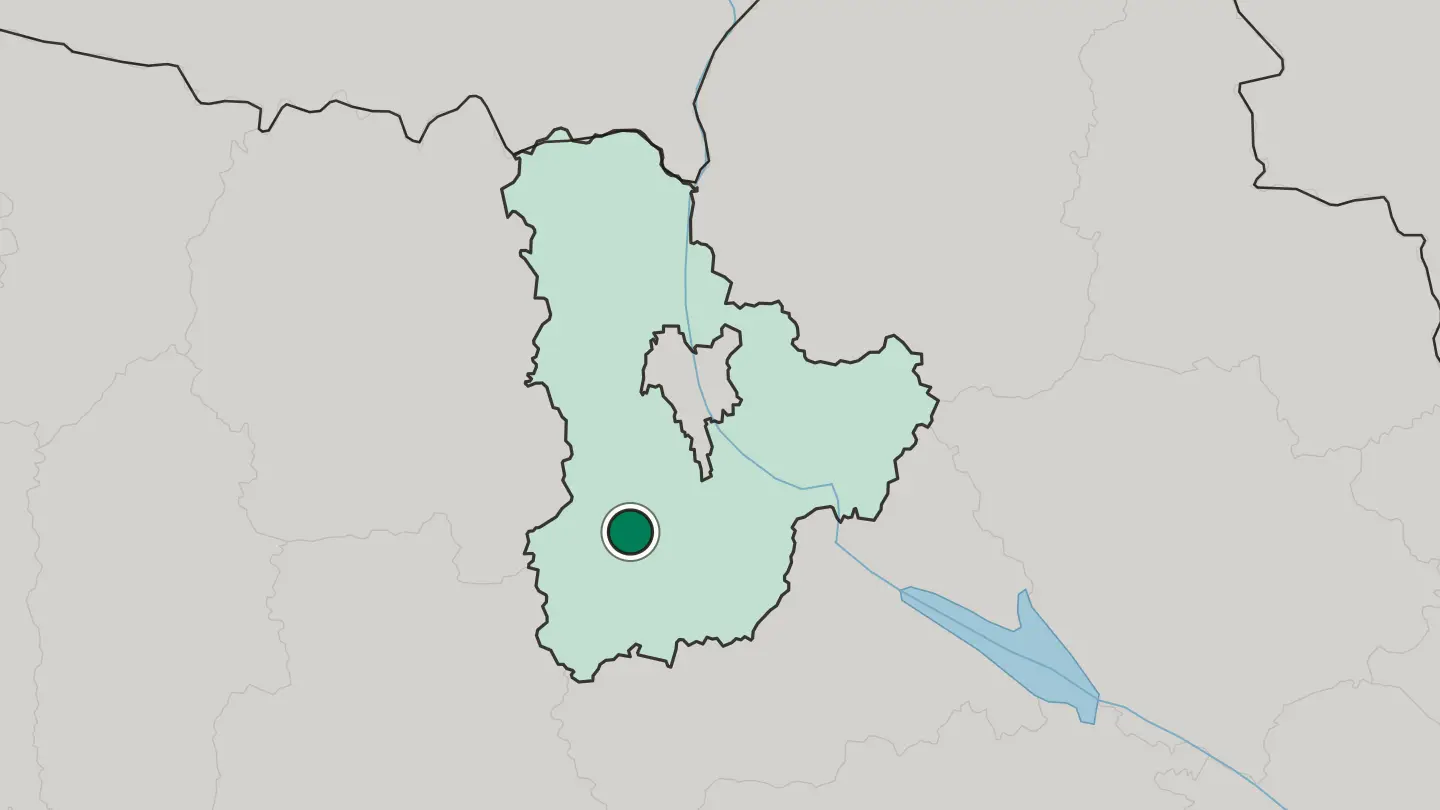
 Ukraine
Brovary
Recorded from 1630, Brovary heads Brovary Raion east of Kyiv, with Intercession of the Theotokos Church at its centre.Where to stay →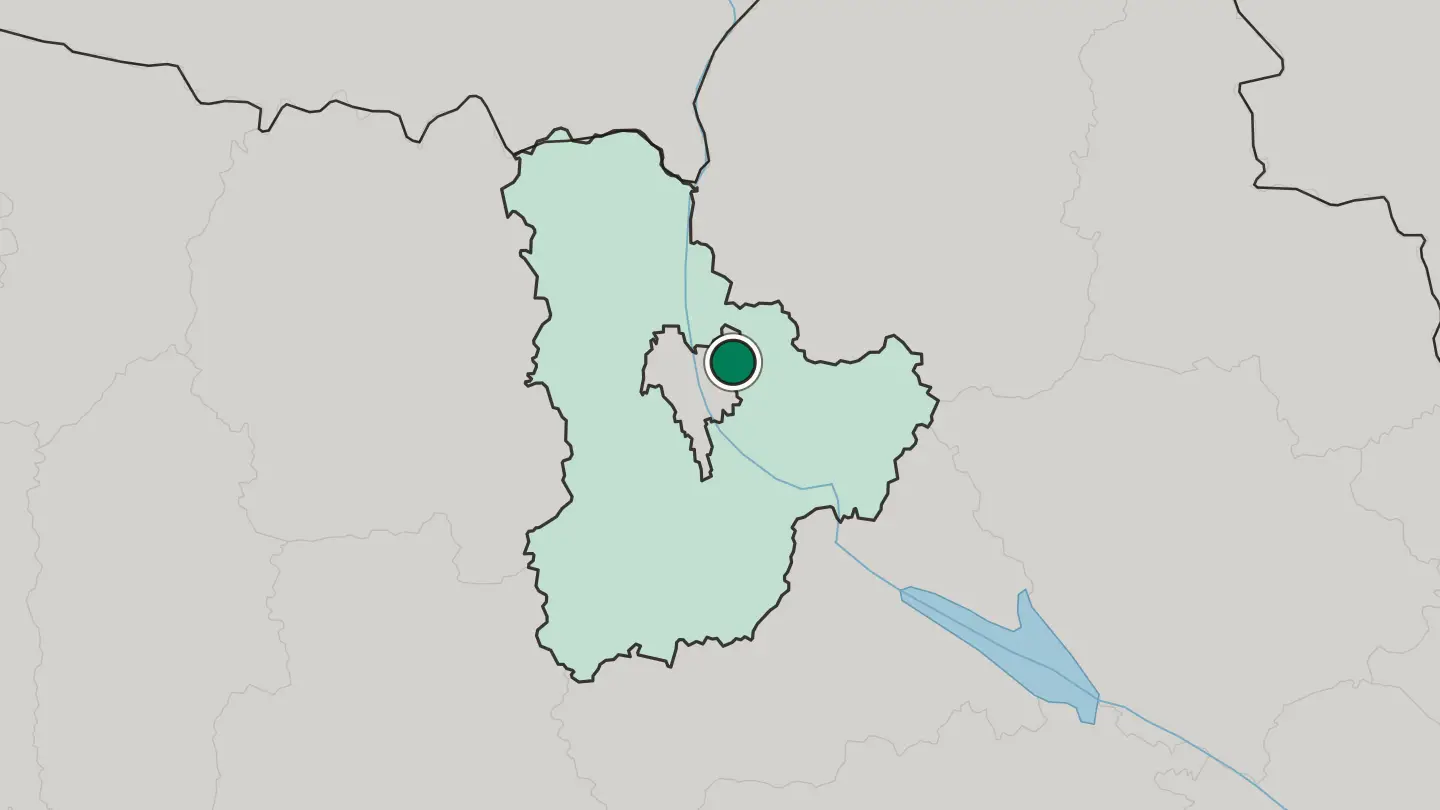
 Ukraine
Irpin
Founded in 1899, Irpin sits on the Irpin River in Bucha Raion, immediately next to Kyiv, with two museums and two churches listed.Where to stay →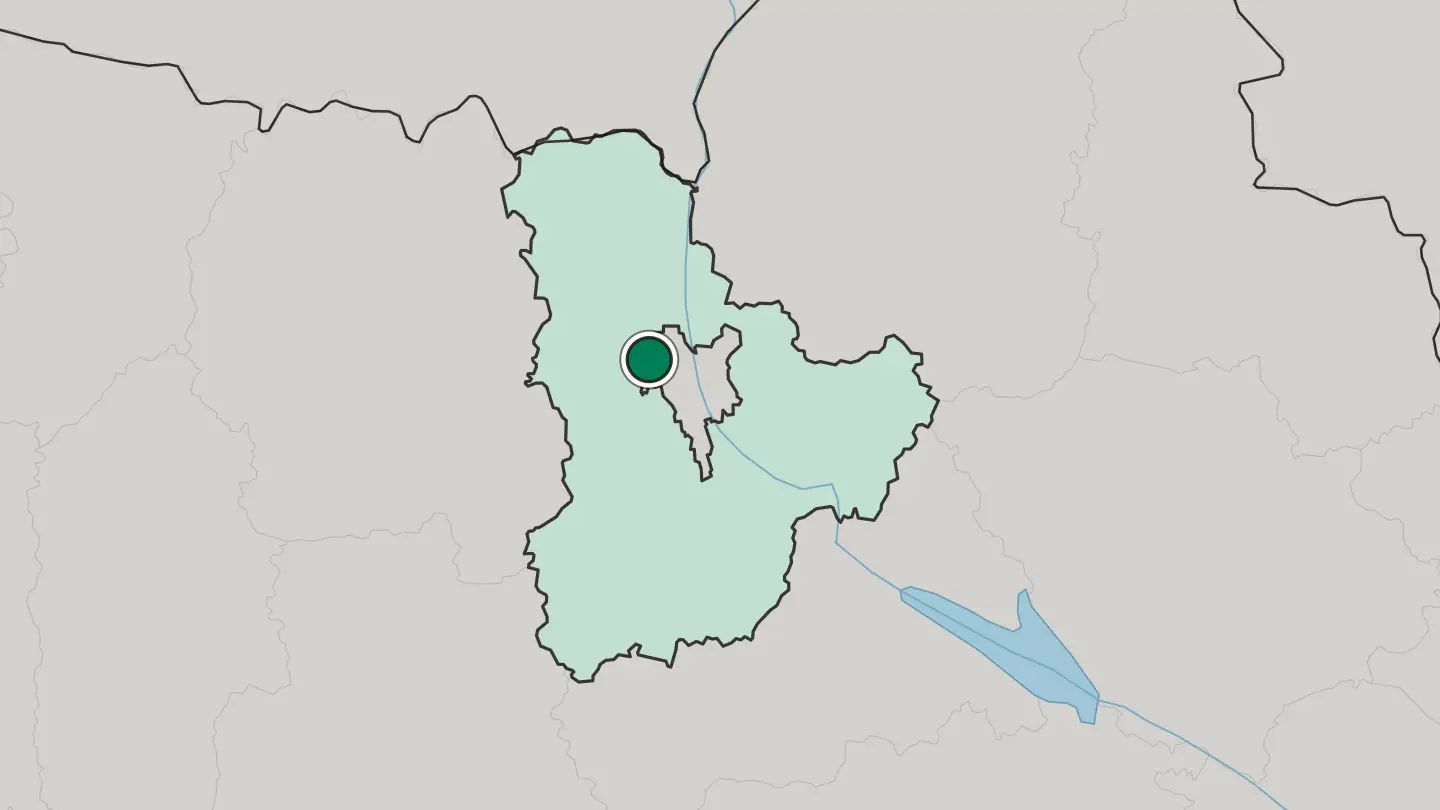
 Ukraine
Boryspil
Boryspil traces its founding to 1015 and heads Boryspil Raion in Kyiv Oblast, with Курганна група among its listed heritage sites.Where to stay →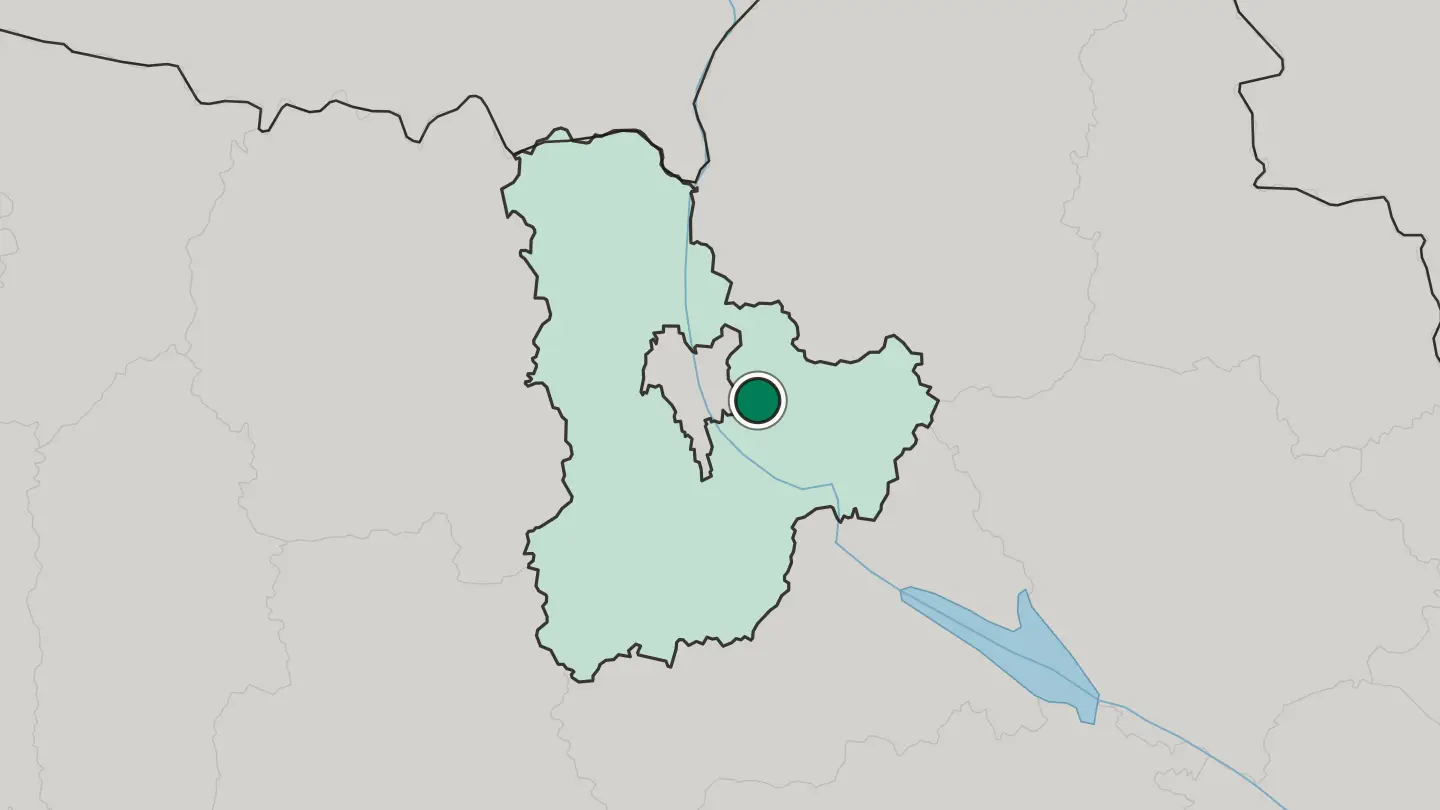
Hotel links are affiliate links: booking through them may earn us a commission, at no extra cost to you. It never affects how places are ranked. How this works
About Kyiv Oblast
The oblast is the land around Kyiv, not Kyiv itself.
What is Kyiv Oblast known for?
That distinction shapes everything. The capital is administered on its own, yet still runs the province from inside its borders, so the region reads as the capital's hinterland of towns, reservoirs, and forest. The Dnieper cuts it in two, north and south.
Bila Tserkva anchors the south on the Ros, while the sealed Chornobyl zone marks the far north.
Where is Kyiv Oblast?
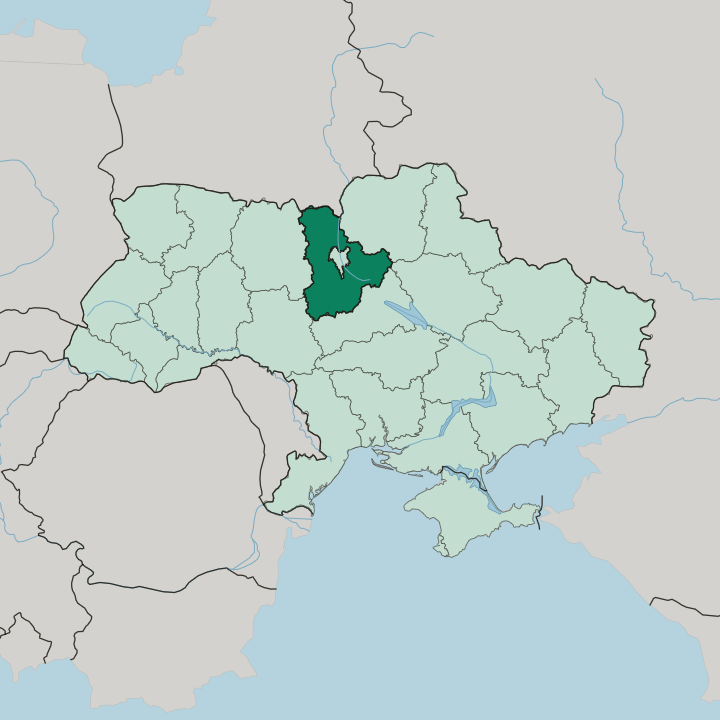
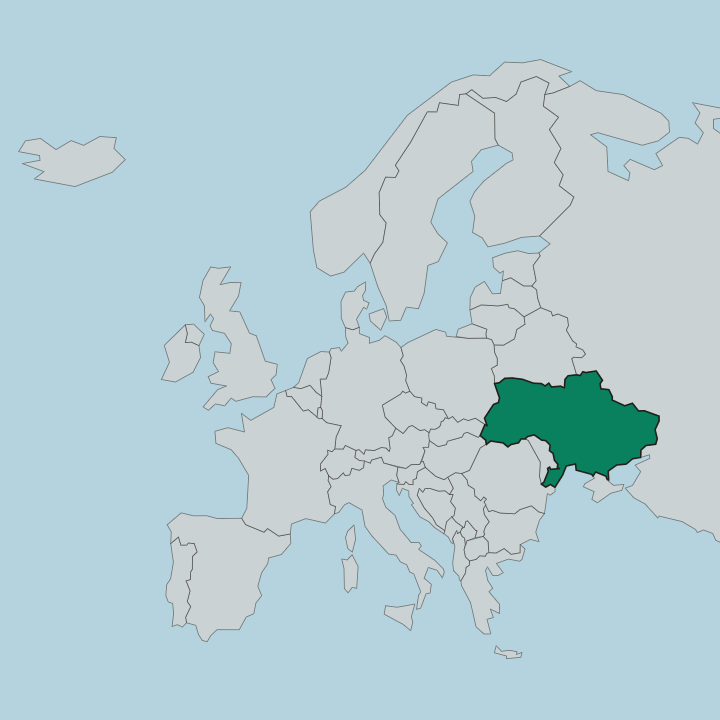
Kyiv Oblast lies across central and northern Ukraine, straddling both banks of the Dnieper as the river runs south past the capital. The province rings Kyiv on every side. That capital keeps its own special status and is not counted part of the oblast, yet it sits at the centre and governs the region from there.
The Dnieper is the spine. Roughly 246 kilometres of the river fall within the oblast, and it splits the land into a right bank of low hills and wooded slopes and a flatter left bank of open farmland. Its right-bank tributaries thread the province, the Ros through Bila Tserkva in the south and the Irpin nearer the capital, while the Prypiat and the Desna feed it from the north.
The north dissolves into Polissia, the low and waterlogged belt of bogs and mixed woodland that reaches over the border into Belarus. The sealed Chornobyl zone occupies that far corner, closed to ordinary travel. South of the capital the woods give way to forest-steppe and black-earth fields.
Two Dnieper reservoirs bracket the region, the Kyiv Reservoir held back by the dam at Vyshhorod above the city and the Kaniv Reservoir below it, both broad enough to read as inland seas.
What is Kyiv Oblast like?
Kyivshchyna, the old name for the region, carries the weight of where the Ukrainian state began. This was the heartland of Kievan Rus. The medieval waterway from the Varangians to the Greeks ran down the Dnieper through these lands, and the towns that grew along it, from the capital to Pereiaslav in the south, sat at the centre of that early realm rather than at its edge.
The province wears that inheritance in its churches, its river towns, and its monastery ruins. Ukrainian is the everyday language across the oblast. The countryside keeps the older culture close.
Pereiaslav holds an open-air museum of folk architecture, wooden churches and thatched cottages moved in from villages across the region and set among the trees. The single greatest set piece is the Oleksandriia arboretum at Bila Tserkva. Laid out in the late 1700s by the Branicki family and spread over more than 200 hectares of alleys, colonnades, and cascading ponds, it stands as the largest landscape park in the country.
Life here runs at the pace of the land, not the capital.
What is the history of Kyiv Oblast?
This is where a state began. Kievan Rus rose along the Dnieper in the ninth century, and these river lands were its core. Bila Tserkva was founded in 1032 by Yaroslav the Wise, first as Yuriiv.
The oblast in its modern form is a Soviet creation, drawn up in 1932 as one of the first five provinces of the Ukrainian republic. Its darkest chapter is recent: the 1986 reactor failure at Chornobyl, in the far north, emptied a swathe of the province and left an exclusion zone that stays closed.
What is the climate of Kyiv Oblast?
The oblast has a humid continental climate, with warm summers and moderately cold, snowy winters. July is the warm heart of the year, hovering near the high teens, while January settles a few degrees below freezing. The seasons are sharp.
The wooded Polissia north stays a touch cooler and damper than the forest-steppe south around Bila Tserkva and the Ros, where the black-earth fields dry out and warm faster. Snow lies across the province for much of the winter.
How do you get to Kyiv Oblast?
Nearly every visitor comes through Kyiv. Boryspil International Airport, the country's busiest, sits inside the oblast east of the capital, so most arrivals technically touch down in the region before ever reaching the city. From Kyiv, roads and rail fan out to the provincial towns.
Bila Tserkva lies about 95 kilometres south down the road, Brovary is a short hop east across the Dnieper, and the northern Chornobyl zone stays off-limits to ordinary travel. Trains link the capital with the larger towns.
Common questions
What is the best area to stay in Kyiv Oblast?
Kyiv: a first visit to the Kyiv region. Bila Tserkva: old parkland and the Ros valley. Boryspil: flying in or out of the region.
More regions in Ukraine
Updated September 2026