Ukraine
Dnipropetrovsk Oblast, Ukraine — Towns & Travel Guide
Dnipropetrovsk Oblast is Ukraine's industrial heartland, straddling the Dnipro River across the open steppe of the country's centre.
Hotel links are affiliate links: booking through them may earn us a commission, at no extra cost to you. It never affects how places are ranked. How this works


Towns & cities in Dnipropetrovsk Oblast
Pick a town or city — each links to where to stay.
 Ukraine
Dnipro
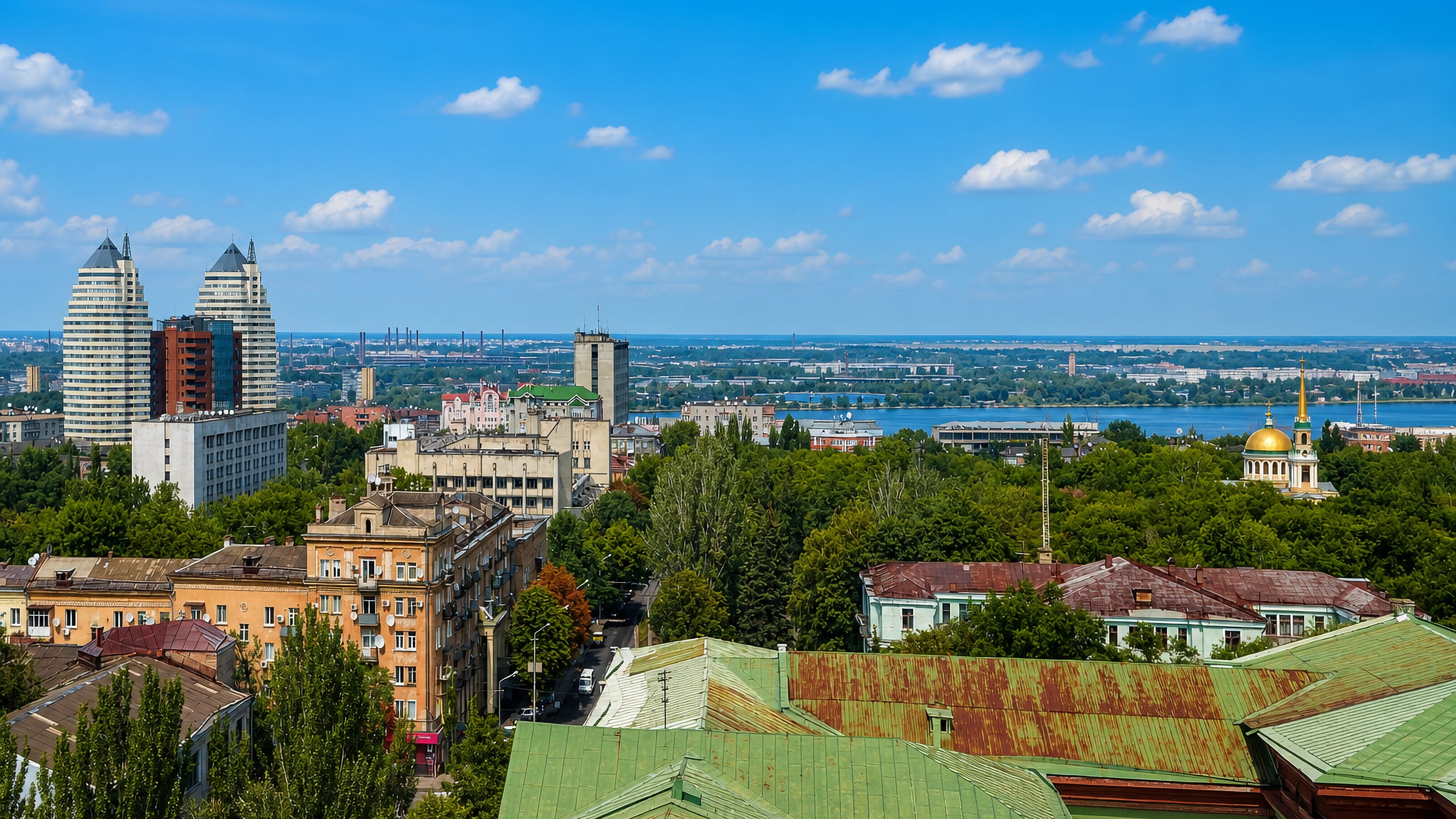
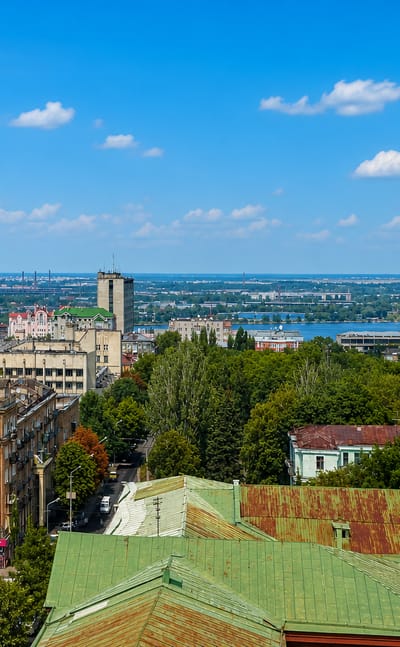
The Dnieper bends through Dnipro, a major industrial city in eastern Ukraine, known for the church of St. Catherine and its long riverfront.Where to stay →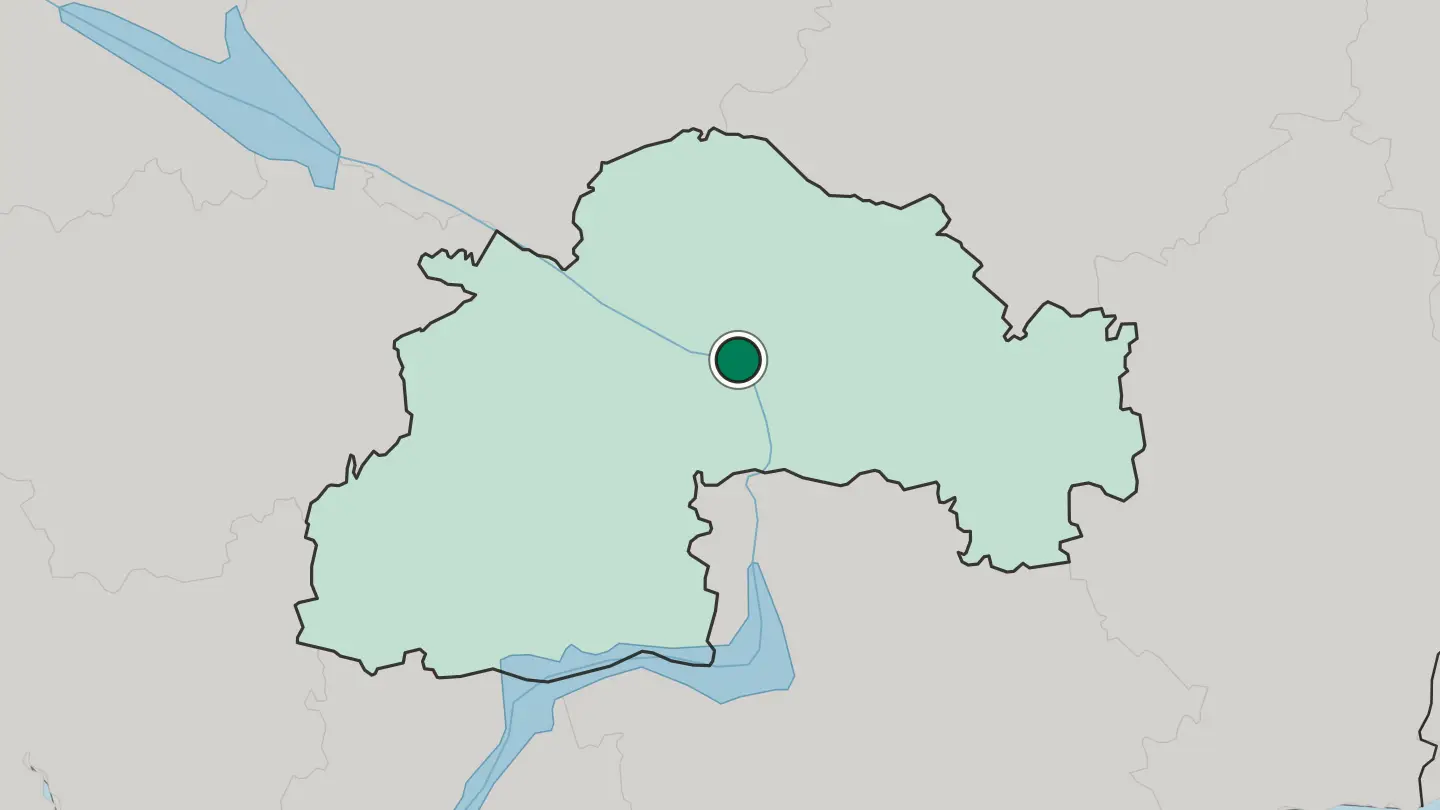
 Ukraine
Kryvyy Rih
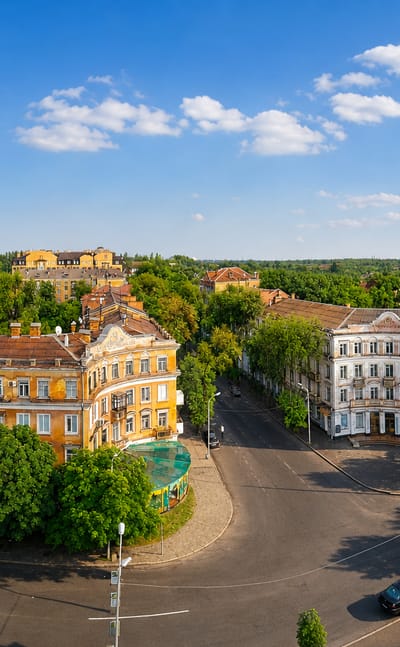
Iron ore built Kryvyi Rih, a long, sprawling steel city in central Ukraine, known as one of Europe's longest urban stretches in Dnipropetrovsk Oblast.Where to stay →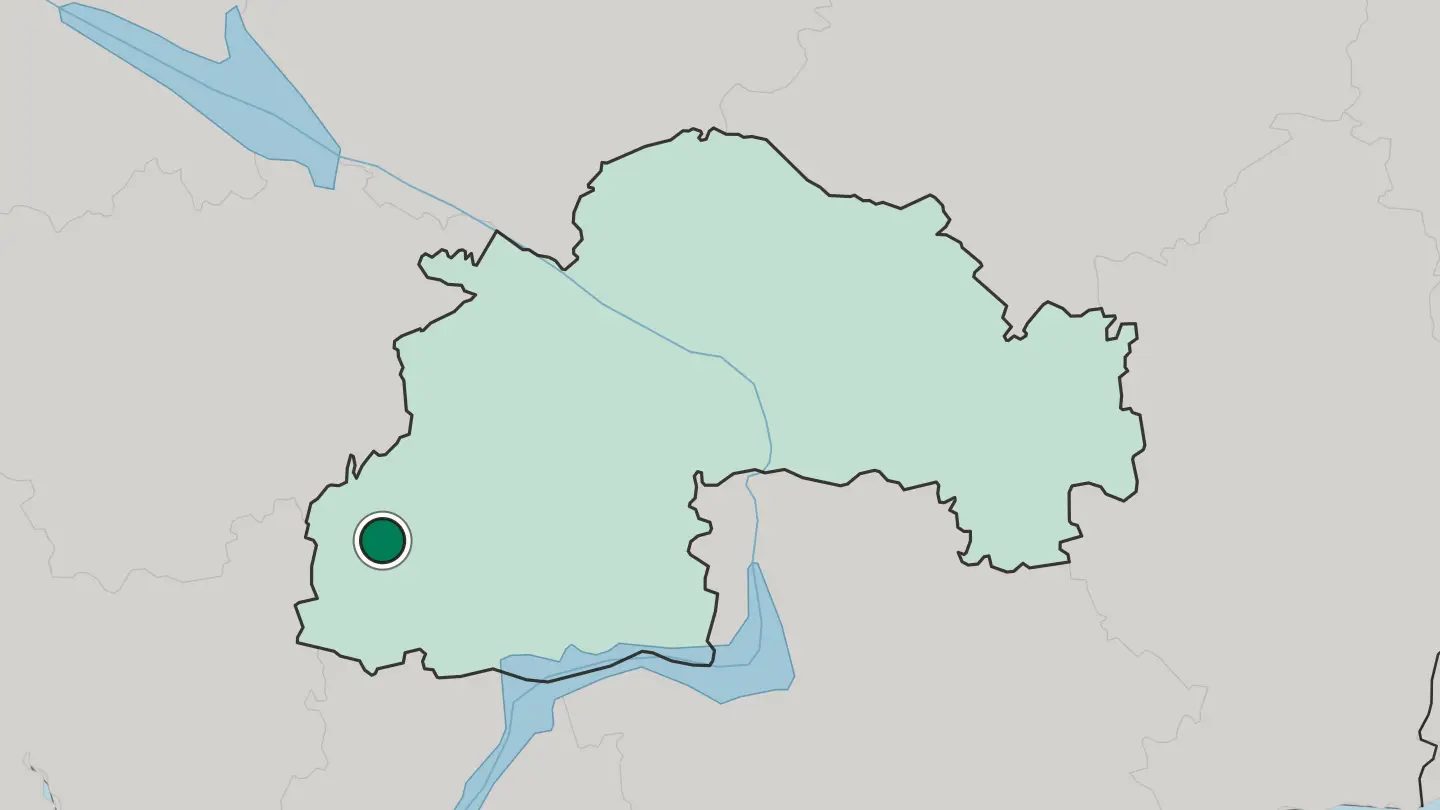
 Ukraine
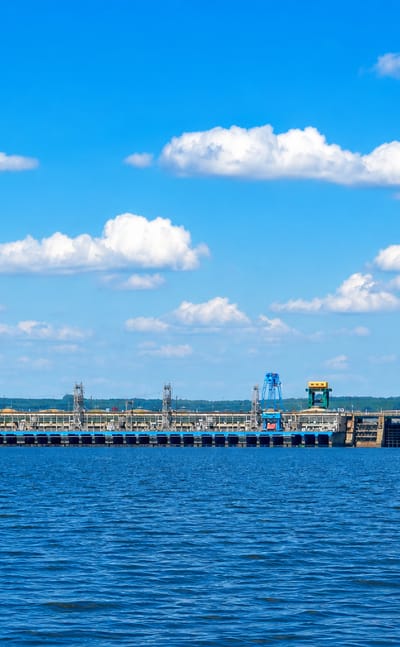
Kamyanske
Foundry smoke shaped Kamyanske, an industrial city in Dnipropetrovsk Oblast, Ukraine, with the Prometheus Monument and the Church of the Holy Protection.Where to stay →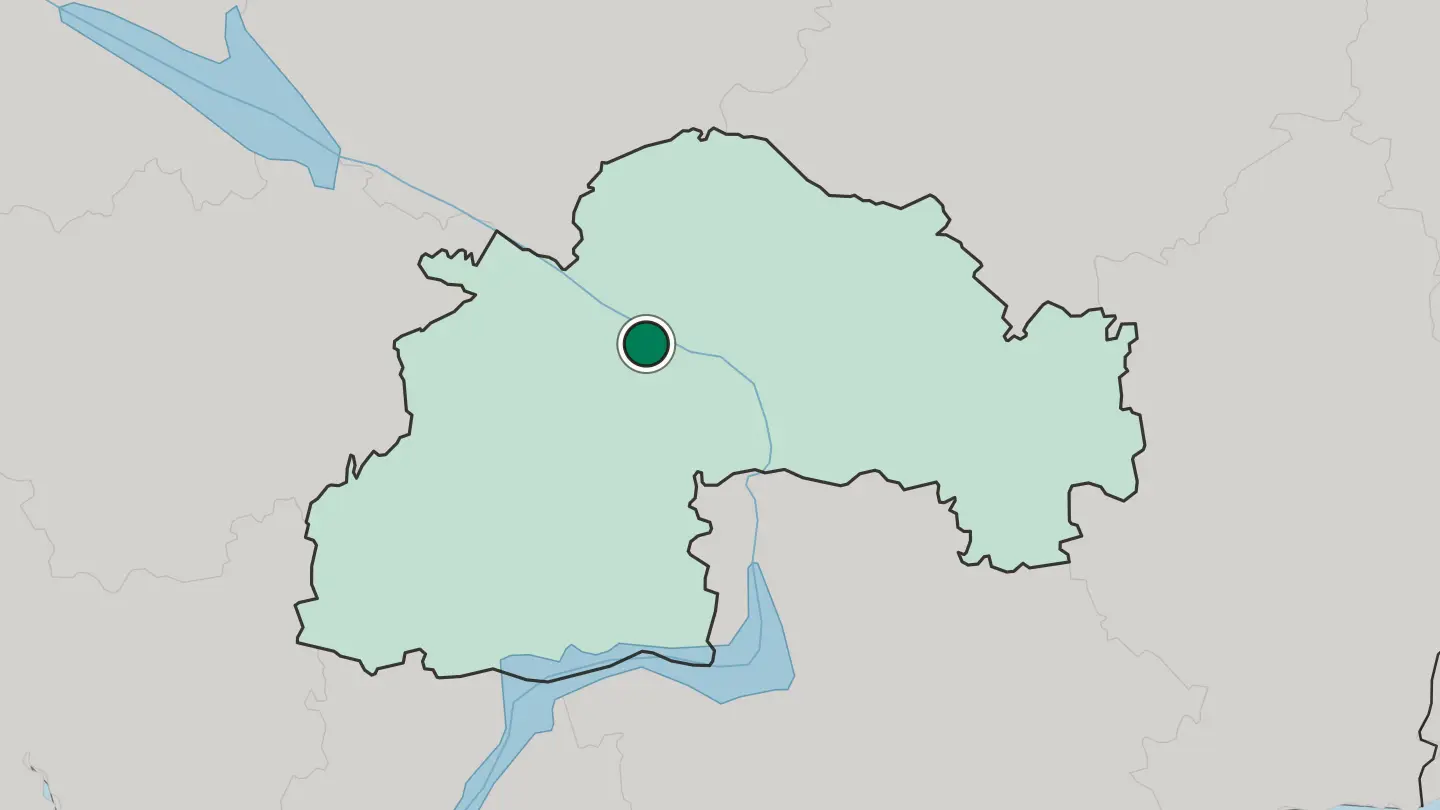
 Ukraine
Nikopol
Nikopol holds the right bank of the Dnieper in Dnipropetrovsk Oblast, a river city chartered in 1782 between Kryvyi Rih and Zaporizhzhia.Where to stay →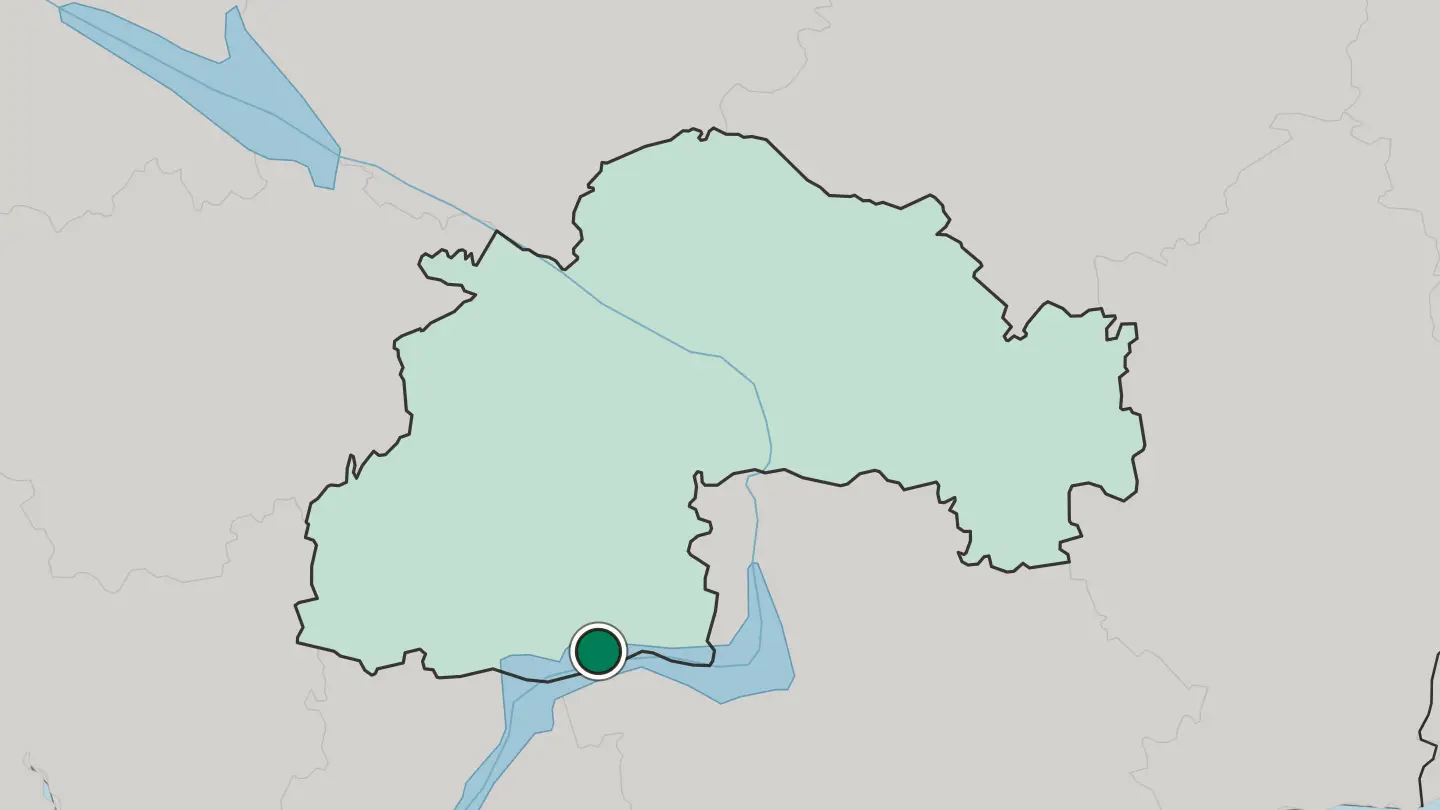
 Ukraine
Pavlohrad
Pavlohrad is an industrial city in Dnipropetrovsk Oblast, founded in 1779 and known for the Holy Mandylion cathedral at its centre.Where to stay →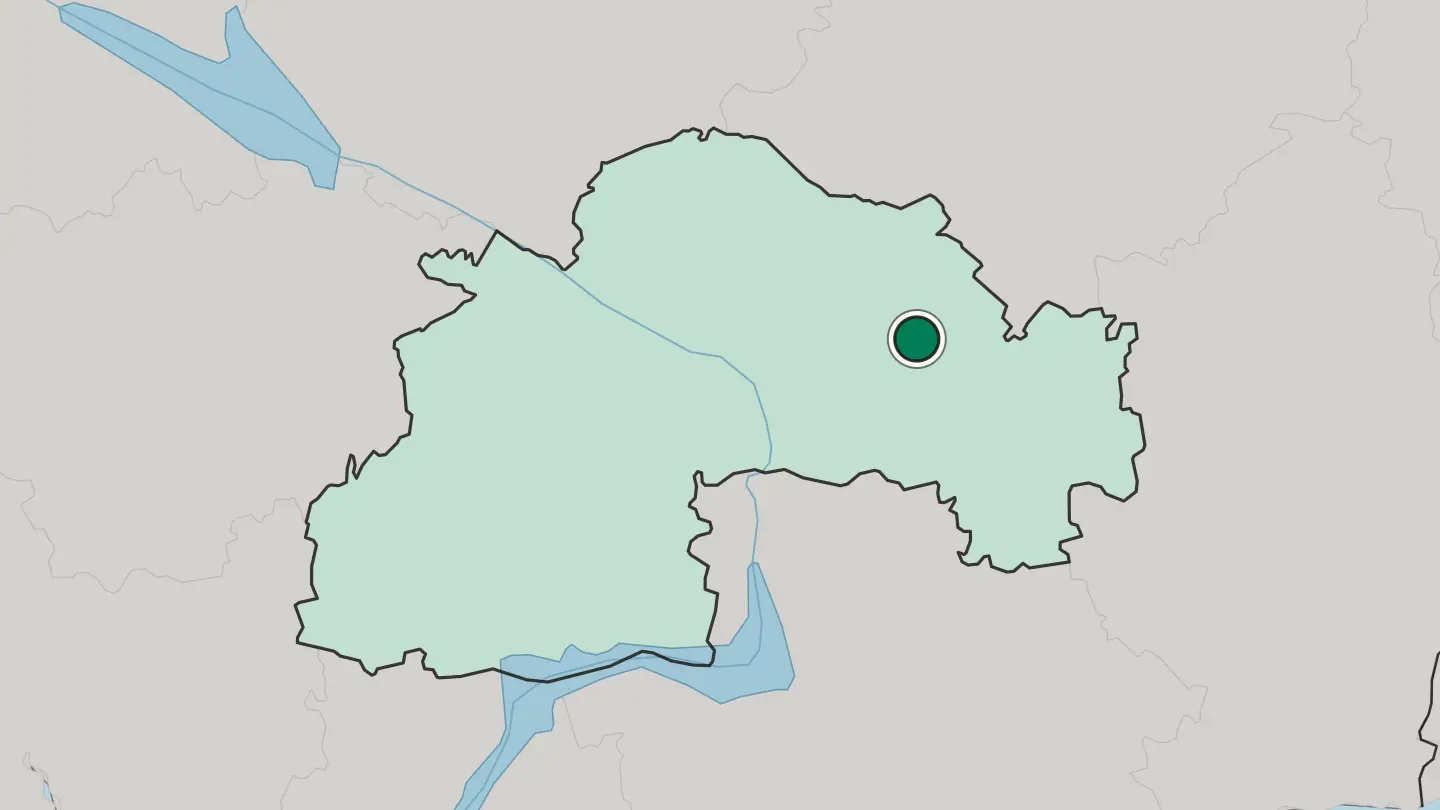
 Ukraine
Samar
Samar, known as Novomoskovsk until 2024, stands on the right bank of the Samara in Dnipropetrovsk Oblast, a short drive from Dnipro.Where to stay →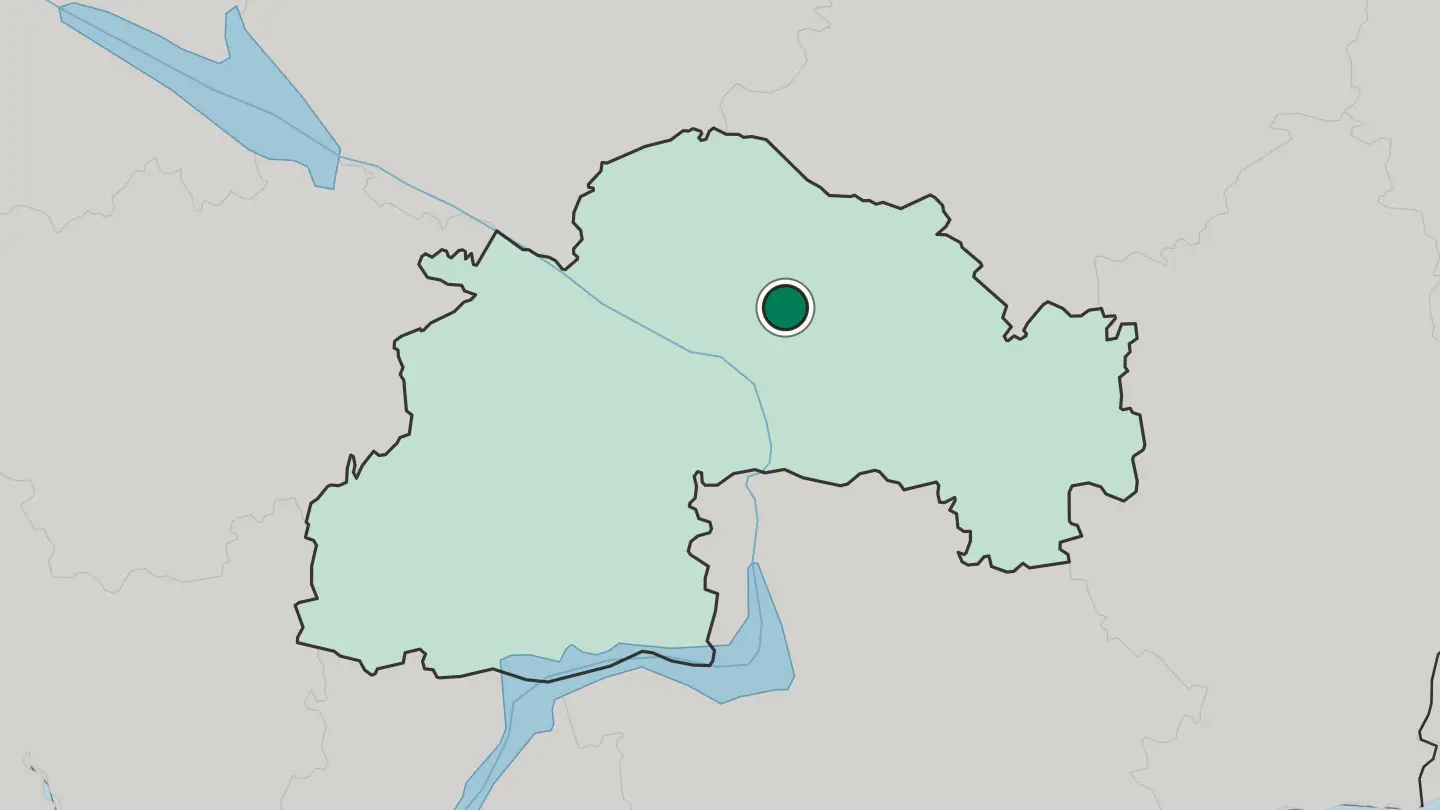
Hotel links are affiliate links: booking through them may earn us a commission, at no extra cost to you. It never affects how places are ranked. How this works
About Dnipropetrovsk Oblast
What is Dnipropetrovsk Oblast known for?
This is Ukraine's mining and metallurgy powerhouse. The Kryvyi Rih basin in the west holds one of Europe's great iron-ore fields, and its mines have fed steelmaking here since the 1880s. Nikopol, on the right bank of the Dnipro River, sits atop one of the world's richest manganese deposits.
The regional capital, Dnipro, built rockets and satellites for the Soviet space and missile programme at the Pivdenmash works. Steppe, steel, and the wide river define the place.
Where is Dnipropetrovsk Oblast?
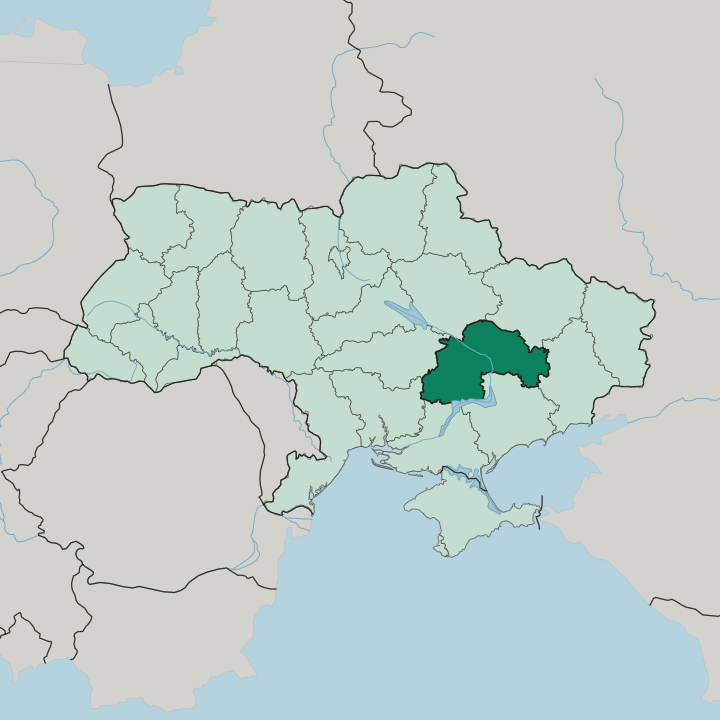
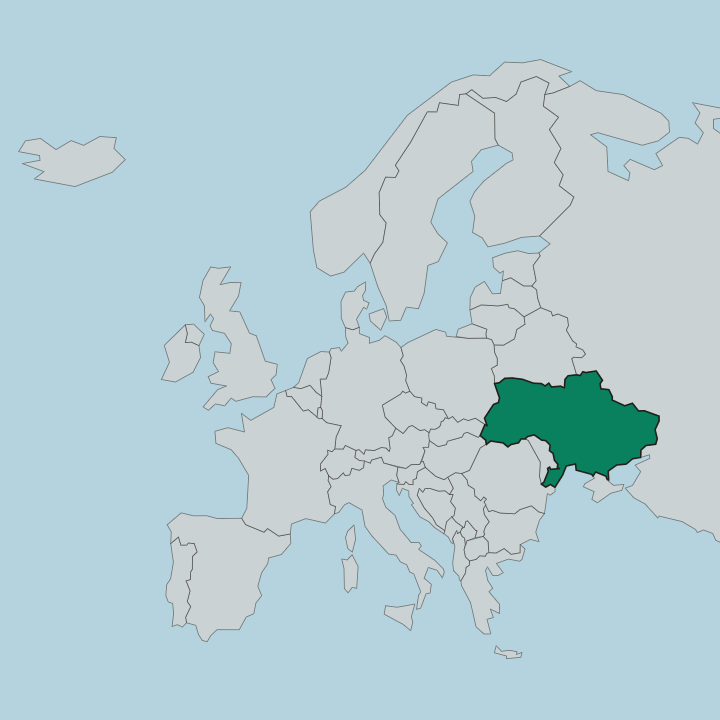
Dnipropetrovsk Oblast spreads across central Ukraine, one of the largest regions in the country by area. The Dnipro River is its spine. It enters from the north-west and swings south-east across the whole oblast, splitting the land into a right bank and a left bank before running on toward the Black Sea.
West of the river the ground rises into the Dnipro Upland, a rolling shield of ancient rock veined with iron ore, manganese, granite, and graphite. East and south the country flattens into dry steppe, the open grassland that gives the region its horizons. Tributaries such as the Samara and the Oril feed the main channel from the plains.
Dams have widened the Dnipro into a chain of reservoirs, and the Kamianske and Dnipro reservoirs back up behind them to serve the mills and mines. Rain is modest here. The steppe receives roughly 400 to 490 millimetres a year, far less than the wetter west of Ukraine, so the land reads brown and gold through much of the warm season.
The regional capital, Dnipro, stands on the river near the oblast's centre, and the ore city of Kryvyi Rih lies off to the west near the Saksahan and Inhulets rivers. Everything here is shaped by that broad, dammed river and the mineral ground it cuts through.
What is Dnipropetrovsk Oblast like?
Work made this region, and the culture wears its industry openly. Generations of miners, steelworkers, and rocket engineers built the towns, and their trades still set the rhythm of daily life. The regional capital, Dnipro, grew from the imperial town of Katerynoslav into a closed Soviet centre for missiles and spaceflight, sealed to foreigners for decades because of the Pivdenmash works.
That secretive engineering pride lingers in the city's museums and monuments. Ukrainian is the everyday language across the oblast, spoken alongside a good deal of Russian in the mining and factory towns. The mix reflects a century of workers drawn in from across the old Soviet Union to the mines of the Kryvbas and the mills along the Dnipro River.
Life here leans practical rather than picture-book. The long embankment in Dnipro draws crowds on warm evenings, and the ore ridges above Kryvyi Rih have become an odd, man-made landscape of their own. This is a lived-in, working corner of Ukraine, not a museum piece.
What is the history of Dnipropetrovsk Oblast?
The story begins with Cossack settlements on the lower Dnipro River and Catherine II's founding of Katerynoslav in 1784. For a century the town stayed small. Everything changed when railways reached the region in the 1880s and linked the iron ore of Kryvyi Rih to the coal of the Donbas, igniting one of the Russian Empire's fastest industrial booms.
The Soviet state turned the region into a metallurgical core, added missile and rocket plants after the war, and drew the modern oblast on the map in 1932. Its cities have carried Ukrainian heavy industry ever since.
What is the climate of Dnipropetrovsk Oblast?
The oblast has a dry continental climate. This is the weather of open steppe. Winters run cold, with January hovering a few degrees below freezing, while summers turn hot and dusty and July afternoons can climb well past thirty.
Rain is sparse and uneven, only about 400 to 490 millimetres a year, most of it falling as summer thunderstorms over the grassland. The wide Dnipro River and its reservoirs soften the extremes a little near the water. Away from the river the steppe simply bakes.
How do you get to Dnipropetrovsk Oblast?
In peacetime, most travellers reach the region through Dnipro International Airport, the capital's gateway on the edge of the city. Rail is the workhorse, though. Dnipro sits on the main lines that fan out to Kyiv, Kharkiv, and the Black Sea coast, and overnight trains connect it with cities across Ukraine.
Local trains and roads thread west from the capital to Kryvyi Rih and the mining towns, and south along the Dnipro River toward Nikopol. For now, there are no flights. Ukrainian airspace has been closed to civil aviation since the full-scale war began, so every route into the oblast runs overland.
Common questions
What is the best area to stay in Dnipropetrovsk Oblast?
Dnipro: the riverfront capital and its embankment. Kryvyi Rih: the Kryvbas mining country. Nikopol: the lower Dnipro and its steppe.
More regions in Ukraine
Updated September 2026