United States · Colorado
Where to Stay in Aurora, Colorado
Aurora spreads east of Denver across Arapahoe, Adams, and Douglas counties, Colorado's third-largest city and a Front Range Urban Corridor anchor.
Hotel links are affiliate links: booking through them may earn us a commission, at no extra cost to you. It never affects how places are ranked. How this works


Where to stay in Aurora
Where visitors usually base themselves, and why.
The Denver line decides it. Aurora begins immediately east of Denver, and a bed taken here is nearly always a bed weighed against one over that boundary, for space, for cost, or simply for being on the eastern side of the metropolitan area. That comparison never disappears.
A room near the city line suits you if the trip is really about Denver and the Arapahoe County address is only where the night was cheaper. The museum quarter is the alternative. Aurora History Museum and Delaney Farm together form the city's own account of itself, and choosing beds within reach of them means treating Aurora as a destination rather than as an annexe of the larger city.
Delaney Farm is the older half. The William Smith House belongs to the same short register of preserved buildings, while Colorado Community Church and the Korean Academy of Taekwondo show how much of the public calendar runs through institutions instead of through a historic core. Ground is not scarce.
Aurora covers a great deal of Arapahoe County and pushes on into Adams County and Douglas County, so lodging is spread across a lot of road rather than gathered into one walkable district, and distances between one part of the city and another are real. Driving is assumed here. Anyone arriving without a car should weigh Denver instead, since the Front Range Urban Corridor concentrates its connections on the older city.
Find hotels in Aurora
Direct booking searches for these neighbourhoods.
The Denver city line
The western edge of Aurora, pressed against the Denver boundary, where an Arapahoe County room is chosen mainly for how little road separates it from the larger city.Find hotels in The Denver city lineStays built around the Aurora History Museum and Delaney FarmAround the Aurora History Museum
The civic ground where the Aurora History Museum holds the city's record and Delaney Farm preserves the farmstead that stood on the plain before it. Few places to stay nearby — book ahead.Find hotels in Around the Aurora History MuseumDrivers taking the Adams County share of AuroraThe Adams County reach
The part of Aurora that lies outside Arapahoe County altogether, thin on centres and organised around long arterial roads, useful when the rest of the city is full. Beds are limited here, so book early.Find hotels in The Adams County reachHotel links are affiliate links: booking through them may earn us a commission, at no extra cost to you. It never affects how places are ranked. How this works
Things to do in Aurora
Ranked by global recognition; descriptions from Wikidata (CC0).
Museums & Galleries
2- Aurora History Museum
- Delaney Farm Part Of The Aurora History Museum
Churches & Religious Sites
1- Colorado Community Church
Stadiums & Sports
1- Korean Academy of Taekwondo
Landmarks & Notable Places
1- William Smith House Heritage
worth knowingacross 4 categories in Aurora
About Aurora
What is Aurora known for?
Denver's eastern neighbour. Aurora reaches across three counties, Arapahoe and Adams and Douglas, which is unusual enough that the city is easier to describe by its borders than by any single centre. The Aurora History Museum keeps the record.
Delaney Farm belongs to that museum, and the pairing of a preserved farmstead with a civic collection says most of what needs saying about ground that was agricultural long before it became Colorado's third-largest city.
What are the main landmarks in Aurora?
Five entries make the register. The Aurora History Museum and Delaney Farm are counted separately even though the farm is administered as part of the museum, which is a fair reflection of how differently the two read once you are standing at them. William Smith House is the third.
Colorado Community Church and the Korean Academy of Taekwondo close a list that leans toward working institutions and small preserved buildings rather than monuments, which suits a city of Aurora's kind.
What is the history of Aurora?
Aurora dates from 1891. The town was laid out on open ground east of Denver at a moment when Denver was already the established city and everything beyond its edge was farmland, and that relationship has shaped the place ever since. Delaney Farm survives from those decades.
Its buildings are held as part of the Aurora History Museum, which gives the city a documented line back to the agricultural ground it was built on rather than an invented one. Growth came from the metropolis. Aurora expanded past the county line into Adams County and later into Douglas County, so a settlement founded in one jurisdiction ended up administered across three, while Arapahoe County kept the greater share of it.
Three counties, one municipality. The Denver-Aurora-Centennial metropolitan area treats Aurora as a principal city rather than as a suburb, and the wider Denver-Aurora-Greeley combined area places it in the same bracket as Greeley. Civic recognition arrived in 2008.
Aurora was named an All American City that year, an award about municipal life rather than tourism, and it fits a place whose landmark register runs to a museum, a farm, a house, a church, and a martial arts academy. Colorado Community Church and the Korean Academy of Taekwondo belong to that same record. William Smith House is the oldest thing standing on it, and the Front Range Urban Corridor is the frame that everything since 1891 has been built into.
Where is Aurora?
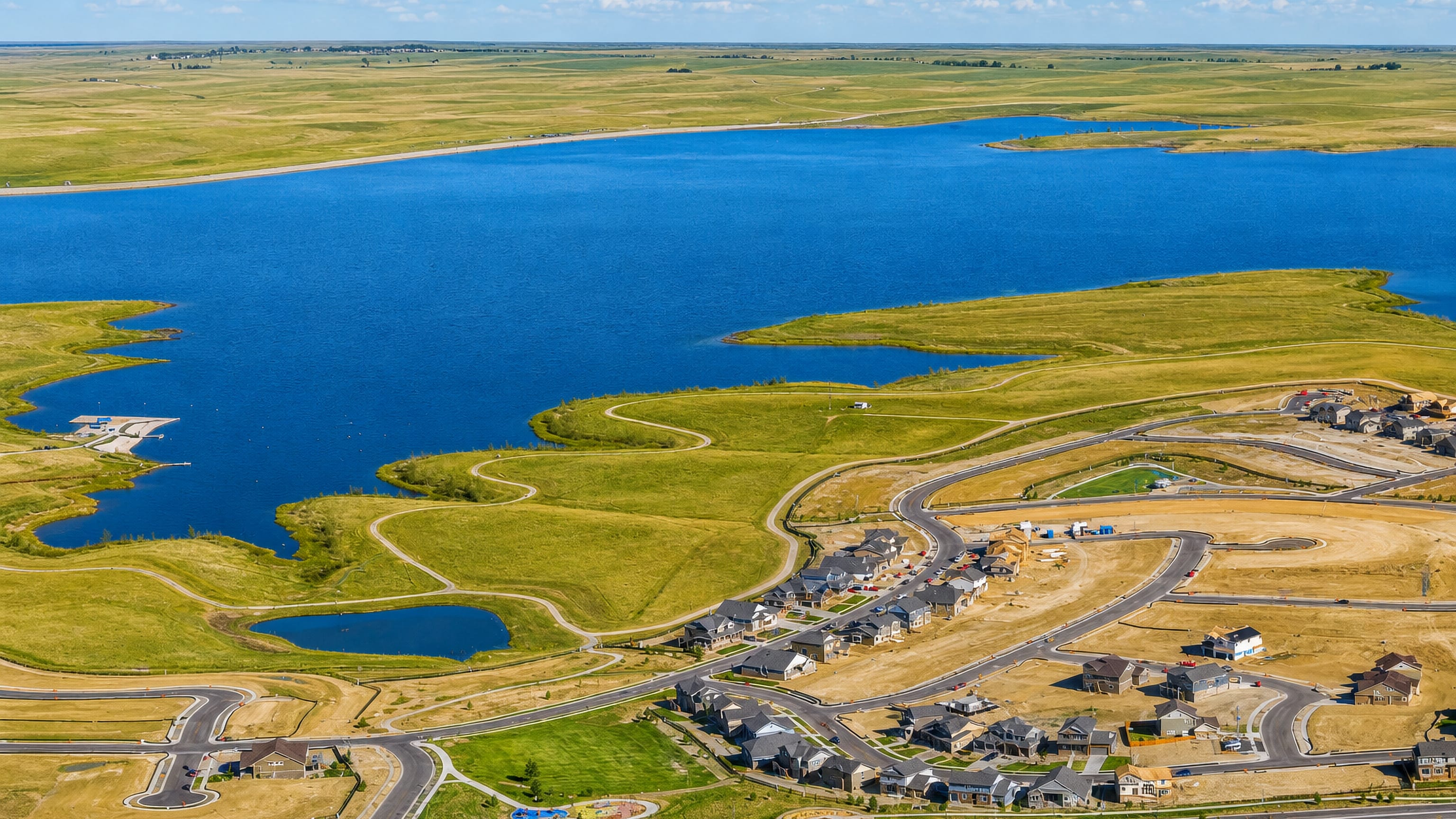
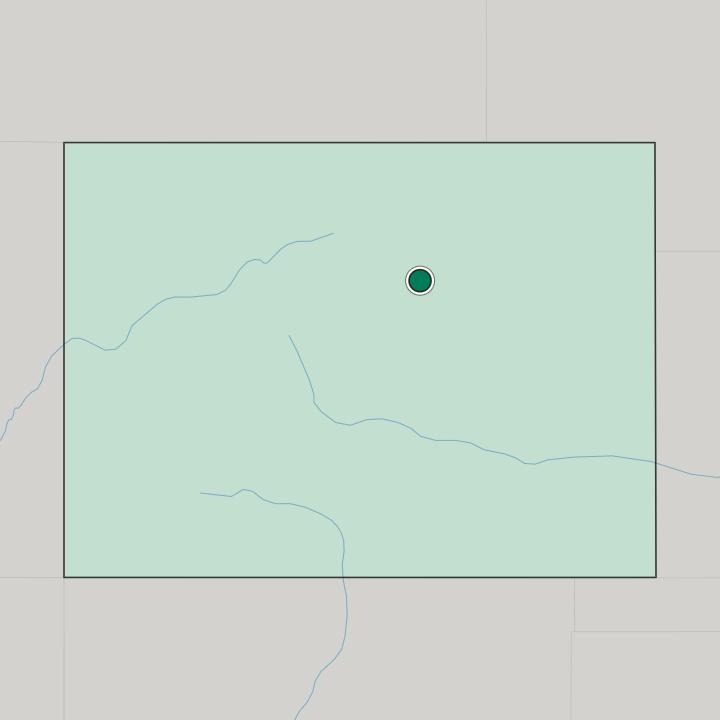
Open plain, no mountain. Aurora occupies a wide stretch of ground immediately east of Denver, spilling out of Arapahoe County into both Adams County and Douglas County, which gives the city a footprint far broader than any of its centres would suggest. Three counties, one city.
The Front Range Urban Corridor runs through it, and Delaney Farm is a working reminder of what the ground carried before the streets covered it.
What is the climate of Aurora?
The open plain sets the terms. Aurora lies in the temperate band on ground east of Denver with no coast and no sheltering ridge nearby, so the swing between the hot half of the year and the cold half arrives with very little to soften it. Wind crosses unobstructed.
Delaney Farm rewards the warm months while the Aurora History Museum absorbs the cold ones, and the choice between them is usually made by the week rather than by the visitor.
How do you get to Aurora?
Nearly everyone comes through Denver. Aurora shares a boundary with the larger city, and the roads crossing that line carry the traffic both ways, because the Front Range Urban Corridor concentrates its long-distance connections on Denver rather than on the cities beside it. A car makes it simple.
Reaching the Adams County and Douglas County ends of Aurora without one is harder again, since those parts sit furthest from Arapahoe County and from the Denver boundary that everything else is measured against.
Common questions
What is the best area to stay in Aurora?
The Denver city line: Nights split between Aurora and central Denver. Around the Aurora History Museum: Stays built around the Aurora History Museum and Delaney Farm. The Adams County reach: Drivers taking the Adams County share of Aurora.
Good for
More cities in Colorado
Updated September 2026