United States · Colorado
Where to Stay in Arvada, Colorado
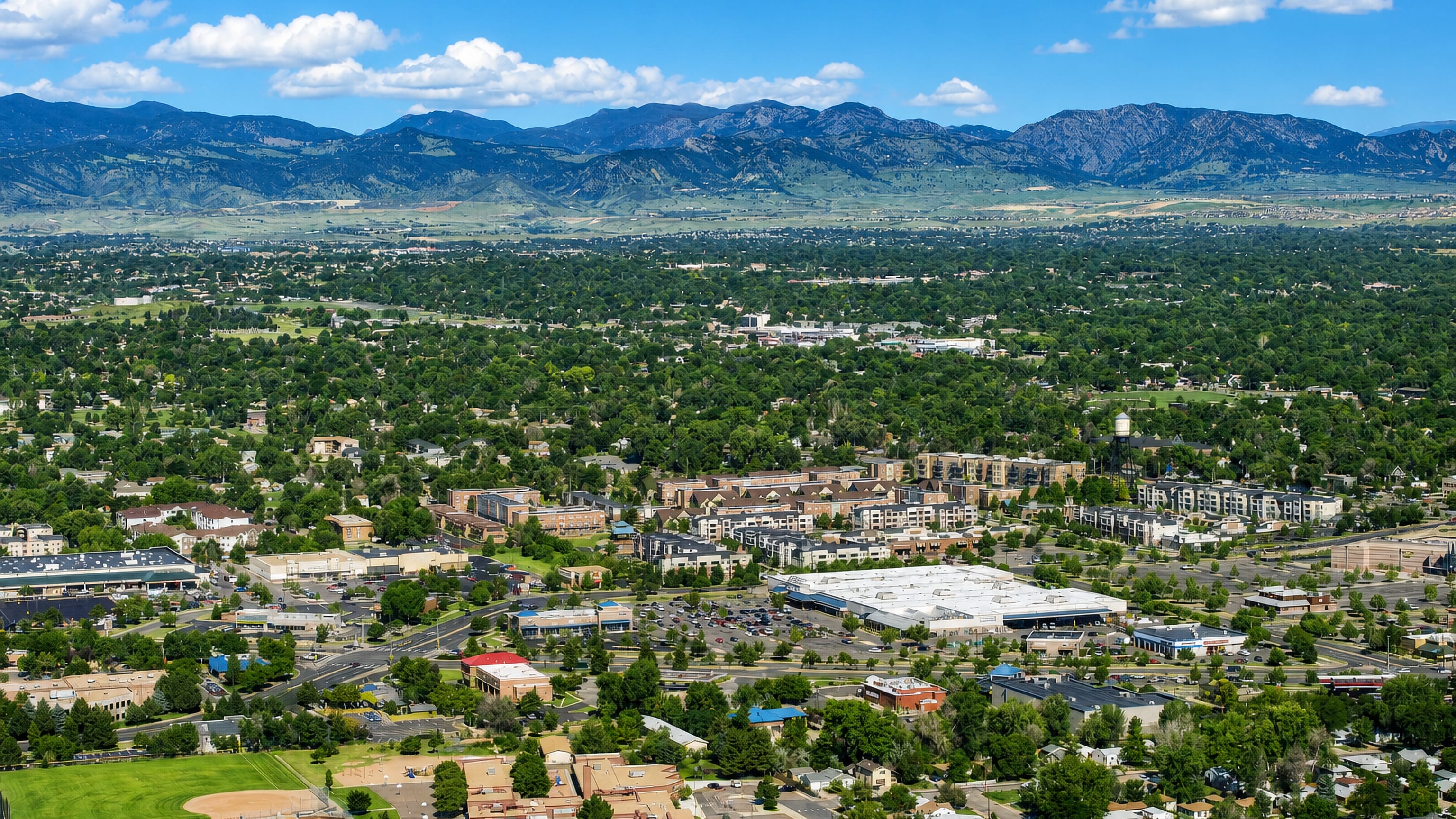
Arvada is a Colorado city split between Jefferson and Adams counties, with Olde Town Arvada at its core and Denver a short way off.
Hotel links are affiliate links: booking through them may earn us a commission, at no extra cost to you. It never affects how places are ranked. How this works


Where to stay in Arvada
Where visitors usually base themselves, and why.
Olde Town is the obvious base. The blocks around Arvada's historic district put restaurants, a walkable main street, and a real centre of gravity within a few minutes on foot, which is unusual for a suburb of the Denver Metropolitan Area. Room choice here runs thin.
Much of the region's lodging sits closer to Denver itself. Families weigh Lakeside instead. Lakeside Amusement Park and the Cyclone are the reason a share of visitors come this way at all, and a stay near that end of the city cuts a drive that would otherwise cross the whole of Arvada.
That is a lot of ground. The city covers more than a hundred square kilometres and spreads across two counties, Jefferson and Adams, so the difference between one edge and the other is a real one. Culture argues for a third option.
The Arvada Center for the Arts and Humanities draws evening traffic from across the Front Range Urban Corridor, and staying within reach of it saves the drive back after a performance. The Russell-Graves House, the Mcilvoy House, and the Arvada Flour Mill Museum sit closer to the old core, which suits anyone whose interest runs to what stood here first. Denver settles the rest.
The Colorado State Capitol is about seven miles off, so a room in Arvada works as a base for the city while keeping the evenings quieter.
Find hotels in Arvada
Direct booking searches for these neighbourhoods.
Olde Town Arvada
Arvada's historic main street, where the shopfronts and restaurants stand close enough together to make an evening on foot possible.Find hotels in Olde Town Arvadaa day at Lakeside Amusement Park that opens with the CycloneThe Lakeside end
The side of the city nearest Lakeside Amusement Park and the Cyclone still turning inside it. Beds are limited here, so book early.Find hotels in The Lakeside endnights that end after a show at the Arvada CenterNear the Arvada Center
Streets within reach of the Arvada Center for the Arts and Humanities, which fills on performance nights from across the Front Range Urban Corridor. Rooms are few around here — worth securing early.Find hotels in Near the Arvada Centerdrivers who want the city line rather than the centreThe Adams County share
The smaller of the two counties Arvada spans, out where the street grid thins toward the edge of the Denver Metropolitan Area. Few places to stay nearby — book ahead.Find hotels in The Adams County shareHotel links are affiliate links: booking through them may earn us a commission, at no extra cost to you. It never affects how places are ranked. How this works
Things to do in Arvada
Ranked by global recognition; descriptions from Wikidata (CC0).
Museums & Galleries
3- Arvada Center for the Arts and Humanities
- Arvada Flour Mill Museum, Mcilvoy House, And Arvada Historical Society Archives
- Mcilvoy House
Parks & Gardens
1- Lakeside Amusement Park
Landmarks & Notable Places
1- Russell-Graves House Heritage
worth knowingacross 3 categories in Arvada
About Arvada
Olde Town carries it.
What is Arvada known for?
The historic district at the middle of Arvada stands roughly seven miles northwest of the Colorado State Capitol, close enough to Denver for an easy evening and far enough out to keep a main street of its own. Two attractions pull from outside. Lakeside Amusement Park keeps its old rides running, the Cyclone among them, while the Arvada Center for the Arts and Humanities gives the Denver Metropolitan Area a performance hall that is not downtown.
What are the main landmarks in Arvada?
One park does the heavy lifting. Lakeside Amusement Park sits at the edge of Arvada with the Cyclone among the rides that still work, and the Arvada Center for the Arts and Humanities supplies a second draw of a completely different kind. The rest is domestic.
The Russell-Graves House and the Mcilvoy House survive from the town's early decades, and the Arvada Flour Mill Museum and the Arvada Historical Society Archives keep what the Olde Town district has recorded of itself since 1859.
What is the history of Arvada?
Arvada dates from 1859. That founding puts it among the older places on the Front Range Urban Corridor, laid out long before Denver's suburbs reached out to meet it. Farms held this ground first.
Arvada worked as a farming community across Jefferson and Adams counties for most of its history, and the Arvada Flour Mill Museum keeps the clearest surviving trace of what that economy actually looked like. Denver changed the arrangement. The city grew into a residential suburb of the Denver Metropolitan Area, close enough that the Colorado State Capitol stands roughly seven miles from Olde Town Arvada, and the farms gave way to the street grid that covers over a hundred square kilometres.
The old core held on. Olde Town Arvada survived as a historic district rather than being rebuilt, and the Russell-Graves House and the Mcilvoy House stand within the same few blocks as evidence of the town that preceded the suburb. Amusement arrived from the neighbours.
Lakeside Amusement Park and the Cyclone stand at the edge of the city, an inheritance from the years when this ground lay outside Denver rather than inside its metropolitan area. Culture followed later. The Arvada Center for the Arts and Humanities gave a suburb of this size a hall of its own, and the Arvada Historical Society Archives now hold the written record of everything that came before it.
Where is Arvada?
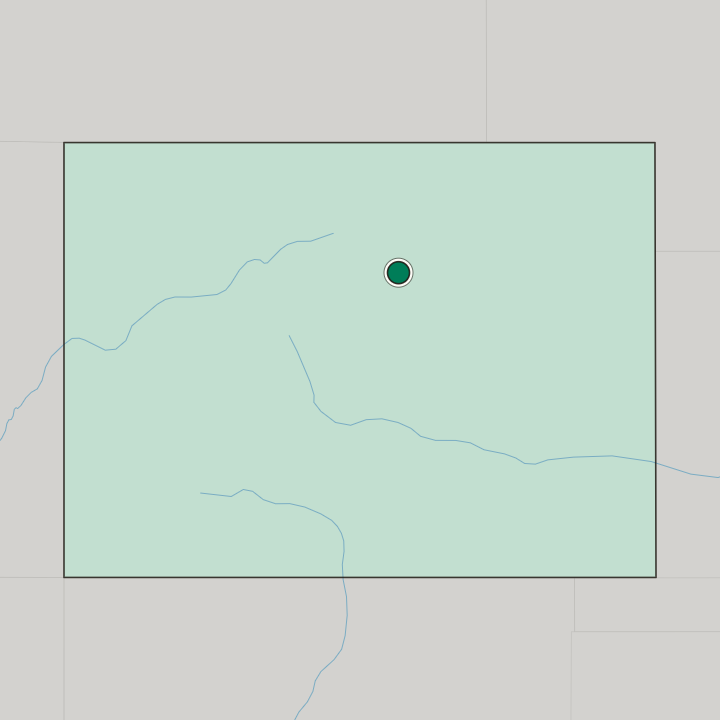
Two counties, one city. Arvada covers more than a hundred square kilometres split between Jefferson and Adams counties, with Olde Town Arvada standing about seven miles northwest of the Colorado State Capitol and about nine miles east of the Front Range foothills. The mountains stay in view.
That position on the Front Range Urban Corridor puts the city between Denver and the high ground, near enough to both that a day can take in the Colorado State Capitol and the foothills without much driving.
What is the climate of Arvada?
The Front Range does the sorting. Arvada sits about nine miles east of the Front Range foothills, on open ground rather than in the mountains, so weather here arrives already shaped by the country it has crossed and by the temperate band that governs this part of Colorado. Winter and summer both register.
A temperate inland position of this kind makes the swing between seasons the defining feature of the year, and the difference in feel between Olde Town Arvada and the foothills can be considerable on a single afternoon.
How do you get to Arvada?
Seven miles, and a road. The approach to Arvada runs out from Denver along the Front Range Urban Corridor, with Olde Town Arvada roughly seven miles northwest of the Colorado State Capitol, which makes the trip short by the standards of the Denver Metropolitan Area. Getting around needs a car.
Lakeside Amusement Park, the Arvada Center for the Arts and Humanities, and the Arvada Flour Mill Museum are spread across a city of more than a hundred square kilometres, and only Olde Town rewards walking between them.
Common questions
What is the best area to stay in Arvada?
Olde Town Arvada: evenings spent walking the Olde Town main street. The Lakeside end: a day at Lakeside Amusement Park that opens with the Cyclone. Near the Arvada Center: nights that end after a show at the Arvada Center. The Adams County share: drivers who want the city line rather than the centre.
Good for
More cities in Colorado
Updated September 2026