United States · Colorado
Where to Stay in Denver, Colorado
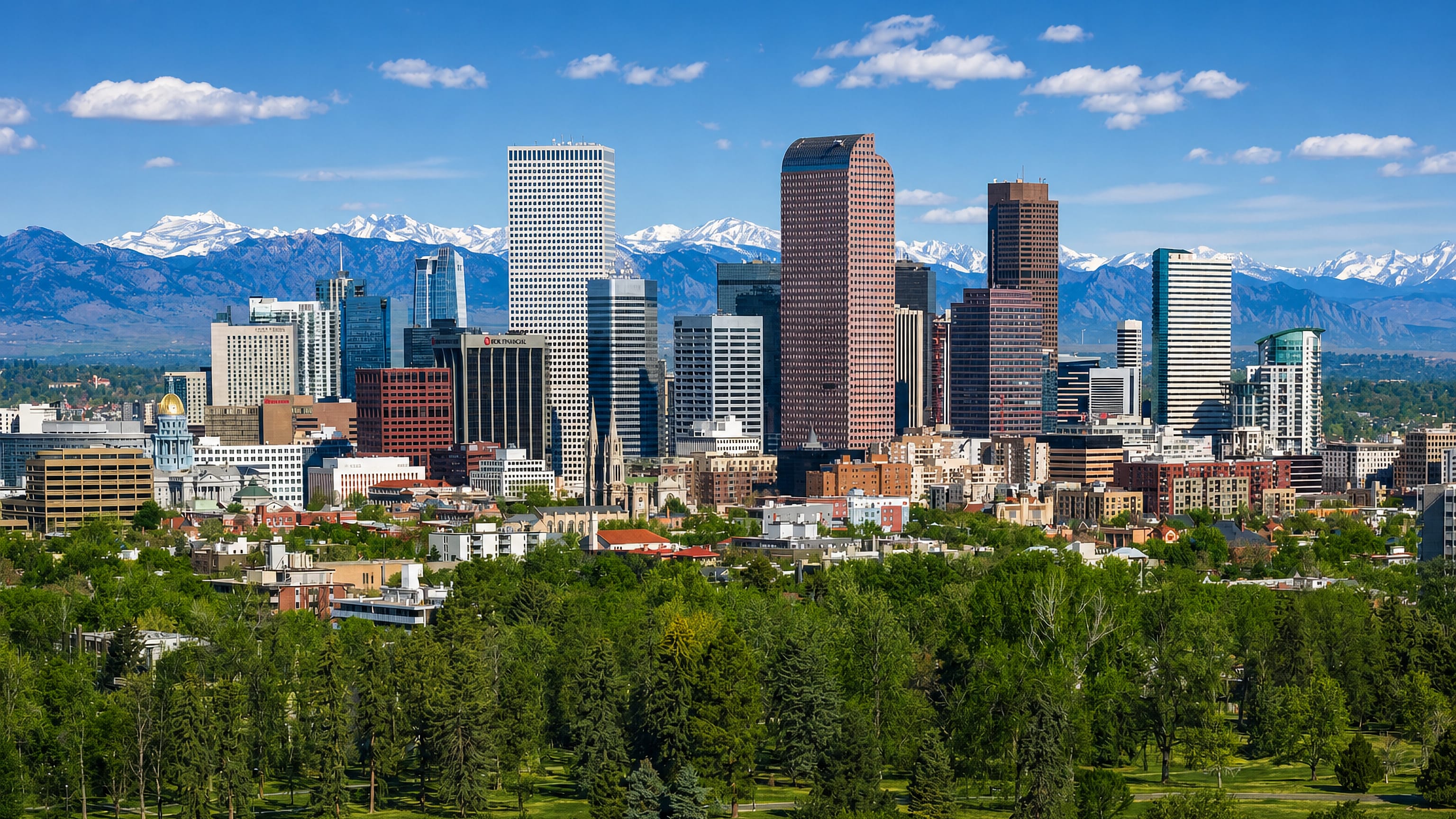
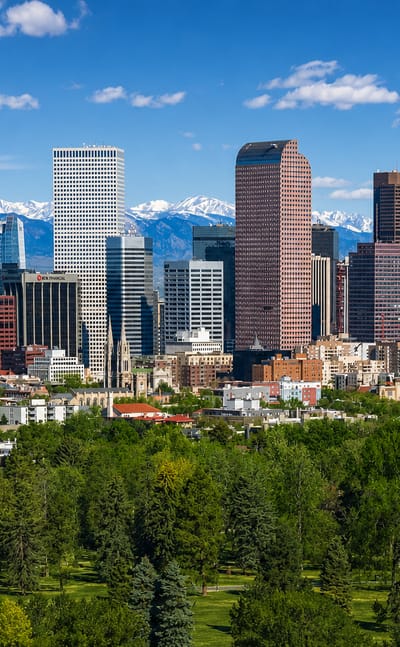
Denver sits on the South Platte River at the edge of the High Plains, the capital of Colorado, known for the Denver Art Museum and the Rockies.
Hotel links are affiliate links: booking through them may earn us a commission, at no extra cost to you. It never affects how places are ranked. How this works


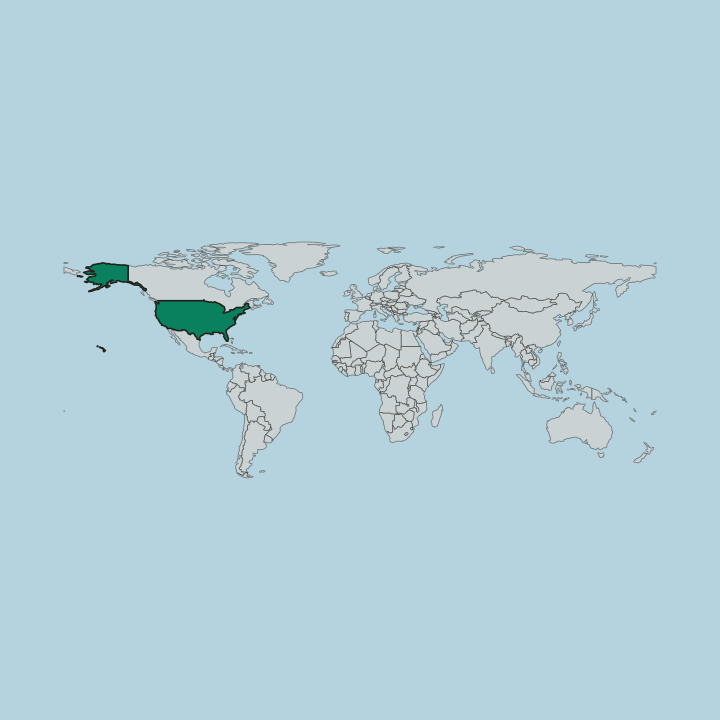
Where to stay in Denver
Where you base yourself shapes the visit — here's the character of each area.
 DenverUnited States
Capitol Hill
Capitol Hill is a historic neighbourhood in Denver, United States, ringing the Colorado State Capitol with mansions and museums.Capitol Hill →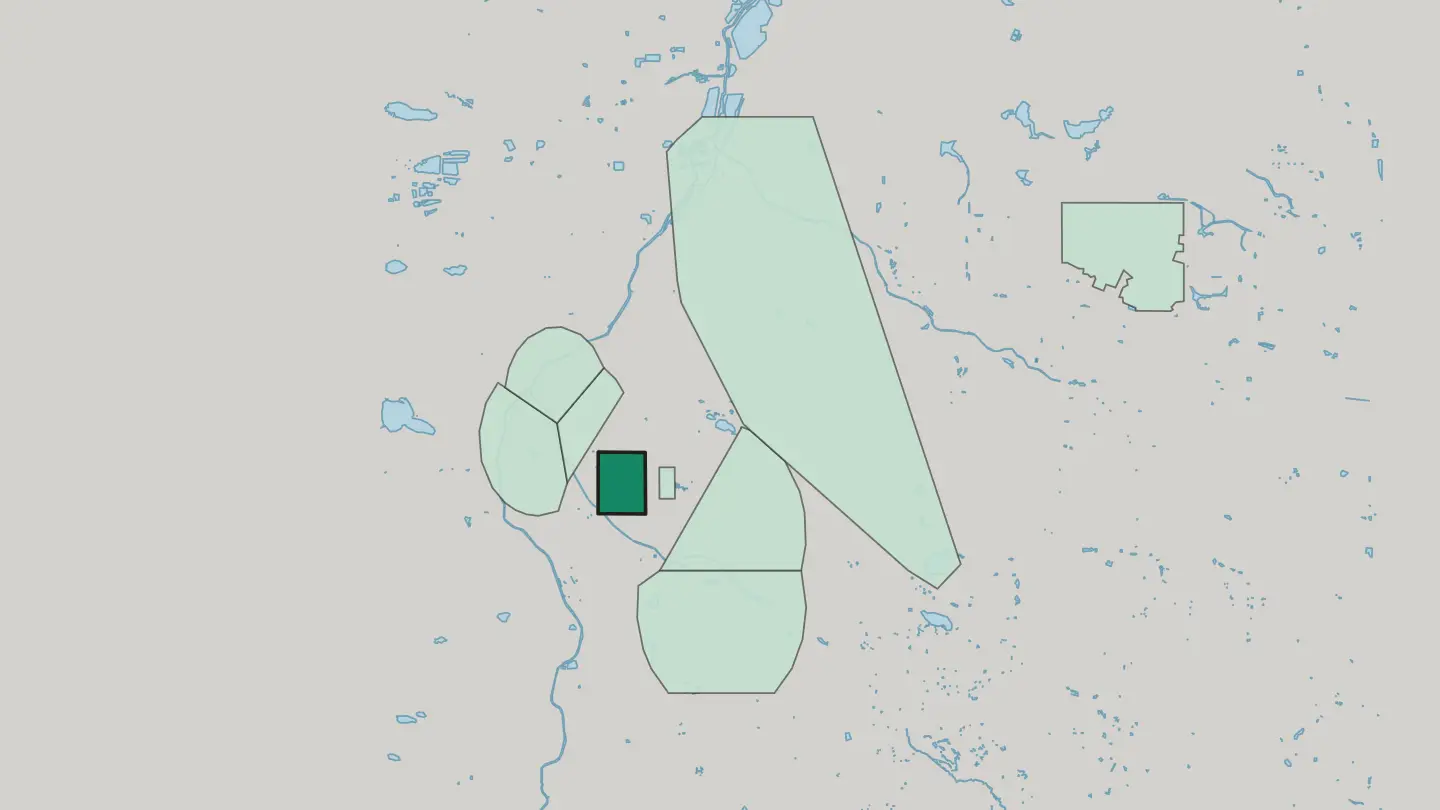 DenverUnited States
Downtown
Downtown is the central district of Denver, packed with museums, theatres, and the Colorado state seat.Downtown →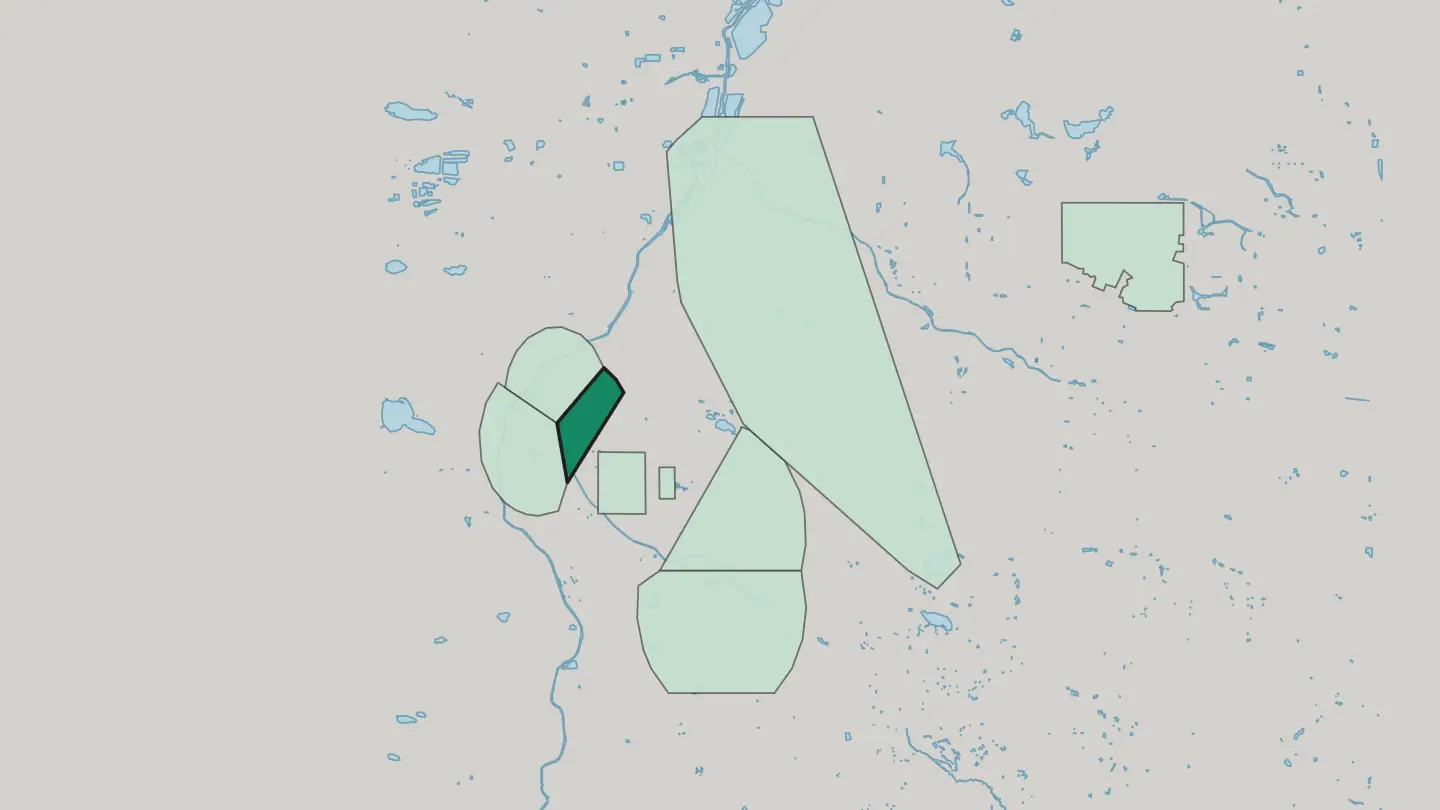 DenverUnited States
Cheesman Park
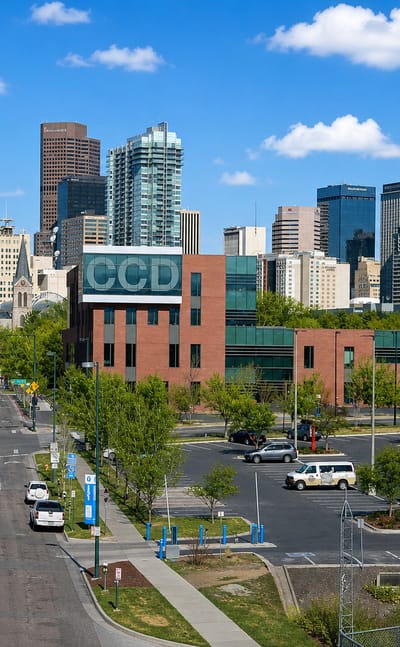
Cheesman Park is a leafy residential neighbourhood of Denver, built around its namesake park east of the city centre.Cheesman Park →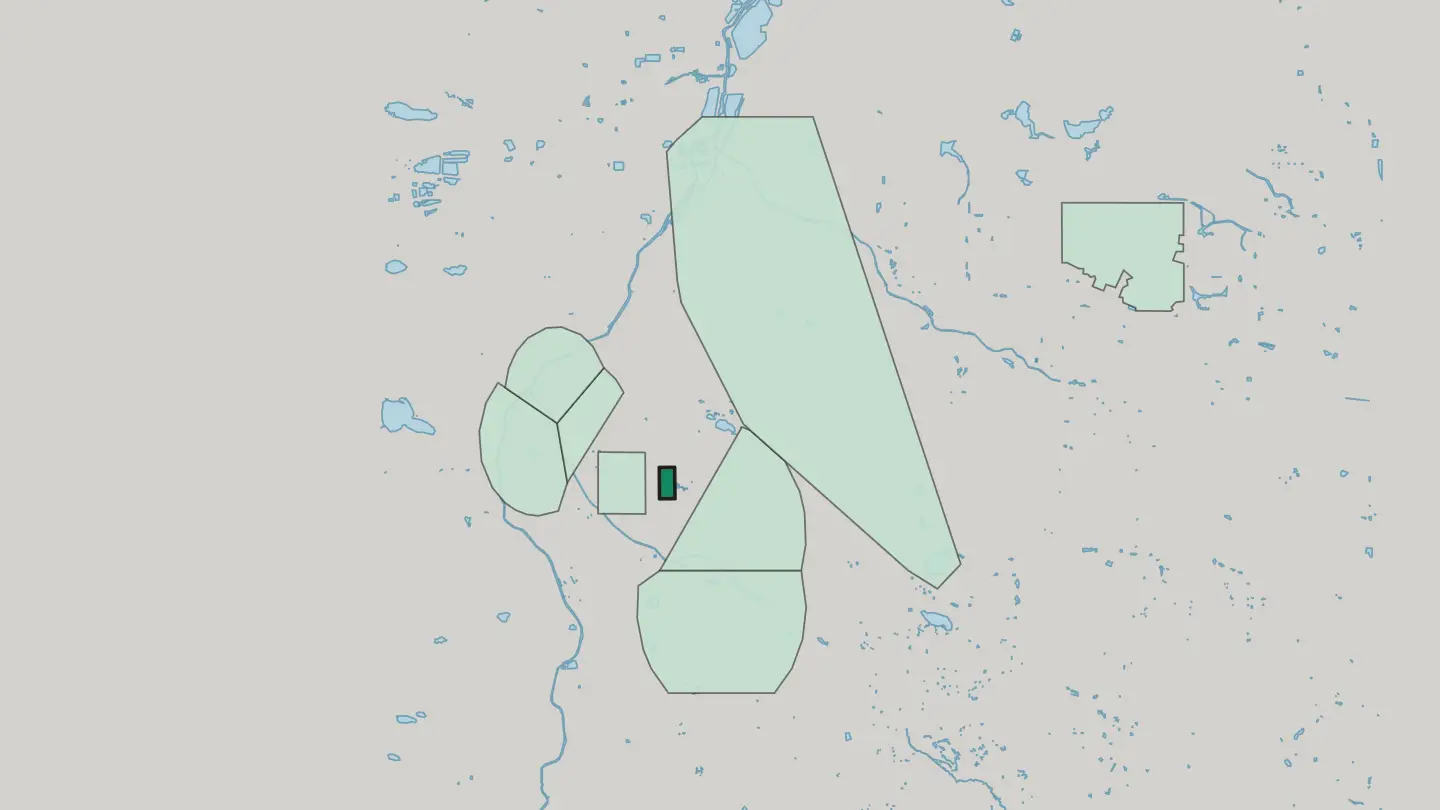
 DenverUnited States
Auraria
Auraria is a former territorial capital and one of Denver's founding settlements, anchored by the Auraria Campus and the Platte Valley attractions.Auraria →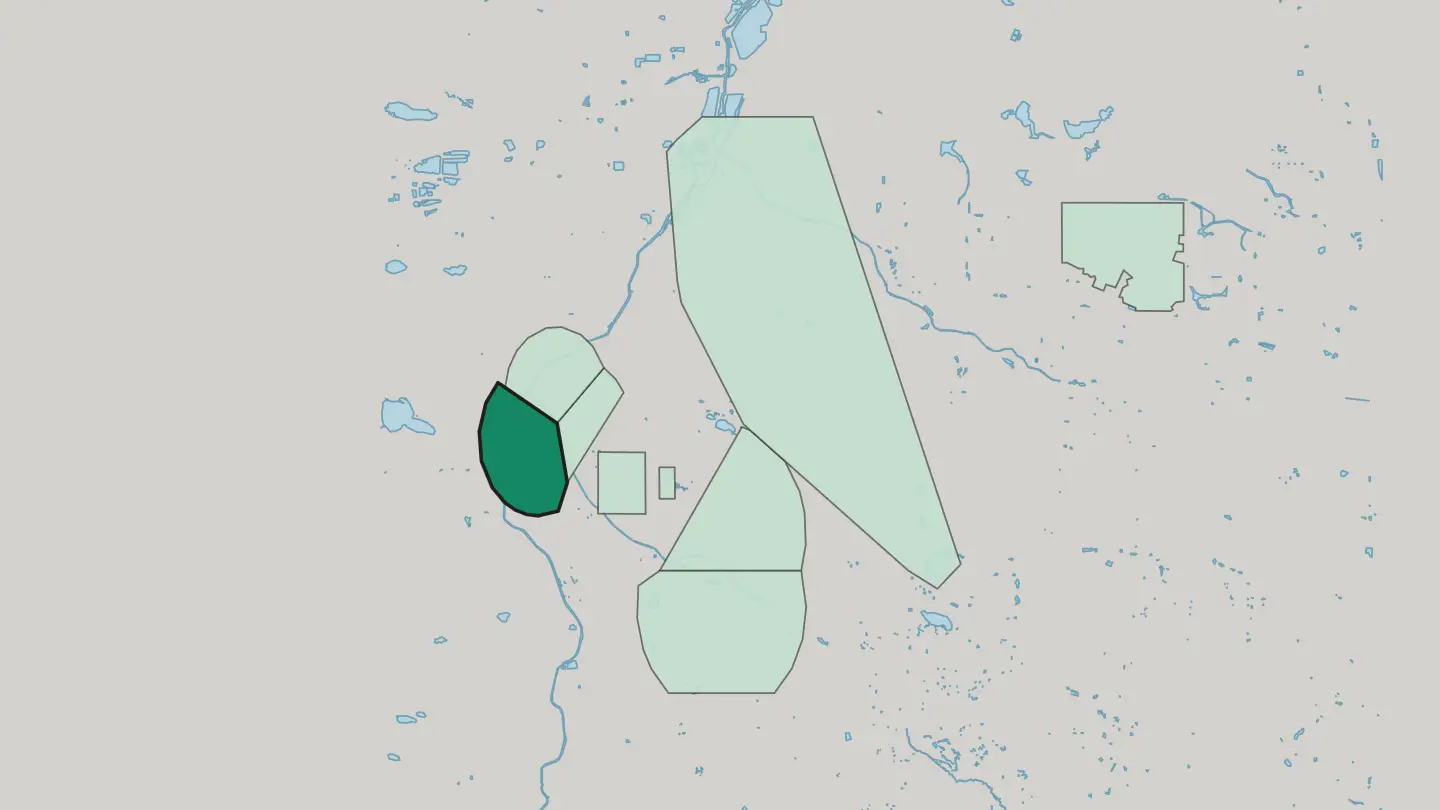
 DenverUnited States
LoDo
LoDo is Lower Downtown Denver, the city's old red-brick warehouse quarter at the core of downtown.LoDo →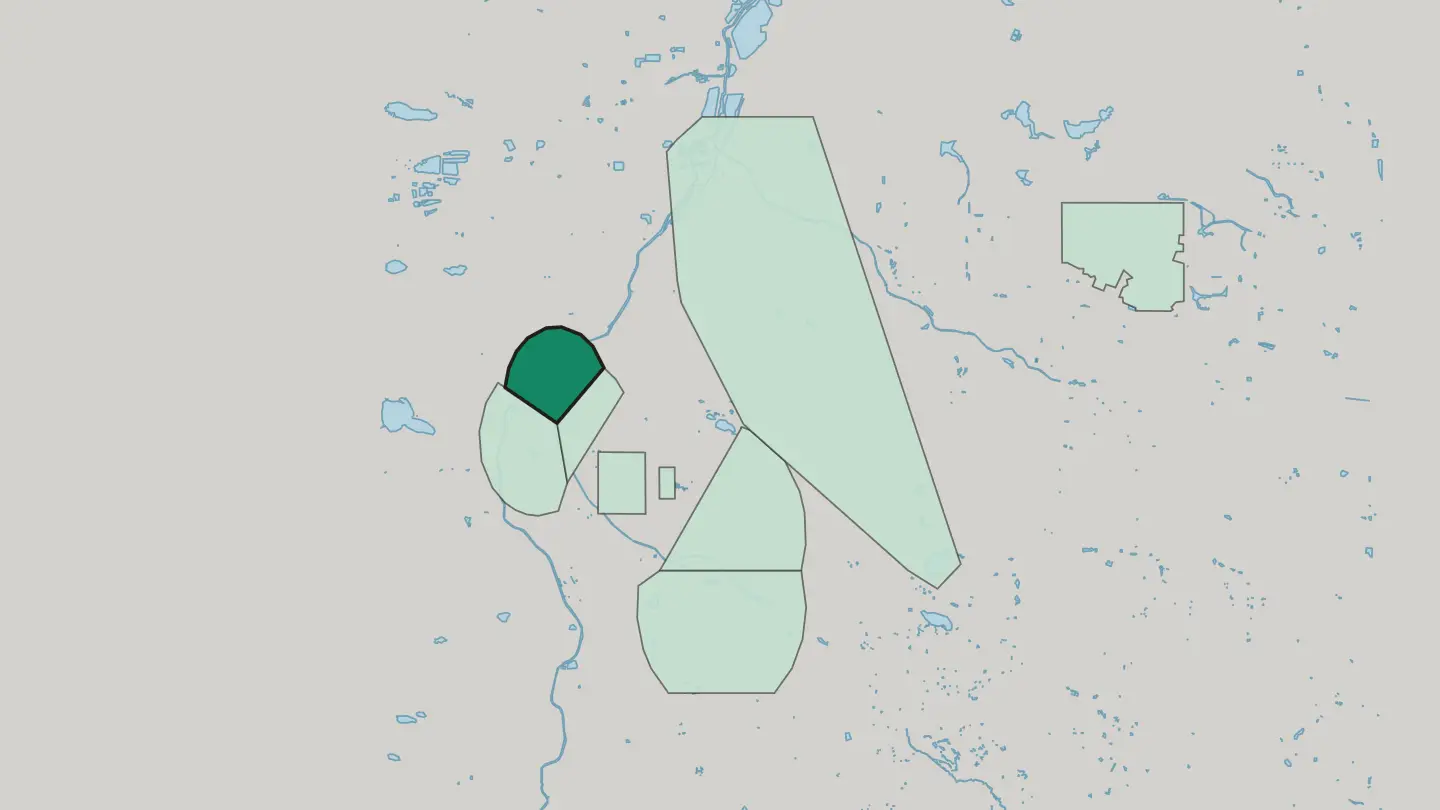 DenverUnited States
Cherry Creek
Cherry Creek is a Denver neighbourhood of low brick shopfronts around the Cherry Creek Shopping Center, named for the stream along its south edge.Cherry Creek →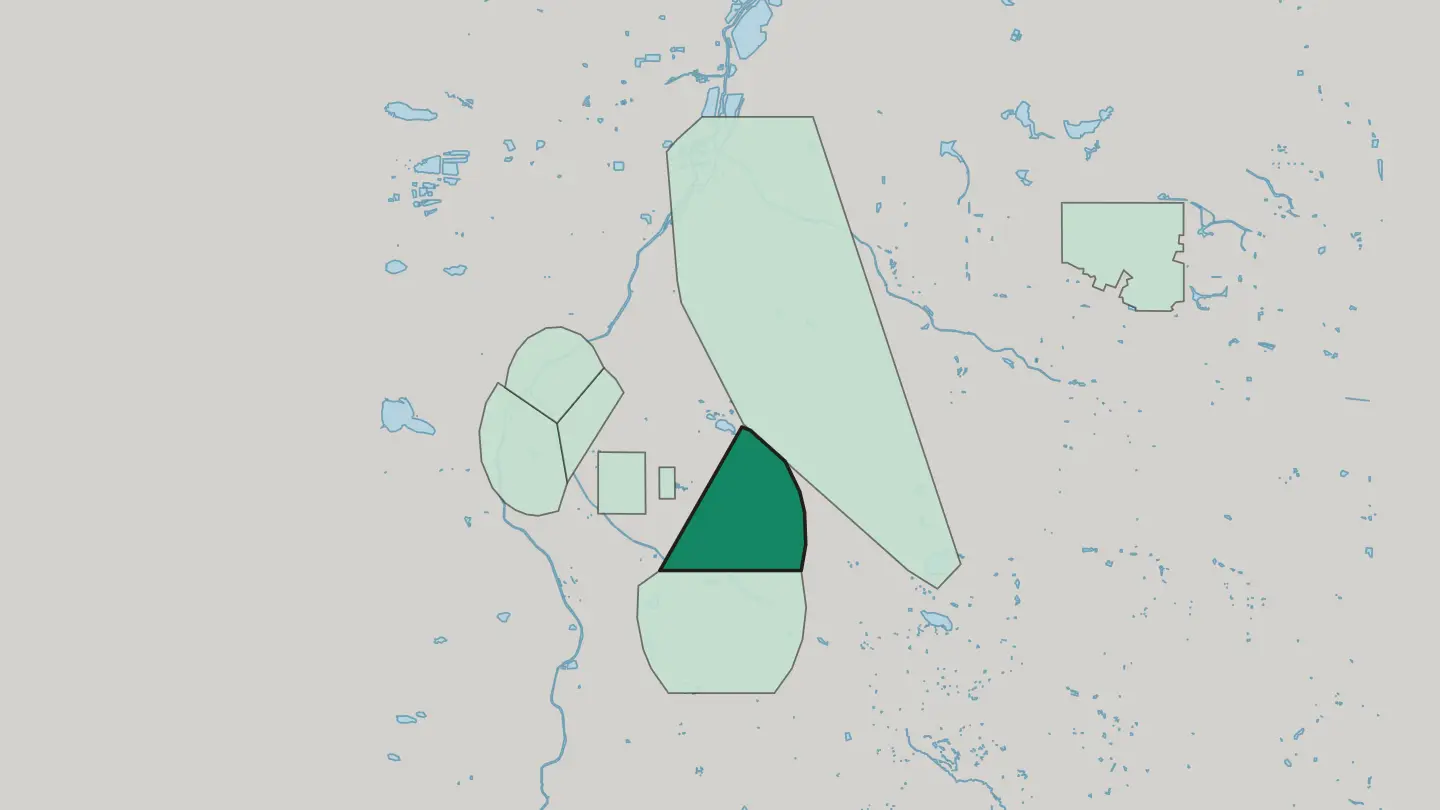 DenverUnited States
Belcaro
Belcaro is a leafy residential neighbourhood of Denver, set near the University of Denver and Four Mile Historic Park.Belcaro →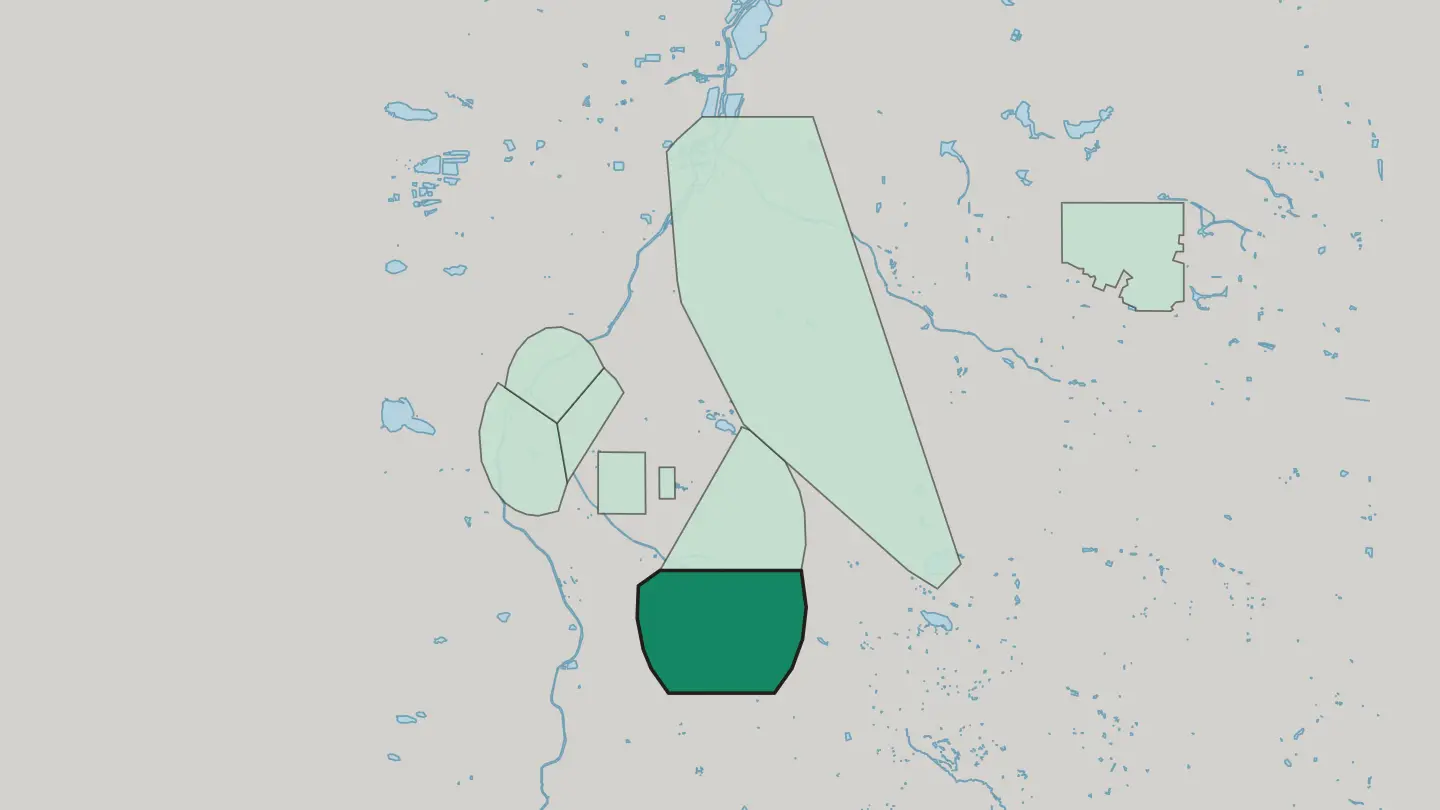 DenverUnited States
Park Hill
Park Hill is a residential Denver neighbourhood by the Denver Zoo and the Denver Museum of Nature and Science.Park Hill →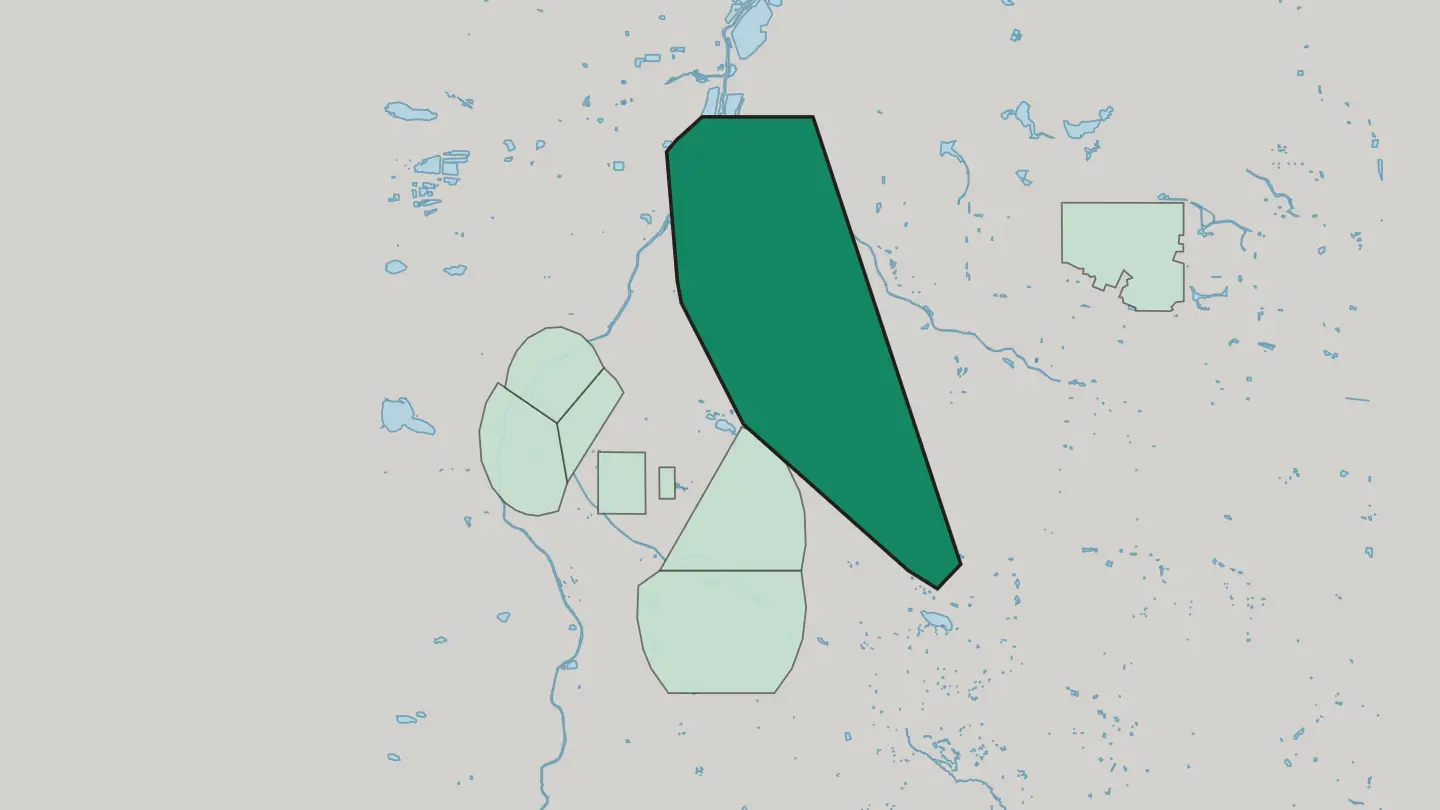
 DenverUnited States
Montbello
Montbello is a residential neighbourhood of Denver, spread across the far northeastern edge of the Colorado city.Montbello →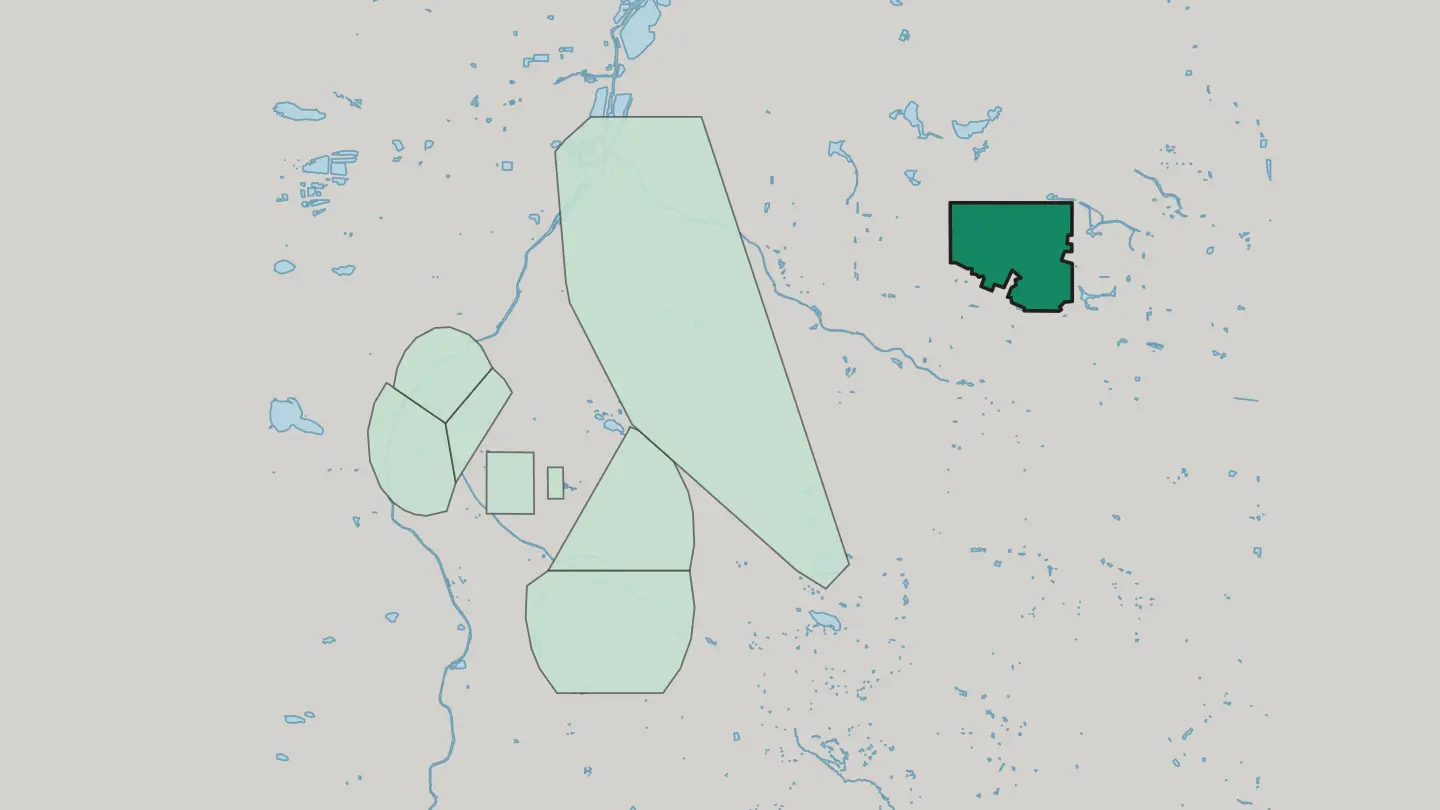 DenverUnited States
Central Park
Central Park is a planned residential neighbourhood of Denver, built on the former Stapleton International Airport site east of downtown.Central Park →Hotel links are affiliate links: booking through them may earn us a commission, at no extra cost to you. It never affects how places are ranked. How this works
Things to do in Denver
Ranked by global recognition; descriptions from Wikidata (CC0).
Museums & Galleries
3- Molly Brown House Heritage
- Colorado Governor's Mansion Heritage
- Denver Firefighters Museum Heritage
Churches & Religious Sites
6- St. Ignatius Loyola Church Heritage
- Central Presbyterian Church Heritage
- Annunciation Church Heritage
- St. Joseph's Roman Catholic Church of Denver Heritage
- First Baptist Church of Denver Heritage
Show 1 more →
- Montview Boulevard Presbyterian Church Heritage
Parks & Gardens
1- Elitch Gardens Theme Park
Landmarks & Notable Places
8- Grant–Humphreys Mansion Heritage
- Byers-Evans House Heritage
- John and Elivera Doud House Heritage
- Adolph Zang Mansion Heritage
- Creswell Mansion Heritage
Show 3 more →
- Owen E. LeFevre House Heritage
- Tears-McFarlane House Heritage
- Fitzroy Place Heritage
worth knowingacross 4 categories in Denver
About Denver
What is Denver known for?
Denver is known as the capital of Colorado, a high plains city on the South Platte River. The Front Range of the Rocky Mountains walls the western horizon. Culture centres on the museums, among them the Denver Art Museum, the Clyfford Still Museum, and the Denver Museum of Nature and Science.
The Rockies pull people west. From frontier outpost to state capital, the city grew into the hub of the Front Range Urban Corridor.
What are the main landmarks in Denver?
Denver keeps its landmarks close to the center, spread through downtown and the old mansion streets. The Denver Art Museum and the Clyfford Still Museum anchor the civic core, near the History Colorado Center and the Kirkland Museum of Fine & Decorative Art. Grand old houses survive nearby.
The Molly Brown House, the Byers-Evans House, and the Colorado Governor's Mansion recall the wealth of the early city, while the Denver Museum of Nature and Science and the Denver Botanic Gardens draw crowds north of downtown.
What is the history of Denver?
Denver was founded in 1858 as a frontier town on the South Platte River, at the western edge of the High Plains. The mountains rose just to the west. Settlers pushed onto the plains and built a rough supply town below the Front Range of the Rocky Mountains, hard against the first peaks.
The river gave it water. Wagons and then railroads made Denver the meeting point of the plains and the mountains. The town swelled quickly.
Denver became the great town of the region. Colorado made Denver its capital, and the frontier town settled into a permanent city. It merged into a single consolidated city and county, unusual for the plains.
Grand houses went up. Families of new fortune built mansions like the Molly Brown House, and the Colorado Governor's Mansion took its place among them. The plains filled with suburbs, and Denver anchored the long Front Range Urban Corridor running north and south along the mountains.
The Rockies still frame every western view from the plains. What began as a river camp in 1858 became the capital of a whole mountain state.
Where is Denver?
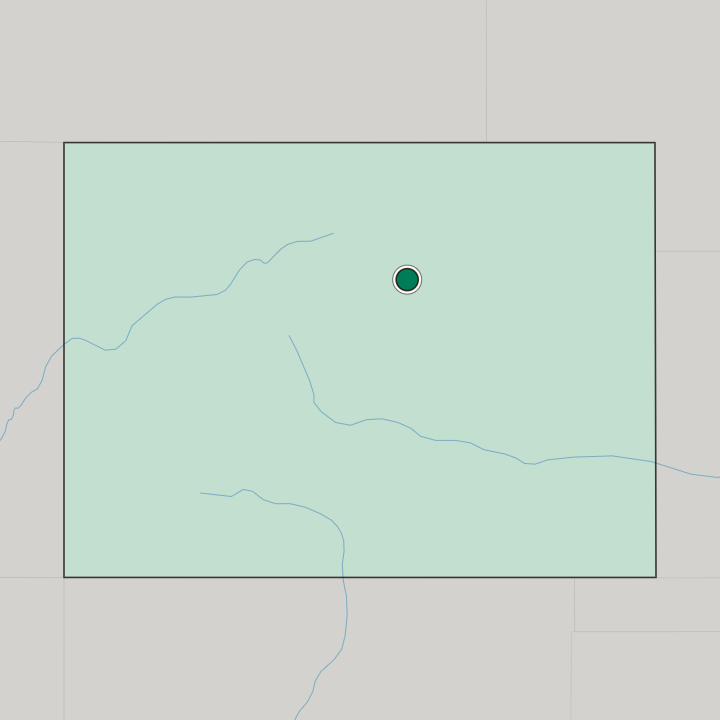
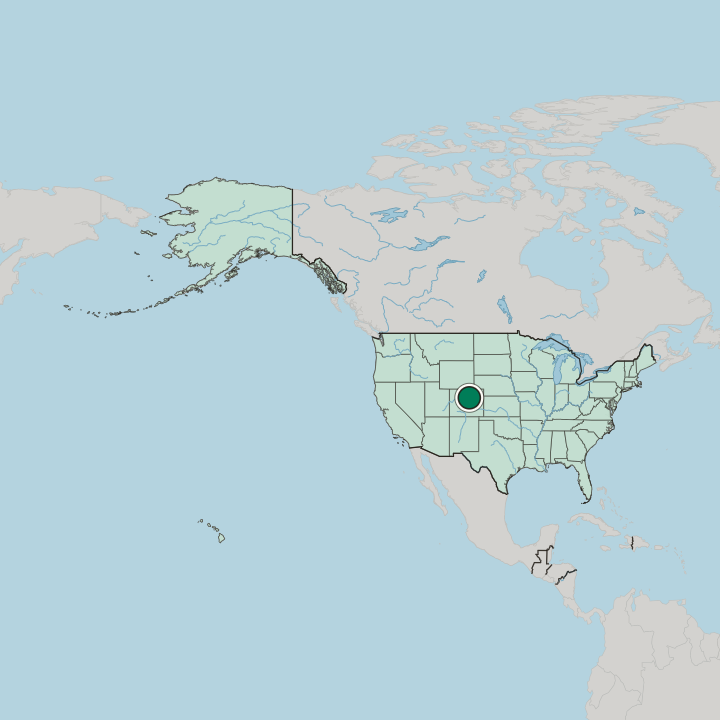
Denver lies on the South Platte River at the western edge of the High Plains, just east of the Front Range of the Rocky Mountains. The flat plain runs east for hundreds of miles, while the peaks wall the horizon to the west. Denver sits between the two.
The river threads through the center, and the Rockies rise close enough to reach in an hour. The Front Range Urban Corridor stretches north and south along the mountains.
What is the climate of Denver?
Denver has a dry continental climate, shaped by the high plains and the mountains beside them. Winters bring cold snaps and snow off the Rocky Mountains, though the sun breaks through often. Summers turn warm and dry.
Storms build over the Front Range on summer afternoons and roll out across the plains, and the sky stays wide and bright year round. Denver's seasons pull hard in opposite directions.
How do you get to Denver?
Denver serves as the main air hub for the whole Rocky Mountain region. Its vast international airport sits out on the plains east of the city, feeding flights from across the country and beyond. Highways climb from there.
Interstates run north and south along the Front Range Urban Corridor and west up into the Rocky Mountains, while rail lines cross the High Plains. Most visitors fly in and drive on.
Good for
More cities in Colorado
Updated September 2026