United States · Colorado
Where to Stay in Fort Collins, Colorado
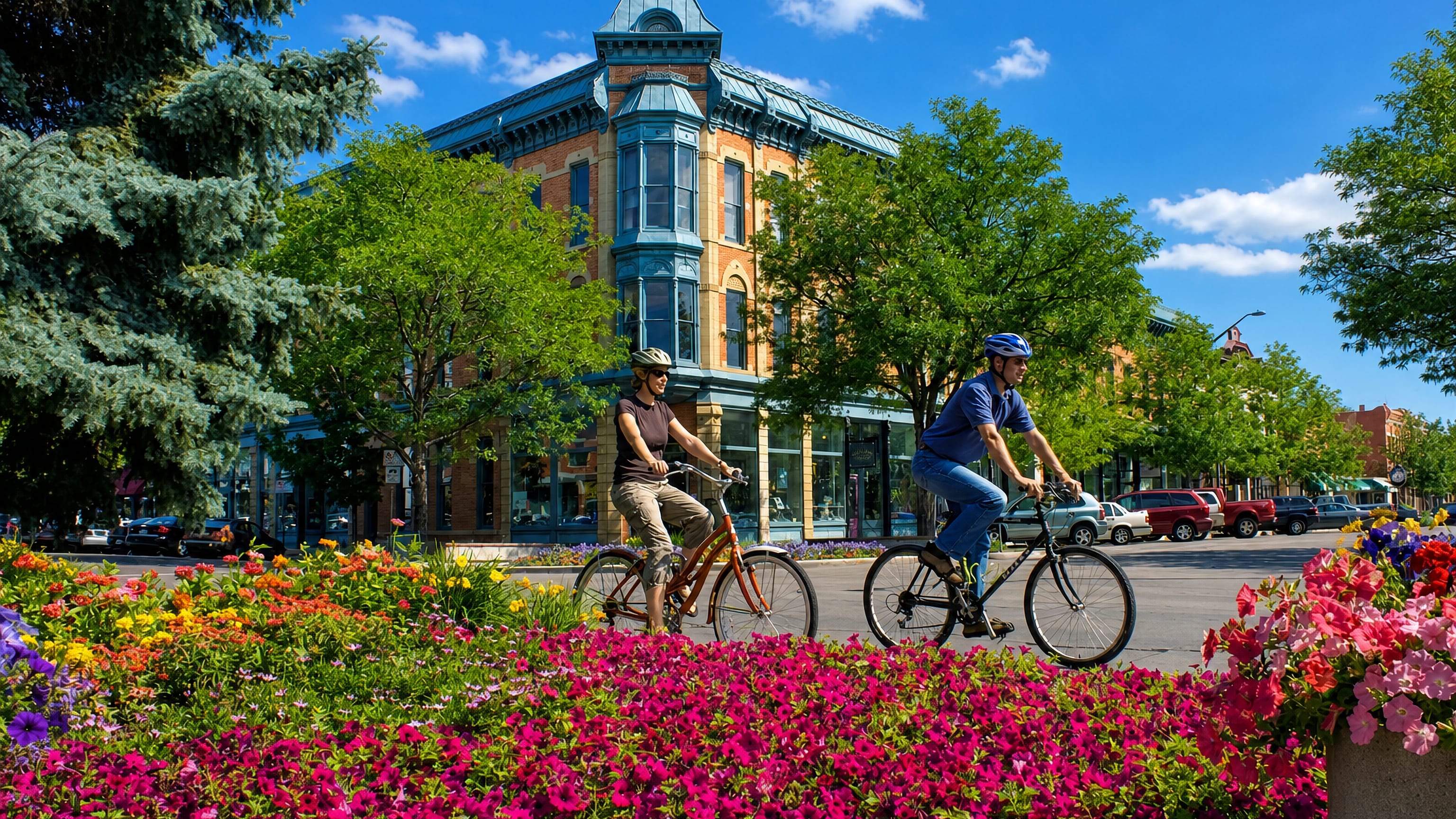
Fort Collins, the Larimer County seat on the Cache La Poudre River, holds Colorado State University at the eastern edge of the Front Range foothills.
Hotel links are affiliate links: booking through them may earn us a commission, at no extra cost to you. It never affects how places are ranked. How this works


Where to stay in Fort Collins
The practical side of choosing where to sleep.
The Avery House marks the historic core. The 1879 Avery House and its neighbours the Baker House and the Ernest Waycott House stand in the oldest part of Fort Collins, so a bed among them puts the founding streets and the museums within one easy walk. That quarter is small.
Availability across the whole city moves with the Colorado State University calendar. Campus changes the rhythm. Colorado State University brings terms, graduations, and research visitors, and a room close to it suits you when the trip is tied to the institution rather than to Larimer County itself.
Term weeks are the crunch. The Avenir Museum of Design and Merchandising and the Clara Hatton Gallery sit inside the campus orbit, which makes that side of Fort Collins more rewarding than a university district usually manages to be. The water side is quieter.
Beds toward the Cache La Poudre River and The Gardens on Spring Creek trade walkable streets for open ground, and they suit visitors who came for the Front Range foothills rather than for the city itself. Driving is simpler out there. Fort Collins spreads widely enough that the gap between a central room and a riverside one is measured as a real journey rather than as a few minutes.
Find hotels in Fort Collins
Direct booking searches for these neighbourhoods.
The Avery House streets
The oldest part of Fort Collins, where The 1879 Avery House stands alongside the Baker House and the Ernest Waycott House on the original street grid.Find hotels in The Avery House streetsVisits tied to Colorado State University and its galleriesThe Colorado State University side
The campus orbit of Fort Collins, where the Avenir Museum of Design and Merchandising and the Clara Hatton Gallery hold the university's public collections.Find hotels in The Colorado State University sideTrips built around the Cache La Poudre River and Spring CreekToward the Cache La Poudre River
The water side of Fort Collins, where The Gardens on Spring Creek and the river draw the city out toward the Front Range foothills. Rooms are few around here — worth securing early.Find hotels in Toward the Cache La Poudre RiverHotel links are affiliate links: booking through them may earn us a commission, at no extra cost to you. It never affects how places are ranked. How this works
Things to do in Fort Collins
Ranked by global recognition; descriptions from Wikidata (CC0).
Museums & Galleries
3- The Gardens on Spring Creek
- Colorado State University--Avenir Museum of Design and Merchandising
- Colorado State University--Clara Hatton Gallery
Landmarks & Notable Places
7- Avery House Heritage
- E.A. Schlichter House Heritage
- Jay H. Bouton House Heritage
- Baker House Heritage
- Ernest Waycott House Heritage
Show 2 more →
- R.G. Maxwell House Heritage
- T.H. Robertson House Heritage
worth knowingacross 2 categories in Fort Collins
About Fort Collins
The university sets the tone.
What is Fort Collins known for?
Colorado State University puts a research campus in the middle of Fort Collins, and the Avenir Museum of Design and Merchandising and the Clara Hatton Gallery are two of the public rooms that arrive with it. Water runs through town. The Cache La Poudre River gives the city something few Larimer County settlements can claim, and The Gardens on Spring Creek works the same theme on a cultivated scale.
What are the main landmarks in Fort Collins?
Houses carry the older half. The 1879 Avery House anchors a group taking in the Baker House and the Ernest Waycott House, all of them listed from the decades when Fort Collins was a Larimer County town and little else. Museums carry the newer half.
The Fort Collins Museum and Discovery Science Center, the Global Village Museum Of Arts And Cultures, and the Fort Collins Museum of Discovery and Local History Archives split the city's collections between science, world cultures, and its own written record.
What is the history of Fort Collins?
Settlement dates from 1864. Fort Collins took shape on the Cache La Poudre River at the eastern edge of the Front Range foothills, on ground where running water and open country met, and Larimer County soon fixed its seat there. The courts stayed put.
That single decision handed the town the registers, the offices, and a permanence its neighbours across the county never managed to acquire. Building followed money. The 1879 Avery House dates the moment the town could afford stone and ornament, while the Baker House and the Ernest Waycott House record the same decades a little further down the scale.
Streets filled in around them. What survives is a compact historic quarter rather than a scatter of survivals, which is why walking that part of Fort Collins still tells the nineteenth-century story plainly. Colorado State University reset the scale.
A research campus turned a Larimer County seat into a city with an academic audience far beyond Colorado, and the Avenir Museum of Design and Merchandising and the Clara Hatton Gallery belong to that later layer rather than to the old town. Collections multiplied. The Fort Collins Museum and Discovery Science Center and the Global Village Museum Of Arts And Cultures arrived with the same broadening, while The Gardens on Spring Creek gave the city a cultivated counterpart to the Cache La Poudre River.
Where is Fort Collins?
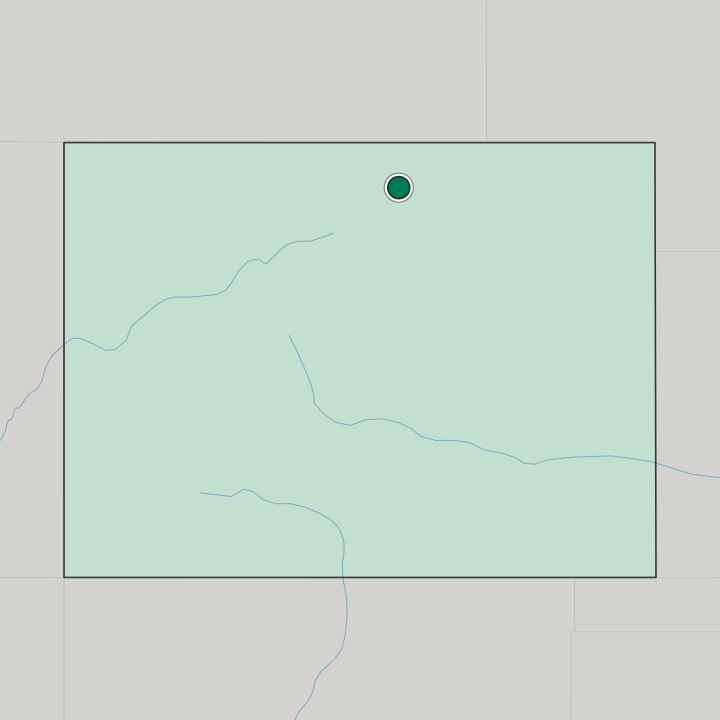
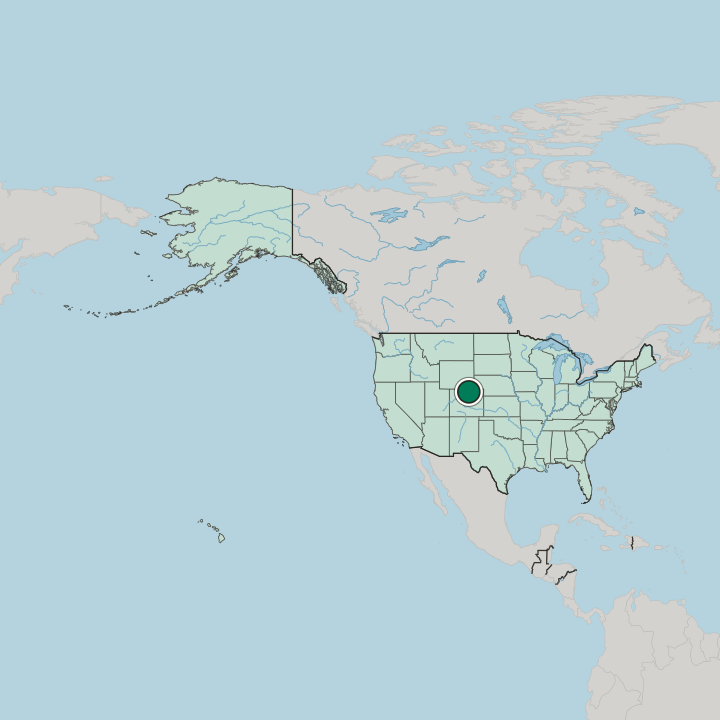
River first, foothills behind. Fort Collins lies on the Cache La Poudre River at the eastern edge of the Front Range foothills, north of Denver, with high ground close on one side and the flat of Larimer County running out on the other. The river is the axis.
Colorado State University and The Gardens on Spring Creek both occupy that band of level ground between the water and the rise.
What is the climate of Fort Collins?
The foothills do the shaping. Fort Collins lies in the temperate band where the Front Range foothills give way to open country, so dry warm months alternate with cold clear ones and the mountain edge counts for more than any distant water. The rise is close by.
Both the Fort Collins Museum and Discovery Science Center and the Global Village Museum Of Arts And Cultures serve as indoor days, while The Gardens on Spring Creek belongs to the warm half of the year.
How do you get to Fort Collins?
Denver is the approach. Fort Collins lies north of it along the Front Range foothills, and nearly every arrival comes on the road running between the two, which also carries the traffic bound for the rest of Larimer County. A car is expected.
Colorado State University draws its own arrivals through that same corridor during term, and those are the weeks when the road feels busiest.
Common questions
What is the best area to stay in Fort Collins?
The Avery House streets: Walkers wanting the founding blocks of Fort Collins. The Colorado State University side: Visits tied to Colorado State University and its galleries. Toward the Cache La Poudre River: Trips built around the Cache La Poudre River and Spring Creek.
Good for
More cities in Colorado
Updated October 2026