United States
Colorado, United States — Towns & Travel Guide
Colorado is a landlocked Mountain West state in the Western United States, spanning the Southern Rocky Mountains and the Colorado Plateau.
Hotel links are affiliate links: booking through them may earn us a commission, at no extra cost to you. It never affects how places are ranked. How this works


Towns & cities in Colorado
Pick a town or city — each links to where to stay.
 United States
Denver
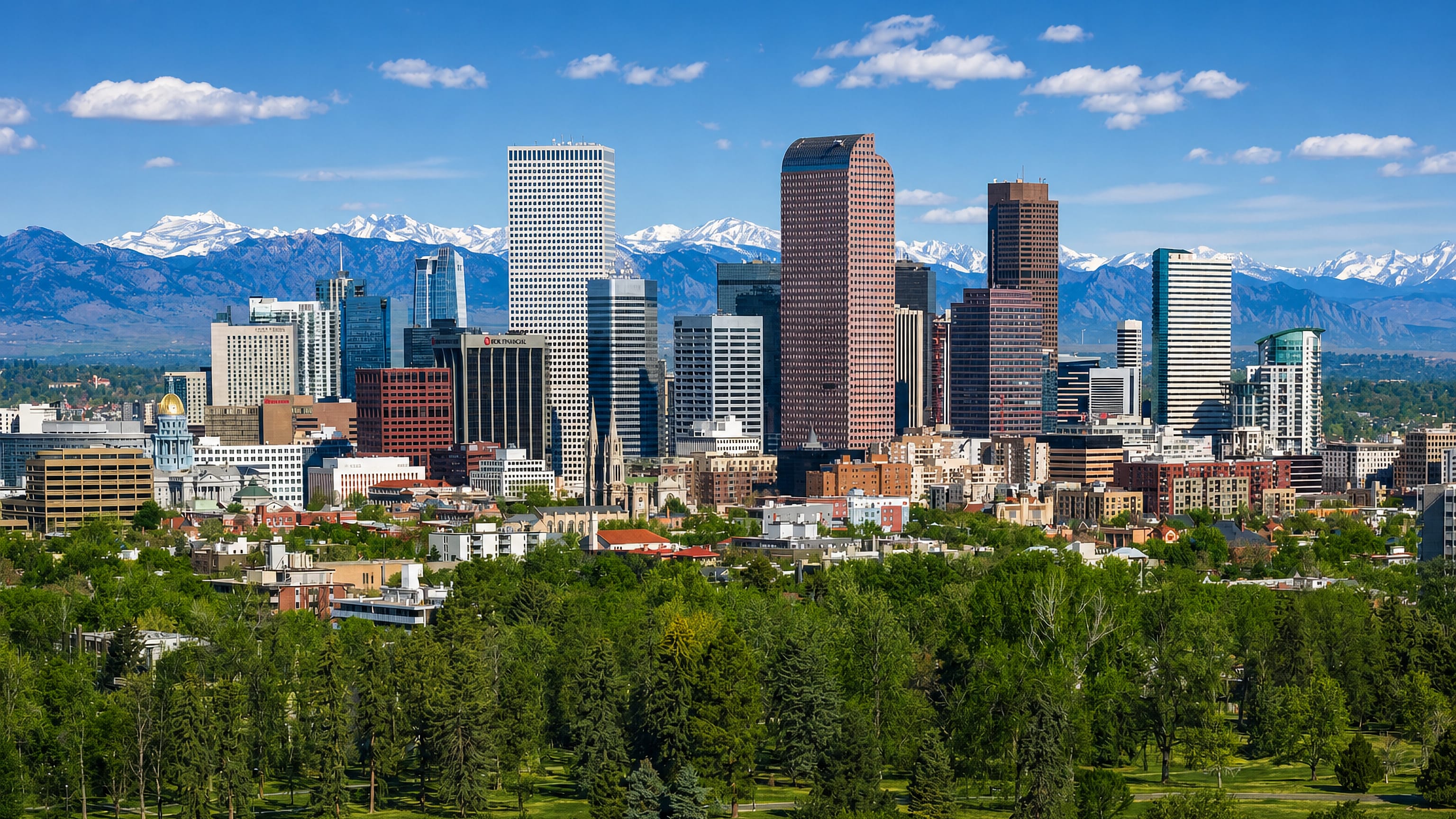
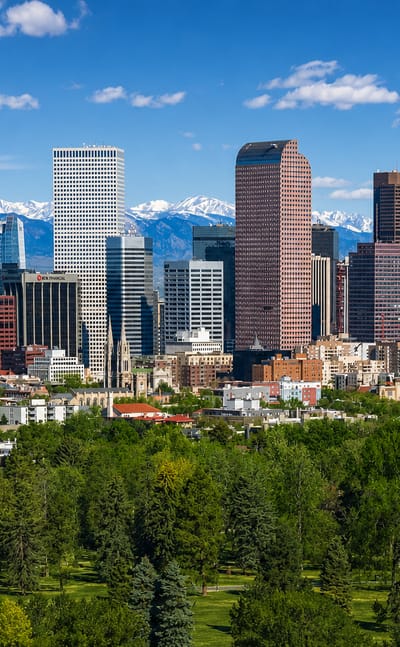
Denver sits on the South Platte River at the edge of the High Plains, the capital of Colorado, known for the Denver Art Museum and the Rockies.Where to stay →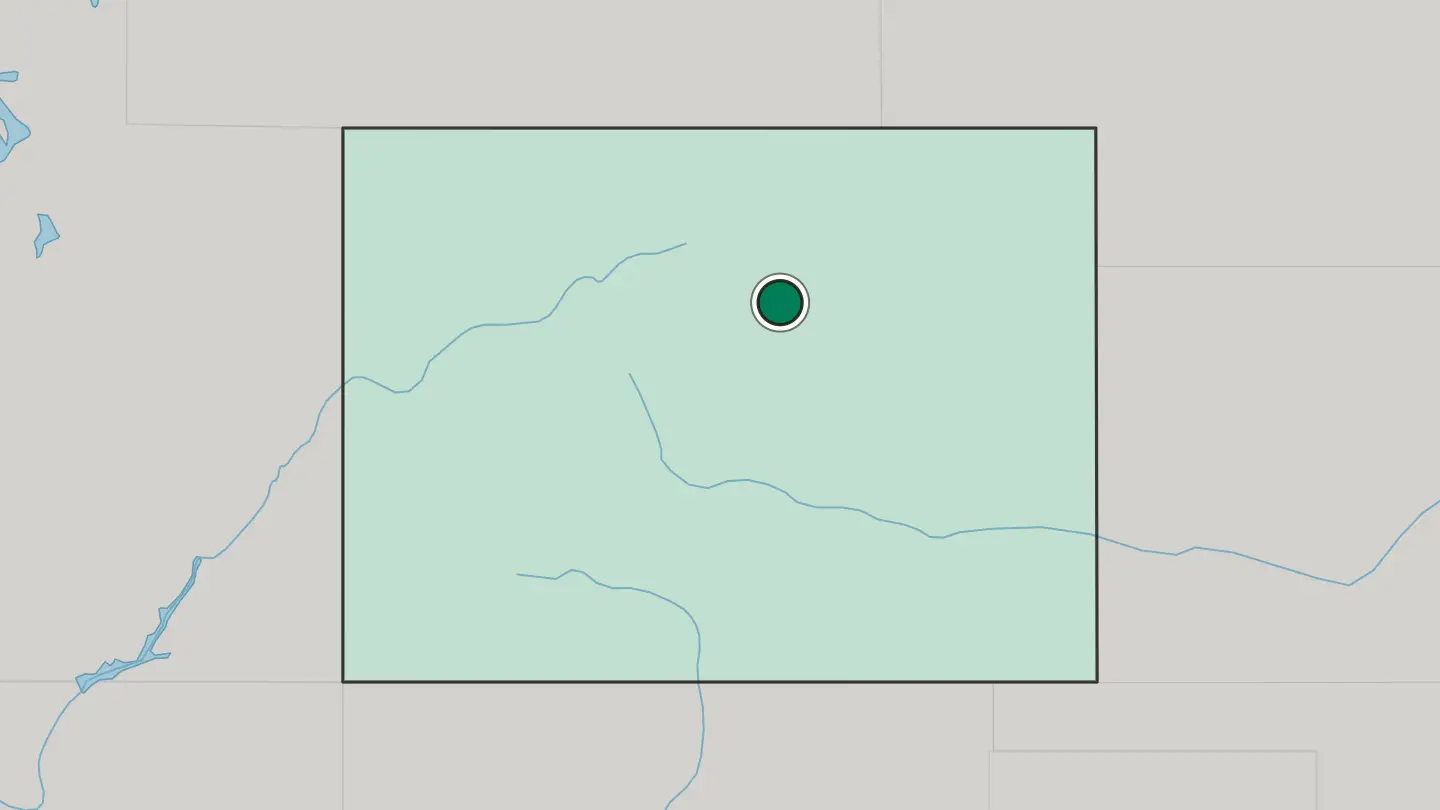
 United States
Colorado Springs
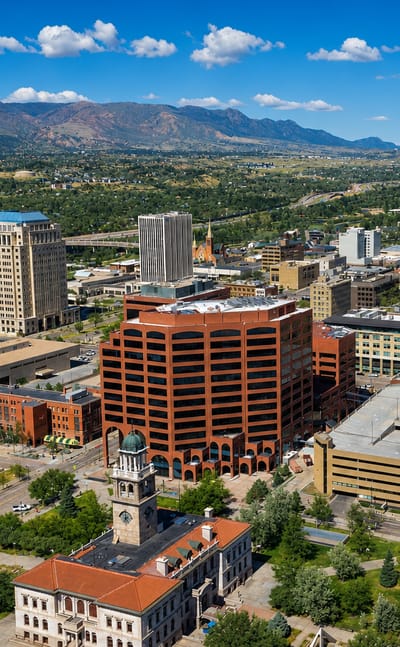
Colorado Springs rises on high ground below Pikes Peak, a city in Colorado known for its Olympic training halls and its stone-built historic churches.Where to stay →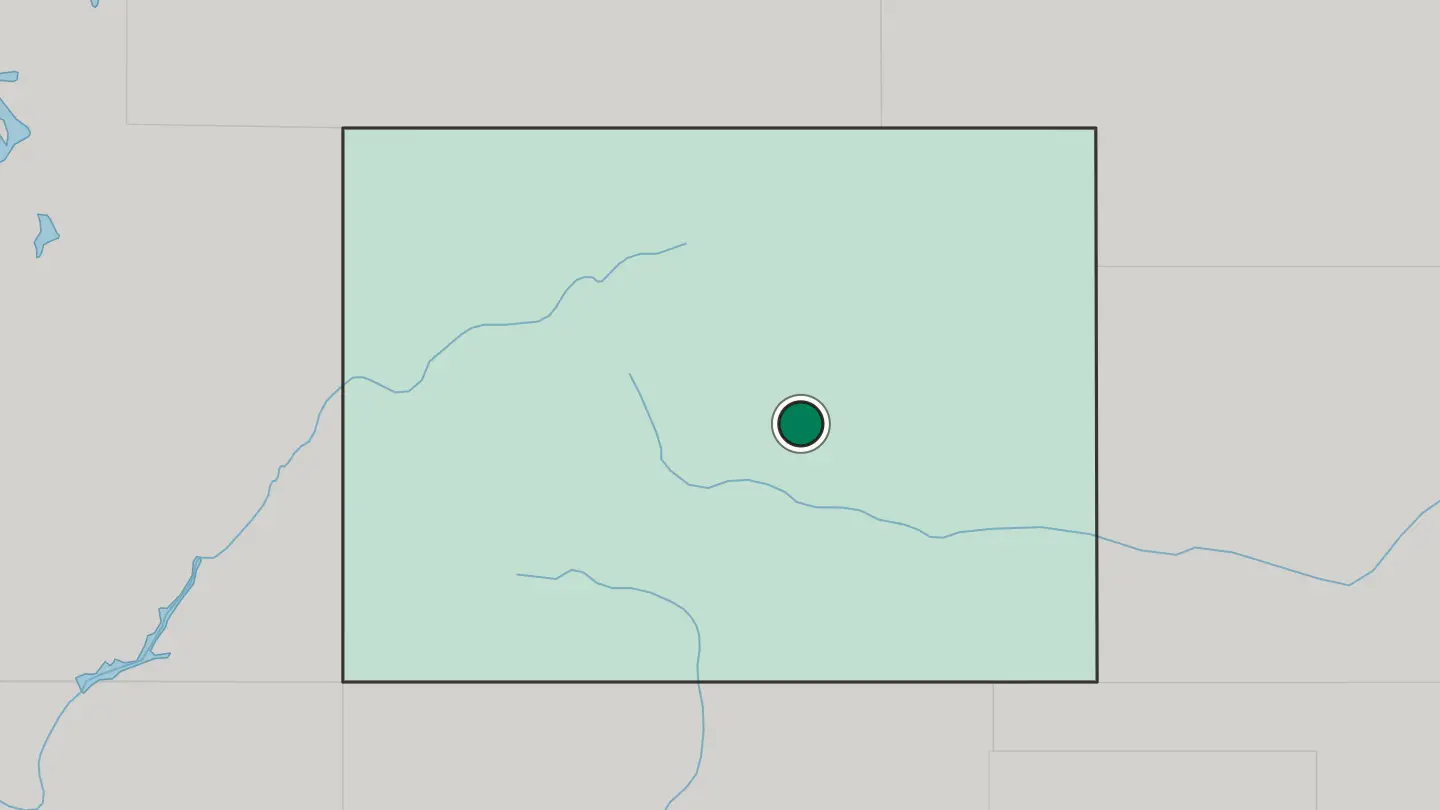
 United States
Aurora
Aurora spreads east of Denver across Arapahoe, Adams, and Douglas counties, Colorado's third-largest city and a Front Range Urban Corridor anchor.Where to stay →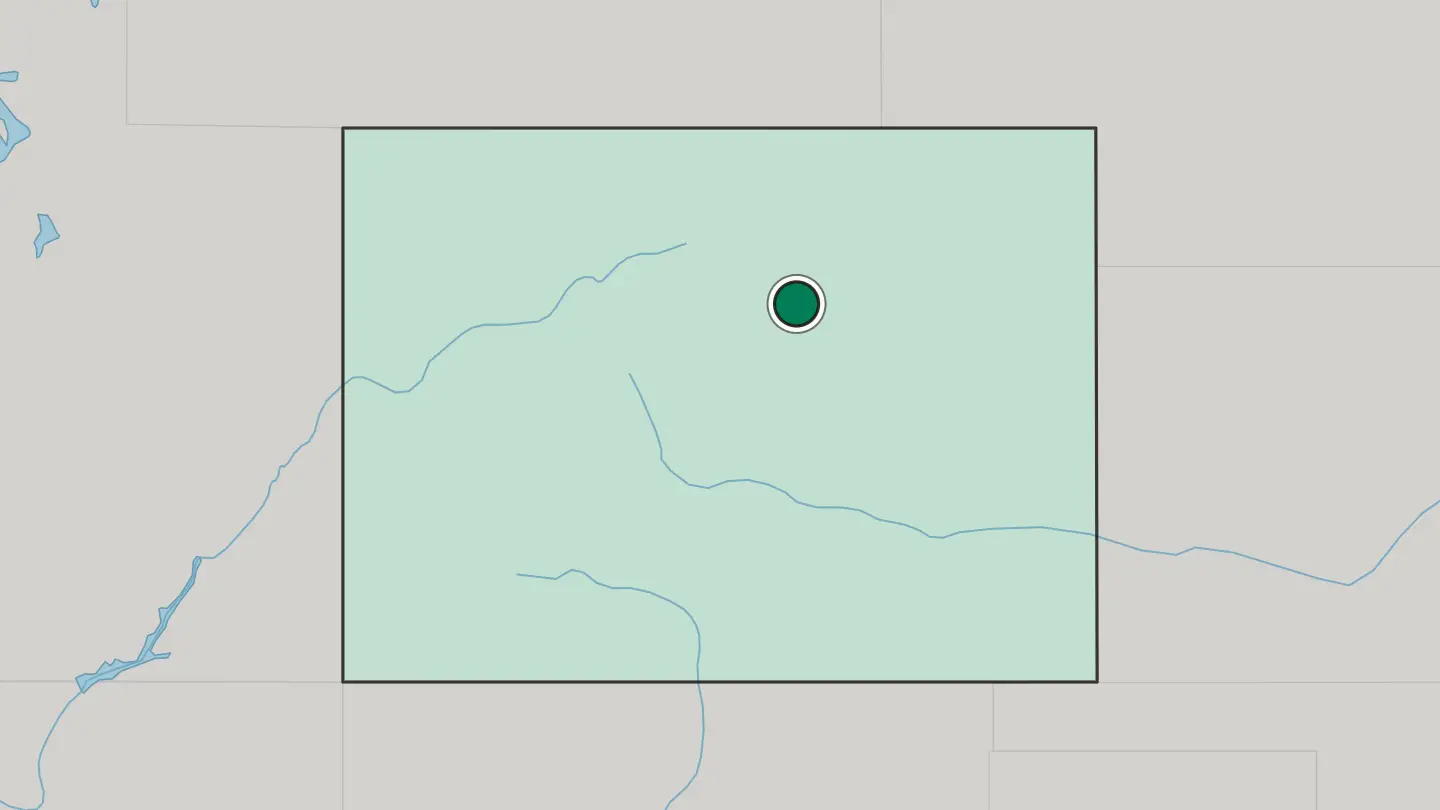
 United States
Fort Collins
Fort Collins, the Larimer County seat on the Cache La Poudre River, holds Colorado State University at the eastern edge of the Front Range foothills.Where to stay →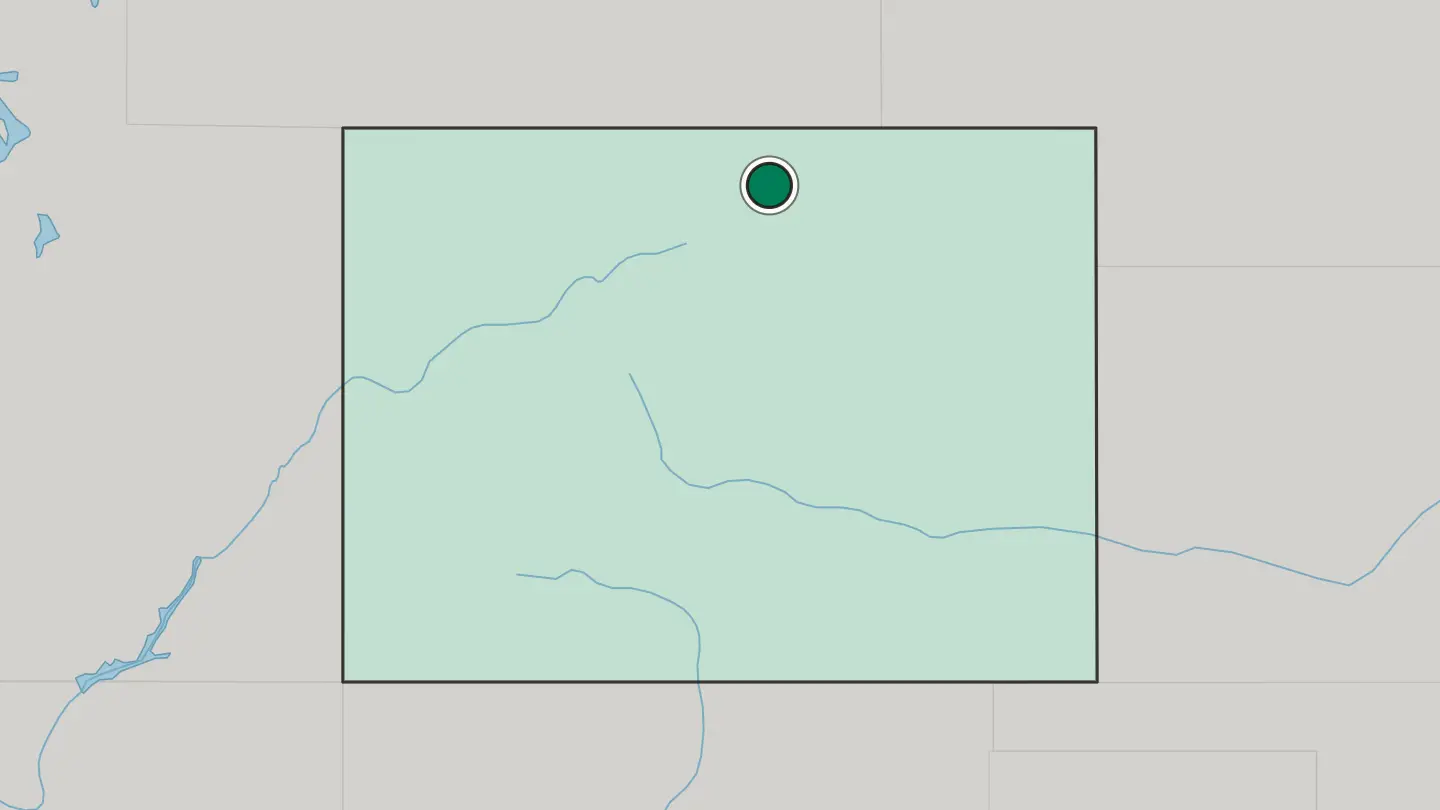
 United States
Lakewood
Lakewood is a home rule city in Jefferson County, dating from 1889, filling the ground between Denver and the Front Range foothills.Where to stay →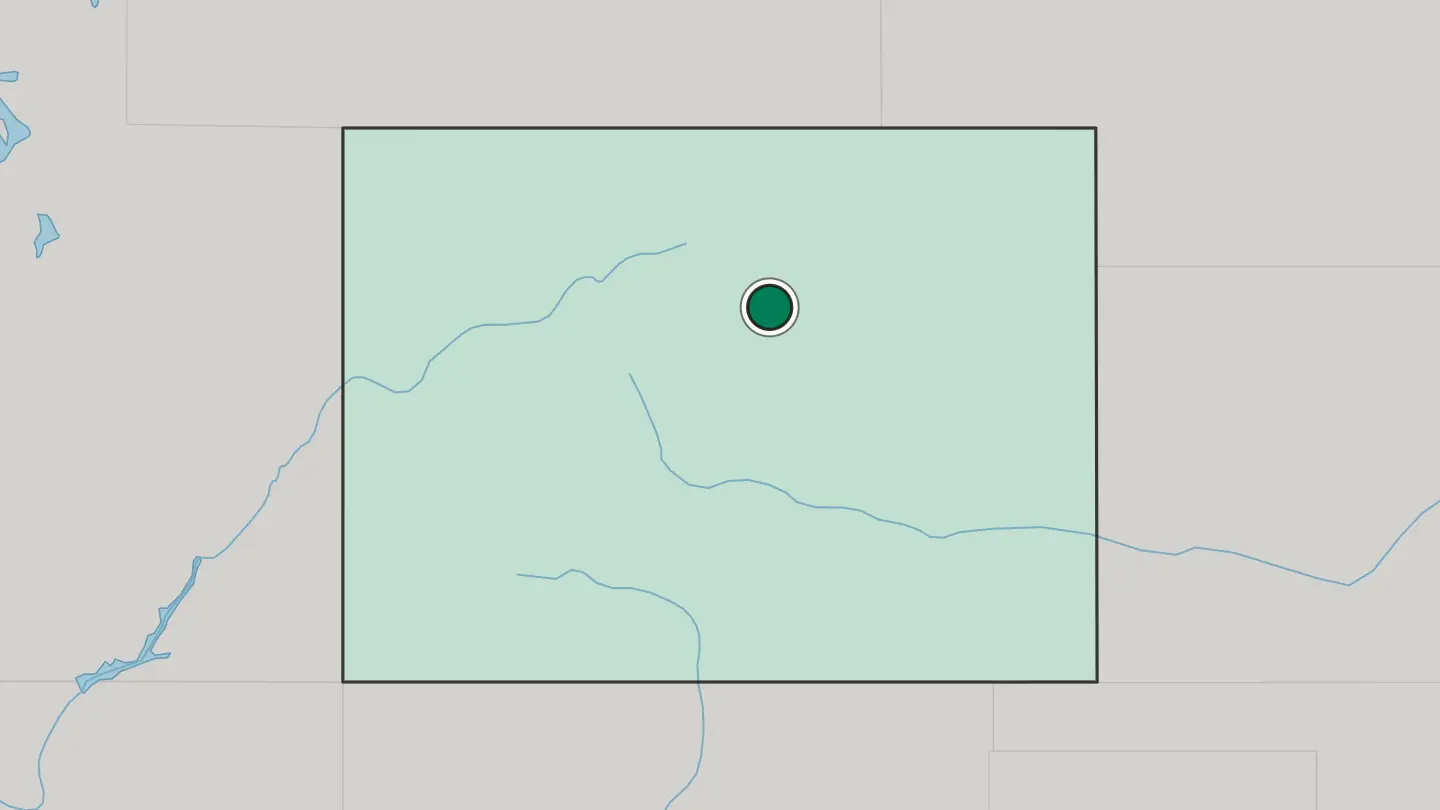 United States
Thornton
Thornton is a Colorado city in Adams and Weld counties, ten miles north of the Colorado State Capitol in Denver.Where to stay →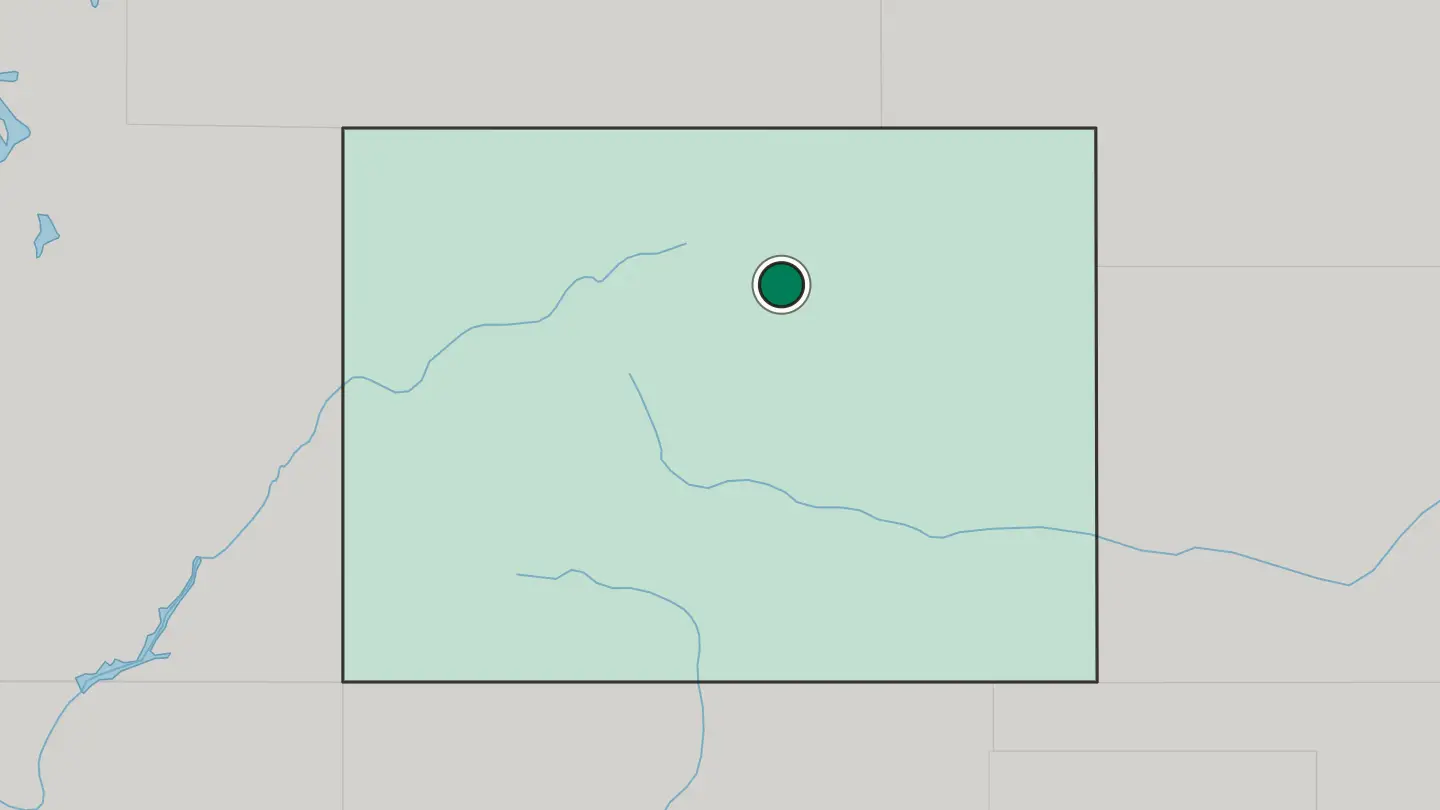
 United States
Westminster
Westminster spans Adams and Jefferson counties in Colorado, nine miles north-northwest of the Colorado State Capitol in Denver, and dates from 1859.Where to stay →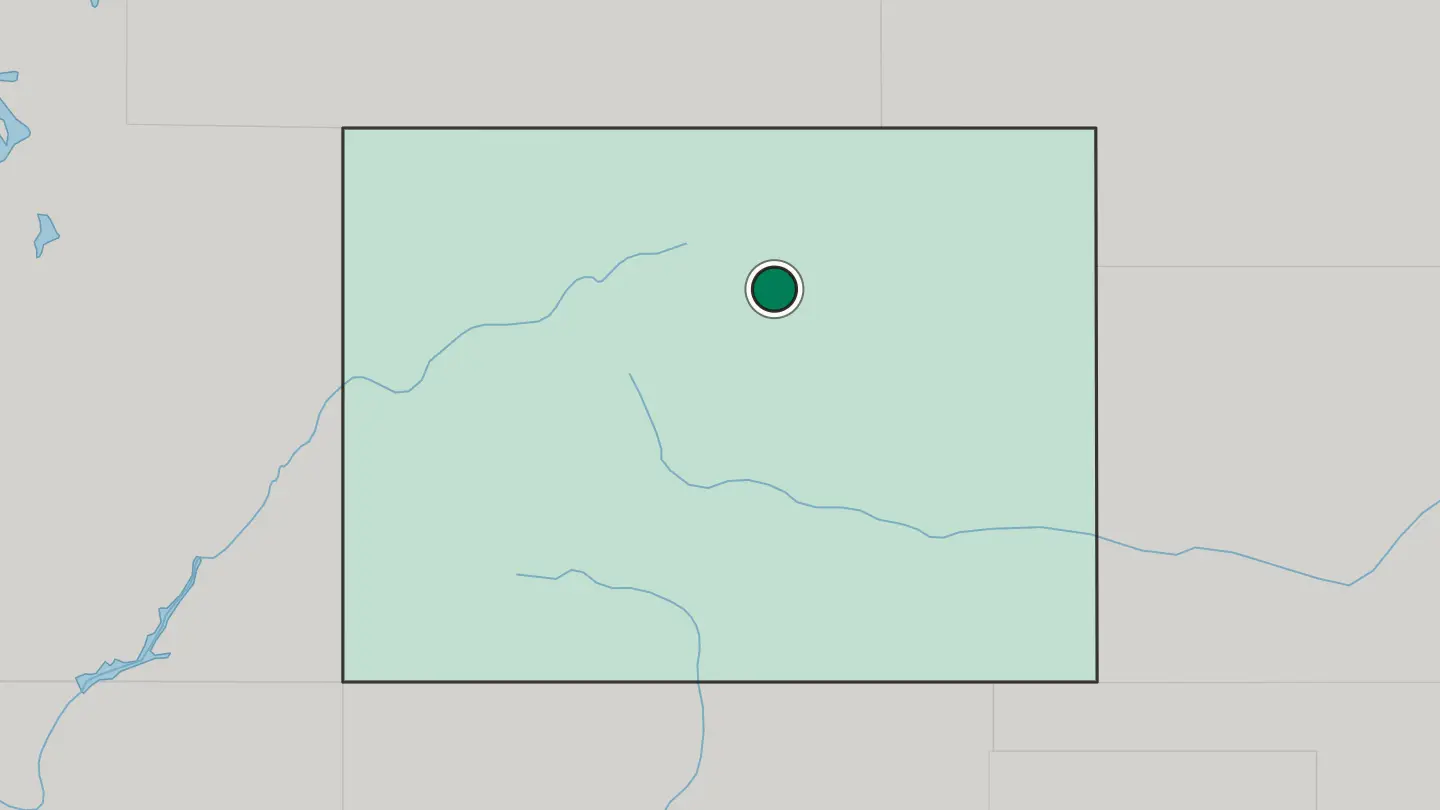
 United States
Arvada
Arvada is a Colorado city split between Jefferson and Adams counties, with Olde Town Arvada at its core and Denver a short way off.Where to stay →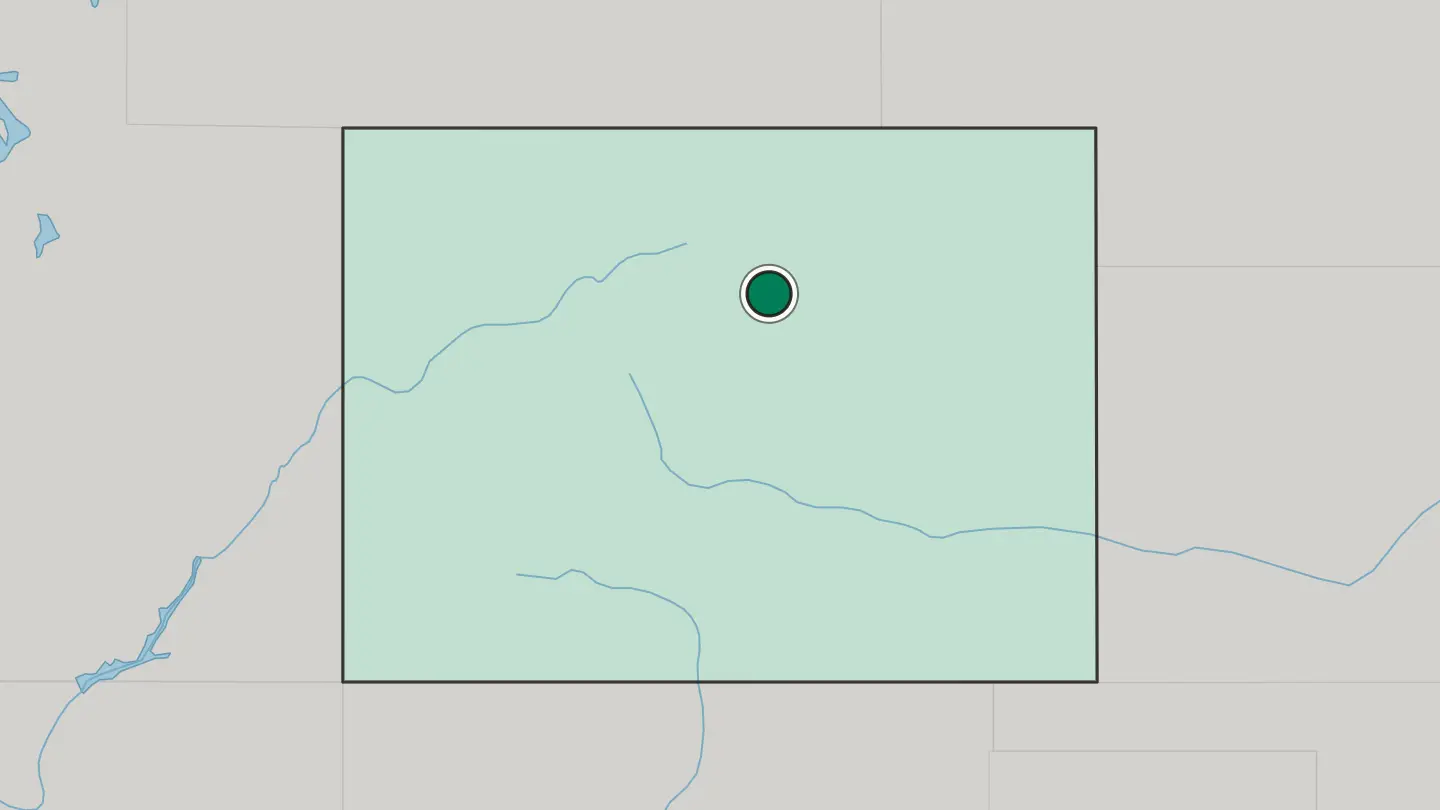
All towns & cities (19)
United States
Centennial
Centennial is a home rule city of Arapahoe County, Colorado, lying southeast of Denver on the Front Range Urban Corridor and incorporated in 2001.Where to stay →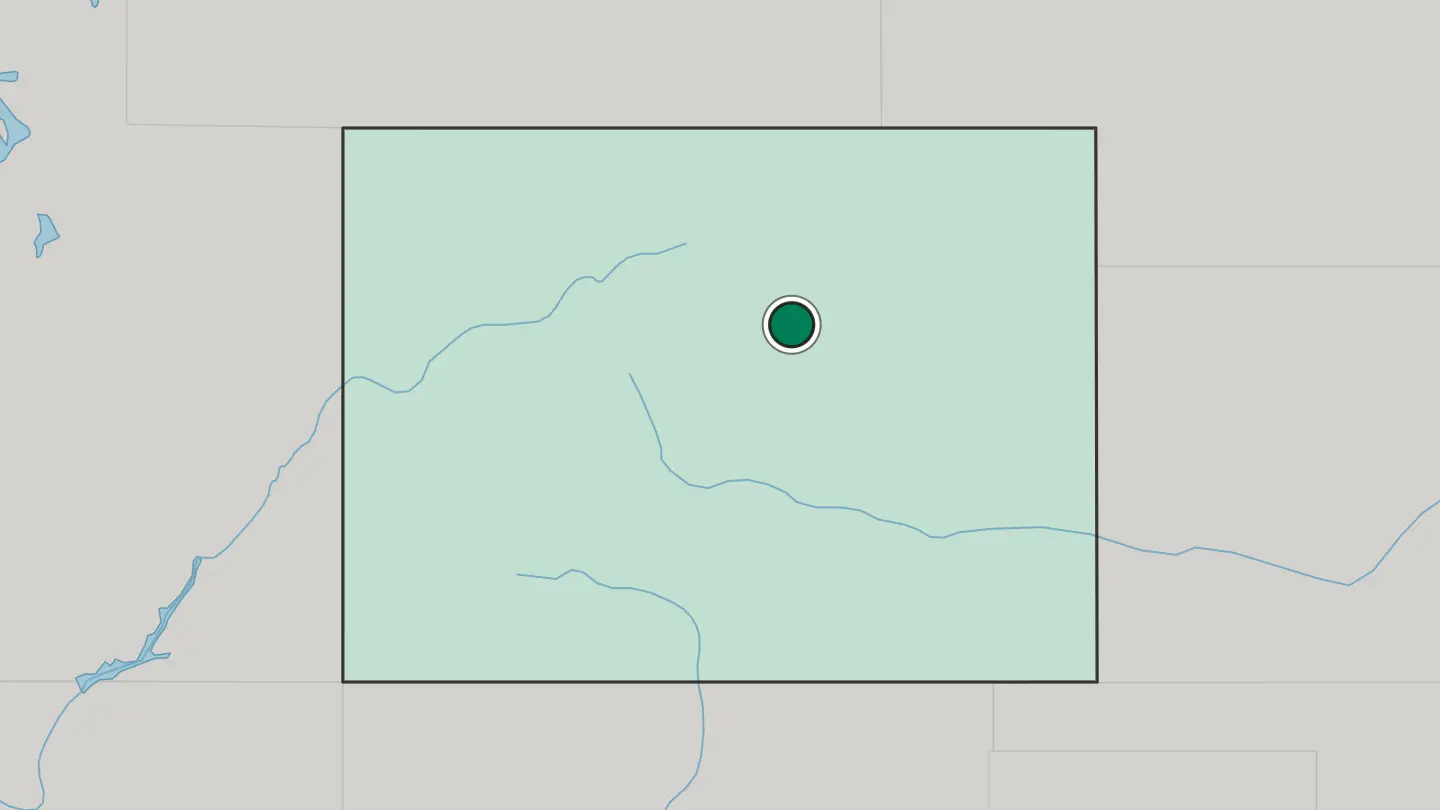
 United States
Pueblo
Pueblo is the Steel City, a Colorado county seat of 1885 at the confluence of the Arkansas River and Fountain Creek.Where to stay →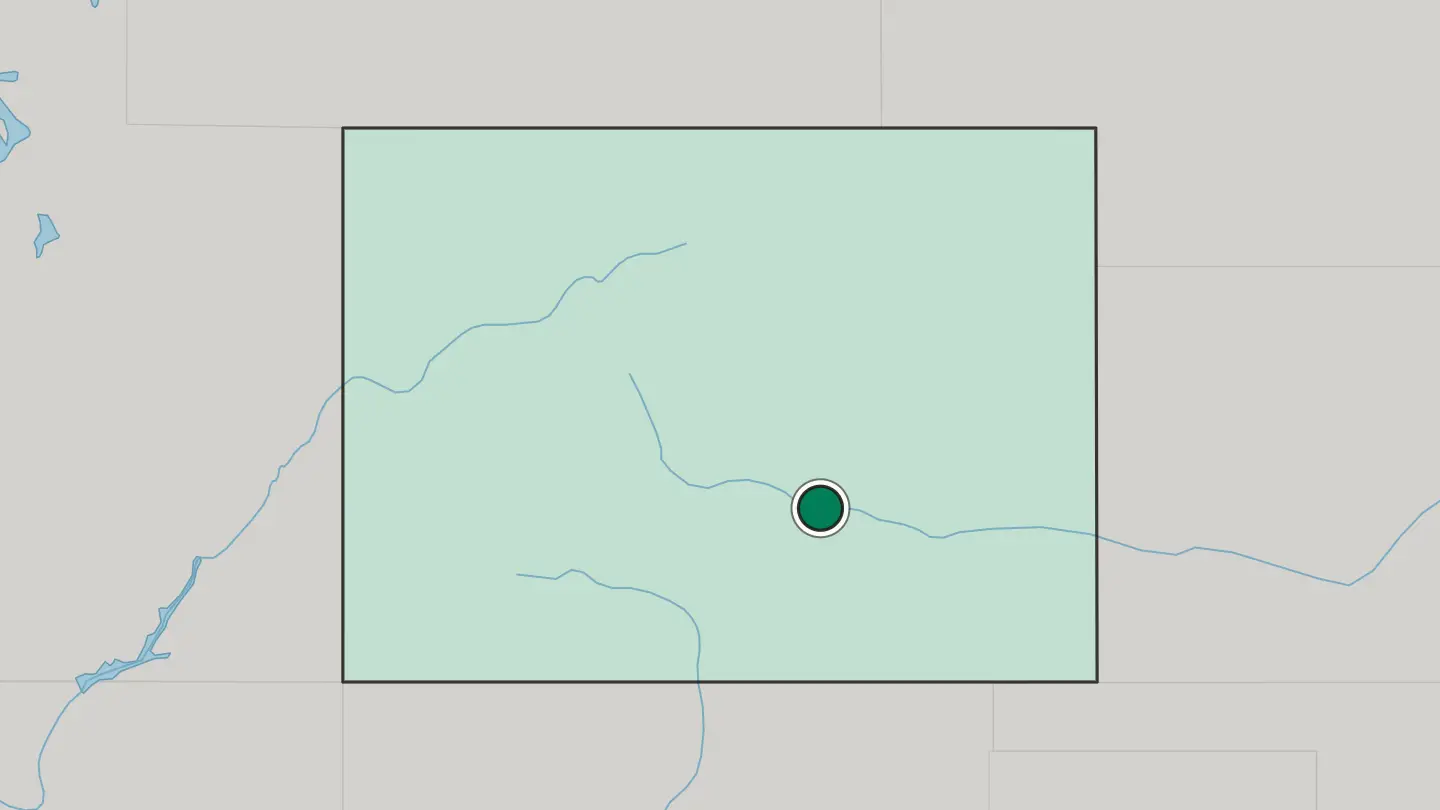
 United States
Greeley
Greeley, the Weld County seat on the South Platte River, began as the Union Colony and keeps the University of Northern Colorado.Where to stay →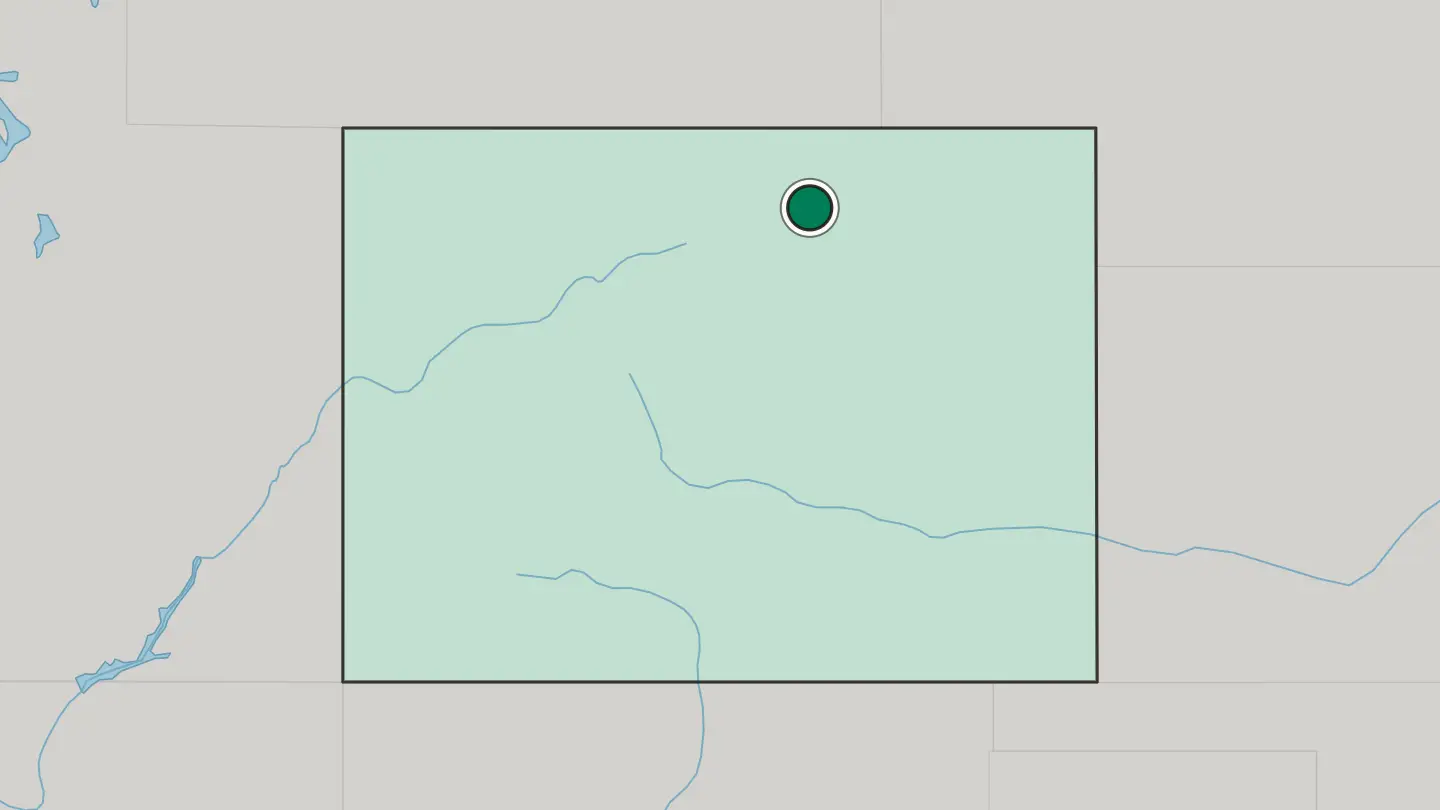
 United States
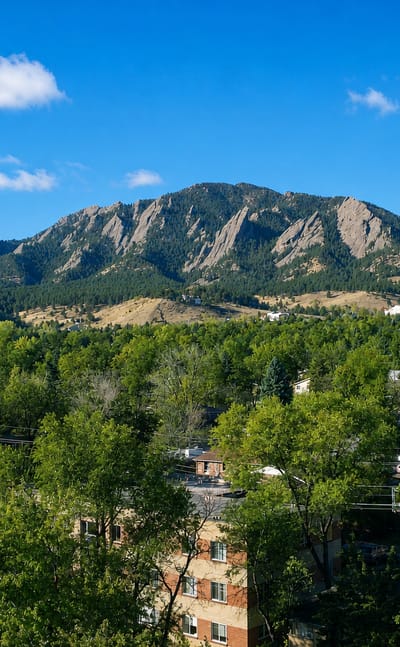
Boulder
Brick campus buildings and open sky mark Boulder, a university city in Colorado, home to the University of Colorado and the Fiske Planetarium.Where to stay →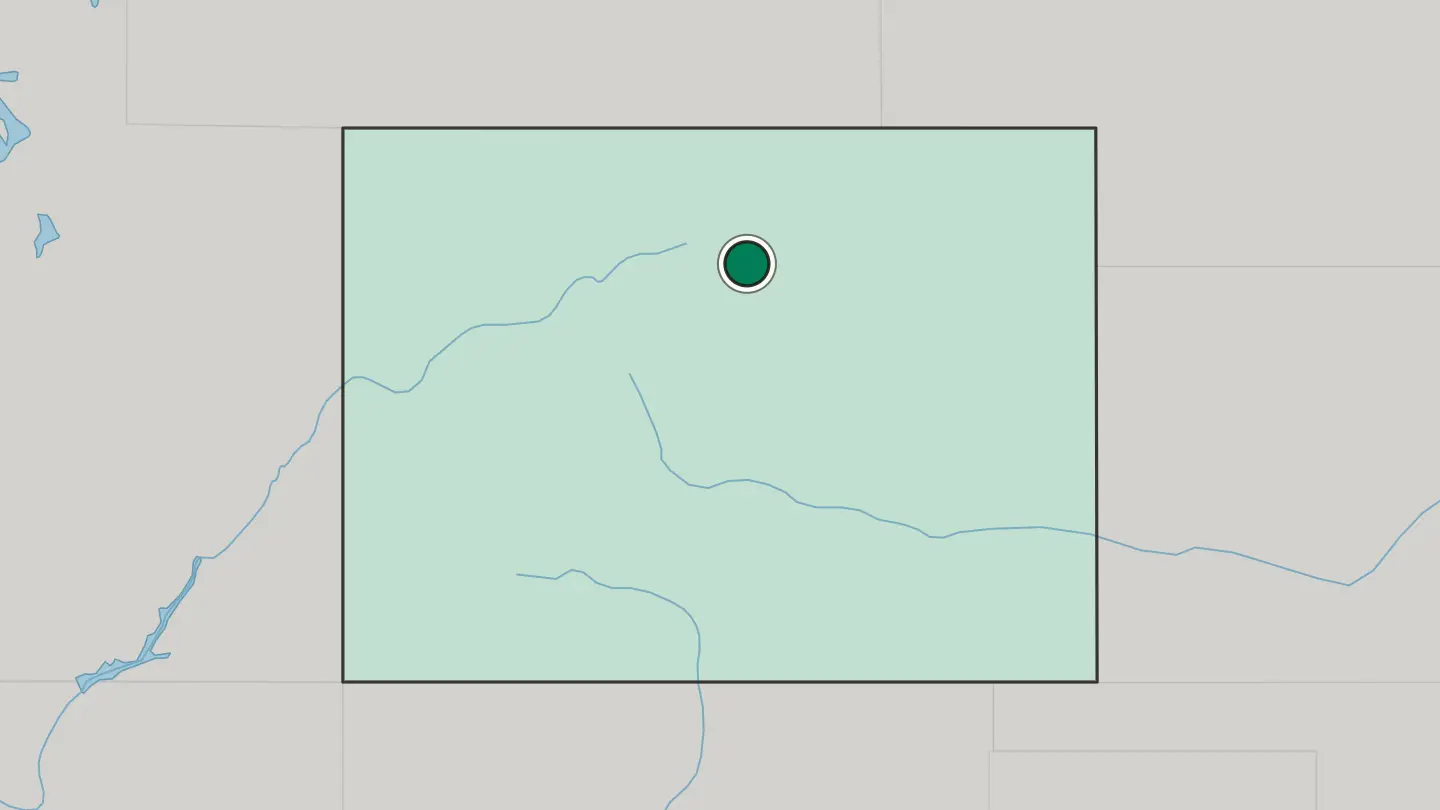
 United States
Highlands Ranch
Highlands Ranch is an unincorporated Douglas County community south of Denver, run by its own metropolitan district rather than a city hall.Where to stay →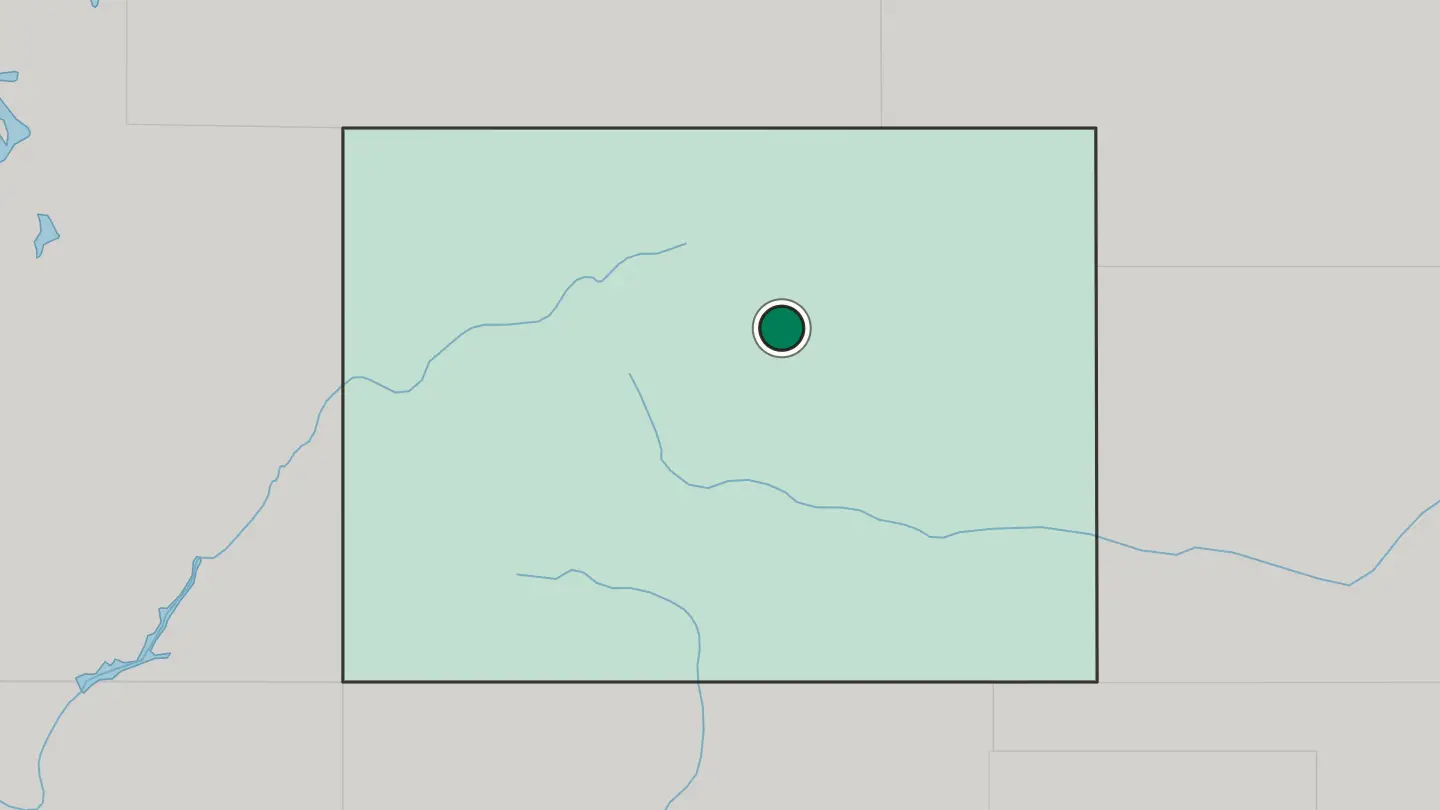 United States
Longmont
Longmont takes its name from Longs Peak, the mountain in view from a city of 1871 spread across Boulder and Weld counties.Where to stay →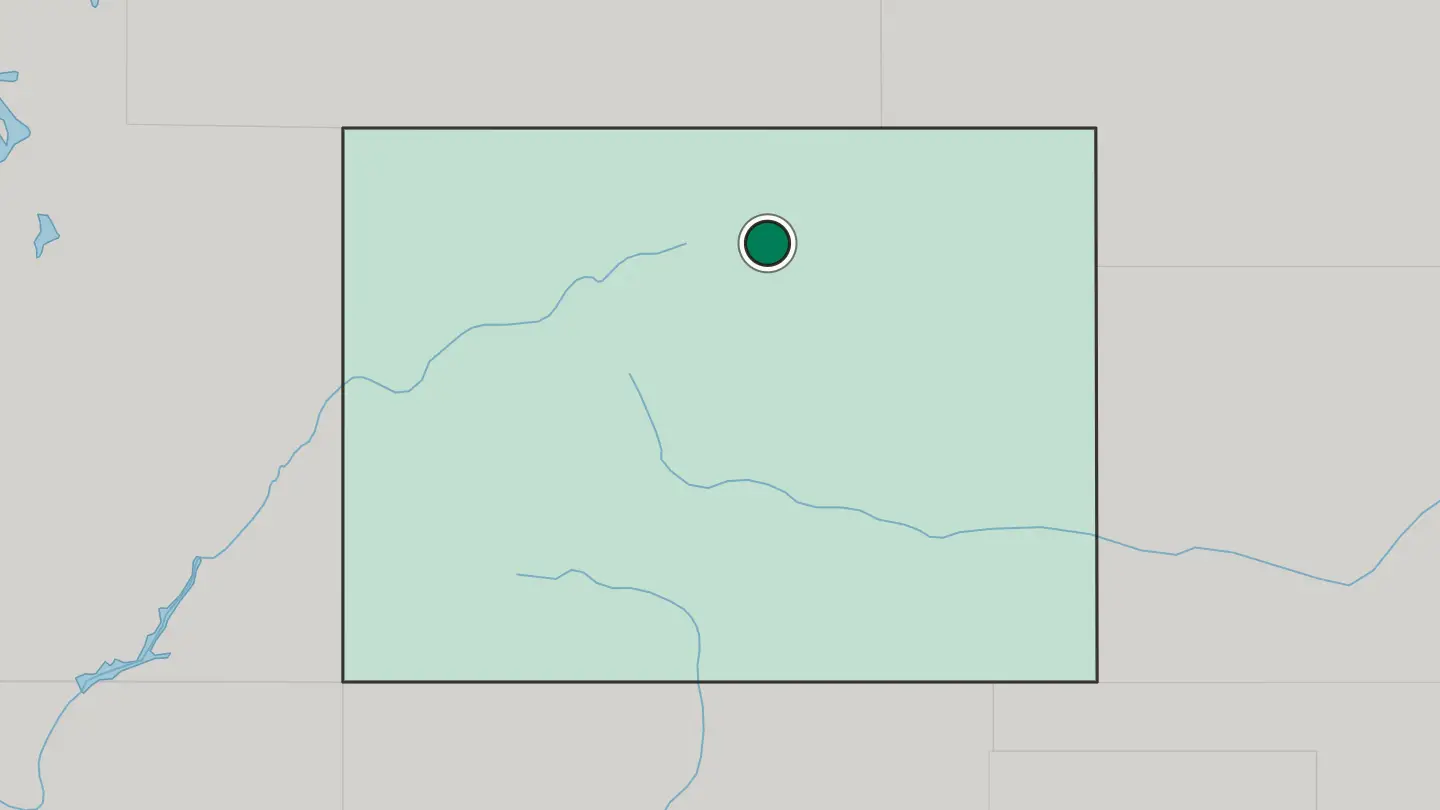
 United States
Loveland
Loveland is a home rule city in Larimer County, founded in 1877, where three foundries and an August sculpture show anchor an artists' town.Where to stay →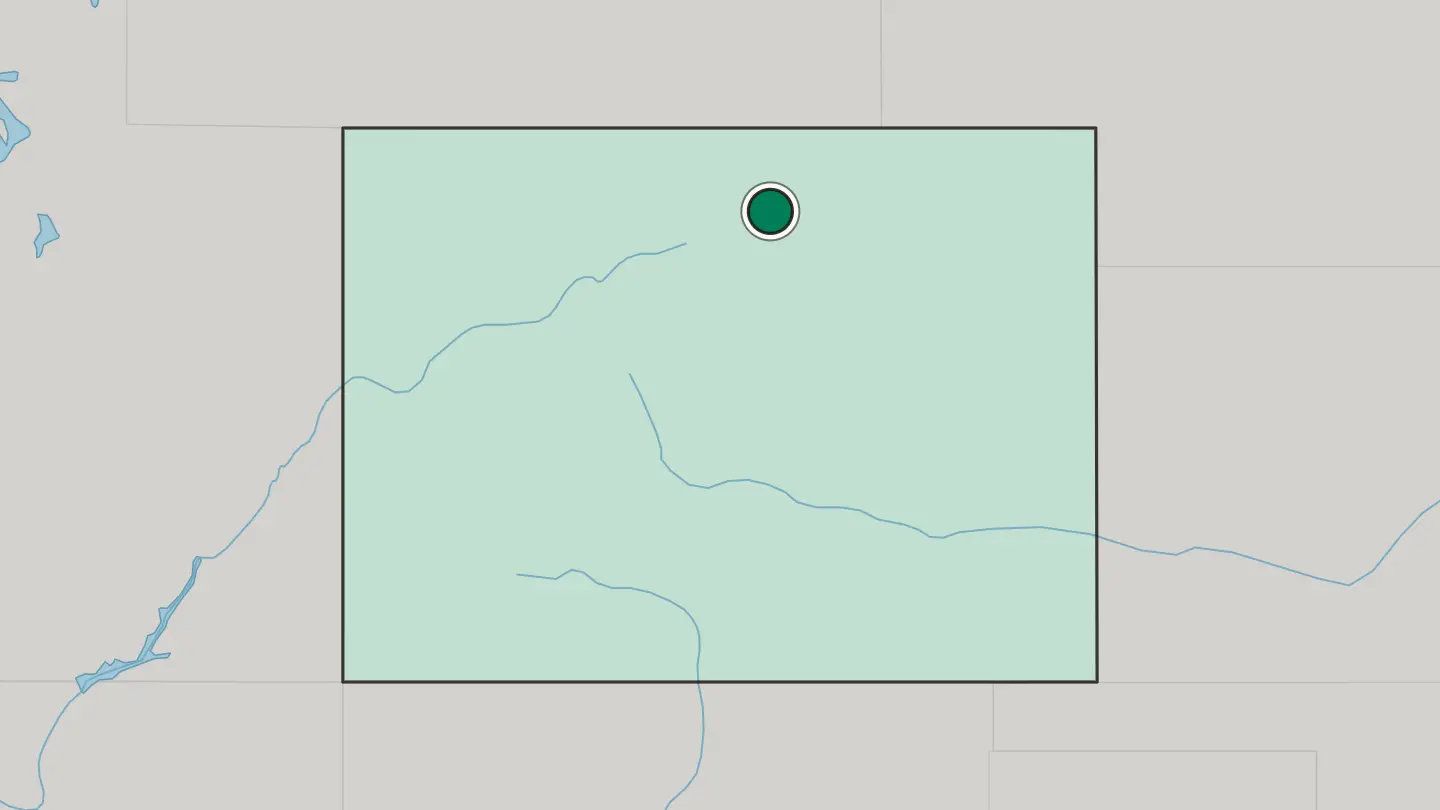 United States
Broomfield
Broomfield, set between Denver and Boulder, is Colorado's only consolidated city and county besides Denver, and keeper of the Butterfly Pavilion.Where to stay →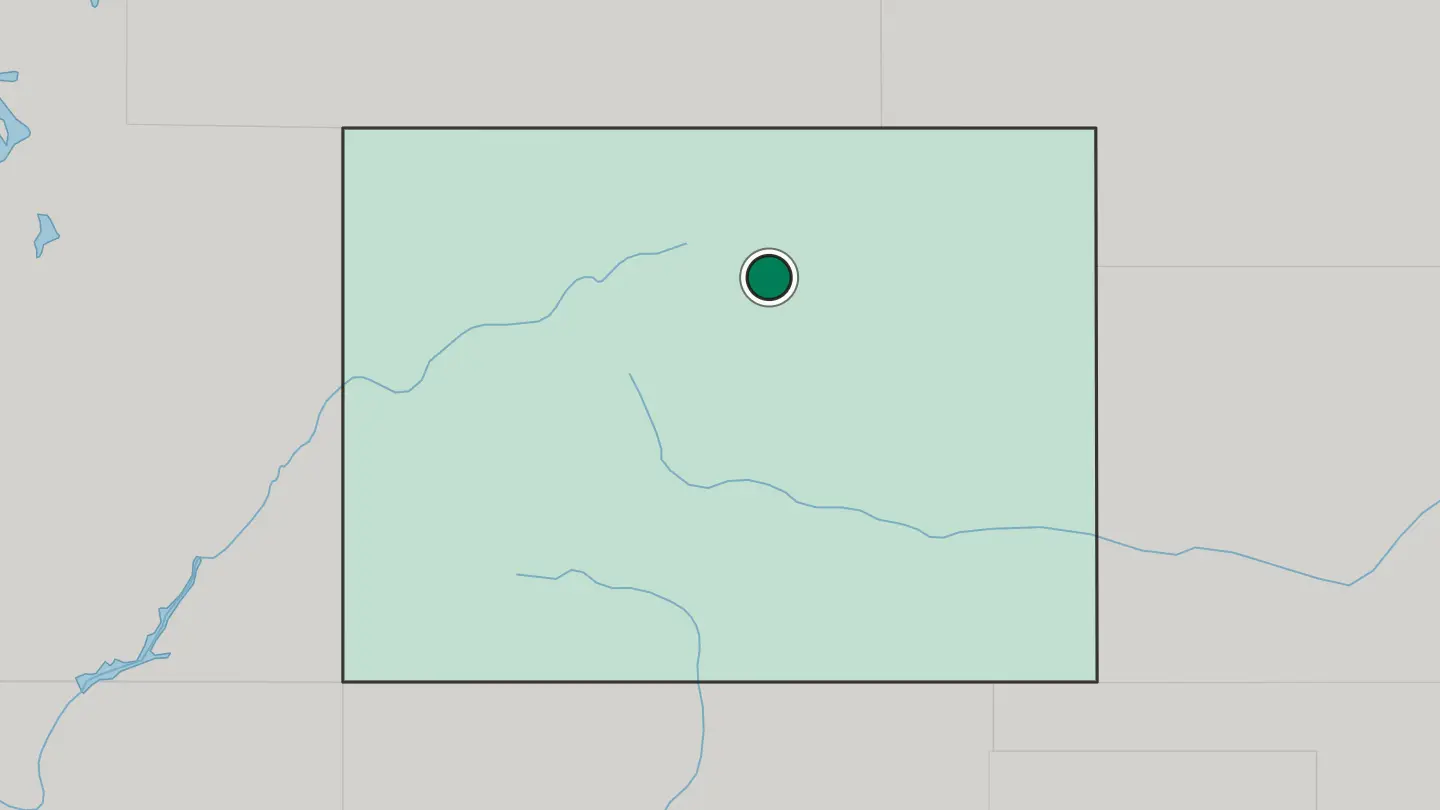
 United States
Grand Junction
Grand Junction, the Mesa County seat, stands on the Colorado River below Grand Mesa, Mount Garfield, and Colorado National Monument.Where to stay →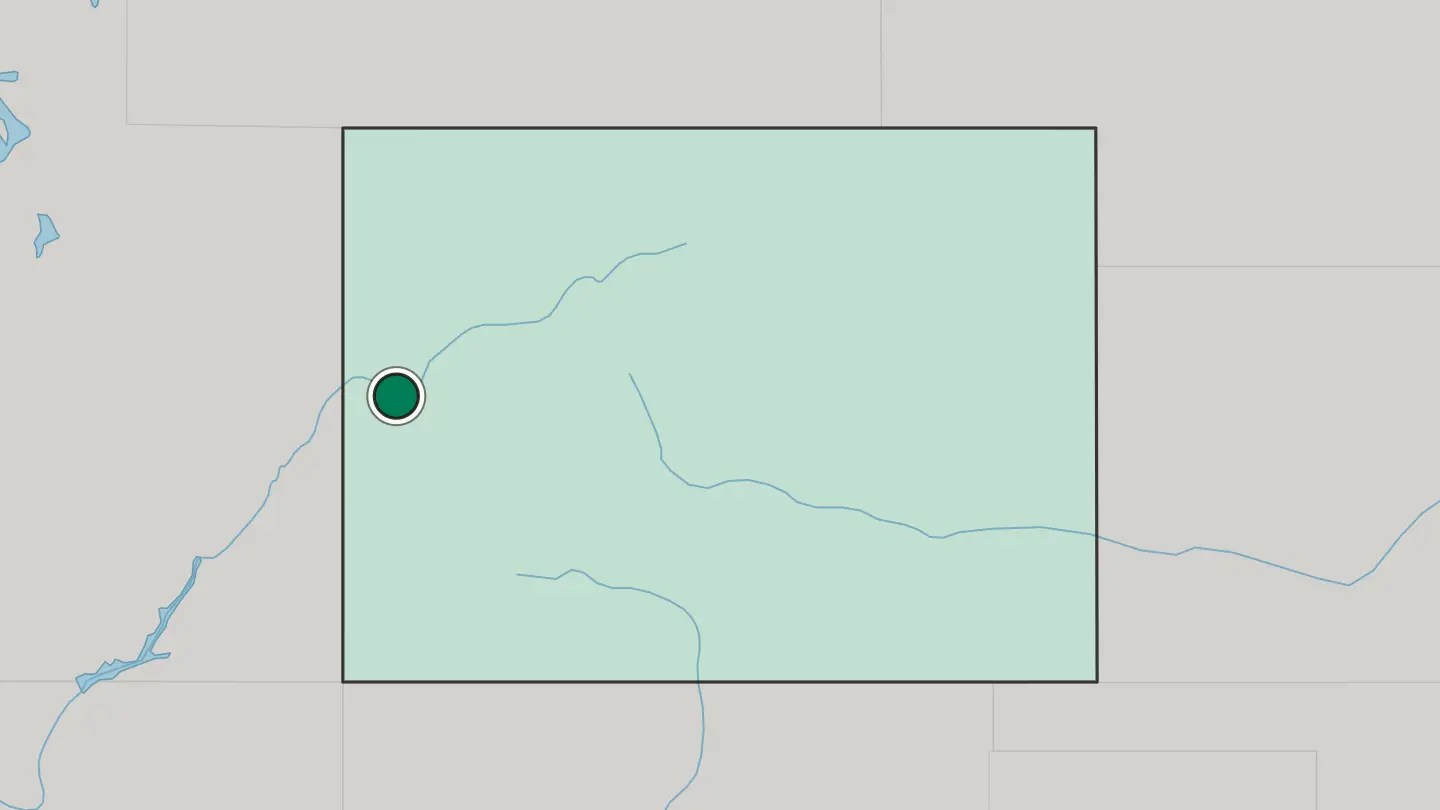
 United States
Castle Rock
Castle Rock, the Douglas County seat south-southeast of Denver, keeps the Keystone Hotel, the Castle Rock Depot, and a county archive.Where to stay →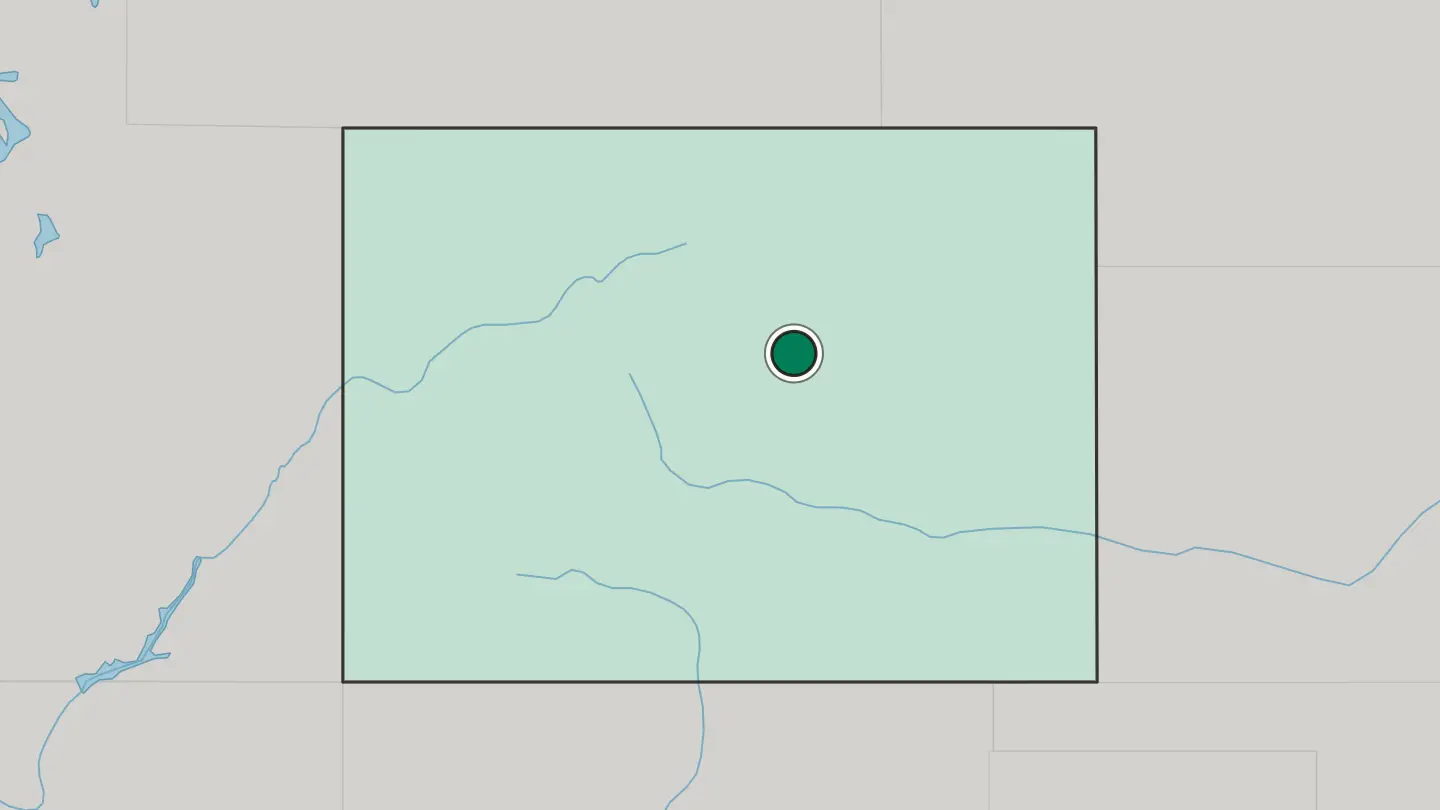
 United States
Commerce City
A home rule city of Adams County, Commerce City stands north of Denver in Colorado, on the Front Range Urban Corridor.Where to stay →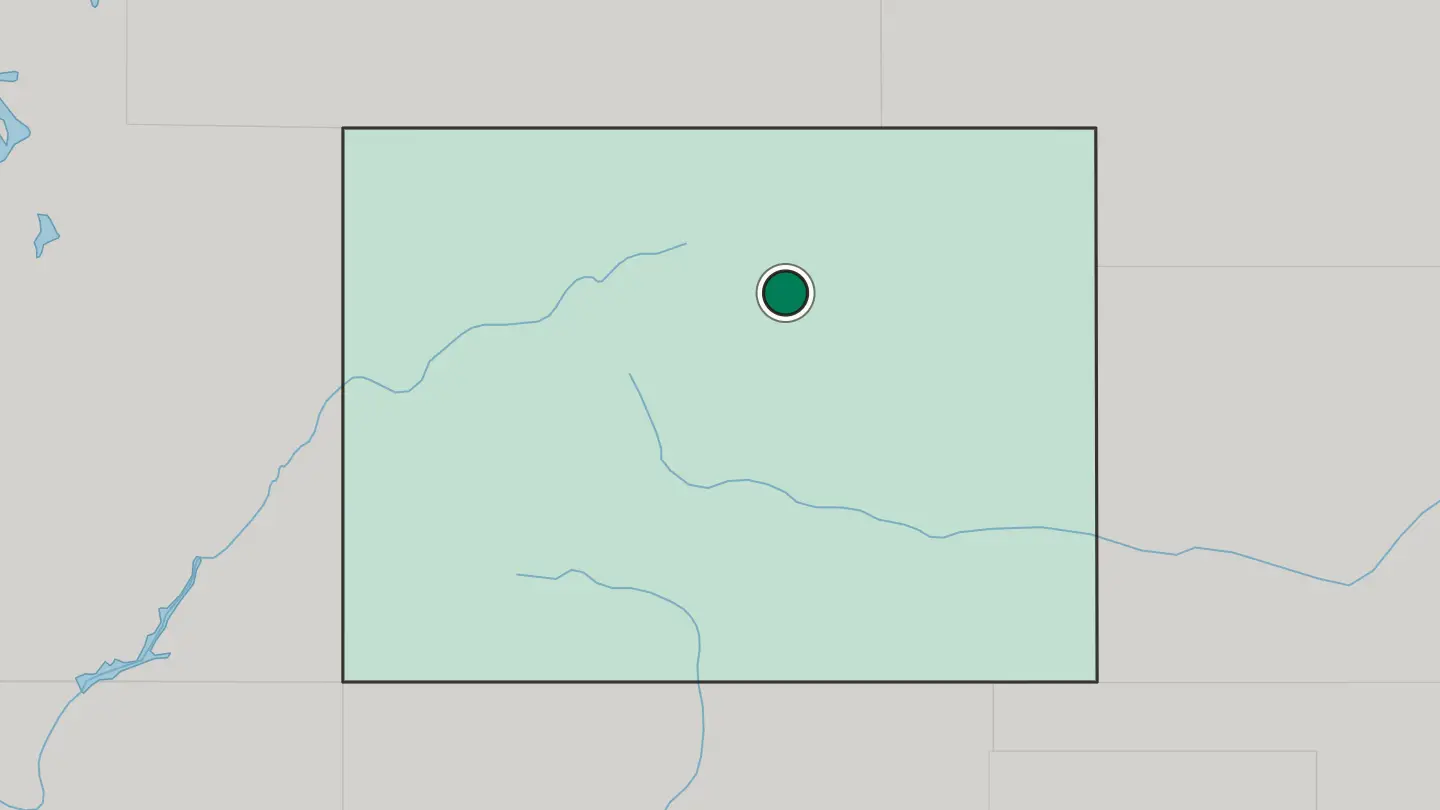
Hotel links are affiliate links: booking through them may earn us a commission, at no extra cost to you. It never affects how places are ranked. How this works
About Colorado
What is Colorado known for?
Colorado is known for its mountains, encompassing most of the Southern Rocky Mountains. It is the eighth-largest state by area. The land ranges from those high peaks to the Colorado Plateau in the west and the Great Plains along the east, a mix of forests, mesas, canyons, and rivers.
At the Four Corners, Colorado meets Arizona, New Mexico, and Utah. Wyoming lies north.
Where is Colorado?
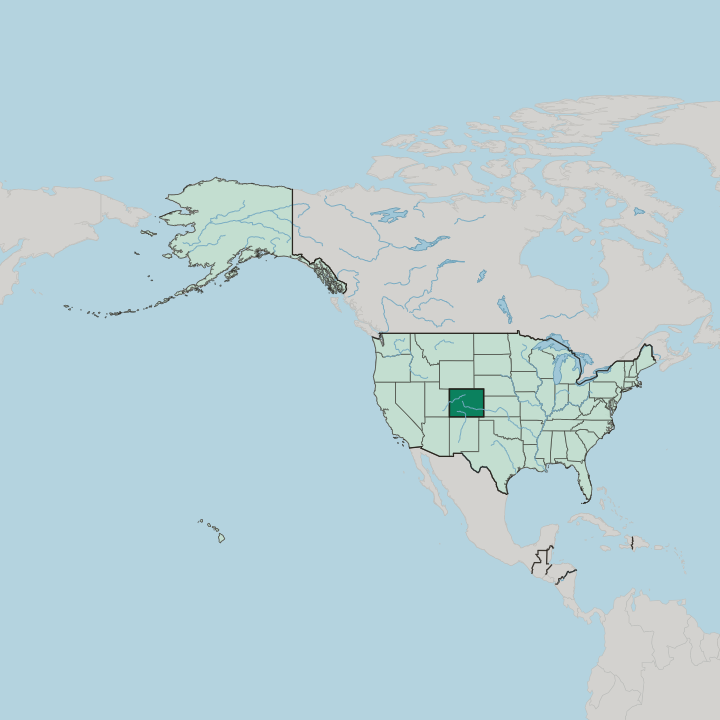
Colorado is a landlocked state in the Mountain West, part of the Western United States and reaching into the Southwestern United States as well. Its land is defined by height. The Southern Rocky Mountains run through most of the state, and Colorado holds the greater part of that range.
West of the peaks lies the Colorado Plateau, a country of mesas, canyons, and high plateaus. Eastward, the mountains fall away to the Great Plains, whose western edge crosses into the state and flattens the land toward the horizon. Forests, rivers, and desert lands fill the rest.
Four states border Colorado in a near-rectangle. Wyoming lies to the north and Nebraska to the northeast, with Kansas along the east and Oklahoma to the southeast. The southwest corner reaches the Four Corners, the single point joining Colorado with Arizona, New Mexico, and Utah.
That makes it one of only four states joined at that spot. Colorado is the eighth-largest state by area, and its terrain, from the Southern Rocky Mountains to the Great Plains, spans a wide range within those borders. No coast touches it anywhere.
What is Colorado like?
Colorado is shaped by its mountains more than anything else. As a Mountain West state, it takes its identity from the Southern Rocky Mountains that run through its core. The high country sets the tone.
Life divides between those peaks and the Great Plains that open to the east, two very different halves of one state. The mountains hold the centre of gravity. The peaks and the plains pull in opposite directions.
Colorado holds no coastline at all. The state also belongs to the wider Four Corners country. At its southwest corner, Colorado joins Arizona, New Mexico, and Utah at a single point, tying it to the Southwestern United States alongside its Mountain West character.
Colorado became a state in 1876, and its identity was built on the mountains from the start. Its plateaus, canyons, and forests draw people from far beyond its borders. Between the Southern Rocky Mountains and the plains, the state reads as high country, set firmly in the interior.
The shared corner ties Colorado to Arizona, New Mexico, and Utah as much as its plains tie it to Kansas, Nebraska, and Oklahoma.
What is the history of Colorado?
Colorado became a state in 1876, one of the later admissions in the Western United States. Its borders were drawn as a near-rectangle, boxing in the Southern Rocky Mountains, the Great Plains, and the Colorado Plateau within four nearly straight lines. The Four Corners fixes its southwest angle, shared with Arizona, New Mexico, and Utah.
Those lines still hold.
What is the climate of Colorado?
Colorado has a temperate mountain climate, set by height as much as by season. The Southern Rocky Mountains bring cold, snowy winters to the high country, while the Great Plains to the east run milder and lower. Elevation rules here.
The landlocked setting, far from any sea, leans the state continental rather than mild, with sharp swings between the peaks and the plains.
How do you get to Colorado?
Colorado is reached entirely overland, with no coast and no seaport. Roads cross in from Wyoming and Nebraska in the north, Kansas from the east, and Oklahoma from the southeast, while the Four Corners opens routes toward Arizona, New Mexico, and Utah. The Southern Rocky Mountains shape every approach, funnelling traffic through passes and valleys.
Arrivals gather along the plains. The mountains do the rest.
Common questions
What is the best area to stay in Colorado?
Southern Rocky Mountains: high country, forests, and canyons. Eastern plains: open, lower ground toward Kansas and Nebraska.
Good for
More regions in United States
Updated September 2026