United States · Colorado
Where to Stay in Pueblo, Colorado
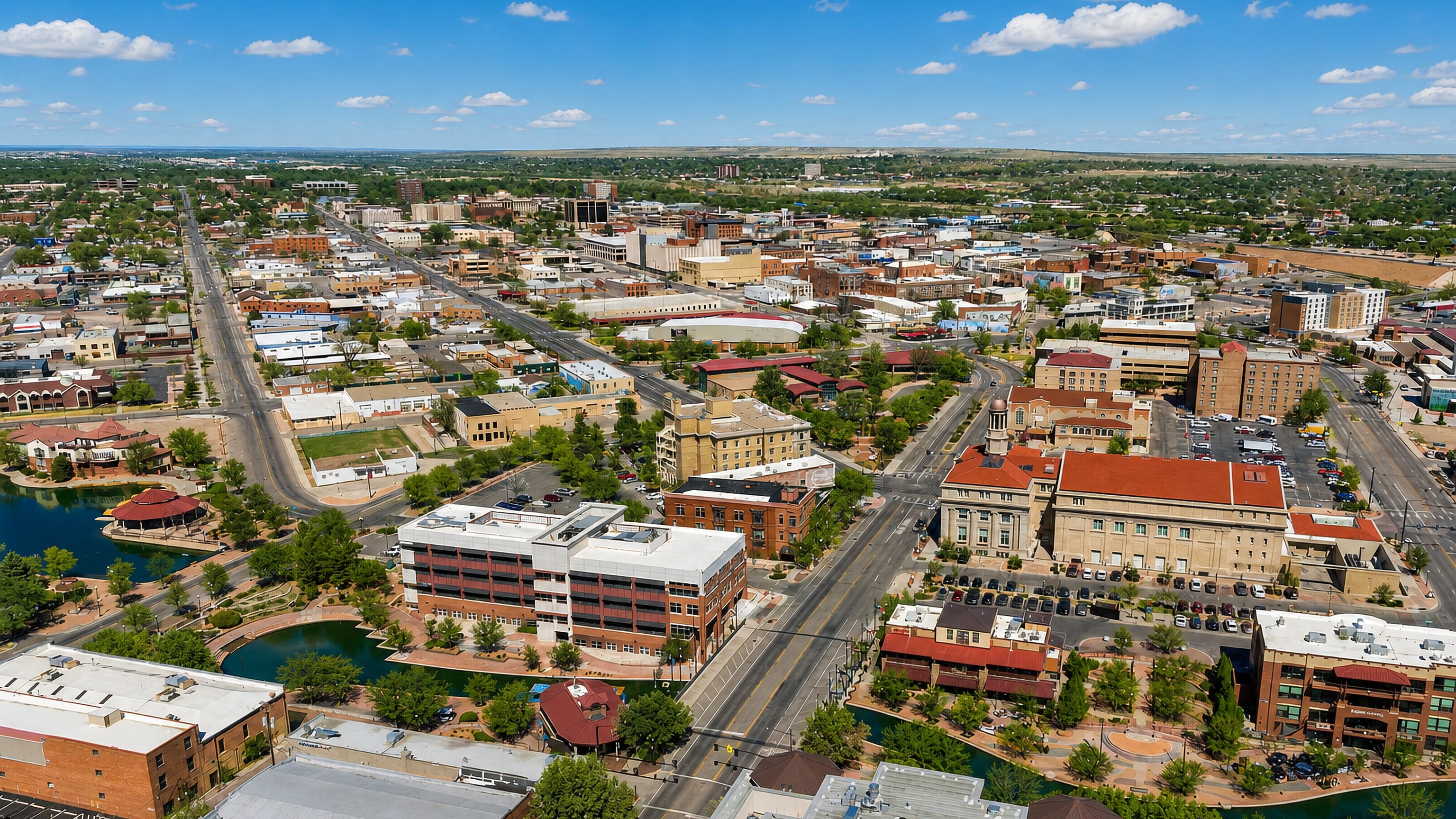
Pueblo is the Steel City, a Colorado county seat of 1885 at the confluence of the Arkansas River and Fountain Creek.
Hotel links are affiliate links: booking through them may earn us a commission, at no extra cost to you. It never affects how places are ranked. How this works


Where to stay in Pueblo
Where the beds are, and what that means for the visit.
Two waterways set the plan. Pueblo sits at the confluence of the Arkansas River and Fountain Creek, and the way those two channels divide the ground is the first thing a stay here has to reckon with. Start with the museums.
El Pueblo History Museum, the Infozone News Museum and the Sangre de Cristo Arts and Conference Center are the reasons to want a bed within walking distance of the centre rather than out on the county roads. Family trips point somewhere else. The Pueblo Zoo, the Pueblo City Park Carousel and the Buell Children's Museum make the case for staying near the park side of the city, where a day can be filled without moving the car twice.
That suits you travelling with children. The Rosemount Museum, the Gast Mansion and the Bowen Mansion sit on the grander side of the same register, houses on a scale the Steel City could support. The plains take over past the edges.
Pueblo spreads across a hundred and forty square kilometres on the Eastern Plains, so the outer beds trade walkability for space and the Front Range Urban Corridor carries anyone heading back north. Rail history survives at the Pueblo Railway Museum. First Congregational Church and First Methodist Episcopal Church mark the older civic streets, and the Pueblo Heritage Museum ties the whole account together for anyone staying long enough to want it.
Find hotels in Pueblo
Direct booking searches for these neighbourhoods.
The confluence
The angle of ground the Arkansas River and Fountain Creek make between them, with El Pueblo History Museum and the Infozone News Museum on the same short circuit.Find hotels in The confluenceDays divided between the Pueblo Zoo and the Pueblo City Park CarouselThe City Park side
The park end of Pueblo, where the Pueblo Zoo, the Pueblo City Park Carousel and the Buell Children's Museum sit close enough to fill a day without the car.Find hotels in The City Park sideStays among the Gast Mansion and the Bowen MansionThe Rosemount streets
The mansion quarter of Pueblo County's seat, where the Rosemount Museum, the Gast Mansion and the Bowen Mansion line up the largest houses the Steel City built. Rooms are few around here — worth securing early.Find hotels in The Rosemount streetsIndustrial days at the Steelworks Museum of Industry and CultureThe Steelworks side
The works end of Pueblo, where the Steelworks Museum of Industry and Culture and the Pueblo Railway Museum hold the trades the city was named for. Beds are limited here, so book early.Find hotels in The Steelworks sideHotel links are affiliate links: booking through them may earn us a commission, at no extra cost to you. It never affects how places are ranked. How this works
Things to do in Pueblo
Ranked by global recognition; descriptions from Wikidata (CC0).
Museums & Galleries
3- Rosemount Museum Heritage
- El Pueblo History Museum Heritage
- Buell Children's Museum
Churches & Religious Sites
4- First Methodist Episcopal Church Heritage
- St. John's Greek Orthodox Church Heritage
- First Congregational Church Heritage
- St. Paul African Methodist Episcopal (AME) Church Heritage
Castles & Historic Sites
1- Pueblo Zoo Heritage
Landmarks & Notable Places
8- Orman-Adams House Heritage
- Martin Walter House Heritage
- Galligan House Heritage
- J.L. Streit House Heritage
- Barndollar–Gann House Heritage
Show 3 more →
- Gast Mansion Heritage
- Asbury White House Heritage
- Bowen Mansion Heritage
worth knowingacross 4 categories in Pueblo
About Pueblo
Steel gave the city its nickname.
What is Pueblo known for?
Pueblo is known as the Steel City and as the Home of the Heroes, and the Steelworks Museum of Industry and Culture keeps that account. Museums run deep here. El Pueblo History Museum, the Rosemount Museum, the Buell Children's Museum and the Sangre de Cristo Arts and Conference Center between them give a county seat of this size an unusually long cultural list.
What are the main landmarks in Pueblo?
Twenty-five entries, and houses take most of them. The Martin Walter House, the Galligan House, the Orman-Adams House and the Barndollar-Gann House run through the middle of the register, while the Gast Mansion and the Bowen Mansion sit at the top of it. Churches account for four.
First Congregational Church, First Methodist Episcopal Church, St. John's Greek Orthodox Church and St. Paul African Methodist Episcopal (AME) Church cover four traditions between them. El Pueblo History Museum and the Steelworks Museum of Industry and Culture lead the museum side.
What is the history of Pueblo?
The date on the record is 1885. Pueblo took shape at the confluence of the Arkansas River and Fountain Creek, the kind of site that decided where towns went before railways and highways made the question less important. El Pueblo History Museum carries that earliest layer.
Steel came next, and the name stuck, so the Steel City label and the Home of the Heroes title are both later than the settlement itself. Money built the big houses. The Rosemount Museum, the Gast Mansion, the Bowen Mansion and the Orman-Adams House belong to the same prosperous stretch of the city's past, and they remain its clearest physical record.
Congregations built in parallel. First Congregational Church and First Methodist Episcopal Church served the growing city, and the Martin Walter House and the Galligan House show what ordinary prosperity looked like beside the mansions. Industry left museums behind it.
The Steelworks Museum of Industry and Culture and the Pueblo Railway Museum both keep records of trades that shaped the city, and the Pueblo Heritage Museum and the Infozone News Museum add the civic and printed sides of the same account. The county seat status never moved. Pueblo remains the principal city of its own metropolitan statistical area and a fixture on the Front Range Urban Corridor.
Where is Pueblo?
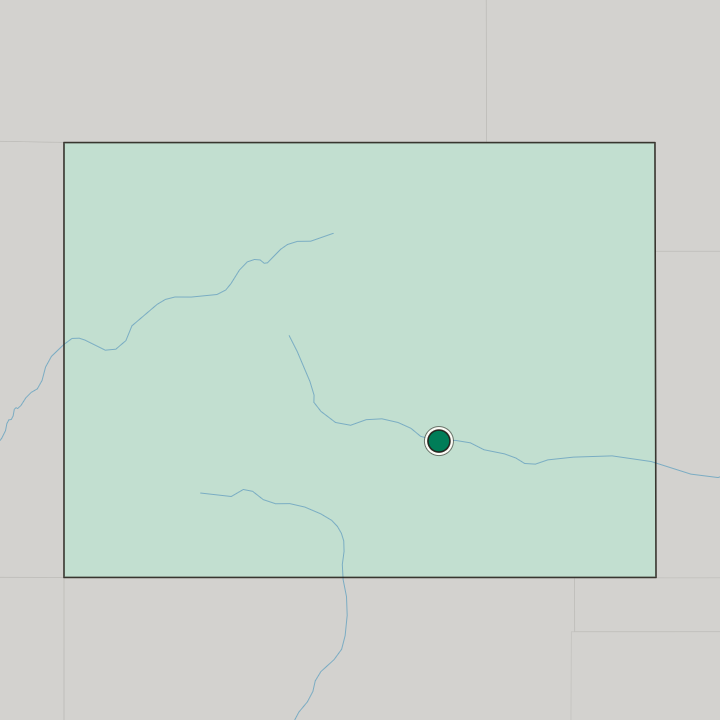
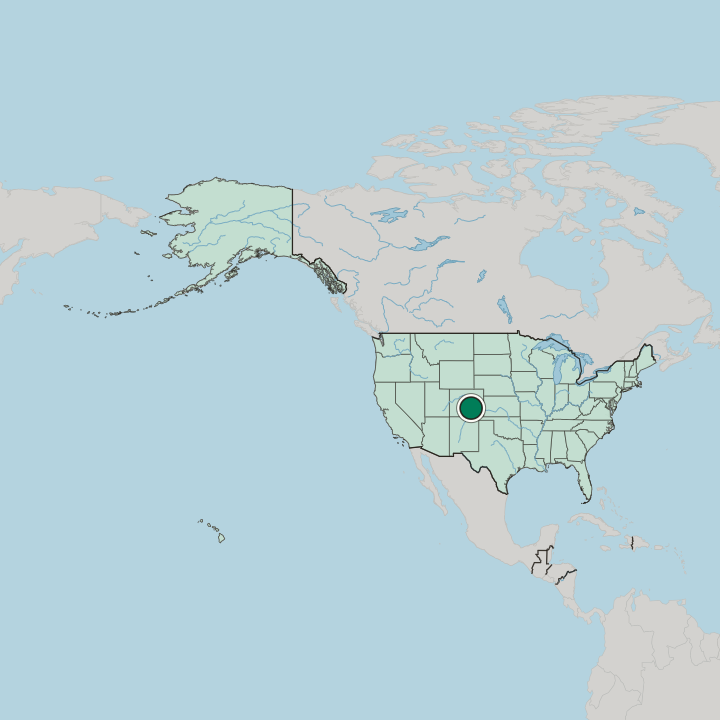
The rivers explain the site. Pueblo occupies a hundred and forty square kilometres at the confluence of the Arkansas River and Fountain Creek, out on the Eastern Plains rather than up against the mountains. Pueblo County surrounds it.
The Front Range Urban Corridor runs through, tying a plains city into the same line of settlement as the places built directly beneath the range.
What is the climate of Pueblo?
The Eastern Plains set the terms. Pueblo lies in the temperate band away from the mountains, on open ground where the Arkansas River provides the only real moderation and the daily swing runs wide in both directions. Summer afternoons run hot.
The Pueblo Zoo and the Pueblo City Park Carousel are best taken early on such days, with the Buell Children's Museum and the Sangre de Cristo Arts and Conference Center as the indoor alternatives.
How do you get to Pueblo?
The corridor brings people in. Pueblo is the principal city of its own metropolitan statistical area, and the Front Range Urban Corridor is the road spine that connects it to the rest of Colorado without any change of route. Rail has its own museum.
The Pueblo Railway Museum records the lines that once did this work, while most arrivals reach the county seat by road.
Common questions
What is the best area to stay in Pueblo?
The confluence: Walking days between El Pueblo History Museum and the Infozone News Museum. The City Park side: Days divided between the Pueblo Zoo and the Pueblo City Park Carousel. The Rosemount streets: Stays among the Gast Mansion and the Bowen Mansion. The Steelworks side: Industrial days at the Steelworks Museum of Industry and Culture.
Good for
More cities in Colorado
Updated September 2026