United States · Colorado
Where to Stay in Colorado Springs, Colorado
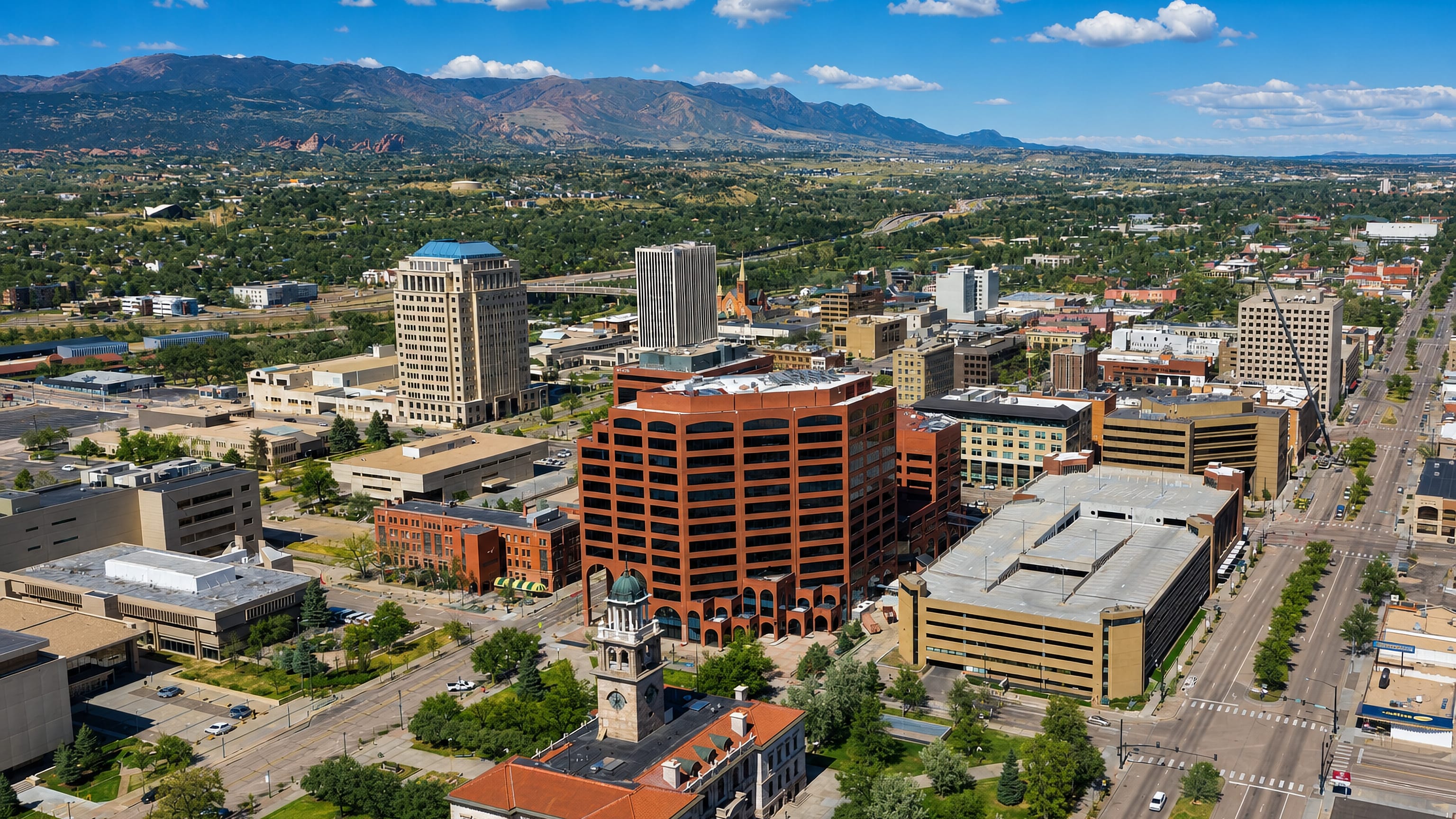
Colorado Springs rises on high ground below Pikes Peak, a city in Colorado known for its Olympic training halls and its stone-built historic churches.
Hotel links are affiliate links: booking through them may earn us a commission, at no extra cost to you. It never affects how places are ranked. How this works


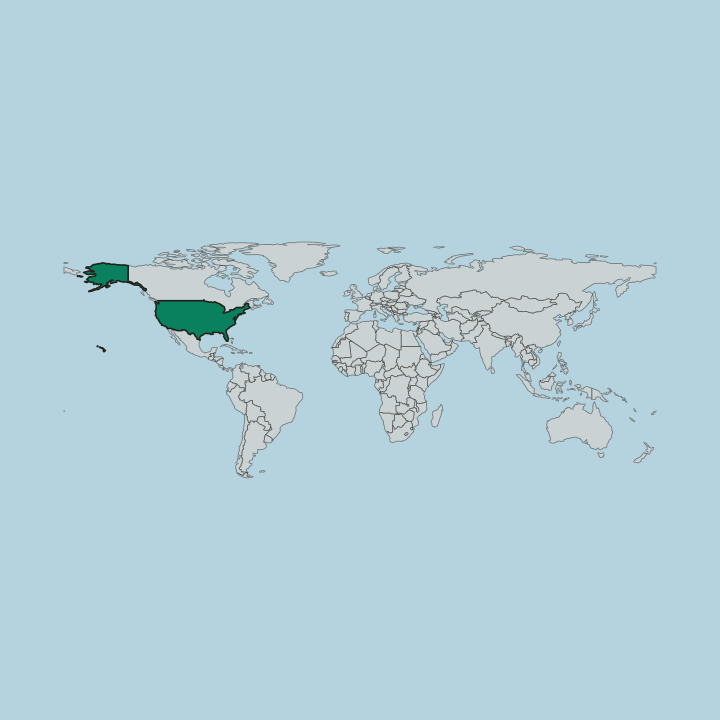
Where to stay in Colorado Springs
One neighbourhood here has its own guide — here's what it is best for.
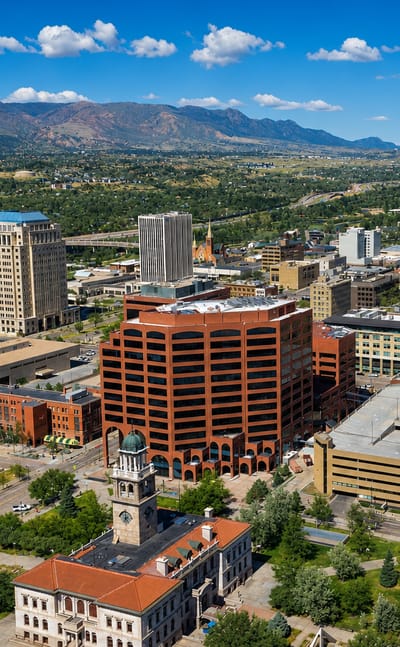
 Colorado SpringsUnited States
Cimarron Hills
Cimarron Hills is an unincorporated enclave of Colorado Springs, governed by El Paso County, Colorado, and never absorbed by the city around it.Where to stay →Hotel links are affiliate links: booking through them may earn us a commission, at no extra cost to you. It never affects how places are ranked. How this works
Find hotels in Colorado Springs
Direct booking searches for these neighbourhoods.
Historic center
The old core gathers hotels within a few blocks of Grace and St. Stephen's Episcopal Church, the First Congregational Church, and the 1871 stone streets around the McAllister House Museum.Find hotels in Historic centerBest if you want the galleries on the doorstep and quieter blocks than the central grid, with the historic churches a short ride away.Fine Arts district
The cultural quarter draws around the Colorado Springs Fine Arts Center and its collections, setting lodging beside the arts rather than the civic heritage of the old center.Find hotels in Fine Arts districtHotel links are affiliate links: booking through them may earn us a commission, at no extra cost to you. It never affects how places are ranked. How this works
Things to do in Colorado Springs
Ranked by global recognition; descriptions from Wikidata (CC0).
Museums & Galleries
3- Colorado Springs Fine Arts Center Heritage
- Mcallister House Museum
- Pikes Peak Historical Street Railway Foundation
Churches & Religious Sites
3- Grace and St. Stephen's Episcopal Church Heritage
- First Congregational Church Heritage
- Emmanuel Presbyterian Church Heritage
Stadiums & Sports
1- United States Olympic Training Center
Landmarks & Notable Places
6- Hagerman Mansion Heritage
- Judson Moss Bemis House Heritage
- Gwynne–Love House Heritage
- Burgess House Heritage
- Dodge-Hamlin House Heritage
Show 1 more →
- Lindley-Johnson-Vanderhoof House Heritage
worth knowingacross 4 categories in Colorado Springs
About Colorado Springs
What is Colorado Springs known for?
Colorado Springs is known above all for elite sport and civic heritage in Colorado. The United States Olympic Training Center draws athletes to the city, and its halls anchor a reputation built on training rather than spectacle. Culture sits close by.
The Colorado Springs Fine Arts Center holds the visual arts, while The Edward C. Rochette Money Museum gathers coins and currency for a specialist audience that few American cities can match in this field.
What are the main landmarks in Colorado Springs?
Landmarks in Colorado Springs run from sport to stone heritage. The United States Olympic Training Center is the city's best-known site, a working hub for athletes. Others reward a slower look.
The McAllister House Museum and the Grace and St. Stephen's Episcopal Church carry the founding-era architecture, while the Pikes Peak Historical Street Railway Museum keeps the city's tramway past and the Colorado Springs Fine Arts Center holds its visual-arts collections.
What is the history of Colorado Springs?
Colorado Springs was founded in 1871, a planned town laid out on the high plain below Pikes Peak in Colorado. Its early promoters set out wide streets and civic lots. Growth followed fast.
The founding-era stock still standing includes the McAllister House Museum and the stone-built Grace and St. Stephen's Episcopal Church, and these buildings mark the ambitions of a settlement that meant to be a resort and a proper city from the start rather than a mining camp. The churches trace the town's expanding congregations through the decades after 1871, with the First Congregational Church and the Emmanuel Presbyterian Church among the heritage-listed houses of worship that record its growth. Later the city gathered institutions of a different kind.
The United States Olympic Training Center brought national sport to the plain below the peak, and the Colorado Springs Fine Arts Center added a cultural anchor, so the modern city carries both its nineteenth-century street plan and the training halls and galleries that reshaped its purpose across the twentieth century.
Where is Colorado Springs?
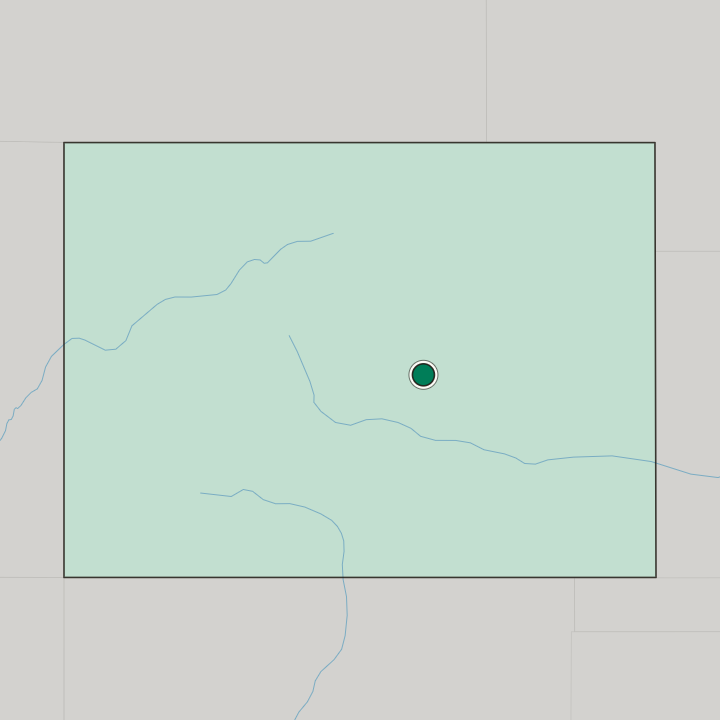
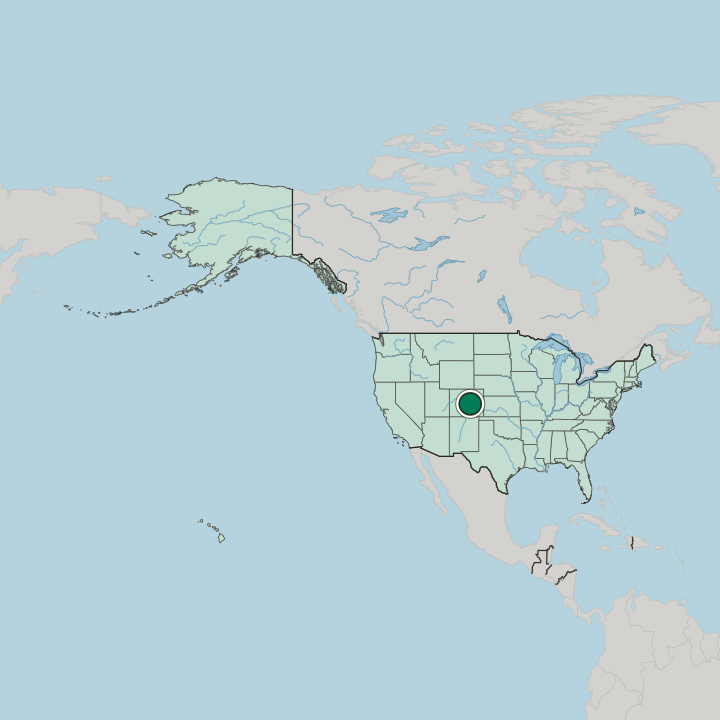
Colorado Springs sits on a high plain in Colorado, on the ground east of Pikes Peak where the plains meet the mountain front. The city spreads across open, elevated terrain. The peak dominates the western horizon.
That mountain edge shapes the setting and the outlook of the streets, while the flat ground eastward carries the grid of a city laid out with room to grow well beyond its founding-era core.
What is the climate of Colorado Springs?
Colorado Springs has a dry, high-elevation climate shaped by its ground below Pikes Peak in Colorado. Winters bring cold spells and snow. Summers stay warm and sunny.
The altitude keeps the air thin and the nights cool even in the warm months, and the mountain front to the west drives the sharp swings between bright days and cold, clear evenings that mark the seasons on this high plain.
How do you get to Colorado Springs?
Colorado Springs is reached by road and air across Colorado, sitting on the plain below Pikes Peak. Interstate 25 runs through the city along the mountain front, tying it north and south. Its own airport serves the region directly.
Highways carry most arrivals from the surrounding plains and from the larger cities up the corridor, and the road network fans out from the historic center toward the training grounds and the arts district across the high ground.
Common questions
What is the best area to stay in Colorado Springs?
Historic center: Best if you want the founding-era churches and the McAllister House Museum a short walk from bed and accept a busy central grid in return.. Fine Arts district: Best if you want the galleries on the doorstep and quieter blocks than the central grid, with the historic churches a short ride away..
Good for
More cities in Colorado
Updated September 2026