United States · Florida
Where to Stay in Ocala, Florida
Ocala is the county seat of Marion County, a horse-farm city of North Central Florida founded in 1845 and centre of the Ocala metropolitan area.
Hotel links are affiliate links: booking through them may earn us a commission, at no extra cost to you. It never affects how places are ranked. How this works


Where to stay in Ocala
The practical side of choosing where to sleep.
The Ocala Historic Commercial District is the one part of the city built to be walked. Rooms in and around it put the older storefronts and Ocala Union Station within reach on foot, which is unusual for a city of this shape and the reason most short stays land here. Marion County begins immediately outside.
Beds out among the horse farms trade the walkable streets for pasture, gates and long drives between one place and the next. The Ocala metropolitan area is small enough that the difference between a downtown room and one on the far edge is measured in minutes. Fort King gives a second anchor for a stay, close enough to the historic district that a visitor can hold both in one day without moving hotels.
Choose the district for walking. Choose the county road for horses, springs and the run out to the rivers and lakes that the pastures of North Central Florida give onto, and expect to drive on every day of the stay. Marion County keeps its distances honest, and a car parked outside the room is the assumption behind almost every stay in Ocala apart from the walkable few blocks around the old storefronts.
Find hotels in Ocala
Direct booking searches for these neighbourhoods.
The Ocala Historic Commercial District
The only genuinely walkable quarter of Ocala, built around the surviving commercial storefrontsFind hotels in The Ocala Historic Commercial DistrictDays split between Fort King and the older residential streetsAround Fort King
The ground around Fort King, close to the historic district but quieter after dark. Lodging is scarce in this area; reserve in advance.Find hotels in Around Fort KingPasture gates, thoroughbred farms and drives out to the springsThe horse farms of Marion County
The rolling pasture past the city edge, where Marion County's breeding farms take over. Few places to stay nearby — book ahead.Find hotels in The horse farms of Marion CountyHotel links are affiliate links: booking through them may earn us a commission, at no extra cost to you. It never affects how places are ranked. How this works
About Ocala
Horses are the trade here.
What is Ocala known for?
Pastures roll out from the edge of Ocala across Marion County, and the farms on them have given the city a standing in thoroughbred breeding that outruns anything else it does. Springs and rivers do the rest. In town the older fabric survives as the Ocala Historic Commercial District, with Ocala Union Station standing from the railway years and Fort King recalling the period before any of it.
What are the main landmarks in Ocala?
Fort King is the oldest name on the list. The Ocala Historic Commercial District holds the surviving commercial fabric of the nineteenth-century town, and Ocala Union Station stands from the period when the railway rather than the road brought people into Marion County. Two smaller entries complete it: Mount Zion A.M.E.
Church and the E. C. Smith House, both protected and both belonging to the older quarter of the city rather than to the pasture country outside it.
What is the history of Ocala?
Fort King came before the city. The fort fixed the first point on this stretch of North Central Florida, and Ocala itself dates from 1845, when it was established as the seat of Marion County. The railway arrived later.
Ocala Union Station survives from that period, and the Ocala Historic Commercial District preserves the blocks of storefronts that the line and the county trade paid for. Springs, rivers and lakes lie through the surrounding country, and the pastures that roll between them carried the farms that came afterwards. Horse breeding is the modern chapter.
The pastures of Marion County turned to thoroughbreds, and the farms spread across ground that had been open country until the trade became the thing the city is known for outside Florida. Ocala grew into the principal city of the Ocala metropolitan area, and the county seat function it took in 1845 still shapes the centre, where the courthouse business and the historic storefronts share the same few blocks. Ocala Union Station and the Ocala Historic Commercial District are what the town centre kept, while the horse farms took the country beyond the city edge, and the two have grown at different speeds.
Where is Ocala?
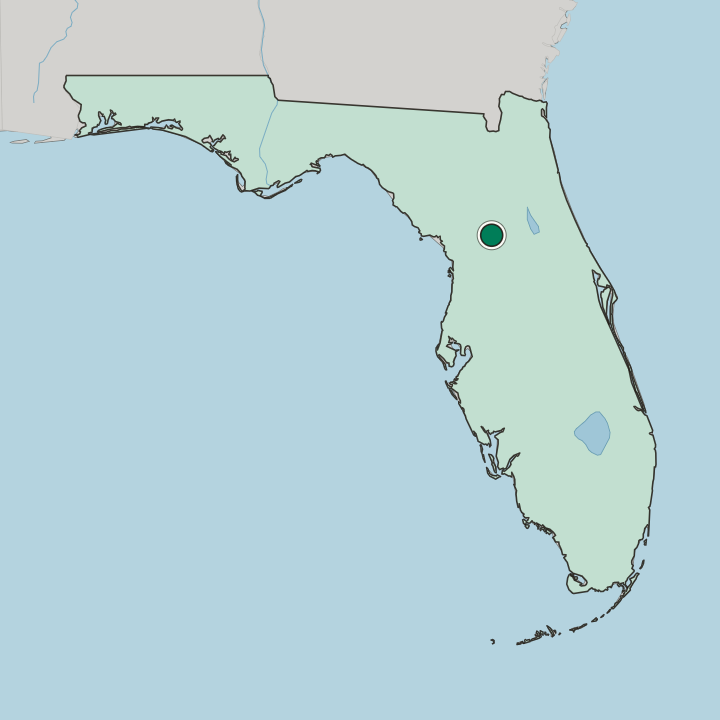
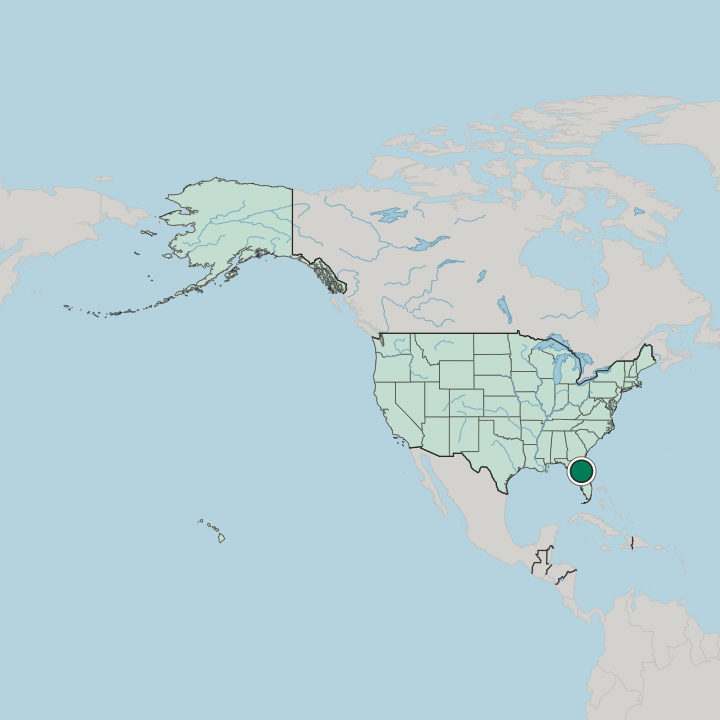
Ocala stands on rolling ground in North Central Florida, forty-six square miles of city set among the pastures of Marion County. Springs feed the rivers nearby. Lakes lie scattered through the surrounding country, and the ground between them rises and falls gently enough that the pastures run almost unbroken from the city edge out toward the water.
The Ocala metropolitan area covers the rest.
What is the climate of Ocala?
Summer here is long and wet, with heat building through the afternoon over the pastures of Marion County until a storm breaks it, and the humidity staying on well after the rain clears. Springs and rivers lie close by. Winter brings the dry half of the calendar, and those months are the easiest stretch of the year for the farms, the water and the walk through the historic streets of Ocala.
How do you get to Ocala?
Ocala Union Station marks how arrivals once reached the city. Road traffic carries them instead, running in from across Marion County and the wider Ocala metropolitan area, and a car is the practical assumption for anyone planning to see the horse farms, the springs or the rivers. Ocala's downtown is a small grid.
Once parked, the Ocala Historic Commercial District and the older streets around it can be covered on foot, with Fort King a short drive from them.
Common questions
What is the best area to stay in Ocala?
The Ocala Historic Commercial District: Walking the old storefronts and Ocala Union Station without a car. Around Fort King: Days split between Fort King and the older residential streets. The horse farms of Marion County: Pasture gates, thoroughbred farms and drives out to the springs.
Good for
More cities in Florida
Updated September 2026