United States · Florida
Where to Stay in Tampa, Florida
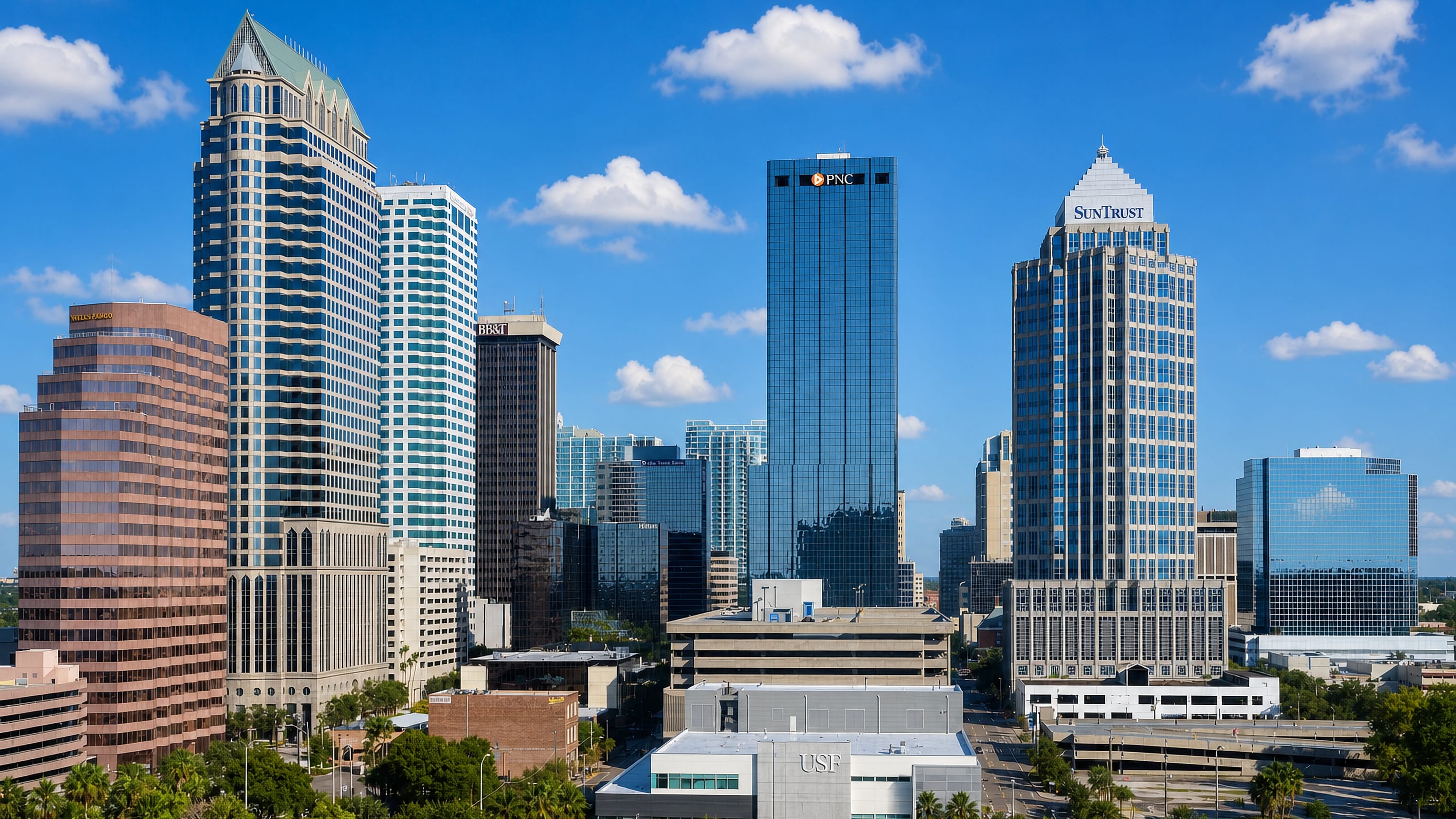
Water wraps Tampa on Tampa Bay, a port city in Florida known for the Florida Aquarium and the Henry B. Plant Museum.
Hotel links are affiliate links: booking through them may earn us a commission, at no extra cost to you. It never affects how places are ranked. How this works


Where to stay in Tampa
How the choice of base plays out on the ground.
Tampa lines the shore of Tampa Bay, and where you stay turns on what you came for. Near the harbour the museums gather in one stretch, from the Florida Aquarium and the Glazer Children's Museum to the Tampa Museum of Art and the Florida Museum of Photographic Arts. The Tampa Bay History Center stands close by.
Staying here puts you among the galleries and the waterfront, within walking reach of the port that works toward the Gulf of Mexico. It suits travellers who came for the museums of Tampa. The streets run flat and warm.
Away from the water, older ground keeps the grander houses of the city, among them the T. C. Taliaferro House and the George Guida, Sr. House. The Henry B. Plant Museum crowns this quarter in the shell of a former railway hotel.
This side suits those who prefer quiet streets and old brick to the harbour crowds. Choose the waterfront for the aquarium and the working port, or the older streets for the grand houses and the heritage of Tampa.
Find hotels in Tampa
Direct booking searches for these neighbourhoods.
The museum waterfront
The Florida Aquarium, the Glazer Children's Museum and the Tampa Museum of Art line the Tampa Bay shore beside the working port.Find hotels in The museum waterfrontGrand houses and the Plant hotelThe old heritage streets
The Henry B. Plant Museum crowns a quarter of older homes such as the T. C. Taliaferro House, set back from the harbour crowds.Find hotels in The old heritage streetsHotel links are affiliate links: booking through them may earn us a commission, at no extra cost to you. It never affects how places are ranked. How this works
Things to do in Tampa
Ranked by global recognition; descriptions from Wikidata (CC0).
Museums & Galleries
3- Henry B. Plant Museum Heritage
- Tampa Museum of Art
- Tampa Bay History Center
Churches & Religious Sites
2- St. James House of Prayer Episcopal Church Heritage
- St. Andrews Episcopal Church Heritage
Landmarks & Notable Places
8- House at 116 West Davis Boulevard Heritage
- T. C. Taliaferro House Heritage
- George Guida, Sr. House Heritage
- House at 220 Blanca Avenue Heritage
- House at 84 Adalia Avenue Heritage
Show 3 more →
- House at 301 Caspian Street Heritage
- House at 36 Columbia Drive Heritage
- House at 202 Blanca Avenue Heritage
worth knowingacross 3 categories in Tampa
About Tampa
What is Tampa known for?
Tampa is known for its waterfront museums and its port on Tampa Bay. The Florida Aquarium and the Glazer Children's Museum draw families to the water's edge, and the Tampa Museum of Art and the Florida Museum of Photographic Arts hold its galleries. The Henry B. Plant Museum keeps a grand old hotel.
Its port reaches toward the Gulf of Mexico. The Tampa Bay History Center records the city's past beside the harbour.
What are the main landmarks in Tampa?
Tampa's landmarks run from aquarium tanks to old brick. The Florida Aquarium and the Glazer Children's Museum stand along the water, and the Tampa Museum of Art and the Florida Museum of Photographic Arts hold its galleries. A former railway hotel survives as the Henry B. Plant Museum.
The Tampa Bay History Center records the city's past. Older homes such as the T. C. Taliaferro House mark the heritage streets.
What is the history of Tampa?
Tampa was founded in 1823 on the shore of Tampa Bay, in Florida. The settlement began as a garrison beside the harbour, and the deep water drew trade inland from the Gulf of Mexico in its earliest years. Ships tied it to the sea.
The port grew as the town grew, carrying goods across the bay and out toward the wider Gulf. A railway reached the harbour and changed the pace of the place, and Henry B. Plant raised a grand hotel beside the line that now houses the Henry B. Plant Museum. Trade followed the rails and the water.
Over the generations that followed, the waterfront filled with the buildings the city still keeps. Grand houses rose on the older ground, among them the T. C. Taliaferro House and the George Guida, Sr. House, and the harbour drew the museums that line it.
The Tampa Bay History Center records this long story beside the water. Tampa built its name on the deep harbour, the railway, and the long trade that the bay carried out toward the Gulf of Mexico. The story runs to the sea.
Where is Tampa?
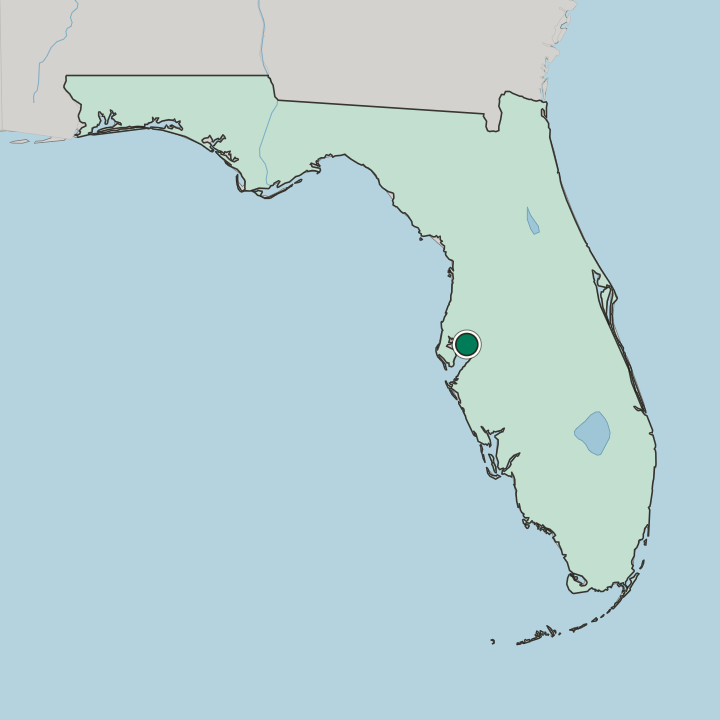
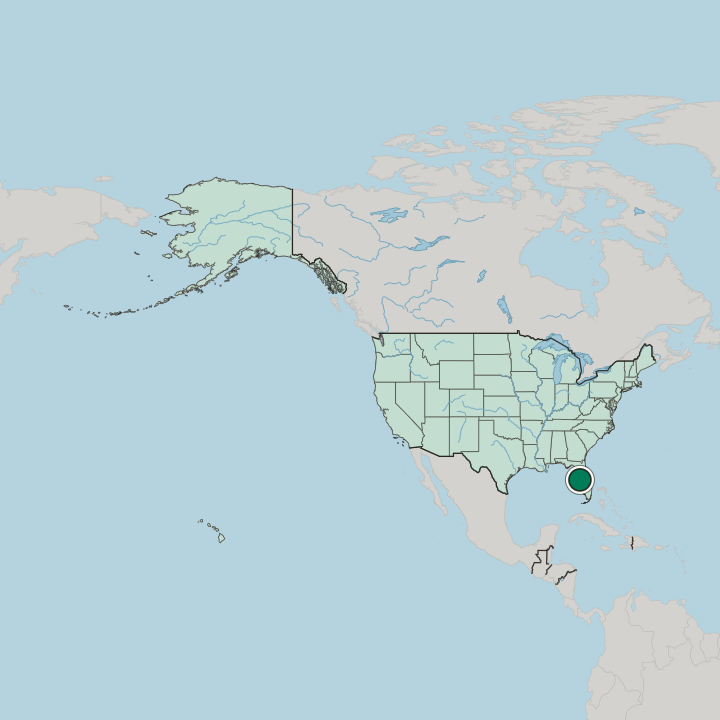
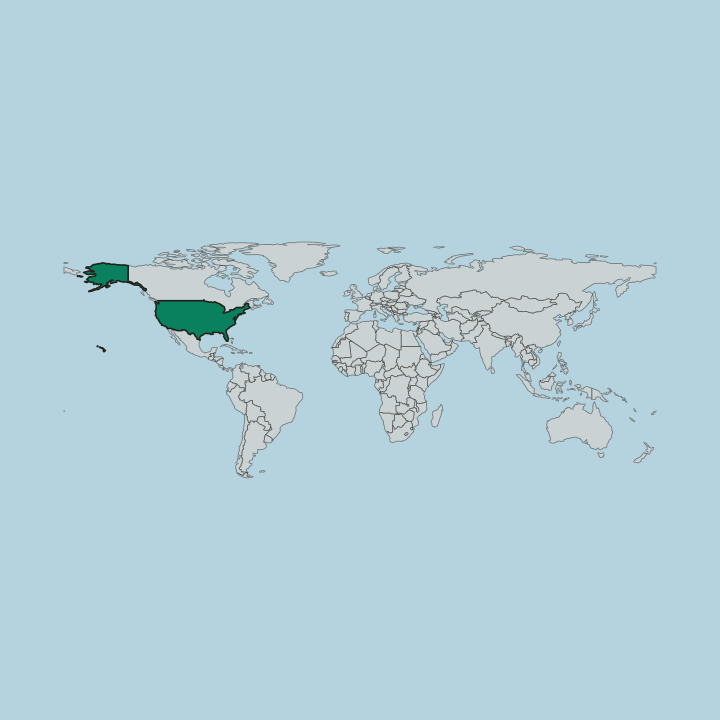
Tampa stands on Tampa Bay, on the coast of Florida, one of the states of the United States. Tampa Bay wraps around it. A broad harbour opens the city to the Gulf of Mexico, and the port works the flat channels toward the open sea beyond the bay.
The land runs low around Tampa, with no hills to break the reach toward the water.
What is the climate of Tampa?
Tampa has a humid, subtropical climate, shaped by the warm water of the Gulf of Mexico. Summers are long, hot, and heavy with damp air, and afternoon storms blow in off the bay through the warm months. Rain falls hard.
Winters stay mild along the shore of Tampa Bay, and the cold rarely holds for long near the Gulf of Mexico.
How do you get to Tampa?
Tampa is reached by road, by air, and by sea. Highways cross Florida and meet at the city, carrying traffic from across the United States, and ships reach the port through Tampa Bay. Airports lie at the edges of the city.
The harbour links Tampa to the Gulf of Mexico and the wider world. Roads bring most travellers in.
Common questions
What is the best area to stay in Tampa?
The museum waterfront: Aquarium visits and harbour-side galleries. The old heritage streets: Grand houses and the Plant hotel.
Good for
More cities in Florida
Updated September 2026