United States · Florida
Where to Stay in Miami, Florida
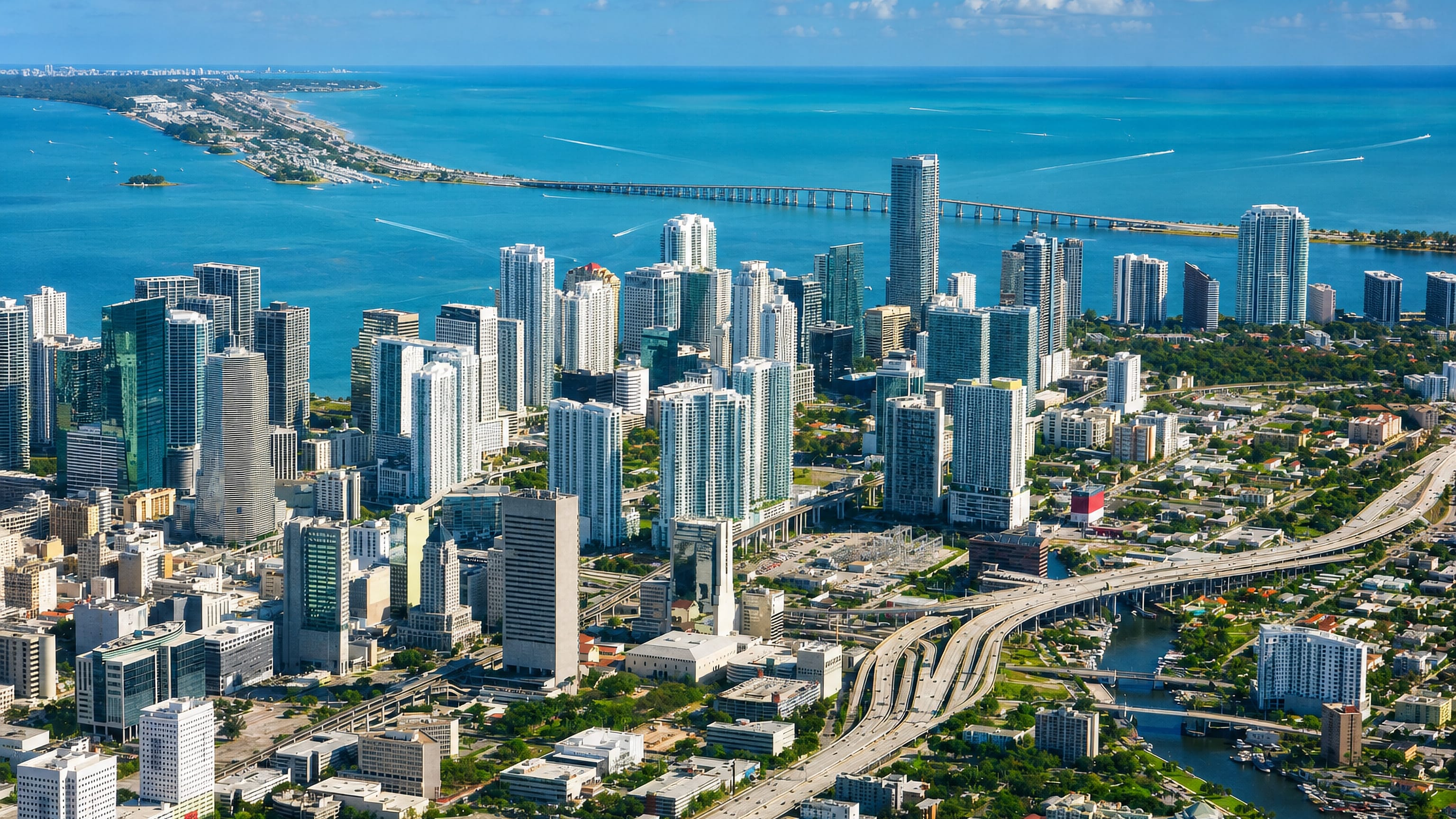
Wynwood Walls and a waterfront skyline mark Miami, a coastal city in southeast Florida and the seat of Miami-Dade County.
Hotel links are affiliate links: booking through them may earn us a commission, at no extra cost to you. It never affects how places are ranked. How this works


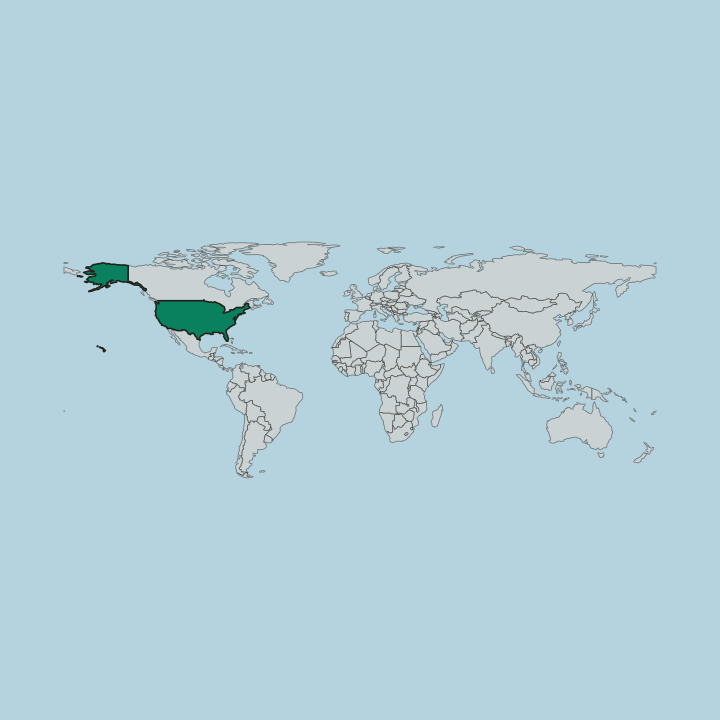
Where to stay in Miami
Each area has its own feel; here's who each one suits.
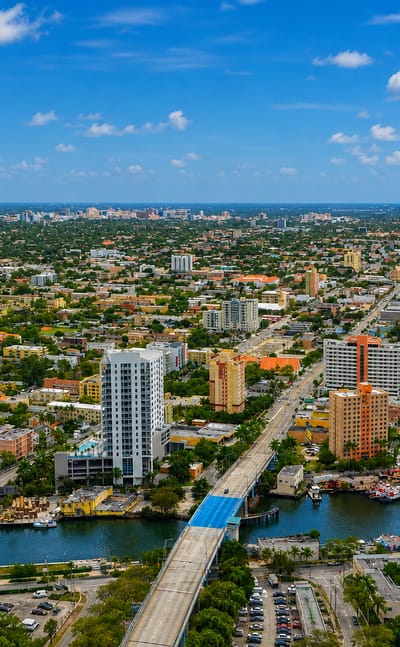
 MiamiUnited States
Little Havana
Little Havana is the Cuban-American heart of Miami, strung along Calle Ocho west of the downtown core.Little Havana → MiamiUnited States
Overtown
Overtown is a historically African-American neighborhood just north of downtown Miami, within Miami's Central District.Overtown → MiamiUnited States
Downtown Miami
Downtown Miami is the central district of Miami, where the Miami Circle, the Pérez Art Museum Miami, and Gesu Church stand.Downtown Miami → MiamiUnited States
Wynwood
Wynwood is Miami's art district, a former warehouse grid now painted end to end and hung with galleries.Wynwood →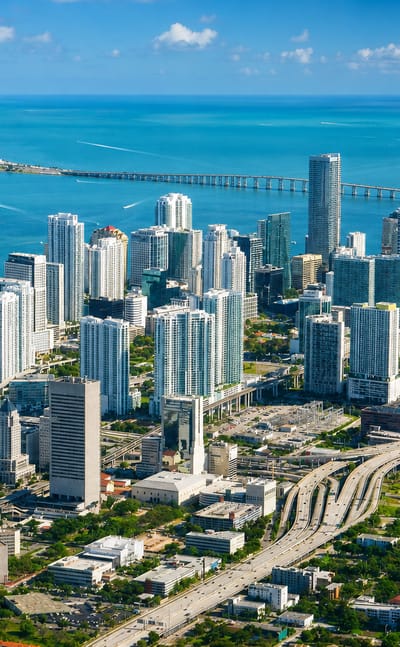 MiamiUnited States
Allapattah
Allapattah is a working Miami neighbourhood northwest of downtown, now anchored by the Rubell Museum and the Margulies Collection.Allapattah → MiamiUnited States
Brickell
Brickell is Miami's high-rise financial and residential quarter, wedged between the Miami River and Biscayne Bay.Brickell →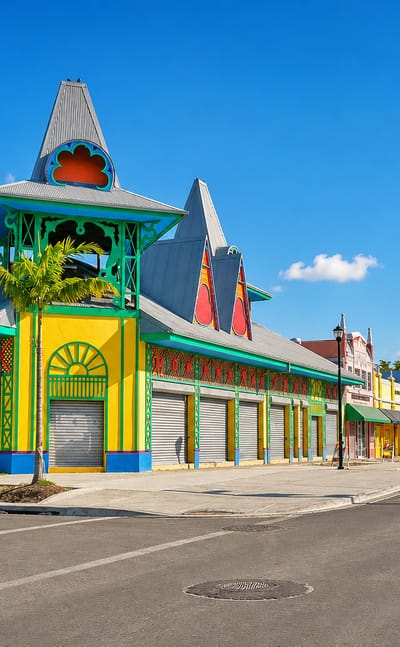 MiamiUnited States
Little Haiti
Little Haiti is the Haitian-Caribbean heart of Miami, built around the Haitian Heritage Museum and streets of Creole storefronts and murals.Little Haiti → MiamiUnited States
Venetian Islands
Venetian Islands is a chain of artificial islands in Biscayne Bay, linked to Miami and Miami Beach by the Venetian Causeway.Venetian Islands →MiamiUnited StatesLiberty City
Liberty City is a Black Miami neighbourhood northwest of Downtown Miami, built around the Liberty Square housing project.Liberty City →MiamiUnited StatesLiberty Square
Liberty Square is a residential neighbourhood in northwest Miami, part of the wider Liberty City area.Liberty Square → MiamiUnited States
Coconut Grove
Coconut Grove is Miami's oldest neighbourhood, a shaded bayside quarter of old estates and Bahamian streets.Coconut Grove →Hotel links are affiliate links: booking through them may earn us a commission, at no extra cost to you. It never affects how places are ranked. How this works
Things to do in Miami
Ranked by global recognition; descriptions from Wikidata (CC0).
Museums & Galleries
3- Vizcaya Museum and Gardens Heritage
- Pérez Art Museum Miami
- Rubell Museum
Churches & Religious Sites
5- Gesu Church Heritage
- Plymouth Congregational Church Heritage
- First Church of Christ, Scientist Heritage
- First Presbyterian Church Heritage
- Greater Bethel AME Church Heritage
Castles & Historic Sites
3- Miami Circle Heritage
- Statue of Christopher Columbus
- Dade County War Memorial
Stadiums & Sports
1- Miami Marine Stadium Heritage
Landmarks & Notable Places
6- Marjory Stoneman Douglas House Heritage
- El Jardin Heritage
- Trapp Homestead Heritage
- Dana A. Dorsey House Heritage
- J. W. Warner House Heritage
Show 1 more →
- Kentucky Home Heritage
worth knowingacross 5 categories in Miami
About Miami
What is Miami known for?
Miami is known as a coastal city of southeast Florida, the seat of Miami-Dade County and heart of Greater Miami. Its arts scene draws crowds to the Pérez Art Museum Miami and the murals of Wynwood Walls. Spanish is heard everywhere.
The Bay of Pigs Museum records the city's deep Cuban ties, while a warm subtropical setting on the coast defines its days. The waterfront runs long.
What are the main landmarks in Miami?
Miami's landmarks range from art museums to historic churches. The Pérez Art Museum Miami and the Rubell Museum anchor its contemporary art, while Wynwood Walls turns whole streets into open-air murals. Miami's story stretches from that 1825 frontier settlement to the exile city it became.
The Miami Circle marks an ancient site by the water, and Gesu Church stands among the oldest buildings downtown. The Bay of Pigs Museum and HistoryMiami keep the city's past, from Cuban exile to frontier days. These museums guard that story.
What is the history of Miami?
Miami rose on the southeast coast of Florida, founded in 1825. Long before the city, the Miami Circle marked a settlement by the water, cut into the bedrock in ancient times. The site still survives.
As the city grew, it became the seat of Miami-Dade County and the centre of the wider Greater Miami area. Early churches went up in the young town, among them Gesu Church, one of its oldest. The Statue of Christopher Columbus and the Dade County War Memorial stand among the city's monuments.
Miami expanded rapidly after its founding. The twentieth century remade Miami as new arrivals reshaped the city. Above all from Cuba, they changed its character, and Spanish became an everyday language across its neighbourhoods.
The Bay of Pigs Museum records that Cuban chapter. Older quarters keep their history too, in buildings like the Dana A. Dorsey House, the Greater Bethel AME Church, and the Ward Rooming House. HistoryMiami gathers the whole story downtown.
From the ancient Miami Circle to the modern skyline, the city has risen from a frontier settlement into the heart of South Florida, its past layered along the coast.
Where is Miami?
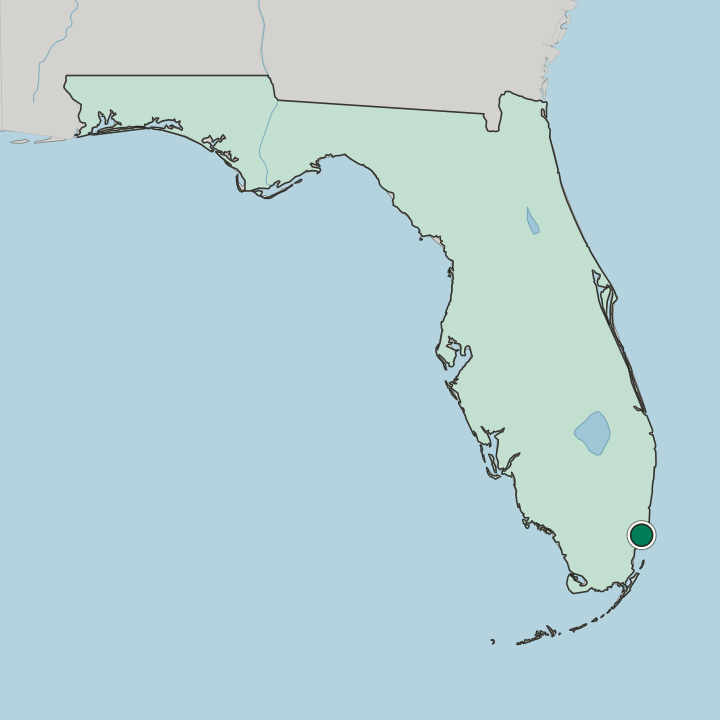
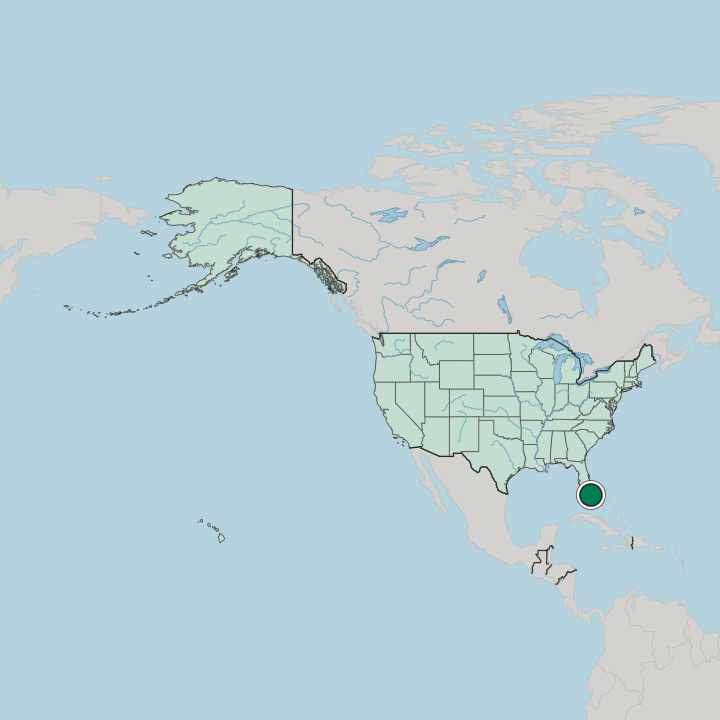
Miami sits on the southeast coast of Florida, the seat of Miami-Dade County. The city lies low and flat by the sea, close to the water's edge across South Florida. The coast defines it.
Warm subtropical waters wash its shoreline, and the land barely rises above the sea. Greater Miami spreads inland from the coast, a broad low plain reaching across the far southeast of the state toward the interior.
What is the climate of Miami?
Miami has a warm subtropical climate, hot and humid through the long summers. The sea keeps the coast mild in winter, and frost is unknown across South Florida and Miami-Dade County. Summers bring heavy rain.
Afternoon storms roll in off the water during the wet season, while winters stay dry and warm along the coast. The subtropical warmth holds through the year.
How do you get to Miami?
Most travellers reach Miami by air or sea. A major airport serves the city, and cruise ships dock at its seaport on the coast. Highways run in from across Florida.
Roads and rail link Miami with the rest of South Florida and Miami-Dade County, tying the coast to the interior. The sea and the sky bring the world here.
Good for
More cities in Florida
Updated October 2026