United States · Florida
Where to Stay in Pensacola, Florida
Pensacola is a historic beach city on the Florida panhandle, known for the Pensacola Museum of Art and Old Christ Church.
Hotel links are affiliate links: booking through them may earn us a commission, at no extra cost to you. It never affects how places are ranked. How this works


Where to stay in Pensacola
The practical side of choosing where to sleep.
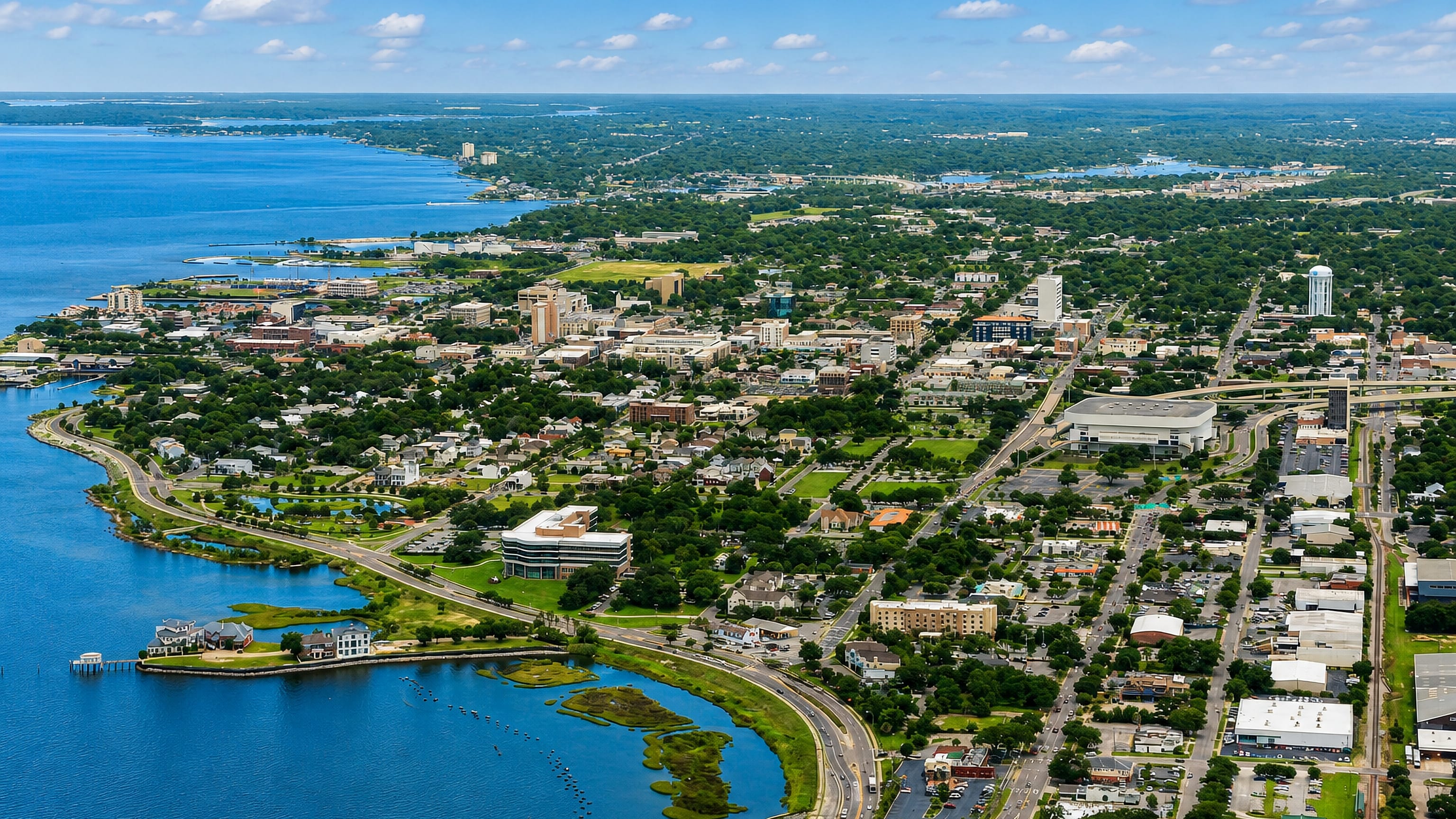
Pensacola divides between the historic downtown near the water and the older residential districts behind it, and where you stay on the Florida panhandle turns on whether the museums or the quieter streets draw you more. The downtown district, close to the waterfront in Escambia County, holds the Pensacola Museum of Art, the Pensacola Museum of History, and Old Christ Church within a short walk, with the Blue Wahoos Stadium down by the water. This is the base for travellers here for the museums and the shore.
The bay sits close by. Beyond the centre, the historic residential districts spread out with their nineteenth-century houses and churches. The Clara Barkley Dorr House, the Lavalle House, and the Charles William Jones House stand among the old streets, near the Basilica of St. Michael the Archangel and St. Joseph's Church Buildings.
Visitors who want a calmer, more settled setting, still within reach of the downtown museums and the Pensacola waterfront, base themselves out here. The two sides sit close together, so the choice is one of atmosphere rather than distance.
Find hotels in Pensacola
Direct booking searches for these neighbourhoods.
Historic downtown
Pensacola's downtown district sits close to the waterfront in Escambia County, holding the Pensacola Museum of Art, the Pensacola Museum of History, and Old Christ Church within a short walk.Find hotels in Historic downtownOld houses near the Clara Barkley Dorr HouseHistoric residential districts
Pensacola's historic residential districts hold nineteenth-century houses such as the Clara Barkley Dorr House and the Lavalle House near the Basilica of St. Michael the Archangel.Find hotels in Historic residential districtsHotel links are affiliate links: booking through them may earn us a commission, at no extra cost to you. It never affects how places are ranked. How this works
Things to do in Pensacola
Ranked by global recognition; descriptions from Wikidata (CC0).
Museums & Galleries
3- Pensacola Museum of History
- Pensacola Museum of Art
- Pensacola MESS Hall
Churches & Religious Sites
3- Old Christ Church (Pensacola, Florida) Heritage
- St. Joseph's Church Buildings Heritage
- First Christian Church Heritage
Stadiums & Sports
1- Blue Wahoos Stadium
Landmarks & Notable Places
7- Lavalle House Heritage
- Clara Barkley Dorr House Heritage
- Marzoni House Heritage
- Charles William Jones House Heritage
- James House Heritage
Show 2 more →
- King-Hooton House Heritage
- P.K. Yonge House Heritage
worth knowingacross 4 categories in Pensacola
About Pensacola
What is Pensacola known for?
Pensacola is known as a historic beach city on the western edge of the Florida panhandle, in Escambia County. Surrounded on three sides by water, it draws visitors to its shore, its old streets, and its museums, among them the Pensacola Museum of Art and the Pensacola Museum of History. The town wears its age well.
Old Christ Church and the Basilica of St. Michael the Archangel stand in the historic districts, and the Blue Wahoos Stadium brings crowds to the waterfront. The sea shapes it all.
What are the main landmarks in Pensacola?
Pensacola sets its landmarks through the historic districts and along the waterfront. The Pensacola Museum of Art and the Pensacola Museum of History hold the city's collections, while Old Christ Church and the Basilica of St. Michael the Archangel mark the old streets. Churches and houses fill the quarters.
St. Joseph's Church Buildings and the First Christian Church stand among them, alongside houses such as the Clara Barkley Dorr House, the Lavalle House, and the Charles William Jones House, while the Blue Wahoos Stadium and the Civil War Soldiers Museum draw crowds and history-seekers across the Florida panhandle.
What is the history of Pensacola?
Pensacola traces its origins to 1559, when a Spanish settlement was attempted on the sheltered bay of what is now the Florida panhandle, one of the earliest European footholds on the coast. The site was abandoned and later resettled, and over the centuries the town passed under Spanish, French, and British flags before it came into Escambia County as an American port. Flags changed often here.
Old Christ Church and the Basilica of St. Michael the Archangel rose in the historic districts as the settlement grew, carrying the long memory of the founding of 1559. The old town filled out with houses, churches, and museums that still stand. The Clara Barkley Dorr House, the Lavalle House, and the Charles William Jones House survive from the nineteenth-century city, and St. Joseph's Church Buildings and the First Christian Church mark its congregations.
War and the sea shaped the later story. The Civil War Soldiers Museum recalls the conflict that reached the coast, and the Pensacola Museum of History and the Pensacola Museum of Art gathered the record and the art of the town, so that the Spanish founding, the colonial port, and the modern waterfront all read together in the streets of Pensacola.
Where is Pensacola?
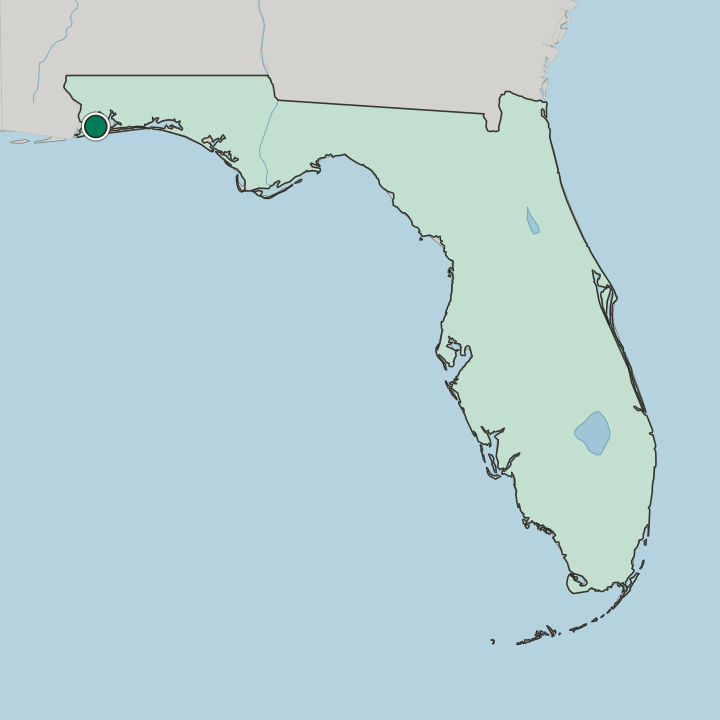
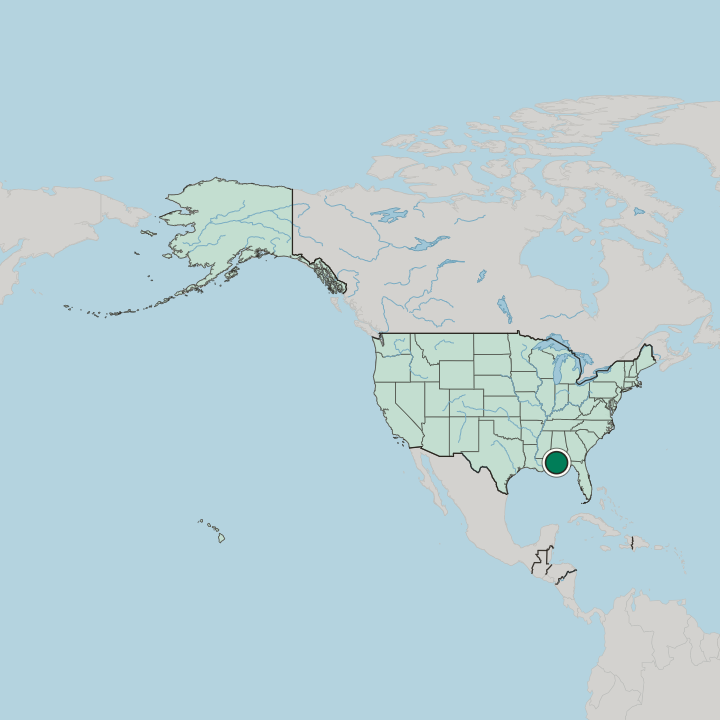
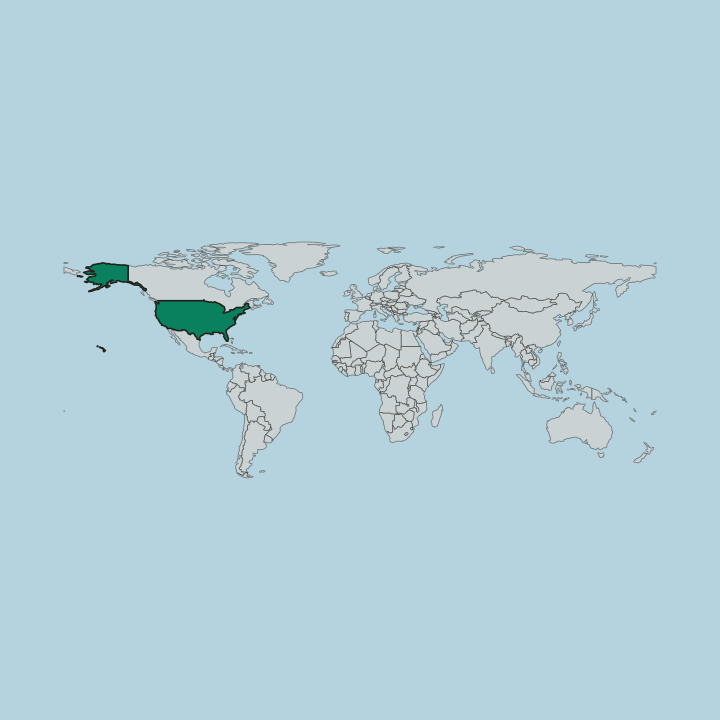
Pensacola lies at the western tip of the Florida panhandle, in Escambia County, surrounded on three sides by water. The city sits on low, sandy ground where the bay opens toward the Gulf, its waterfront cut by inlets and its shore edged with beaches of white sand. Water rings the town.
Within Florida, at the state's westernmost reach where the coast bends toward the neighbouring states, Pensacola spreads across the flat coastal land between the bay and the barrier shore that shelters it from the open sea.
What is the climate of Pensacola?
Pensacola has a warm, humid subtropical climate shaped by the waters of the Gulf. Long, hot, humid summers bring frequent afternoon thunderstorms and the risk of coastal storms, while the winters stay short and mild along the panhandle shore. The sea keeps it warm.
Rain falls heavily through the warmer months over the low coastal land of Florida, and the surrounding water keeps the air humid and the winters gentle across the beaches and streets of Pensacola.
How do you get to Pensacola?
Pensacola is reached by road and air at the western edge of the Florida panhandle. The interstate highway runs close to the city, carrying most arrivals across the coastal land into Escambia County from the neighbouring states. Its airport lies close by.
From the highway and the airfield, travellers reach the Pensacola waterfront within a short run, arriving at the same sheltered bay that drew settlers to the coast from the sixteenth century onward.
Common questions
What is the best area to stay in Pensacola?
Historic downtown: Waterfront museums around the Pensacola Museum of Art. Historic residential districts: Old houses near the Clara Barkley Dorr House.
Good for
More cities in Florida
Updated September 2026