United States · North Carolina
Where to Stay in Cary, North Carolina
Cary sits in the Research Triangle beside Raleigh, a North Carolina town where old houses and the Page-Walker Hotel survive among new ones.
Hotel links are affiliate links: booking through them may earn us a commission, at no extra cost to you. It never affects how places are ranked. How this works


Where to stay in Cary
How the choice of base plays out on the ground.
Two pulls decide a stay in Cary. The older centre around the Page-Walker Hotel gathers the town's early buildings, among them the Ivey-Ellington House, the Adams-Edwards House and the Nancy Jones House. It suits you if a walk past old brick and a quiet evening are the point.
Rooms are plainer here. Sport pulls the other way. The USA Baseball National Training Complex gives the town a national ball ground, Doak Field and the Method Road Soccer Stadium sit on the Raleigh side, and the State Fairgrounds Speedway runs a calendar of its own.
Triangle Badminton & Table Tennis adds an indoor option. This suits you if a game, a meet or a race is the reason for the trip. Raleigh is the third answer.
The state capital lies alongside, which widens the choice of rooms considerably and still leaves Cary, Morrisville Christian Church and the rest of the Research Triangle within an easy drive. Cary itself covers roughly 149 square kilometres, so the gap between the Williamson Page House at one end and the Wake County line at the other is worth checking before booking. All Saints Anglican Church and All Saints Antiochian Orthodox Church both stand inside that spread.
How far you are willing to drive decides it.
Find hotels in Cary
Direct booking searches for these neighbourhoods.
The Page-Walker centre
The Page-Walker Hotel, the Ivey-Ellington House and the Nancy Jones House stand in the oldest part of the town, which makes a short morning on foot.Find hotels in The Page-Walker centreTournament weekends at the USA Baseball National Training ComplexThe sports side
The USA Baseball National Training Complex, Doak Field and the Method Road Soccer Stadium set the calendar on this side of Cary.Find hotels in The sports sideA capital-city room with the Research Triangle in reachRaleigh next door
Raleigh lies alongside Cary, so a room in the state capital keeps Morrisville Christian Church and the wider Research Triangle within a short drive.Find hotels in Raleigh next doorHotel links are affiliate links: booking through them may earn us a commission, at no extra cost to you. It never affects how places are ranked. How this works
Things to do in Cary
Ranked by global recognition; descriptions from Wikidata (CC0).
Churches & Religious Sites
1- Morrisville Christian Church Heritage
Stadiums & Sports
3- USA Baseball National Training Complex
- State Fairgrounds Speedway
- J. W. Isenhour Tennis Center
Landmarks & Notable Places
4- Nancy Jones House Heritage
- Ivey-Ellington House Heritage
- Adams-Edwards House Heritage
- Williamson Page House Heritage
worth knowingacross 3 categories in Cary
About Cary
Sport and suburb, in equal measure.
What is Cary known for?
Cary counts as the seventh-most populous municipality in North Carolina, a town of the Research Triangle that spills across Wake, Chatham and Durham counties while keeping Raleigh as its larger neighbour. The USA Baseball National Training Complex draws players to the town, and the Page-Walker Hotel keeps its older face. A joke unpacks the name as Containment Area for Relocated Yankees.
What are the main landmarks in Cary?
Old houses lead the list. The Ivey-Ellington House, the Adams-Edwards House, the Nancy Jones House and the Williamson Page House carry family names from the older town, and the Page-Walker Hotel stands as the largest survivor among them. Churches follow: All Saints Anglican Church, All Saints Antiochian Orthodox Church and Morrisville Christian Church.
Sport takes the rest, from the USA Baseball National Training Complex and Doak Field to the State Fairgrounds Speedway and Triangle Badminton & Table Tennis.
What is the history of Cary?
Cary dates from 1750. That year puts its beginning well before anything called the Research Triangle. The houses hold the period: the Nancy Jones House, the Ivey-Ellington House, the Adams-Edwards House and the Williamson Page House all carry names from the older settlement, and the Page-Walker Hotel stands with them as the one building of any size to come through.
Little else of that century is on the record. Then Raleigh grew. Cary turned into a suburb of the state capital, one of the towns that filled the Research Triangle as the region drew arrivals from other states, and the name picked up a joking expansion, Containment Area for Relocated Yankees.
Wake County, Chatham and Durham all carry part of the result, since the town crossed its old boundaries as it spread. Growth reset the scale. The town ranks seventh among North Carolina's municipalities for size and stands 146th on the same list for the United States, which is a long way from a crossroads of the eighteenth century.
Congregations mark the same ground: All Saints Anglican Church, All Saints Antiochian Orthodox Church and Morrisville Christian Church. Sport followed, and the USA Baseball National Training Complex anchors that side of the town.
Where is Cary?
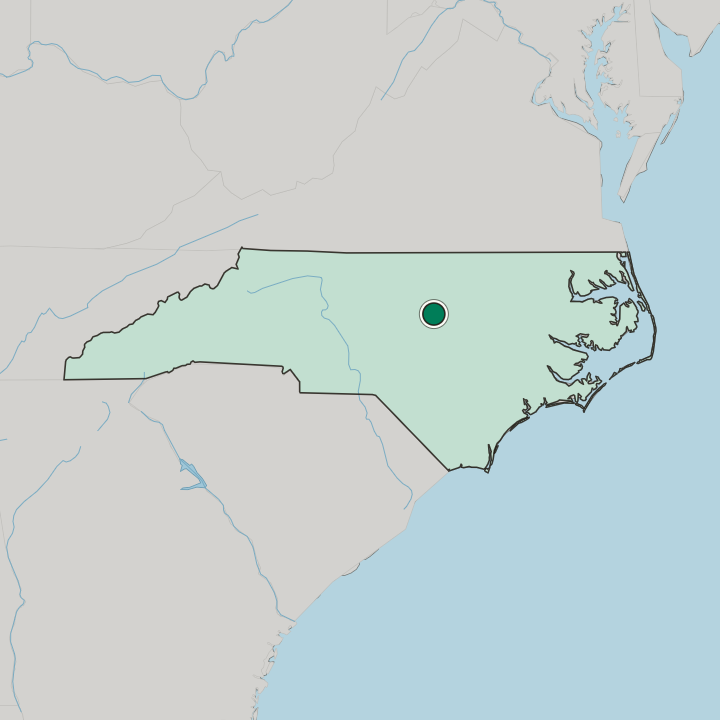
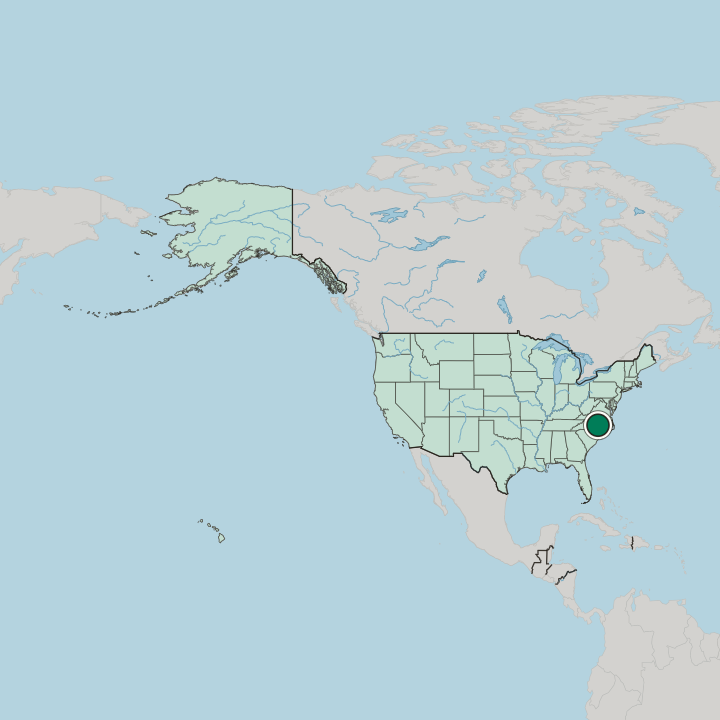
Three counties share it. Cary lies inside the Research Triangle of North Carolina, next to Raleigh, with its ground divided between Wake County, Chatham and Durham across roughly 149 square kilometres. The Page-Walker Hotel marks the older core, and Raleigh begins where the town's streets end.
Temperate band, northern hemisphere.
What is the climate of Cary?
The temperate band sets the year here. Cary runs through four seasons in the northern hemisphere, the same pattern that covers Raleigh and the rest of the Research Triangle, with warmth through the middle months and cold at either end. Wake County shares it exactly.
No local feature alters the pattern.
How do you get to Cary?
Most arrive by way of Raleigh. The state capital lies alongside, and the roads that serve the Research Triangle carry traffic between the two all day, which makes the drive the ordinary approach for anyone coming in. Wake County, Chatham and Durham all meet inside the town.
The Page-Walker Hotel is a useful marker once there.
Common questions
What is the best area to stay in Cary?
The Page-Walker centre: Old brick, from the Page-Walker Hotel to the Nancy Jones House. The sports side: Tournament weekends at the USA Baseball National Training Complex. Raleigh next door: A capital-city room with the Research Triangle in reach.
Good for
More cities in North Carolina
Updated October 2026