United States · North Carolina
Where to Stay in Durham, North Carolina
Durham is a city in the Piedmont of North Carolina, a former tobacco town now known for Duke University and the Durham Bulls.
Hotel links are affiliate links: booking through them may earn us a commission, at no extra cost to you. It never affects how places are ranked. How this works



Where to stay in Durham
The practical side of choosing where to sleep.
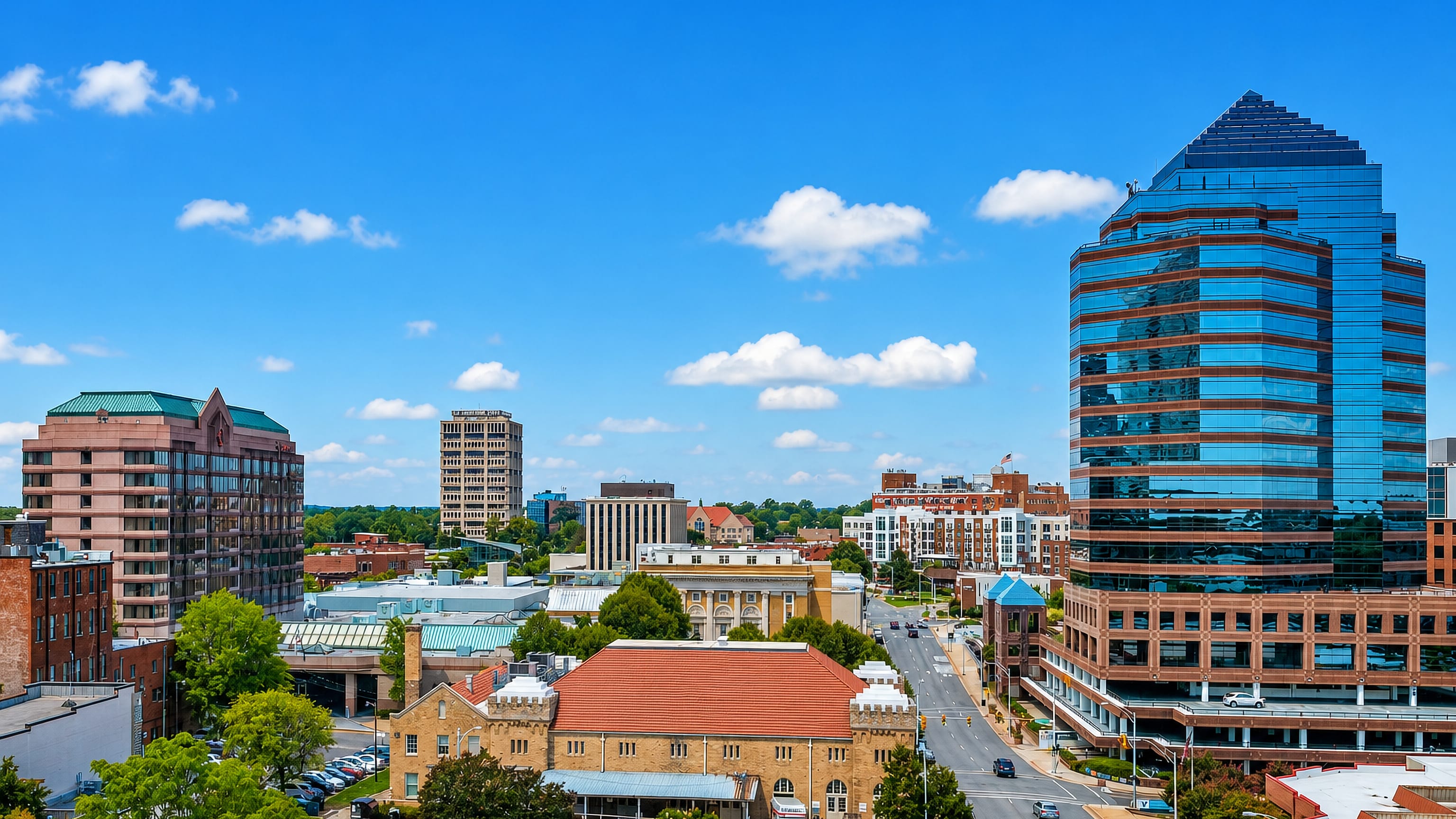
Where you stay in Durham splits between downtown and Duke. The revived downtown, set in the old tobacco warehouses, puts the restaurants, the ballpark, and the museums within reach, and it suits anyone here for the city's food and nightlife. The brick district hums after dark.
Rooms fill the converted warehouses and new towers. Out toward Duke University, the west side spreads into leafy, quiet streets. A room near the campus trades the downtown buzz for the gardens, the chapel, and the Nasher Museum of Art close at hand.
The neighbourhoods run green and calm. If you want the food and the ballpark, stay downtown; if you want the campus and the gardens, take a room by Duke. Either way, Durham is easy to cross by car.
Find hotels in Durham
Direct booking searches for these neighbourhoods.
Downtown
In the revived tobacco warehouse district near the Durham Bulls Athletic Park and the restaurantsFind hotels in DowntownStays wanting the campus, gardens, and quiet streetsAround Duke
Near Duke University and the Duke Chapel, within reach of the Nasher Museum of Art and the gardensFind hotels in Around DukeHotel links are affiliate links: booking through them may earn us a commission, at no extra cost to you. It never affects how places are ranked. How this works
Things to do in Durham
Ranked by global recognition; descriptions from Wikidata (CC0).
Museums & Galleries
2- Nasher Museum of Art
- Somerhill Gallery
Churches & Religious Sites
3- St. Joseph's African Methodist Episcopal Church Heritage
- Emmanuel AME Church Heritage
- Ephphatha Church Heritage
Stadiums & Sports
3- Durham Bulls Athletic Park
- The Ark
- Jack Katz Stadium
Landmarks & Notable Places
8- Mary Duke Biddle Estate Heritage
- Pauli Murray Family Home Heritage
- John Sprunt Hill House Heritage
- Greystone Heritage
- Powe House Heritage
Show 3 more →
- Crowell House Heritage
- Bartlett Mangum House Heritage
- Bassett House Heritage
worth knowingacross 4 categories in Durham
About Durham
Durham was built on tobacco and learning.
What is Durham known for?
The old brick warehouses of the tobacco trade still fill the downtown, while across the city the Gothic towers of Duke University rise around the great Duke Chapel. The Durham Bulls play ball at their downtown park. Smoke and study made the city.
What are the main landmarks in Durham?
Duke University is Durham's landmark. Its Gothic towers and the soaring Duke Chapel draw visitors from far away, the grandest sight in the city, and the Nasher Museum of Art holds fine collections on the campus edge. Ball games fill the downtown park.
The Durham Bulls play at their stadium, while the Museum of Life and Science delights families across town.
What is the history of Durham?
Durham grew up around a railway stop. When the line came through in the 1850s, a small depot on the tobacco land became a boomtown, and after the Civil War its Bull Durham brand made the place famous the world over. Tobacco built everything.
The warehouses and factories of the American Tobacco Company filled the downtown, drawing workers black and white, and the money raised a university when the Duke family endowed the great campus that took their name. Learning and medicine remade the city. Duke University rose in Gothic stone around the soaring Duke Chapel, its hospital growing into one of the South's greatest, and Durham won the name of the City of Medicine.
A proud Black community thrived on Parrish Street, once called the Black Wall Street. The Pauli Murray Family Home recalls a fighter for justice born here. The old tobacco warehouses now hold the shops and museums of a reborn downtown, from the Nasher Museum of Art to the Museum of Life and Science.
Where is Durham?
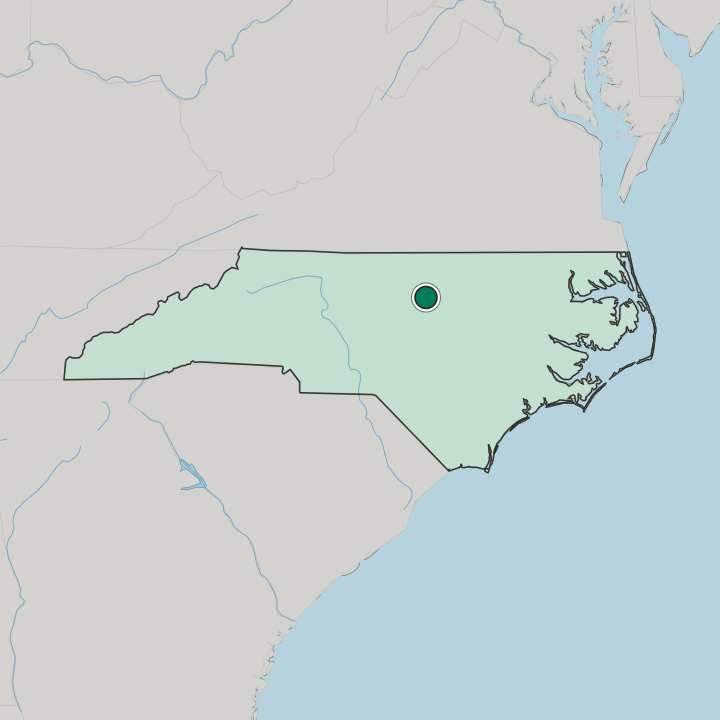
Durham rises on the rolling Piedmont. The city spreads over red-clay hills in the heart of North Carolina, between the coastal plain to the east and the Appalachian foothills to the west, on the old fall line of the rivers. Pine woods ring the suburbs.
The gentle hills carry the city outward.
What is the climate of Durham?
Durham enjoys a mild Southern climate. Hot, humid summers give way to cool, short winters, and rain falls through the year over the Piedmont, with snow rare on the red hills. Thunderstorms break the summer heat.
The seasons pass warm and green.
How do you get to Durham?
Durham sits in the Research Triangle. An international airport lies close by, shared with Raleigh, and the interstates cross nearby, linking the city across North Carolina and beyond. Buses and light trains serve the region.
Most arrive by car or by air into the Triangle.
Common questions
What is the best area to stay in Durham?
Downtown: Visitors here for the food, ballpark, and museums. Around Duke: Stays wanting the campus, gardens, and quiet streets.
Good for
More cities in North Carolina
Updated September 2026