United States · North Carolina
Where to Stay in Wilmington, North Carolina
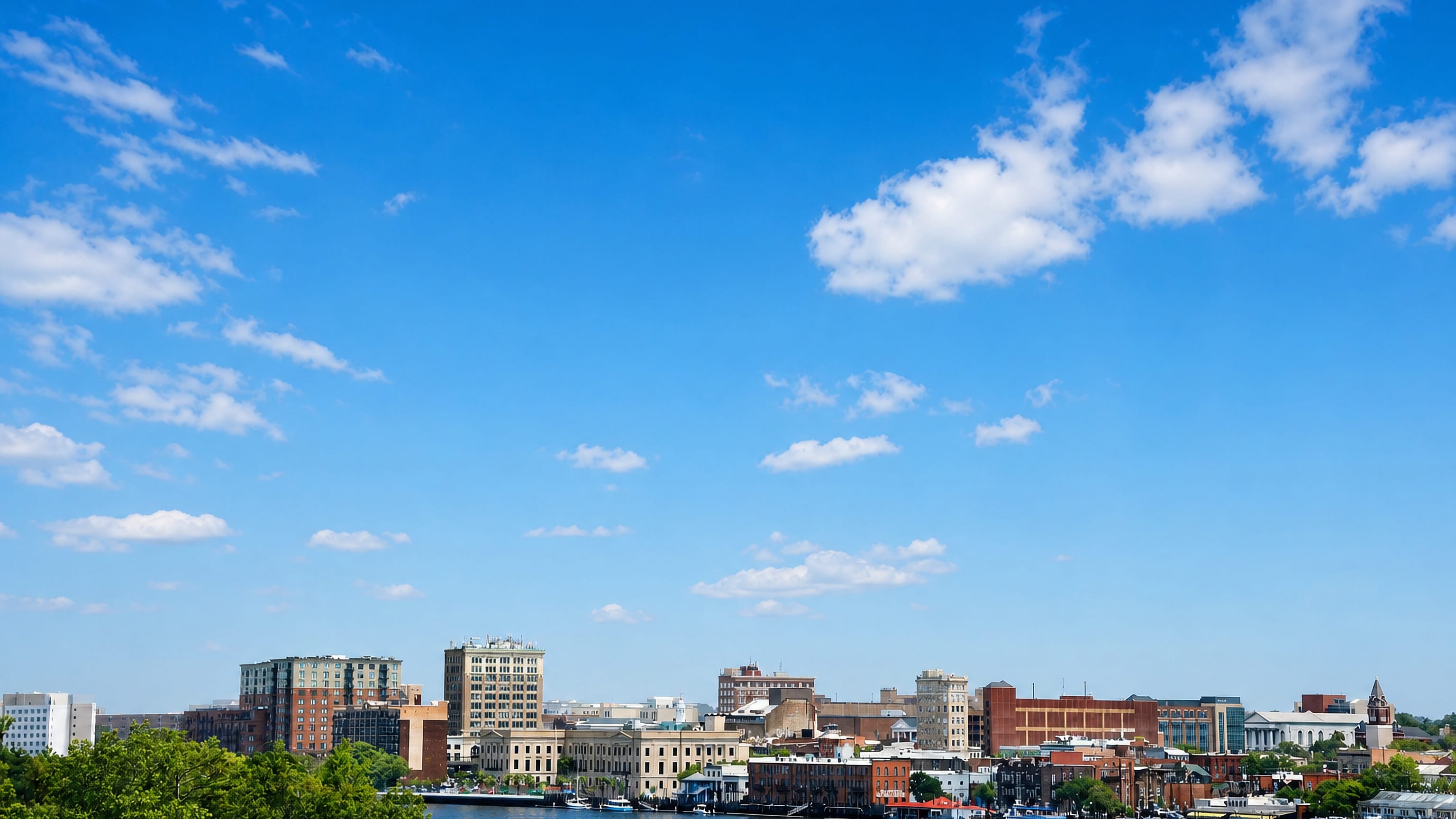
Riverboats line the Cape Fear waterfront at Wilmington, a port city in North Carolina, United States, known for its riverside historic district.
Hotel links are affiliate links: booking through them may earn us a commission, at no extra cost to you. It never affects how places are ranked. How this works


Where to stay in Wilmington
The practical side of choosing where to sleep.
Wilmington keeps its draws along the Cape Fear river, so the district you pick shapes a stay. The riverfront and downtown core hold the boardwalk, the Burgwin-Wright House and Gardens, and the walk to the old shipping streets. Stay here for the river.
It suits you if you want the waterfront, the Cape Fear Museum, and the historic centre rather than a quieter base out in the North Carolina suburbs. Toward the leafy south side, the ground around the Carolina Place Historic District and Legion Stadium leans toward quiet streets and game days. This stretch runs residential and calm.
The First Presbyterian Church and St. James Episcopal Church mark the older parishes within reach. Choose the historic-neighbourhood side if you want the Carolina Place Historic District, the ballfields at Legion Stadium, and the shaded blocks over the busier riverfront.
Find hotels in Wilmington
Direct booking searches for these neighbourhoods.
Riverfront and downtown
The boardwalk, the Burgwin-Wright House and Gardens, and the Cape Fear Museum gather along the old shipping streets of the waterfront.Find hotels in Riverfront and downtownThe Carolina Place Historic District and Legion StadiumHistoric-neighbourhood side
Quiet residential streets near the Carolina Place Historic District and Legion Stadium run past the First Presbyterian Church and St. James Episcopal Church.Find hotels in Historic-neighbourhood sideHotel links are affiliate links: booking through them may earn us a commission, at no extra cost to you. It never affects how places are ranked. How this works
Things to do in Wilmington
Ranked by global recognition; descriptions from Wikidata (CC0).
Museums & Galleries
1- Cape Fear Museum
Churches & Religious Sites
2- St. James Episcopal Church
- First Presbyterian Church
Stadiums & Sports
3- Buck Hardee Field at Legion Stadium
- Brooks Field
- Legion Stadium
Landmarks & Notable Places
1- Carolina Place Historic District Heritage
worth knowingacross 4 categories in Wilmington
About Wilmington
What is Wilmington known for?
Wilmington is known as a port city on the Cape Fear river in North Carolina. Its old riverfront draws visitors to the boardwalk and the historic streets. The port made it.
Shipping and the film studios that later moved here shaped the city's trade, and the Cape Fear Museum and the Burgwin-Wright House and Gardens keep the older story. The Carolina Place Historic District lines the leafy blocks nearby.
What are the main landmarks in Wilmington?
Wilmington gathers its landmarks along the Cape Fear waterfront and the historic streets. The Cape Fear Museum and the Burgwin-Wright House and Gardens hold the city's colonial and river history, while the Carolina Place Historic District lines the leafy residential blocks. Churches mark the old core.
The St. James Episcopal Church and First Presbyterian Church stand among the founding parishes, and Legion Stadium, Brooks Field, and the wider Legion Sports Complex carry the sporting life of North Carolina.
What is the history of Wilmington?
Wilmington grew as a colonial port on the Cape Fear river in North Carolina. The town rose where ocean-going ships could reach upriver, and trade in tar, timber, and cotton moved through its wharves as the settlement spread along the water. Shipping shaped it.
Merchants raised the Burgwin-Wright House and Gardens and the early parishes as the port prospered, tying the city's fortune to the river traffic below. Faith and civic life followed the trade. Congregations built the St. James Episcopal Church and the First Presbyterian Church, and grand streets filled the Carolina Place Historic District as the town grew.
The port kept its weight. The Cape Fear Museum now records the shipping, the storms, and the long river commerce that carried Wilmington from a colonial landing into a coastal city in the United States.
Where is Wilmington?
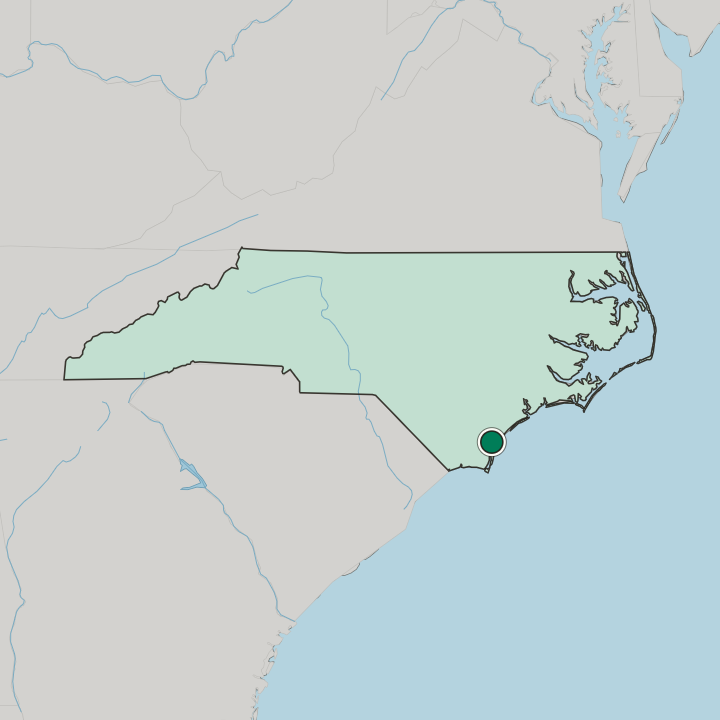
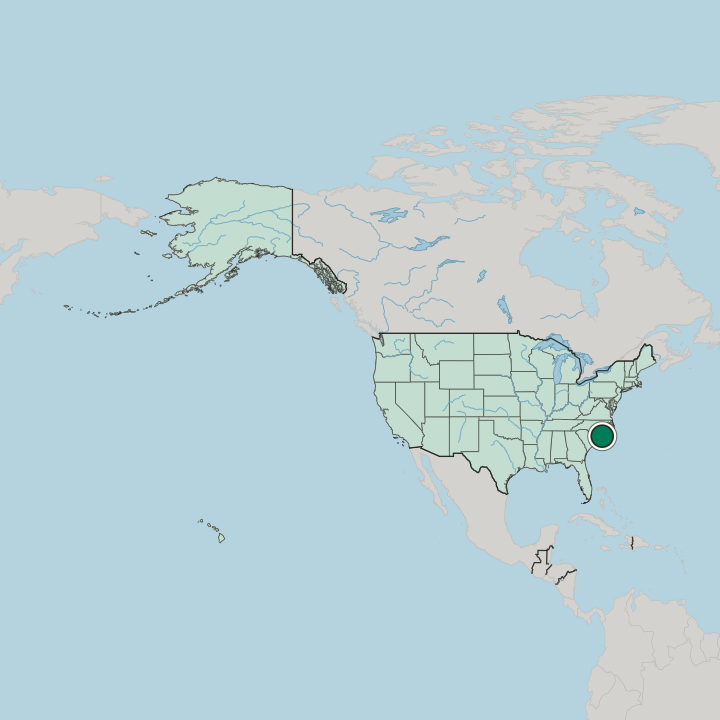
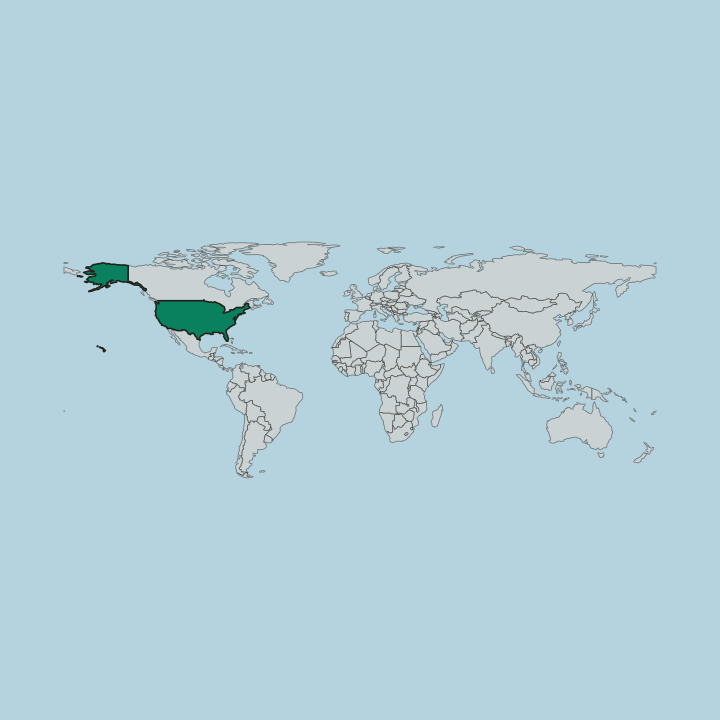
Wilmington sits in North Carolina, on the low coastal plain along the Cape Fear river near the ocean. The city holds a flat, sandy spread of ground between the river and the barrier beaches in the United States. Water shapes it.
Tidal creeks and marsh cut through the land, and the river runs wide past the downtown wharves toward the sea. Pine flatwoods edge the built city inland.
What is the climate of Wilmington?
Wilmington has a warm, humid subtropical climate on the coast of North Carolina. Heat arrives in force. Long muggy days and afternoon storms roll in off the Atlantic, and the Cape Fear river offers little relief as the humidity climbs.
Winters stay mild and short, with rare frost. Hurricanes can reach this stretch of the United States in late summer.
How do you get to Wilmington?
Wilmington connects by road and river to the rest of North Carolina. Highways run inland from the coast, linking the port to the wider United States. Bridges cross the water.
Spans over the Cape Fear river carry traffic between downtown and the beaches, and regional roads reach out to the surrounding coastal towns. The compact centre keeps the Cape Fear Museum and the riverfront within easy walking distance.
Common questions
What is the best area to stay in Wilmington?
Riverfront and downtown: The Cape Fear boardwalk and Burgwin-Wright House and Gardens. Historic-neighbourhood side: The Carolina Place Historic District and Legion Stadium.
Good for
More cities in North Carolina
Updated September 2026