United States · North Carolina
Where to Stay in Concord, North Carolina
Concord is the county seat of Cabarrus County, a mill town turned Charlotte suburb where two cotton mills and Hotel Concord still stand.
Hotel links are affiliate links: booking through them may earn us a commission, at no extra cost to you. It never affects how places are ranked. How this works


Where to stay in Concord
Where the beds are, and what that means for the visit.
Downtown is the obvious base. The Union Street North-Cabarrus Avenue Commercial Historic District gathers the old commercial blocks of the county seat, and Hotel Concord stands among them as the building that once put up visitors to Cabarrus County. It suits you if old brick and a walkable centre are what bring you.
Beyond those blocks, driving is unavoidable. Charlotte is close. Concord works as a bedroom community for the larger city, so a room in the Charlotte metropolitan area and a drive out to Cabarrus County is a workable arrangement for anyone splitting time between the two.
This suits you if Charlotte is the main destination and Concord the quieter half of the trip. The mills mark a third option. The Odell-Locke-Randolph Cotton Mill and the Coleman-Franklin-Cannon Mill sit on their own ground, with Barber-Scotia College and the Boger-Hartsell Farm among the other named sites spread across a city of some 160 square kilometres.
Concord ranks tenth among North Carolina's cities for size, so ordinary lodging is easy to find without going into the busiest part of the metropolitan area. Distance decides more than district here.
Find hotels in Concord
Direct booking searches for these neighbourhoods.
The Union Street blocks
Hotel Concord and the Union Street North-Cabarrus Avenue Commercial Historic District put the county seat's oldest storefronts on one walkable stretch.Find hotels in The Union Street blocksSplitting days between Charlotte and Cabarrus CountyThe Charlotte side
Concord serves as a bedroom community for Charlotte, so a room on that side of the metropolitan area keeps both the larger city and the county seat in reach.Find hotels in The Charlotte sideThe Odell-Locke-Randolph Cotton Mill and Barber-Scotia CollegeThe mill ground
The Odell-Locke-Randolph Cotton Mill, the Coleman-Franklin-Cannon Mill and Barber-Scotia College stand out along this side of Concord's 160 square kilometres. Beds are limited here, so book early.Find hotels in The mill groundHotel links are affiliate links: booking through them may earn us a commission, at no extra cost to you. It never affects how places are ranked. How this works
About Concord
Cotton built the older town.
What is Concord known for?
The Odell-Locke-Randolph Cotton Mill and the Coleman-Franklin-Cannon Mill both survive under their own names, and the commercial blocks of the Union Street North-Cabarrus Avenue Commercial Historic District keep the frontages of the same period. Concord is the county seat of Cabarrus County and the second-most populous city of the Charlotte metropolitan area. Barber-Scotia College adds another name.
What are the main landmarks in Concord?
Two mills head the list. The Odell-Locke-Randolph Cotton Mill and the Coleman-Franklin-Cannon Mill carry the industrial names, while the Union Street North-Cabarrus Avenue Commercial Historic District holds the shopfronts and Hotel Concord the older lodging. Barber-Scotia College stands apart from all of it.
The Boger-Hartsell Farm keeps the rural end of the record.
What is the history of Concord?
Concord dates from 1796. The town became the seat of Cabarrus County, and county business has been transacted here ever since, which is why the oldest surviving blocks in the centre are commercial rather than industrial. Fields came before mills.
The Boger-Hartsell Farm survives from that older countryside, one name among the many that worked the land around the county seat. Cotton changed the scale. The Odell-Locke-Randolph Cotton Mill and the Coleman-Franklin-Cannon Mill brought mill work to Concord, and the storefronts of the Union Street North-Cabarrus Avenue Commercial Historic District belong to the same stretch of the town's record.
Hotel Concord and Barber-Scotia College both carry names from that older order. Then Charlotte spread. Concord turned into a bedroom community for the larger city and grew into the second-most populous place in the Charlotte metropolitan area, tenth in North Carolina and 287th across the United States.
Cabarrus County still runs its courts and offices from the middle of the town, so the county seat function has outlasted both the farms and the mills that once set the pattern of work here. The Boger-Hartsell Farm, the two mills and the college mark three separate chapters inside one set of city limits.
Where is Concord?
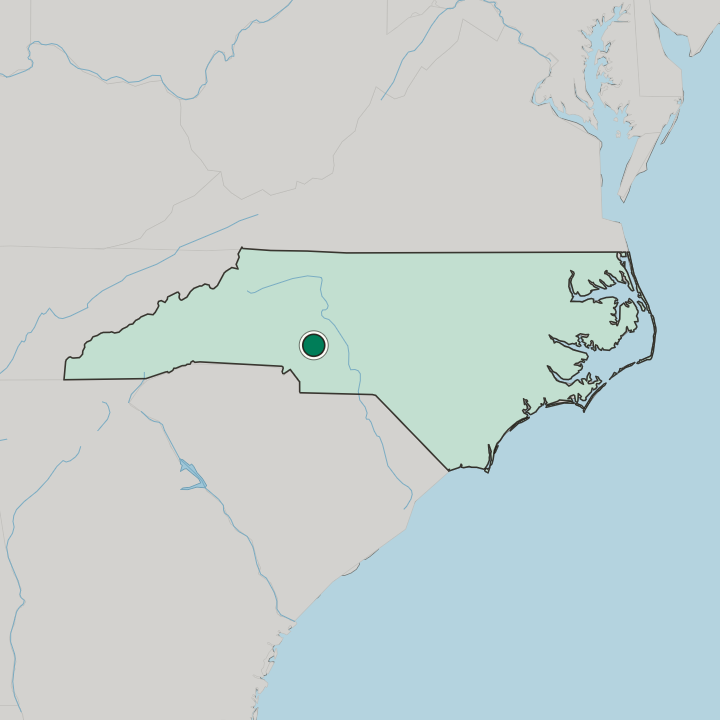
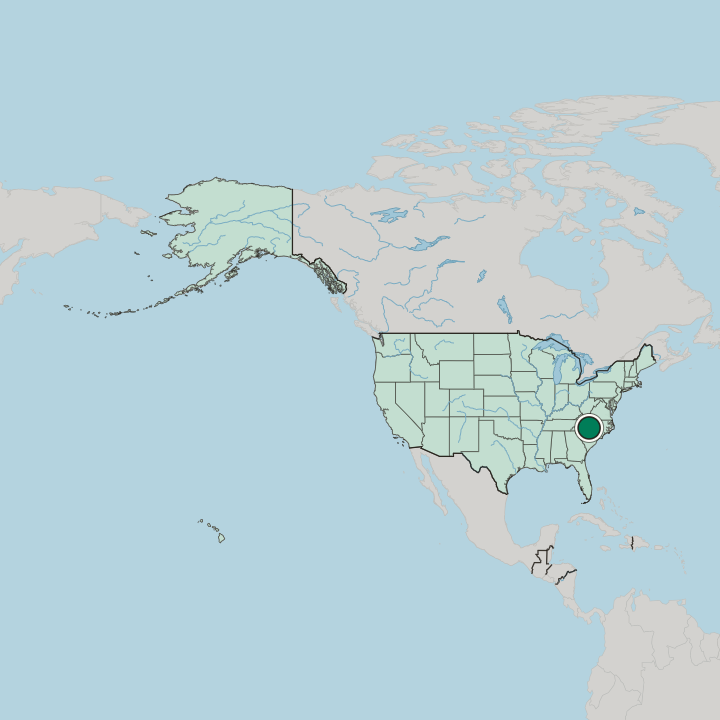
Cabarrus County holds it. Concord spreads across roughly 160 square kilometres of North Carolina, close enough to Charlotte to count inside that city's metropolitan area while keeping its own courts and county offices. Temperate ground, northern hemisphere.
Hotel Concord marks the centre.
What is the climate of Concord?
Four temperate seasons, nothing unusual. Concord shares the year of the Charlotte metropolitan area exactly, warm through the middle months and cold at either end, with the northern hemisphere pattern holding across Cabarrus County and the country around it. Charlotte reports the same weather.
How do you get to Concord?
Most arrive from Charlotte. The larger city sits close by, and the roads between the two carry the daily traffic of a bedroom community, which makes the drive the usual way into Cabarrus County. Union Street is the marker downtown.
Hotel Concord stands on the same old commercial ground.
Common questions
What is the best area to stay in Concord?
The Union Street blocks: Old commercial brick and a night at Hotel Concord. The Charlotte side: Splitting days between Charlotte and Cabarrus County. The mill ground: The Odell-Locke-Randolph Cotton Mill and Barber-Scotia College.
More cities in North Carolina
Updated September 2026