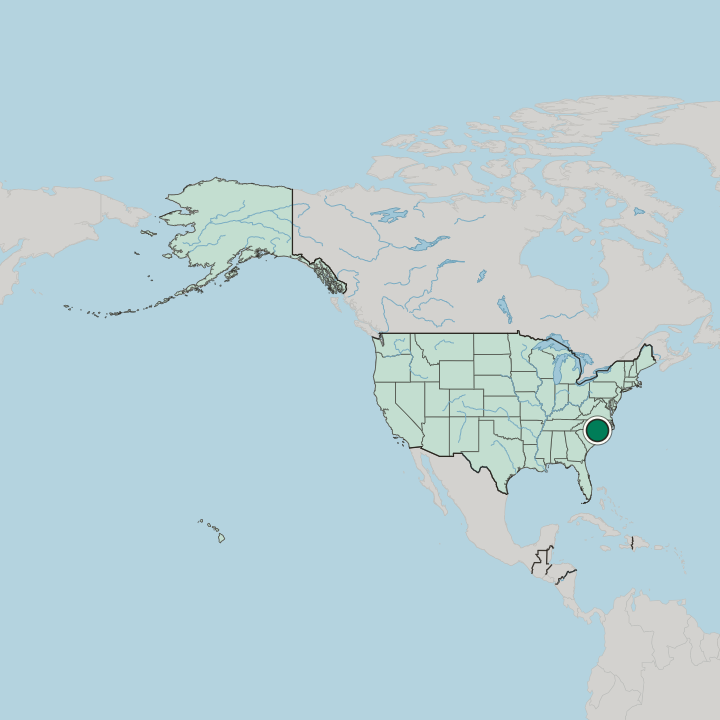
United States · North Carolina
Where to Stay in Fayetteville, North Carolina
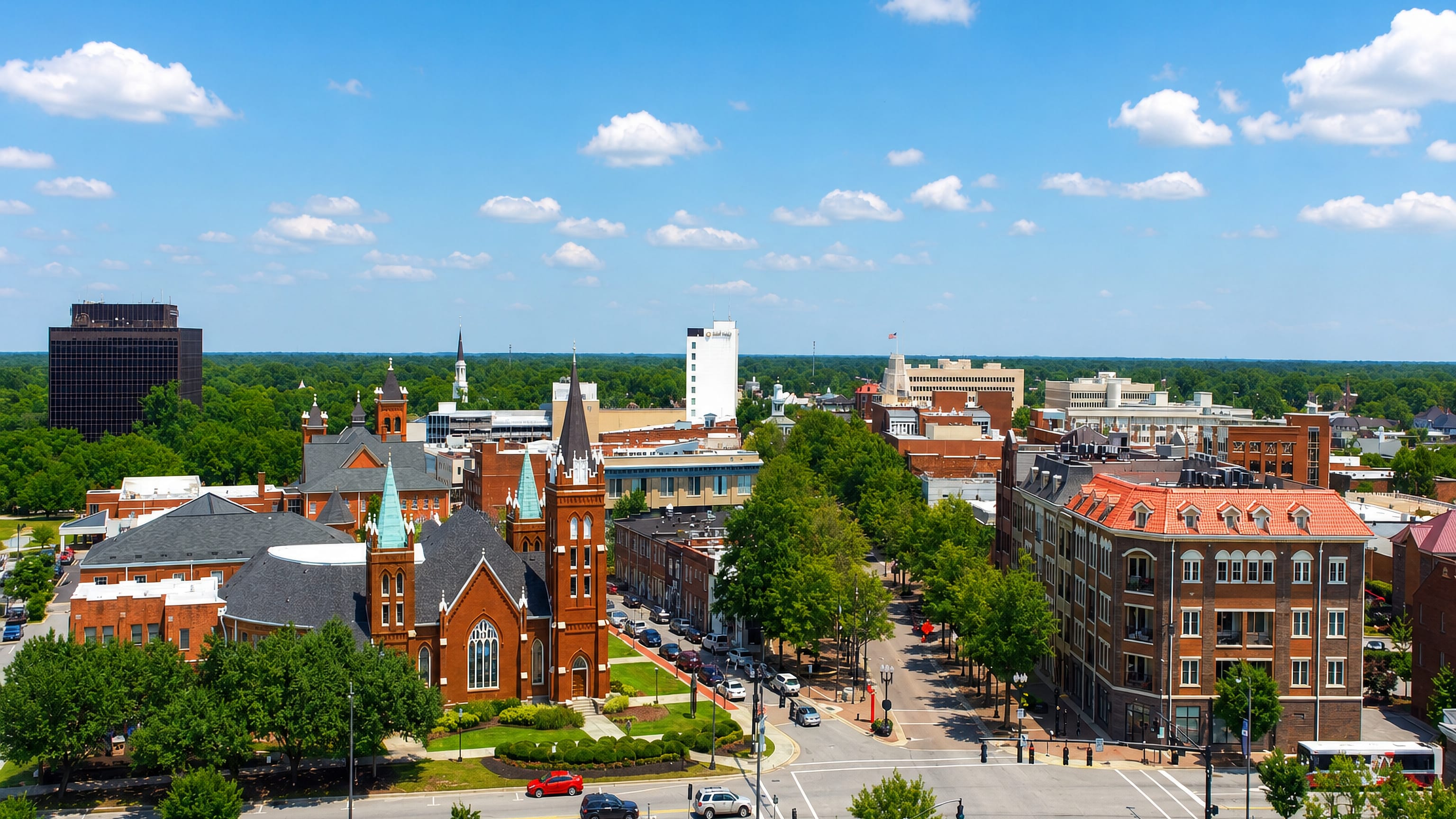
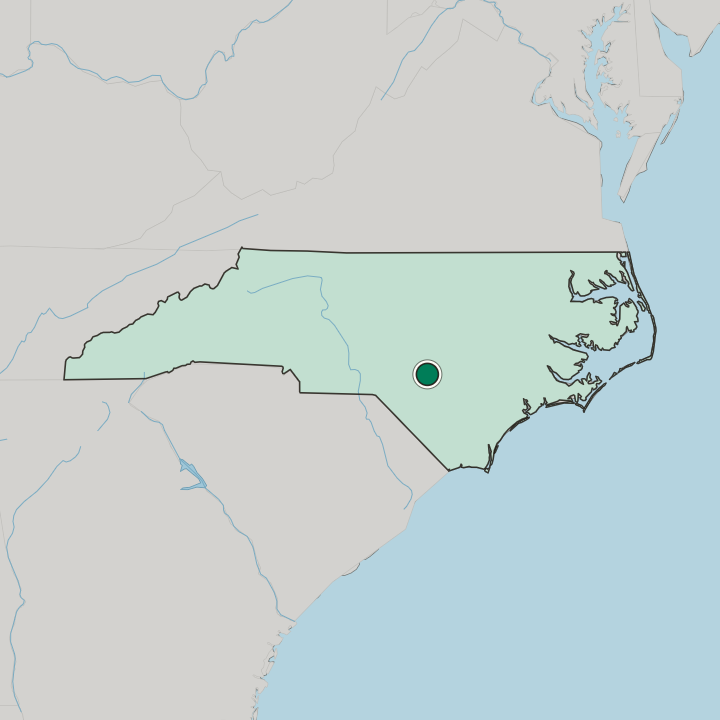
Fayetteville is the county seat of Cumberland County and the city beside Fort Bragg, on the western side of the North Carolina Coastal Plain.
Hotel links are affiliate links: booking through them may earn us a commission, at no extra cost to you. It never affects how places are ranked. How this works


Where to stay in Fayetteville
Where the beds are, and what that means for the visit.
Downtown carries the museums. The Airborne & Special Operations Museum and the Museum of the Cape Fear Historical Complex both sit on the older side of Fayetteville, close to the churches and houses that carry the oldest names in the city. It suits you if the museums and a walk between them are the reason for coming.
Rooms are ordinary here. Fort Bragg pulls the other way. The installation lies northwest of the city, so a room on that side shortens the morning run for anyone with business at the United States Army base, and the Airborne & Special Operations Museum still stays in reach.
This suits you if the visit is tied to the Army rather than to the older town. Scale matters in Fayetteville. The city covers nearly 390 square kilometres of Cumberland County, so the gap between St. Joseph's Episcopal Church at one end and the far edge of the built-up ground is a real drive rather than a walk.
Everything else follows the road. MacPherson Presbyterian Church, the McCall House and Evans Metropolitan AME Zion Church are scattered through that spread, which is worth checking on a map before a room is booked.
Find hotels in Fayetteville
Direct booking searches for these neighbourhoods.
The museum side
The Airborne & Special Operations Museum and the Museum of the Cape Fear Historical Complex stand on the older side of the city, near St. John's Episcopal Church.Find hotels in The museum sideBusiness at the base northwest of the cityThe Fort Bragg side
Fort Bragg lies northwest of Fayetteville, so a room on that side cuts the morning run to the largest military installation in the world.Find hotels in The Fort Bragg sideDrivers heading on across Cumberland CountyThe outer spread
MacPherson Presbyterian Church, the McCall House and Evans Metropolitan AME Zion Church lie out in the 390 square kilometres the city covers, where parking is easy and distances are long. Few places to stay nearby — book ahead.Find hotels in The outer spreadHotel links are affiliate links: booking through them may earn us a commission, at no extra cost to you. It never affects how places are ranked. How this works
Things to do in Fayetteville
Ranked by global recognition; descriptions from Wikidata (CC0).
Museums & Galleries
2- Airborne & Special Operations Museum
- Museum of the Cape Fear Historical Complex
Churches & Religious Sites
3- Evans Metropolitan AME Zion Church Heritage
- St. John's Episcopal Church Heritage
- St. Joseph's Episcopal Church Heritage
Landmarks & Notable Places
3- Fayetteville Ice and Manufacturing Company: Plant and Engineer's House Heritage
- John Davis House Heritage
- McCall House Heritage
worth knowingacross 3 categories in Fayetteville
About Fayetteville
What is Fayetteville known for?
The Army defines the city's reach. Fort Bragg lies northwest of Fayetteville and counts as the largest military installation in the world, which shapes everything from the Airborne & Special Operations Museum to the rhythm of a weekday morning. Older Fayetteville sits underneath, in the Museum of the Cape Fear Historical Complex, St. John's Episcopal Church and the John Davis House.
Cumberland County runs from here.
What are the main landmarks in Fayetteville?
Fayetteville's list opens with two museums. The Airborne & Special Operations Museum records the military side, while the Museum of the Cape Fear Historical Complex takes the longer view of Cumberland County and the North Carolina Coastal Plain around it. Churches make up much of the rest: St. John's Episcopal Church, St. Joseph's Episcopal Church, MacPherson Presbyterian Church and Evans Metropolitan AME Zion Church.
The John Davis House, the McCall House and the Fayetteville Ice and Manufacturing Company: Plant and Engineer's House complete the list.
What is the history of Fayetteville?
Fayetteville dates from 1762. The city grew as the seat of Cumberland County on the western side of the North Carolina Coastal Plain, and the oldest names on its map still belong to that period, among them St. John's Episcopal Church and the John Davis House. Trade and worship built it.
MacPherson Presbyterian Church, Evans Metropolitan AME Zion Church and St. Joseph's Episcopal Church mark congregations of different traditions inside one county seat, and the McCall House stands among the surviving domestic buildings. Industry left one name. The Fayetteville Ice and Manufacturing Company: Plant and Engineer's House survives as the works and the house that went with it, a pairing that says as much about the period as any museum case.
Then the Army arrived. Fort Bragg was established northwest of the city and grew into the largest military installation in the world, which reordered Fayetteville around it and gave the Airborne & Special Operations Museum its subject. The county seat function never moved.
Cumberland County still governs from here, and the city has spread across nearly 390 square kilometres of the Coastal Plain in the course of it. The Museum of the Cape Fear Historical Complex keeps that longer record together.
Where is Fayetteville?
Cumberland County, on the Coastal Plain. Fayetteville occupies the western part of the North Carolina Coastal Plain region and spreads over nearly 390 square kilometres, which puts a good deal of ground between one edge of the city and the other. Fort Bragg lies northwest.
Temperate country, northern hemisphere.
What is the climate of Fayetteville?
The Coastal Plain sets the weather. Fayetteville runs a temperate year in the northern hemisphere, warm through the middle months and cooler at either end, with the low country of the North Carolina Coastal Plain giving little to break the pattern. Cumberland County sees it alike.
How do you get to Fayetteville?
Most arrive by road. Fayetteville sits in the western part of the North Carolina Coastal Plain, and the roads that serve Cumberland County also serve Fort Bragg northwest of the city, which puts most traffic onto the same few approaches. The Airborne & Special Operations Museum makes an obvious first stop once there.
Distances inside the city are long.
Common questions
What is the best area to stay in Fayetteville?
The museum side: Walking days between the two Fayetteville museums. The Fort Bragg side: Business at the base northwest of the city. The outer spread: Drivers heading on across Cumberland County.
Good for
More cities in North Carolina
Updated September 2026