United States
North Carolina, United States — Towns & Travel Guide
North Carolina is a state of the United States on the Atlantic Ocean, part of the Carolinas, with Raleigh as its capital and Charlotte to the west.
Hotel links are affiliate links: booking through them may earn us a commission, at no extra cost to you. It never affects how places are ranked. How this works


Towns & cities in North Carolina
Pick a town or city — each links to where to stay.
 United States
Charlotte
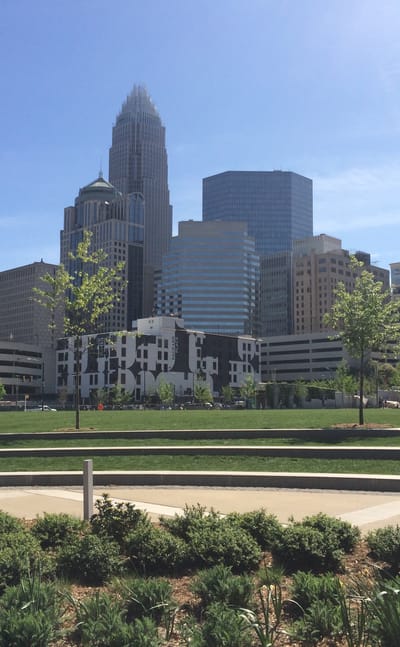
The Mint Museum anchors the arts of Charlotte, a city in North Carolina known for its galleries and the crowds at Truist Field.Where to stay →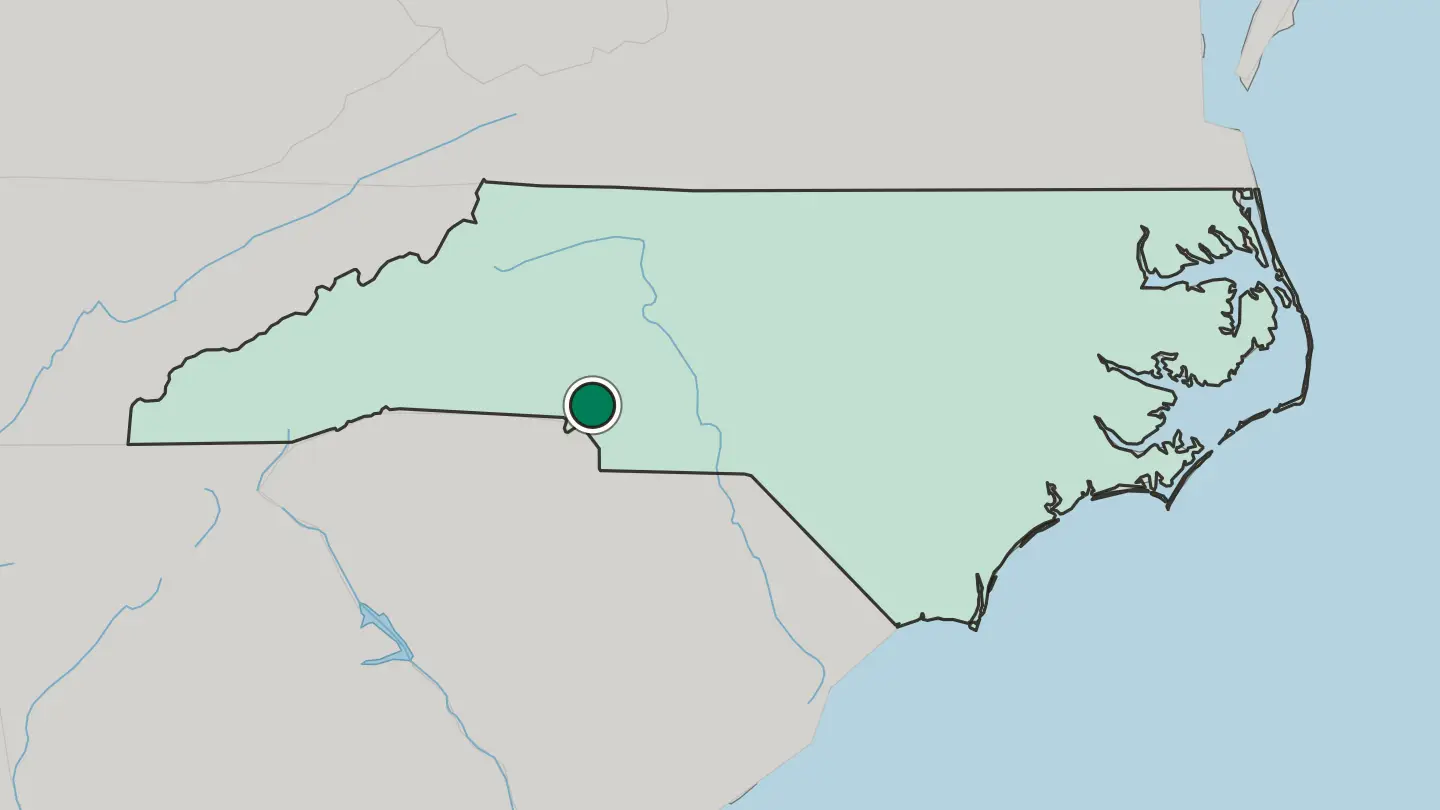
 United States
Raleigh
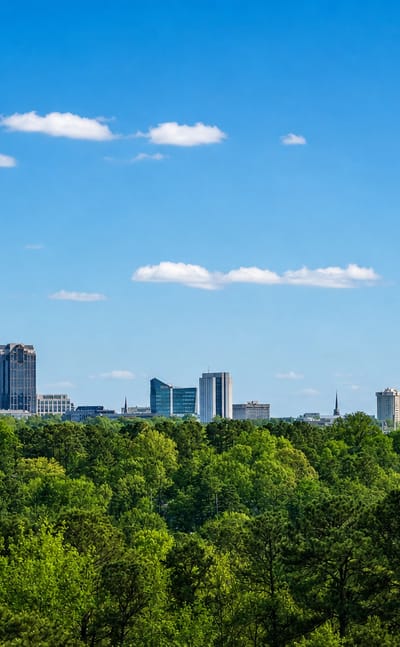
Oak-lined streets give Raleigh its nickname, the City of Oaks, the capital of North Carolina founded in 1770 and named for Sir Walter Raleigh.Where to stay →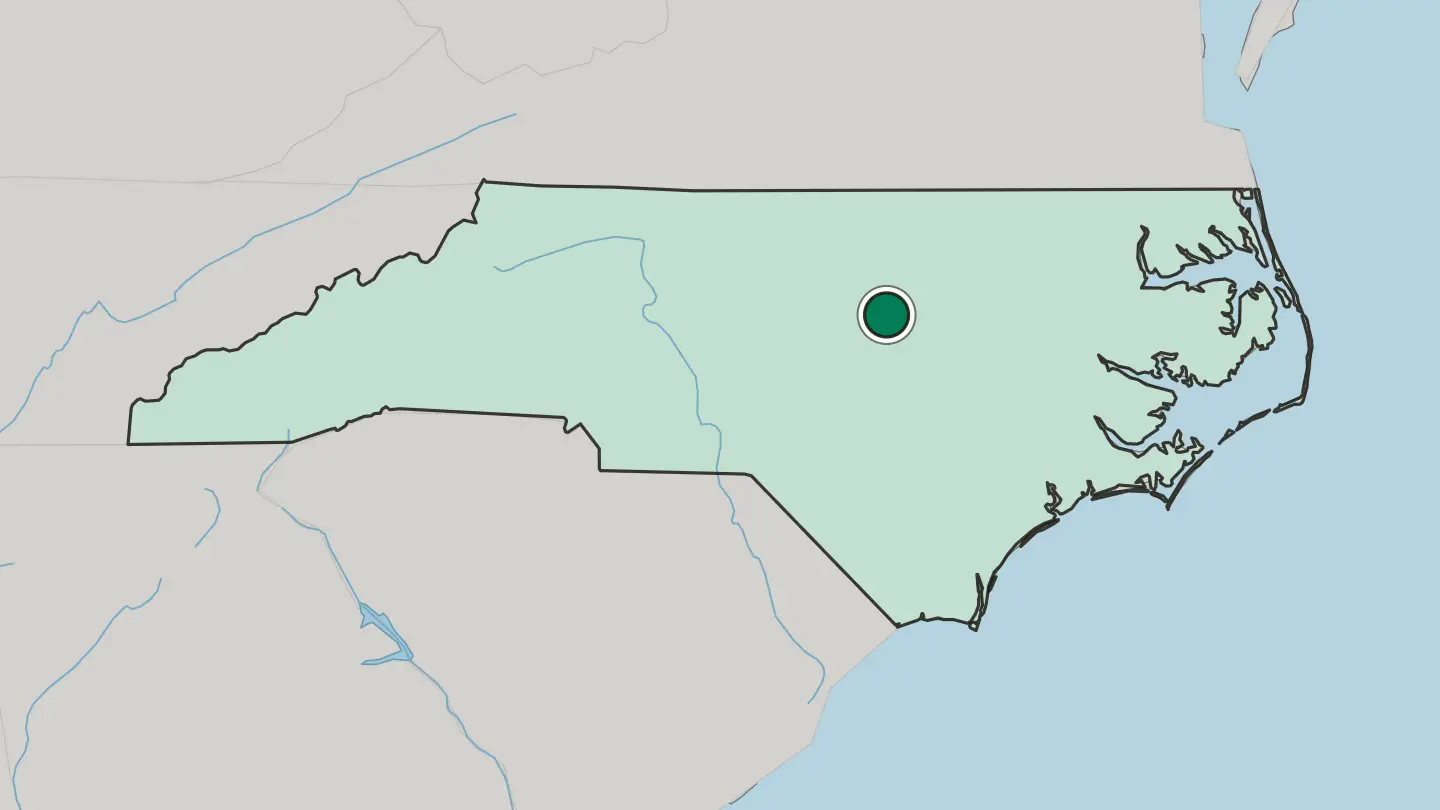
 United States
Greensboro
Greensboro is a Piedmont city in North Carolina, founded in 1808, known for the sit-in history kept at its International Civil Rights Center and Museum.Where to stay →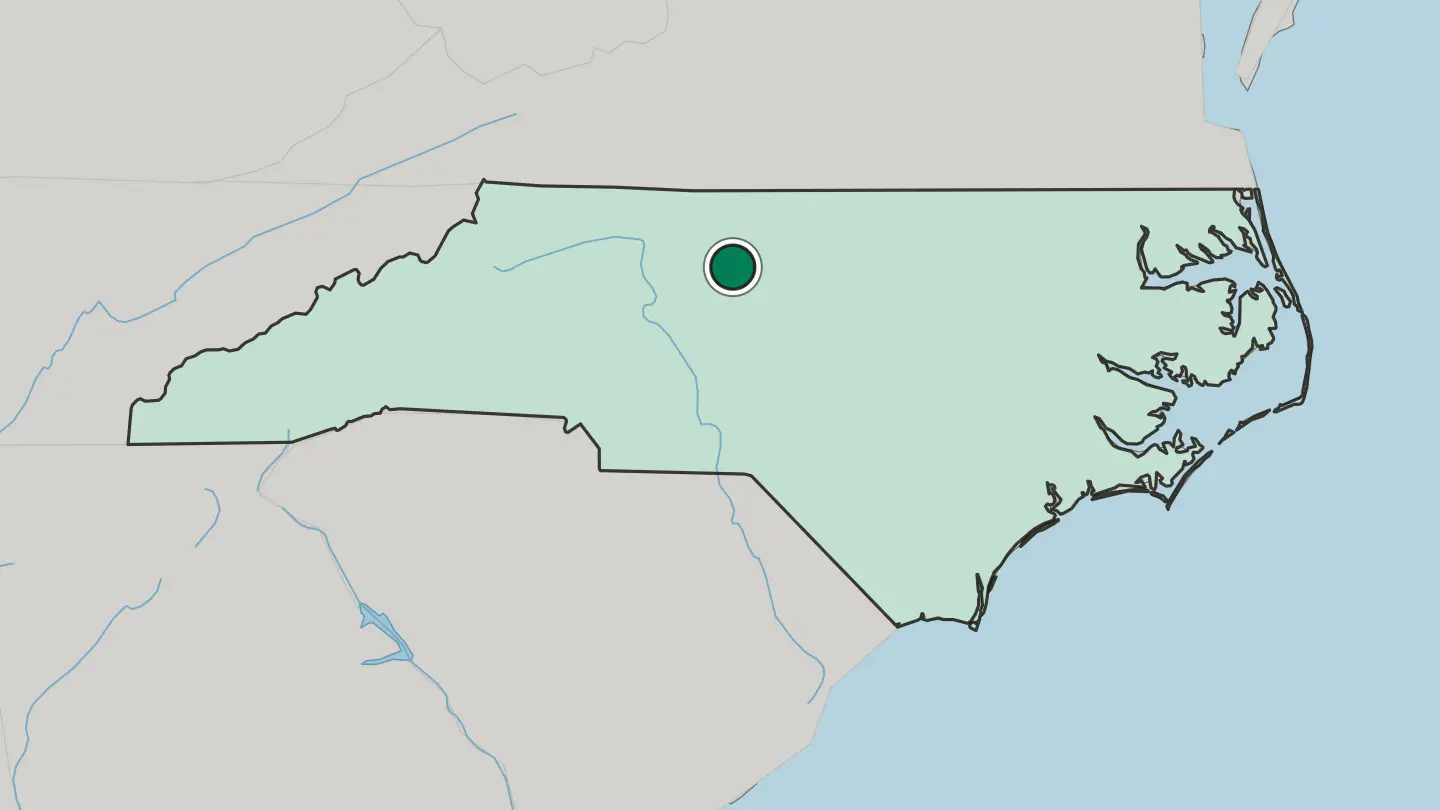
 United States
Durham
Durham is a city in the Piedmont of North Carolina, a former tobacco town now known for Duke University and the Durham Bulls.Where to stay →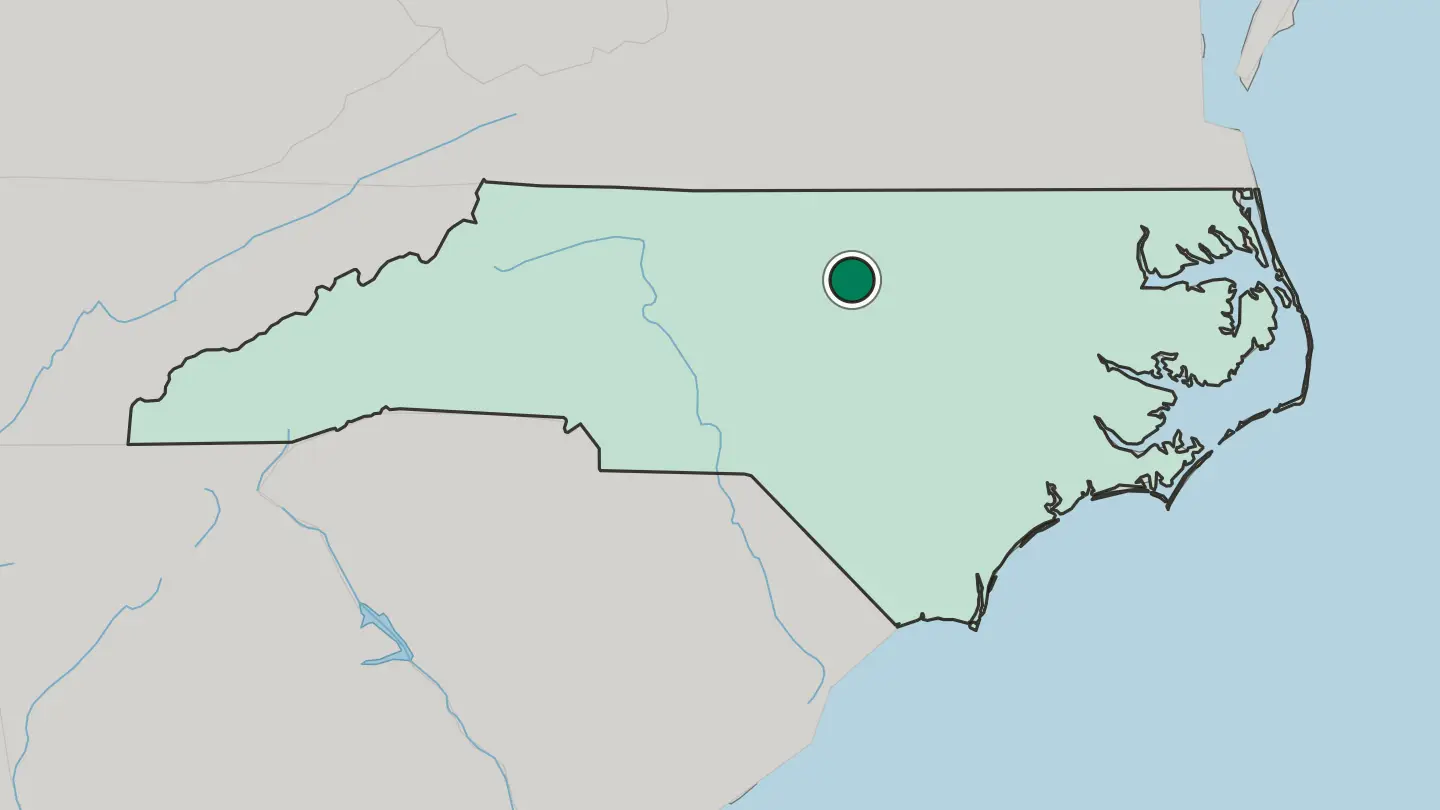
 United States
Winston-Salem
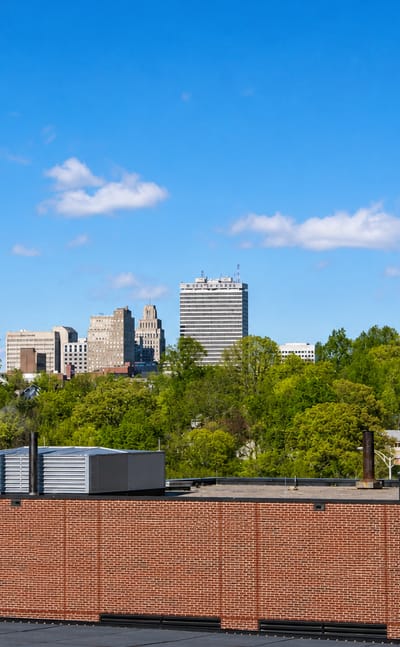
Brick lanes and Moravian workshops fill Old Salem at Winston-Salem, the seat of Forsyth County in the Piedmont Triad of North Carolina.Where to stay →
 United States
Fayetteville
Fayetteville is the county seat of Cumberland County and the city beside Fort Bragg, on the western side of the North Carolina Coastal Plain.Where to stay →
 United States
Cary
Cary sits in the Research Triangle beside Raleigh, a North Carolina town where old houses and the Page-Walker Hotel survive among new ones.Where to stay →
 United States
Wilmington
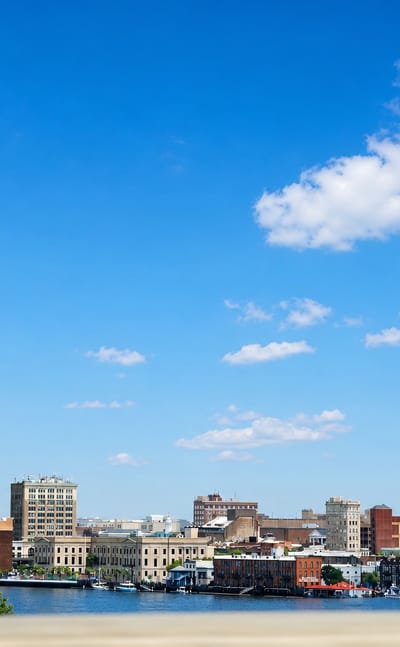
Riverboats line the Cape Fear waterfront at Wilmington, a port city in North Carolina, United States, known for its riverside historic district.Where to stay →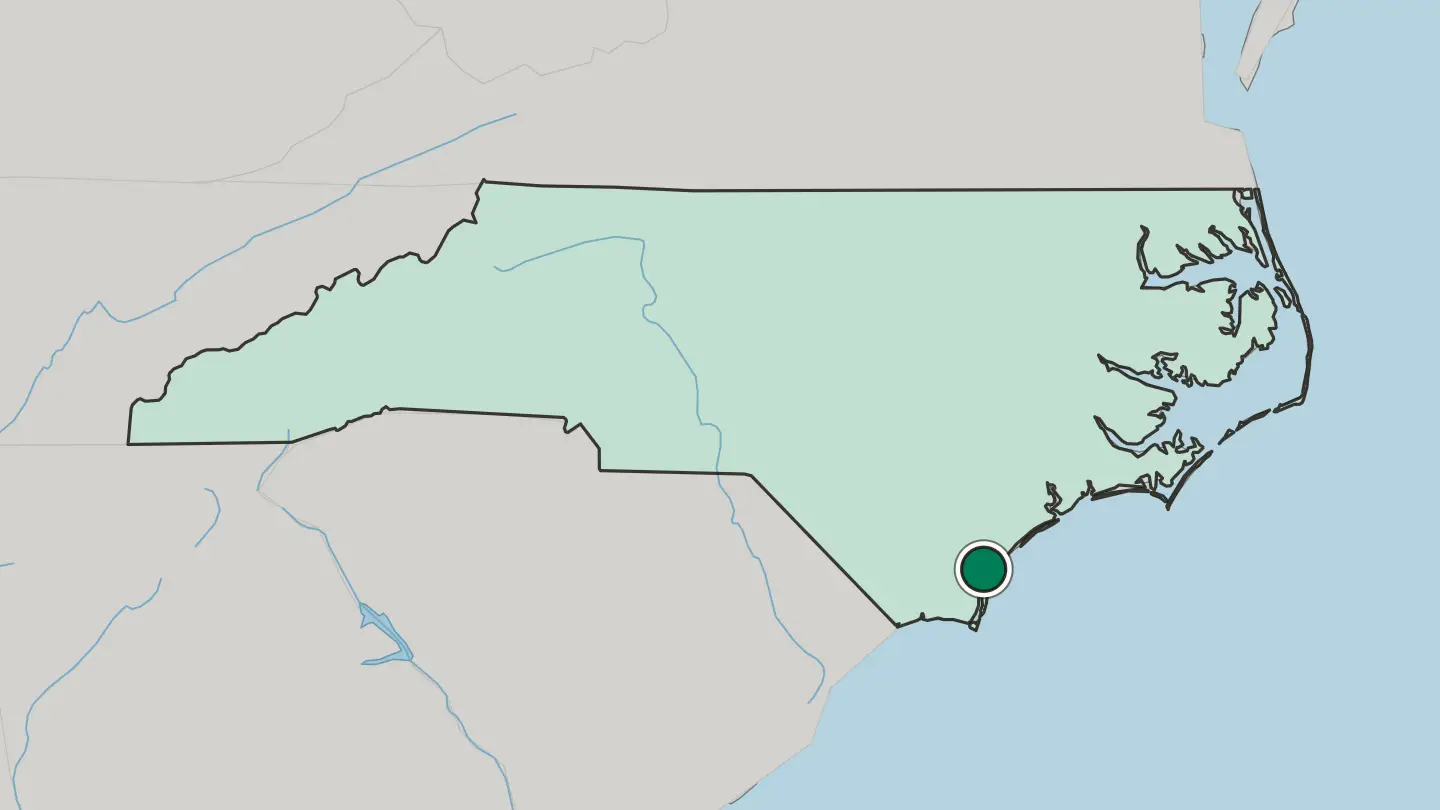
All towns & cities (18)
 United States
High Point
High Point is the furniture city of the Piedmont Triad, a Guilford County mill town whose showrooms fill twice a year for the furnishings market.Where to stay →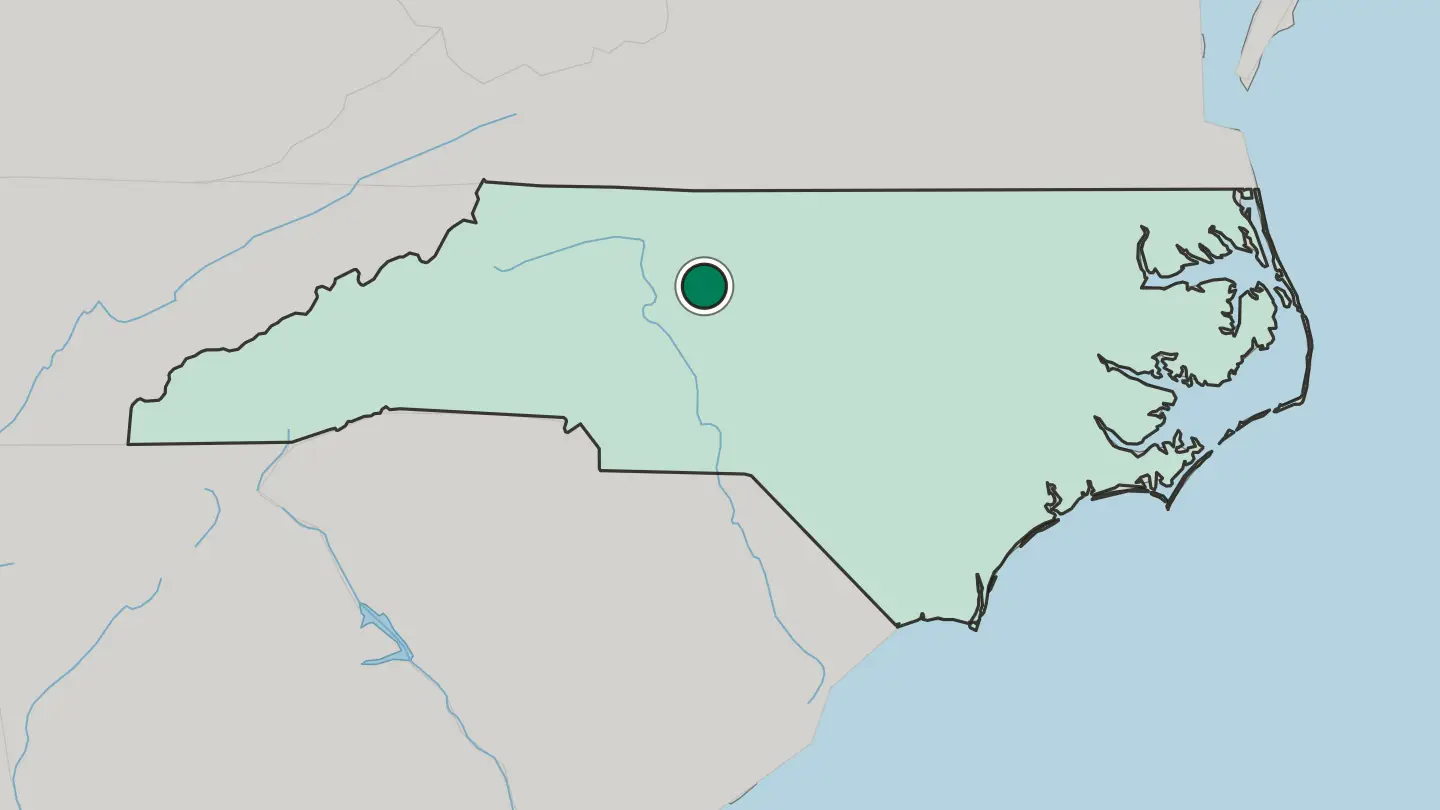
 United States
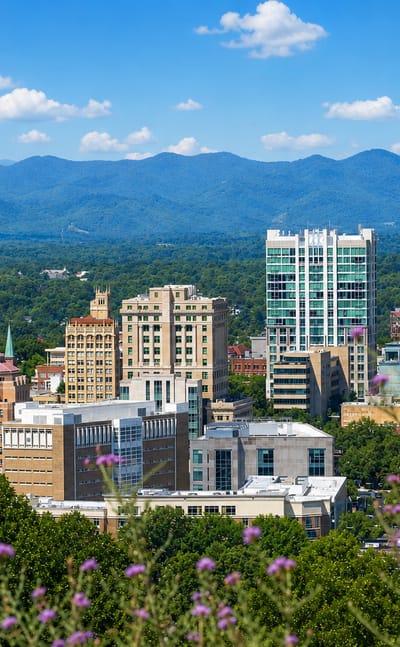
Asheville
Brick and gallery light fill the streets of Asheville, a city in North Carolina, known for the Asheville Art Museum and the Thomas Wolfe House.Where to stay →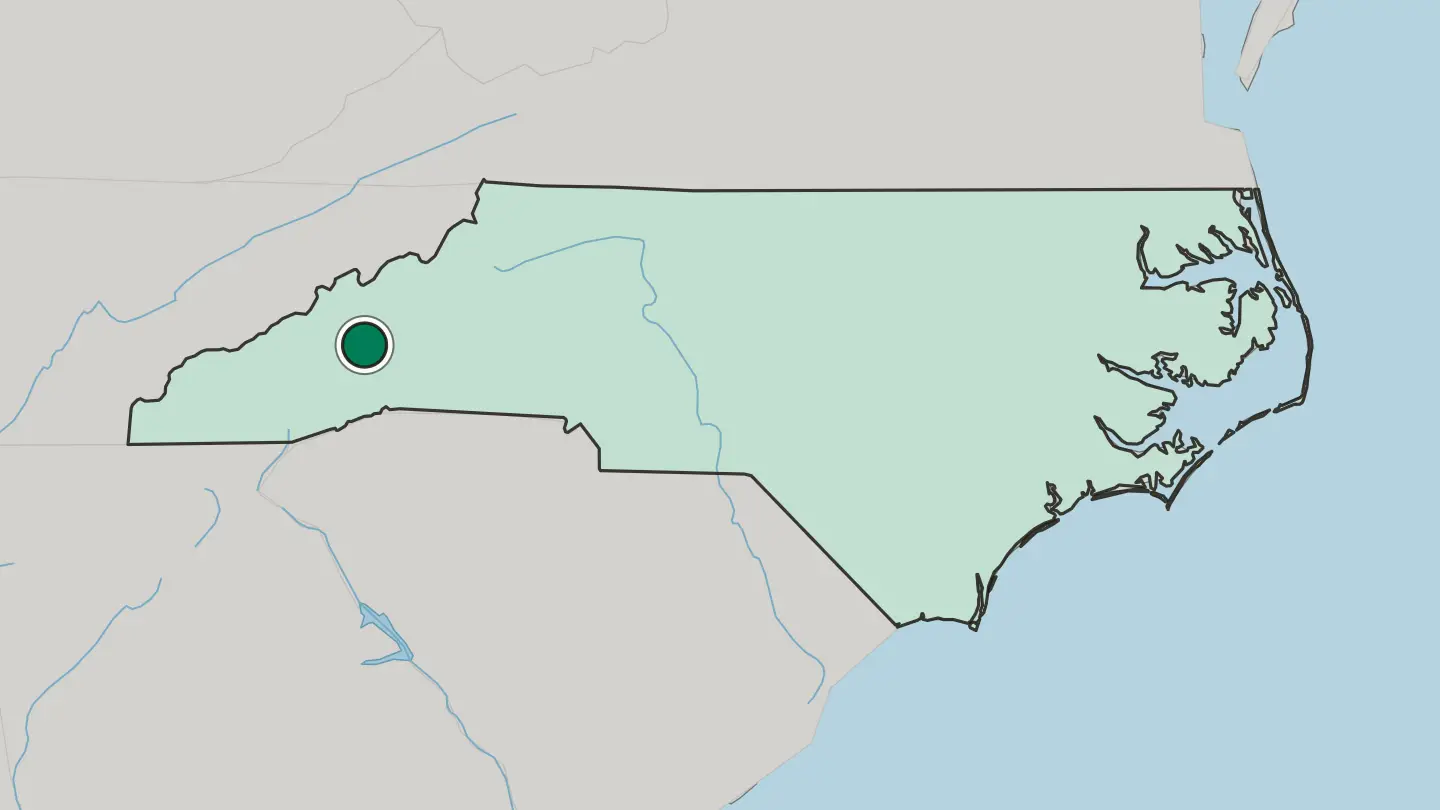 United States
Greenville
Greenville is the seat of Pitt County, North Carolina, hub of the Inner Banks, the low country east of Raleigh and west of the coast.Where to stay →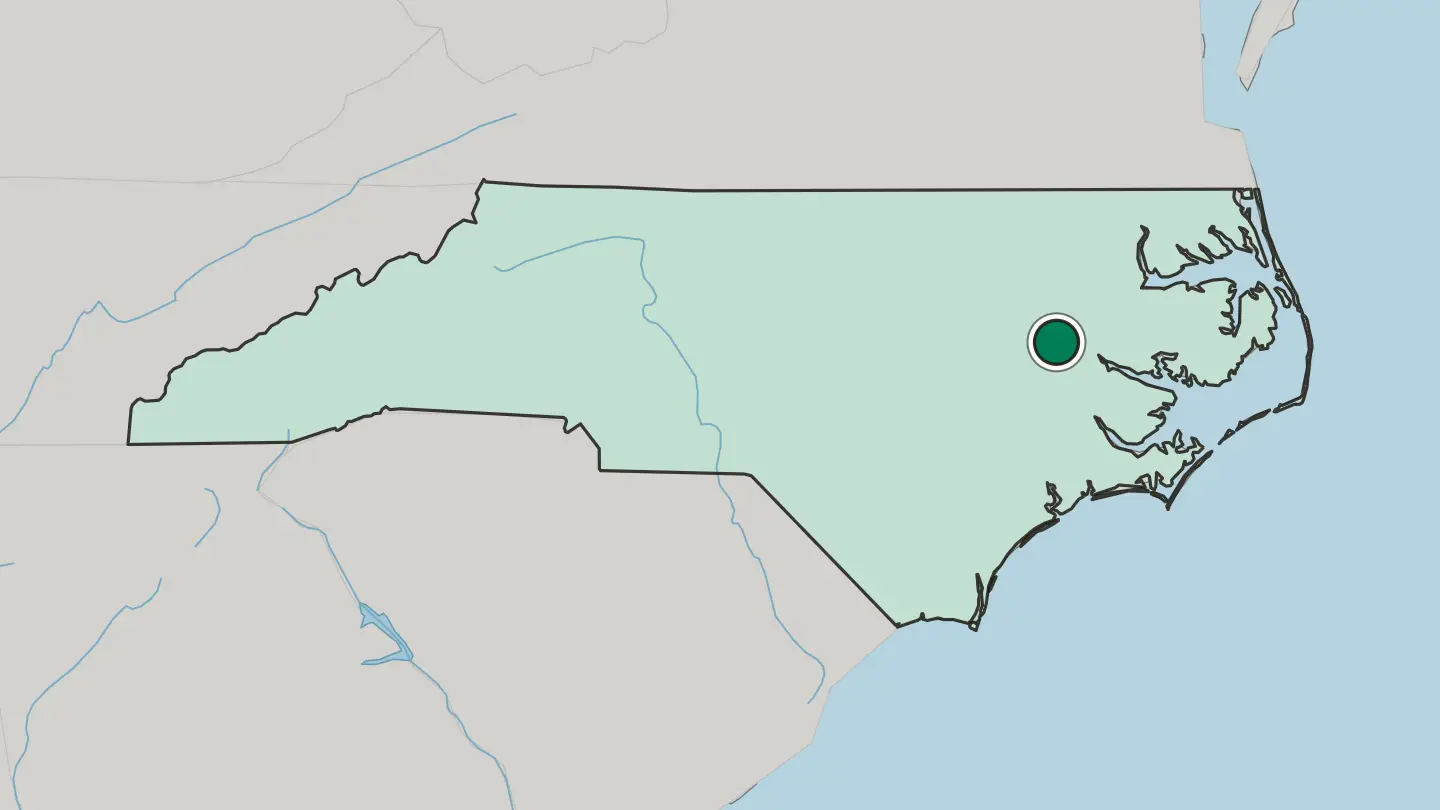 United States
Concord
Concord is the county seat of Cabarrus County, a mill town turned Charlotte suburb where two cotton mills and Hotel Concord still stand.Where to stay →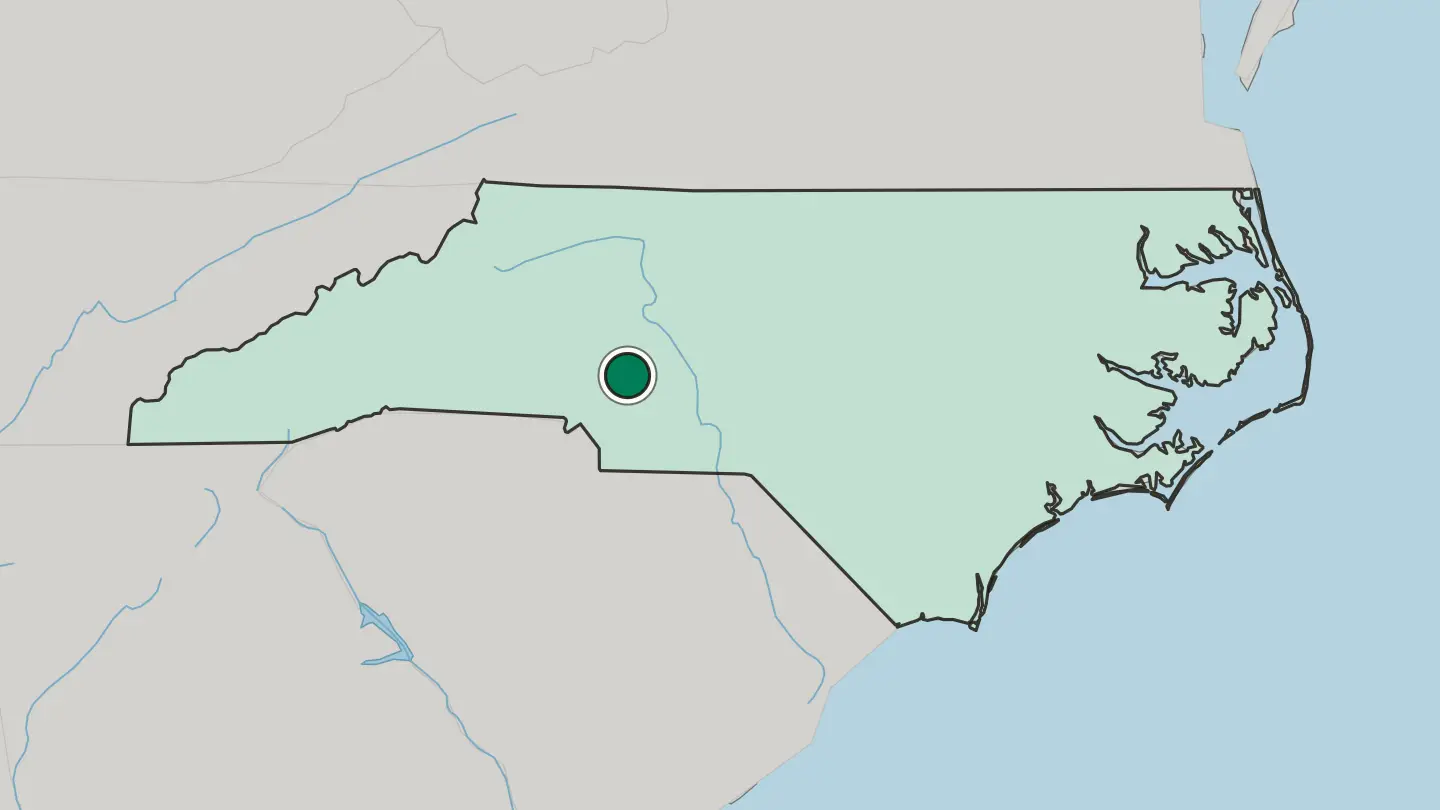
 United States
Gastonia
Gastonia is the seat of Gaston County, a Piedmont city in North Carolina whose downtown keeps two early bank buildings and a listed historic district.Where to stay →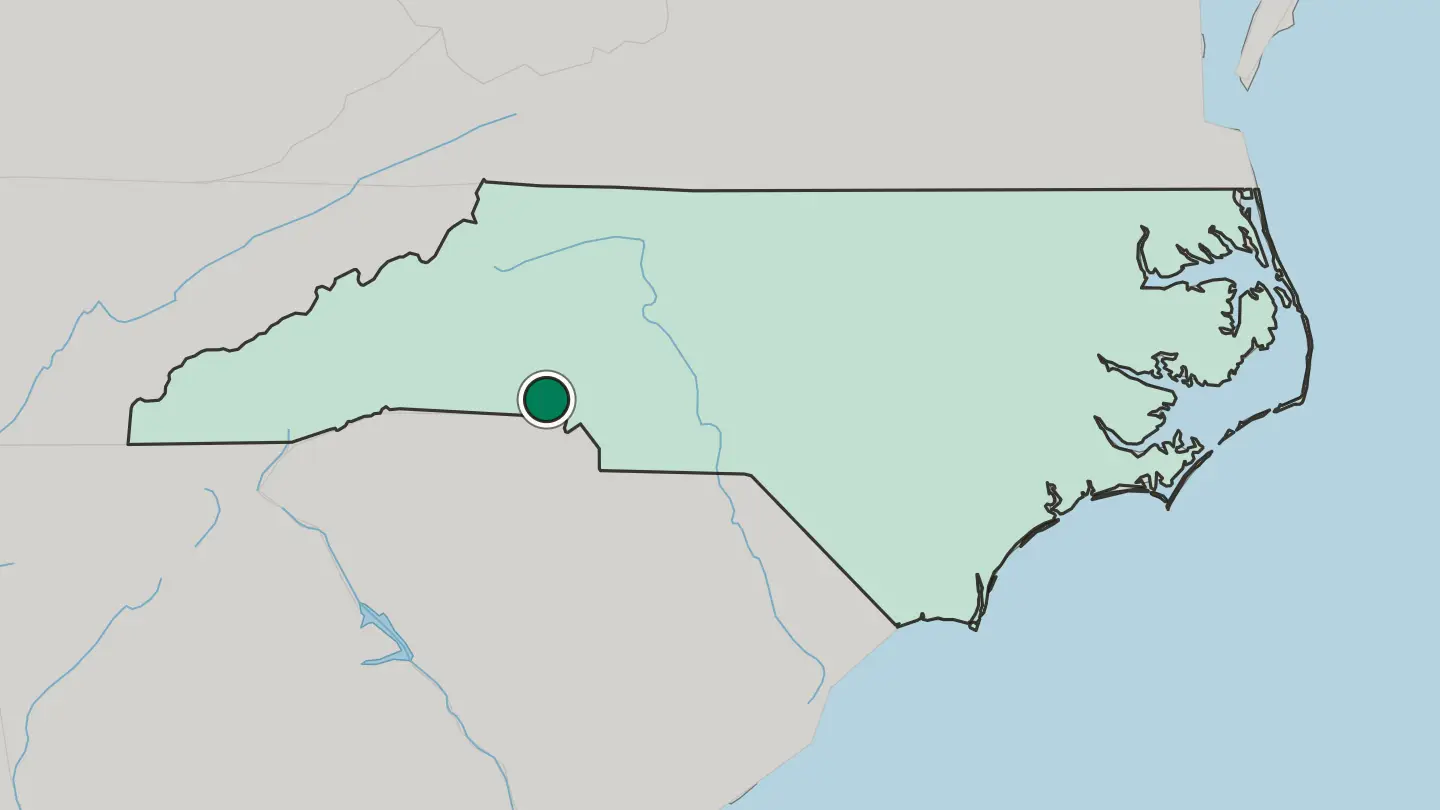 United States
Jacksonville
Jacksonville is the seat of Onslow County in North Carolina, a town founded in 1757 and remade by Marine Corps Base Camp Lejeune beside it.Where to stay →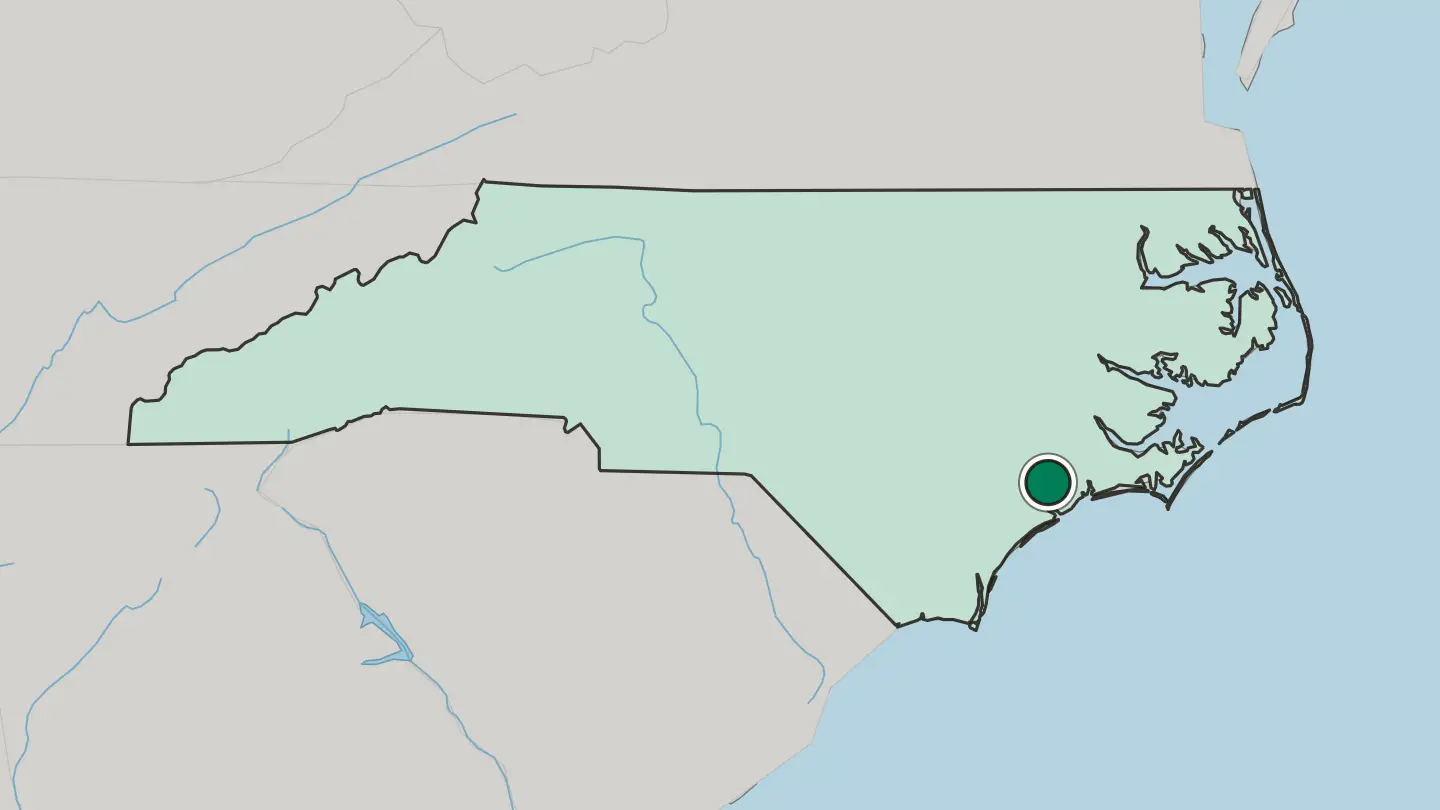 United States
Chapel Hill
Chapel Hill holds the western corner of the Research Triangle, a North Carolina town built around the University of North Carolina at Chapel Hill.Where to stay →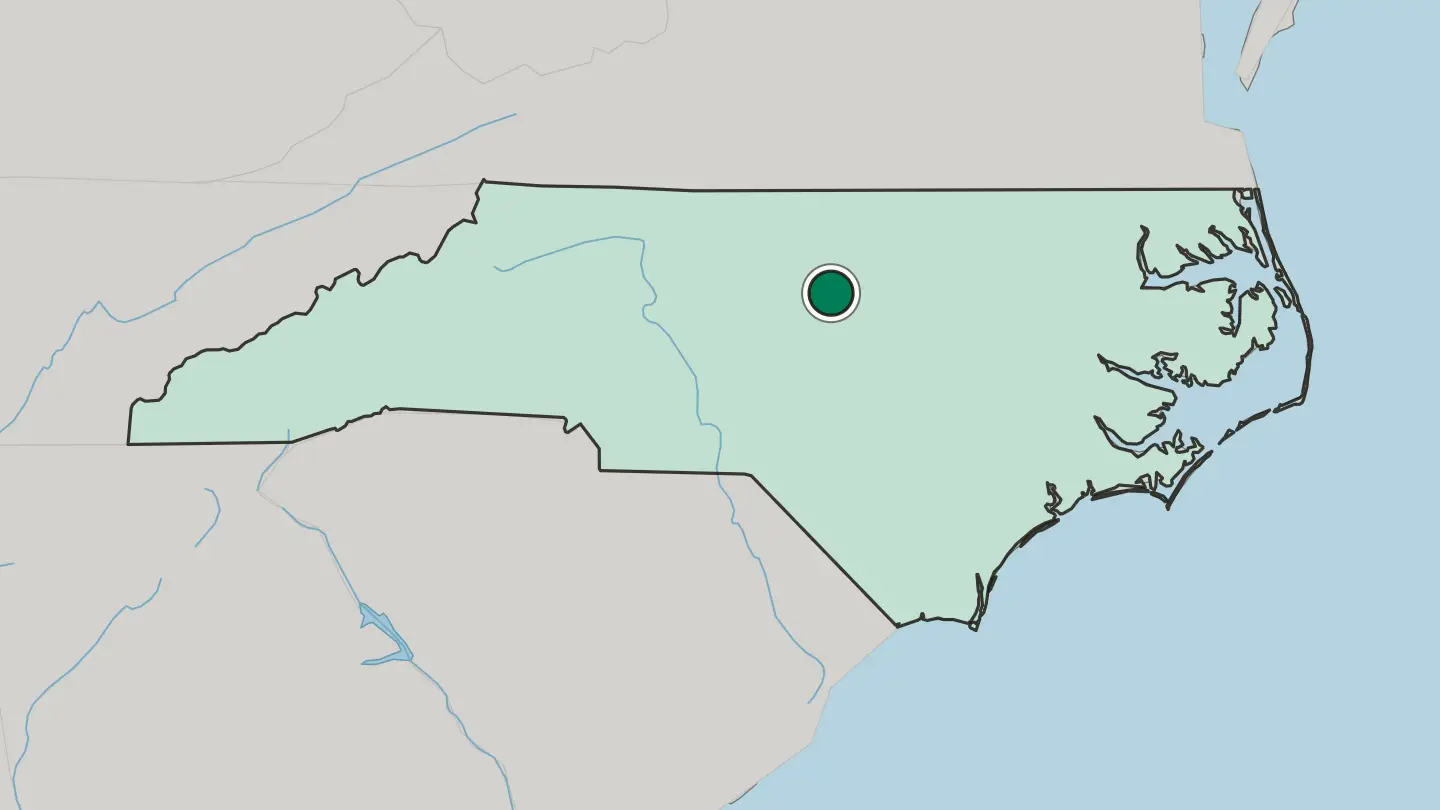
 United States
Rocky Mount
Rocky Mount is a mill and railway city of North Carolina, founded in 1816 and built across the county line between Nash and Edgecombe.Where to stay →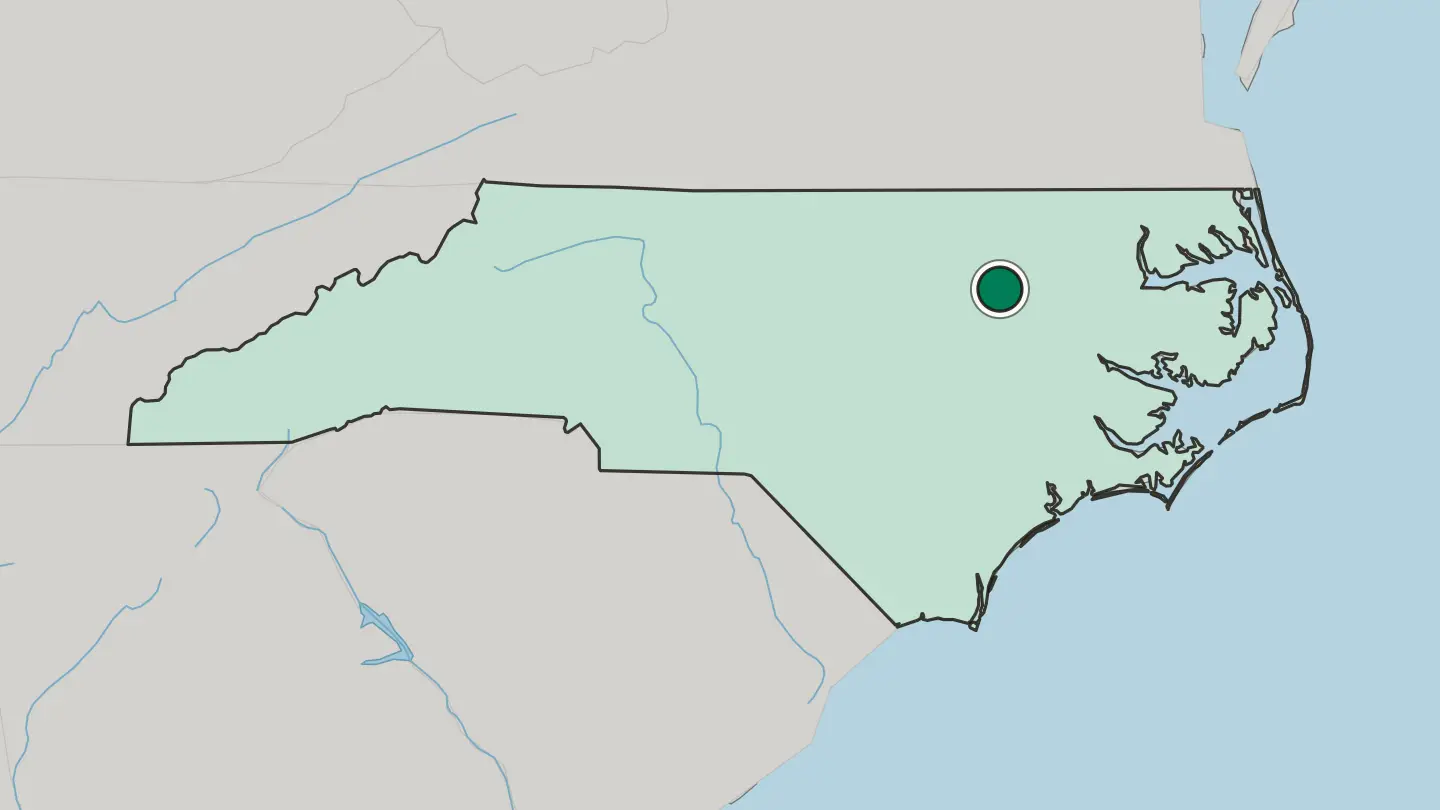
 United States
Huntersville
Huntersville is a Mecklenburg County town north of Charlotte, where old farmsteads and Presbyterian churchyards sit inside the metropolitan spread.Where to stay →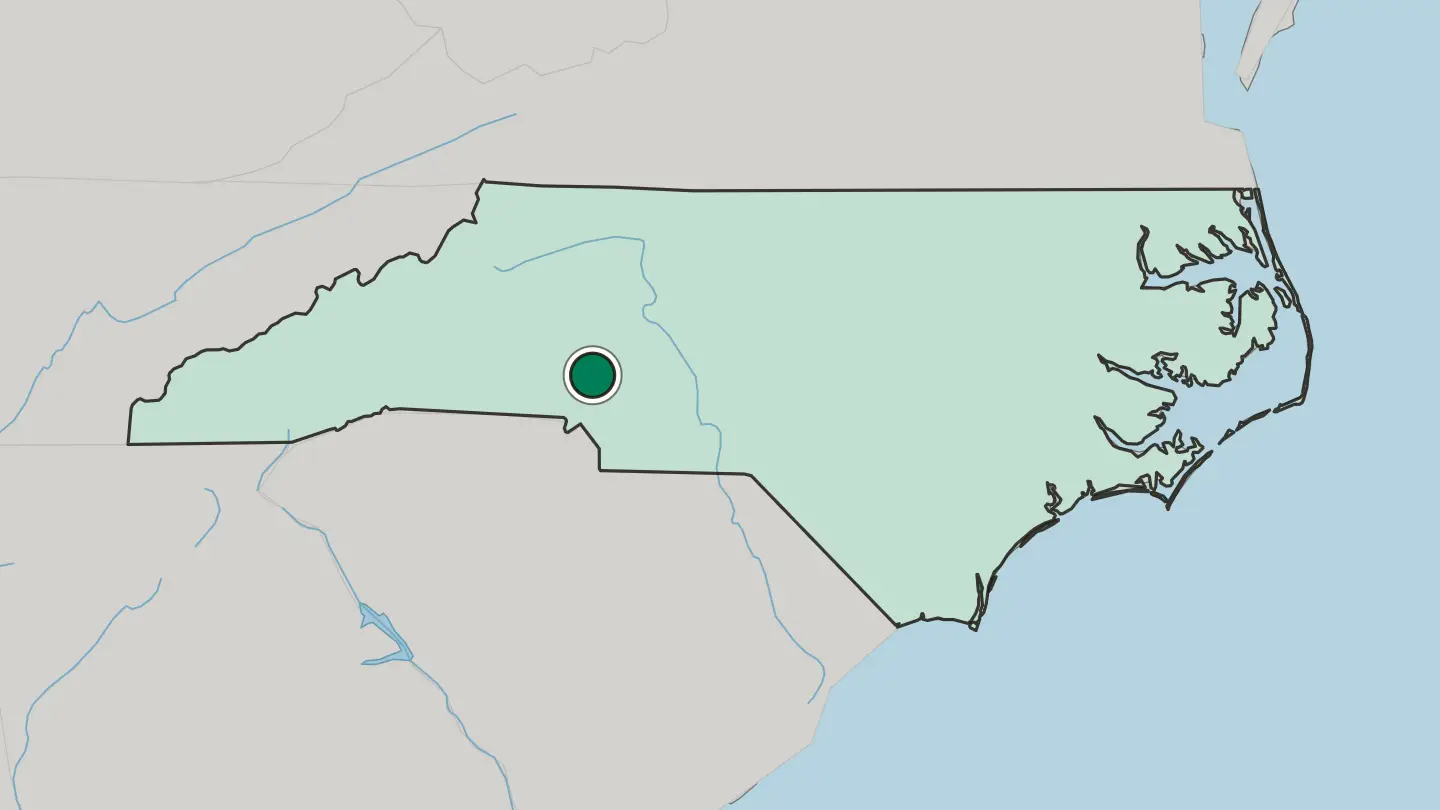
 United States
Burlington
Burlington is an Alamance County city founded in 1886, set in the Piedmont Triad of North Carolina and keeping the Menagerie Carousel.Where to stay →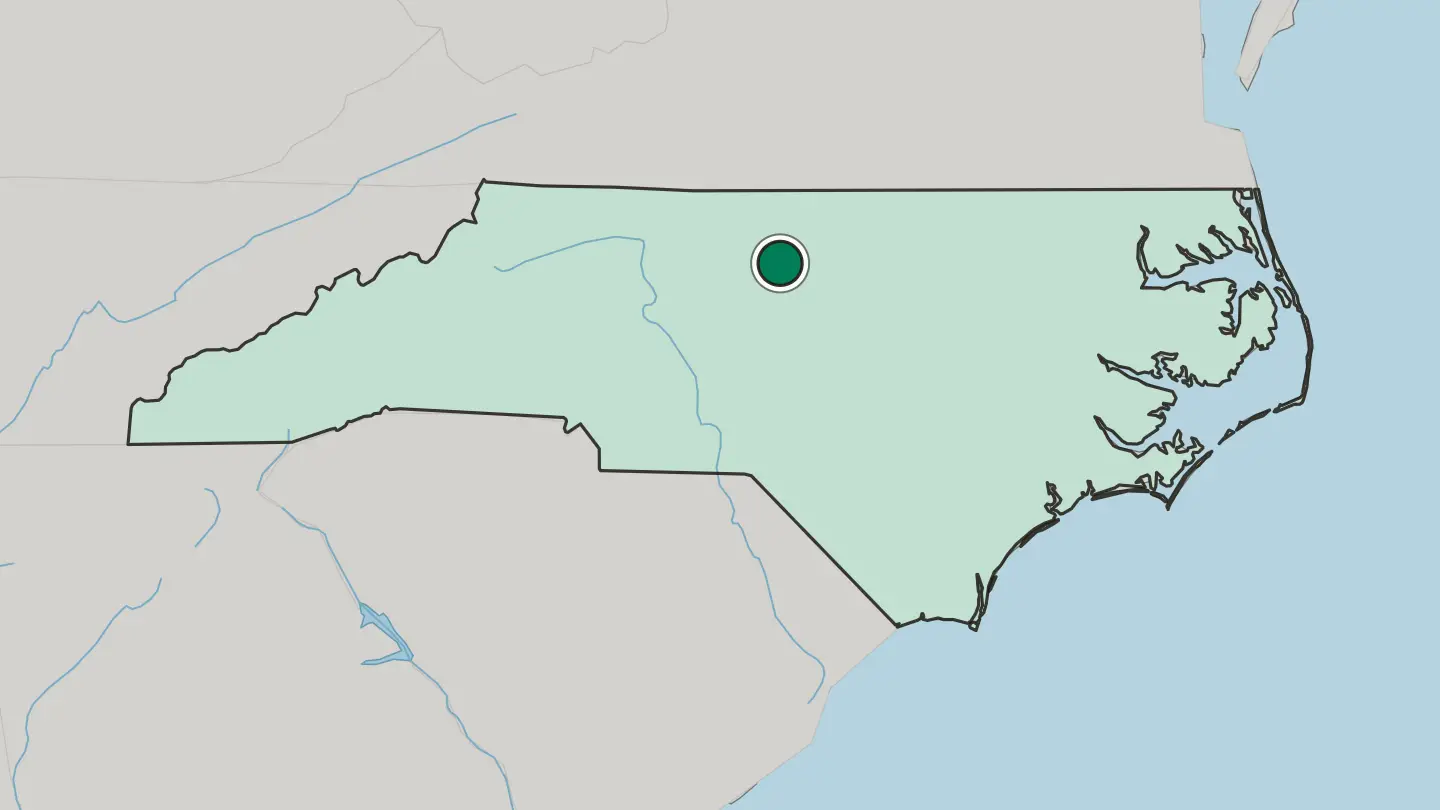
Hotel links are affiliate links: booking through them may earn us a commission, at no extra cost to you. It never affects how places are ranked. How this works
About North Carolina
What is North Carolina known for?
North Carolina is known as one of the Carolinas, a broad stretch of the United States running from the Atlantic Ocean coast inland to the Tennessee line. Two cities lead it. Charlotte anchors a major banking centre and its metropolitan area, while Raleigh holds the capital beside the Research Triangle and its Research Triangle Park.
The coast runs long.
Where is North Carolina?
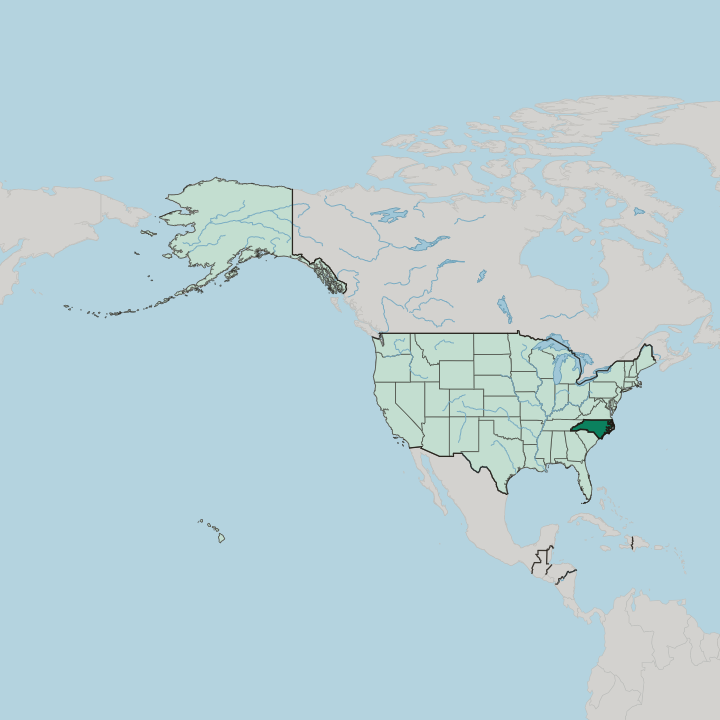
North Carolina lies on the Atlantic Ocean, a broad state of the United States and one of the two Carolinas along the East Coast. The ocean marks its east. Its long shoreline faces the Atlantic Ocean to the east, while the land runs inland across the width of the state toward the Tennessee border on the far side.
Virginia lies to the north. South Carolina runs along the south, Georgia borders it to the southwest, and Tennessee forms the western edge, so that North Carolina reaches from the Atlantic Ocean to the interior of the country. Charlotte stands in the west.
The banking city and its metropolitan area anchor that side of the state, while Raleigh, the capital, sits inland to the east beside the Research Triangle and Research Triangle Park. The coast anchors the other end. Raleigh holds the middle.
From the beaches of the Atlantic Ocean in the east to the Tennessee line in the west, North Carolina stretches across one of the wider spans of the country, joined with South Carolina as the Carolinas. The two Carolinas share a coast.
What is North Carolina like?
North Carolina draws its character from a long reach between the Atlantic Ocean and the interior, one of the two Carolinas in the United States. The coast sets one tone. Along the Atlantic Ocean, life turns to the beaches and the sea, while inland the cities carry the working life of the state across the wide country toward the Tennessee border.
Charlotte gives it a business heart. The banking city and its metropolitan area shape the western side, while Raleigh, the capital, gathers the research life of the Research Triangle and Research Triangle Park nearby. The Carolinas share much.
With South Carolina to the south, North Carolina shares the identity of the Carolinas along the East Coast, a long-settled stretch of the United States between the ocean and the inland states. The ocean ties it east. Two poles hold the state.
From the beaches of the Atlantic Ocean to the banking towers of Charlotte and the research grounds of the Research Triangle around Raleigh, the culture of North Carolina runs between coast, city, and the wider country of the United States.
What is the history of North Carolina?
North Carolina entered the United States in 1789, among the first states of the young republic. Its roots lie on the coast. Early settlement grew along the Atlantic Ocean and spread inland over the years as Raleigh rose to hold the capital and Charlotte grew into a banking city toward the Tennessee side of the state.
That founding year still stands.
What is the climate of North Carolina?
North Carolina has a temperate climate, warmed by its place in the south and cooled along the Atlantic Ocean coast. Long summers bring heat and humidity. Heat and humidity settle over the state through the warm months, especially inland toward Charlotte and the Tennessee border, while the Atlantic Ocean softens the coast and milder winters follow across most of North Carolina.
The coast stays mild.
How do you get to North Carolina?
North Carolina is reached mainly through Charlotte in the west and Raleigh near the Research Triangle inland. Routes run to the coast. From Charlotte and Raleigh, roads reach north toward Virginia, south into South Carolina and Georgia, west to Tennessee, and east to the beaches and ports of the Atlantic Ocean.
The ocean opens the east.
Good for
More regions in United States
Updated September 2026