United States · North Carolina
Where to Stay in Raleigh, North Carolina
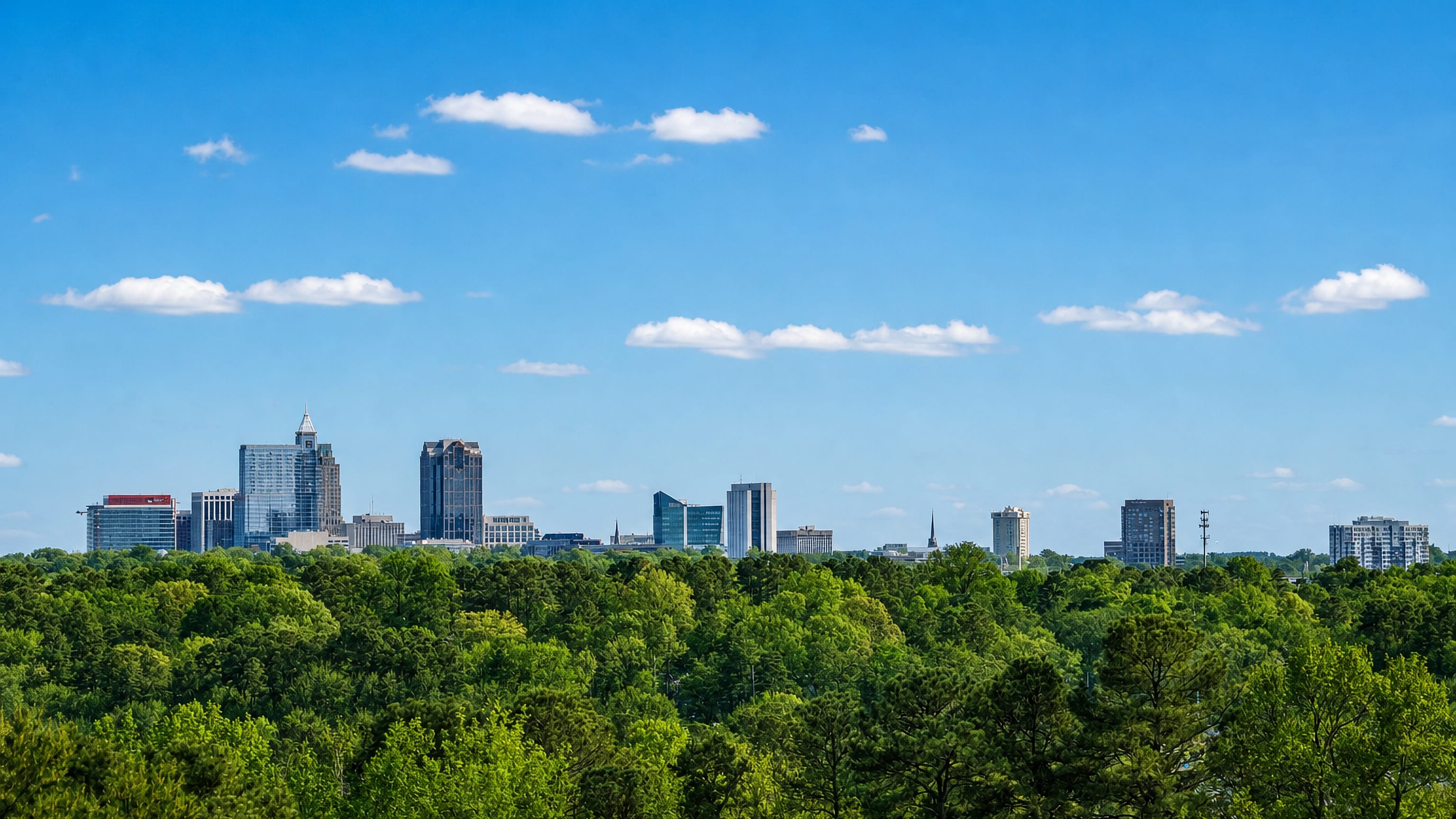
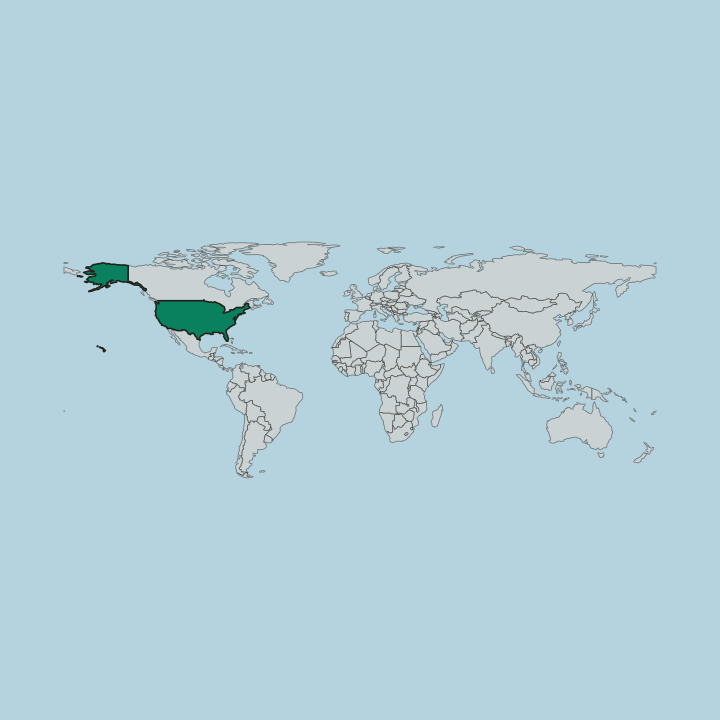
Oak-lined streets give Raleigh its nickname, the City of Oaks, the capital of North Carolina founded in 1770 and named for Sir Walter Raleigh.
Hotel links are affiliate links: booking through them may earn us a commission, at no extra cost to you. It never affects how places are ranked. How this works


Where to stay in Raleigh
One neighbourhood here has its own guide — here's what it is best for.
 RaleighUnited States
North Hills
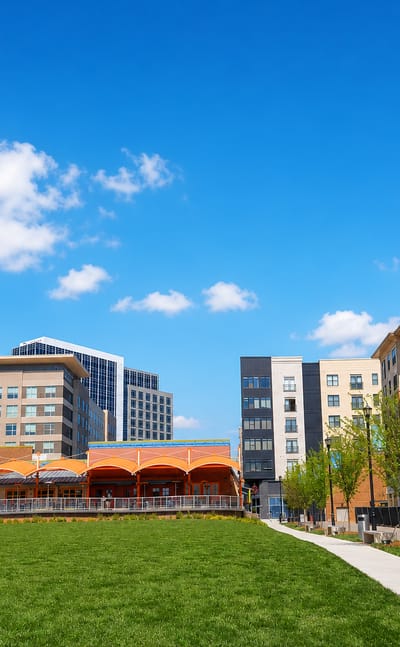
North Hills is a mixed-use district of Raleigh, North Carolina, built on the site of the first enclosed shopping mall between Atlanta and Washington.Where to stay →Hotel links are affiliate links: booking through them may earn us a commission, at no extra cost to you. It never affects how places are ranked. How this works
Find hotels in Raleigh
Direct booking searches for these neighbourhoods.
Downtown Capitol
The North Carolina Museum of Natural Sciences, the North Carolina Museum of History, and the Marbles Kids Museum ring the capitol grounds in the City of Oaks.Find hotels in Downtown CapitolCampus life and green spaceUniversity District
The Gregg Museum of Art & Design and Pullen Park with its Pullen Park Carousel sit around North Carolina State University southwest of downtown.Find hotels in University DistrictHistoric dwellings under the oaksOakwood and Old Houses
The Joel Lane House, Haywood Hall, and Elmwood preserve Raleigh's earliest homes among the oak-lined residential streets.Find hotels in Oakwood and Old HousesHotel links are affiliate links: booking through them may earn us a commission, at no extra cost to you. It never affects how places are ranked. How this works
Things to do in Raleigh
Ranked by global recognition; descriptions from Wikidata (CC0).
Museums & Galleries
3- North Carolina Museum of History
- Marbles Kids Museum
- Contemporary Art Museum of Raleigh
Churches & Religious Sites
3- Christ Episcopal Church Heritage
- Free Church of the Good Shepherd Heritage
- St. Paul A.M.E. Church Heritage
Castles & Historic Sites
2- Monument to North Carolina Women of the Confederacy
- Presidents North Carolina Gave the Nation
Stadiums & Sports
1- Doak Field
Landmarks & Notable Places
8- Josephus Daniels House Heritage
- Spring Hill Heritage
- Haywood Hall Heritage
- Andrews-Duncan House Heritage
- Hawkins-Hartness House Heritage
Show 3 more →
- Elmwood Heritage
- Leonidas L. Polk House Heritage
- William A. Curtis House Heritage
worth knowingacross 5 categories in Raleigh
About Raleigh
What is Raleigh known for?
Raleigh is known as the capital of North Carolina and the anchor of the Research Triangle. State institutions define the centre. The North Carolina Museum of Natural Sciences and the North Carolina Museum of History stand a short walk apart downtown, and the campus of North Carolina State University spreads to the southwest with its own galleries.
Oak-lined streets earned the City of Oaks its name. Politics, learning, and shade fill out the rest.
What are the main landmarks in Raleigh?
The main landmarks of Raleigh cluster around the capitol. Facing the government square, the North Carolina Museum of Natural Sciences and the North Carolina Museum of History give the downtown a single civic quarter of oak-shaded institutions and old state buildings. The Joel Lane House survives as the oldest dwelling in town.
Pullen Park and its Pullen Park Carousel round out the set.
What is the history of Raleigh?
Raleigh was founded in 1770 and laid out as a planned capital for North Carolina, named for Sir Walter Raleigh of the lost Roanoke Colony. The state bought its land from Joel Lane, and the Joel Lane House still stands from that earliest settlement on the site. The town was built to hold the government, and the grid was set around the capitol square from the beginning.
It grew slowly at first. The old families raised their houses through the following century, among them Haywood Hall, Elmwood, and the Andrews-Duncan House, which line the leafy streets that gave the City of Oaks its name. Faith built its own landmarks.
Christ Episcopal Church rose among the earliest of them, and learning followed when North Carolina State University opened to the southwest and drew the town toward research and study. The state gathered its collections downtown in the North Carolina Museum of History and the North Carolina Museum of Natural Sciences. From a surveyor's grid to the anchor of the Research Triangle, Raleigh kept its role as the seat of the state.
Where is Raleigh?
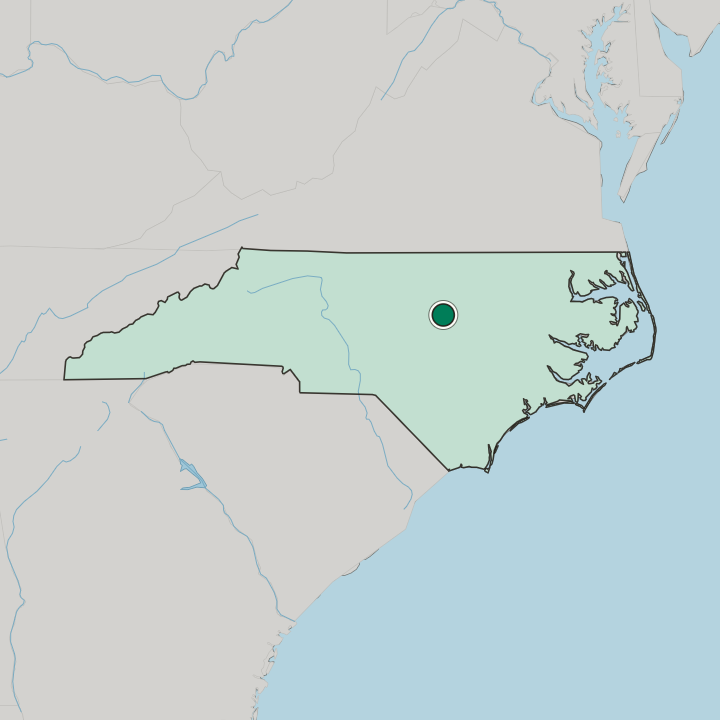
Raleigh sits on the rolling Piedmont of North Carolina, inland from the coastal plain. The land is gently hilly and wooded. Oak and pine cover the low ridges, and the streets that thread between them gave the City of Oaks its name, with North Carolina State University set on the higher ground to the southwest.
Wake County spreads around the town.
What is the climate of Raleigh?
Raleigh has a humid subtropical climate softened by its inland Piedmont setting. Summers are long, warm, and humid, with afternoon storms building over the wooded ridges of North Carolina through the hottest weeks of the year. Winters run cool.
Snow is light and infrequent, and the oaks and pines hold their leaf through a long, mild autumn between the seasons.
How do you get to Raleigh?
Raleigh is reached mainly by road and air. A large international airport serves the Research Triangle to the west of the city, and interstate highways cross the Piedmont to link Raleigh with the rest of North Carolina. Trains call downtown.
The old surveyed grid still centres the capital, and the campus of North Carolina State University sits a short drive from the government square.
Common questions
What is the best area to stay in Raleigh?
Downtown Capitol: State museums and the government square. University District: Campus life and green space. Oakwood and Old Houses: Historic dwellings under the oaks.
Good for
More cities in North Carolina
Updated October 2026