South Africa · Western Cape · Cape Town
Bo-Kaap, Cape Town — Area Guide & Where to Stay
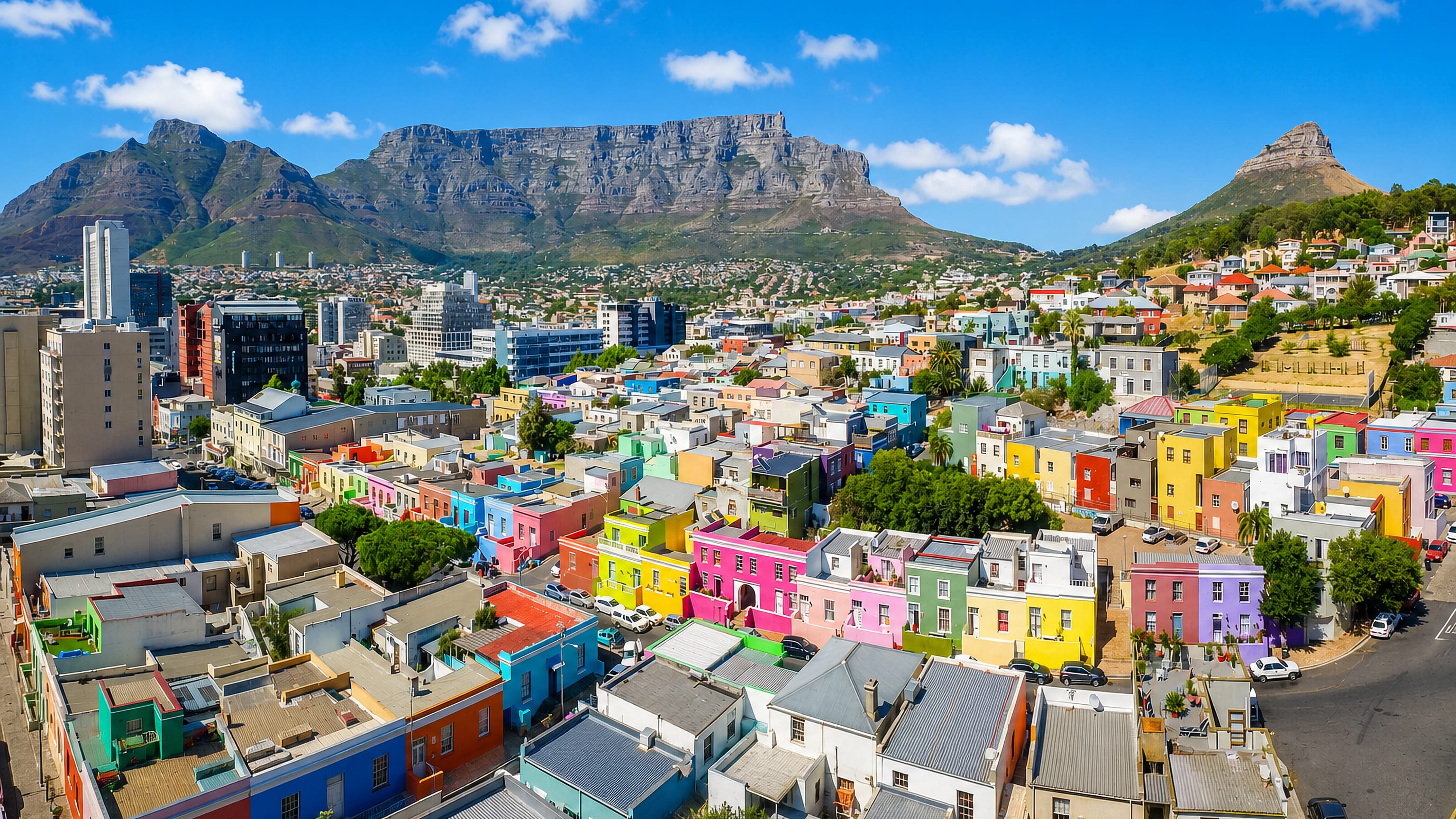
The Bo-Kaap climbs Signal Hill above the Cape Town city centre, heart of Cape Malay culture and long known as the Malay Quarter. Painted houses line it.
Hotel links are affiliate links: booking through them may earn us a commission, at no extra cost to you. It never affects how places are ranked. How this works


Where to stay in Bo-Kaap
The practical side of choosing where to sleep.
Staying in the Bo-Kaap means a bed on the hillside, within walking distance of the city centre yet a step removed from its traffic. Few beds sit on the slope. Accommodation runs to guesthouses and self-catering rooms inside the painted houses rather than large hotels, and rooms book up well ahead.
The quarter suits visitors drawn to Cape Malay heritage and quiet streets after dark, with the Auwal Mosque and the Bo-Kaap Museum a short walk away. For a wider choice of hotels and nightlife, the city centre and De Waterkant lie just below.
Things to do in and around Cape Town
Ranked by global recognition; descriptions from Wikidata (CC0).
Museums & Galleries
3- Slave Lodge Heritage
- Zeitz Museum of Contemporary Art Africa
- Iziko South African Museum
Churches & Religious Sites
3- Groote Kerk
- Lutheran Church in Strand Street
- NG gemeente Tafelberg
Castles & Historic Sites
2- Artillery Memorial, Cape Town
- Cape Town Labour Corps Memorial
worth knowingacross 3 categories in and around Cape Town
About Bo-Kaap
What are the main landmarks in Bo-Kaap?
The Bo-Kaap Museum occupies one of the oldest houses in the area, its rooms furnished to show a 19th-century Cape Malay home. Faith anchors the quarter: the Auwal Mosque, the first mosque founded in South Africa, stands on Dorp Street, and the Nurul Islam Mosque was established in 1844. But the greatest sight is the streetscape itself.
Row upon row of houses painted lime, pink, and cobalt climb the cobbled lanes toward Signal Hill.
What is the history of Bo-Kaap?
The Bo-Kaap grew in the late eighteenth century as a district of small rental houses let to slaves, artisans, and freed people. Many were Muslims brought to the Cape from Southeast Asia and Africa, and their descendants gave the quarter its enduring Cape Malay character. Islam took root early here.
The Auwal Mosque was founded in 1794 as the first mosque in South Africa, and the Nurul Islam Mosque followed in 1844. Under apartheid the area was set aside by law as a segregated quarter, which spared it the wholesale demolition that erased much of District Six.
Where is Bo-Kaap?
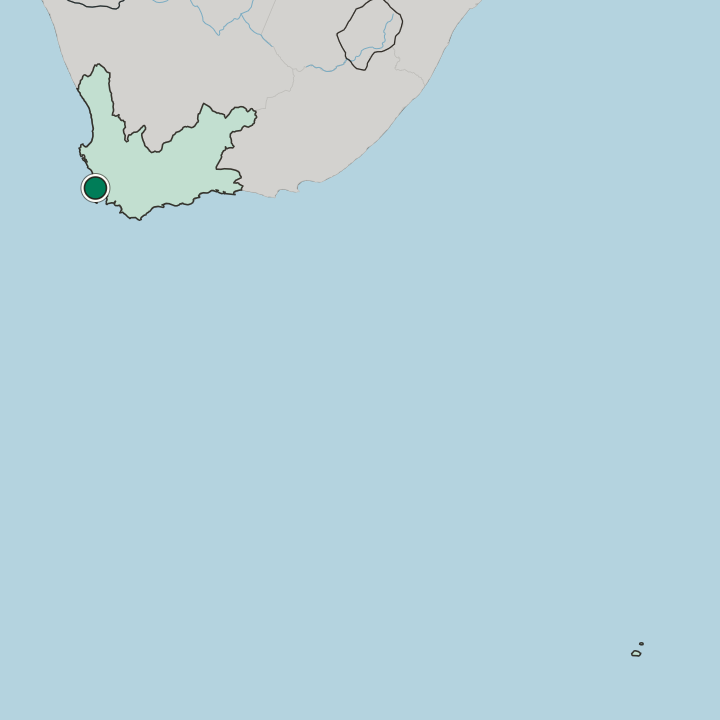
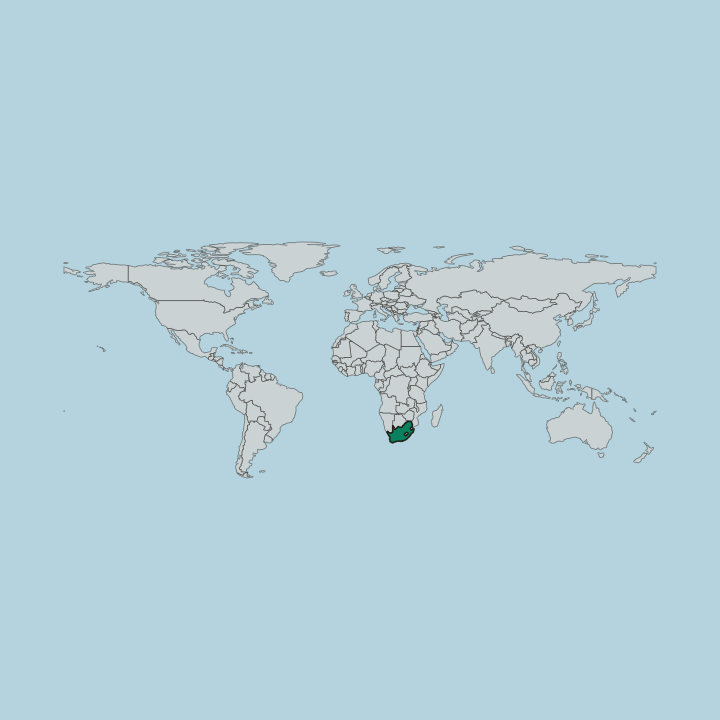
The quarter occupies the ground between Signal Hill and the edge of the central business district. Its streets climb the hillside in tight terraces, so the higher lanes look down over the city centre and the harbour beyond. Buitengracht Street marks the boundary with the modern city below.
De Waterkant sits close by to the north.
Good for
More areas in Cape Town
Updated October 2026