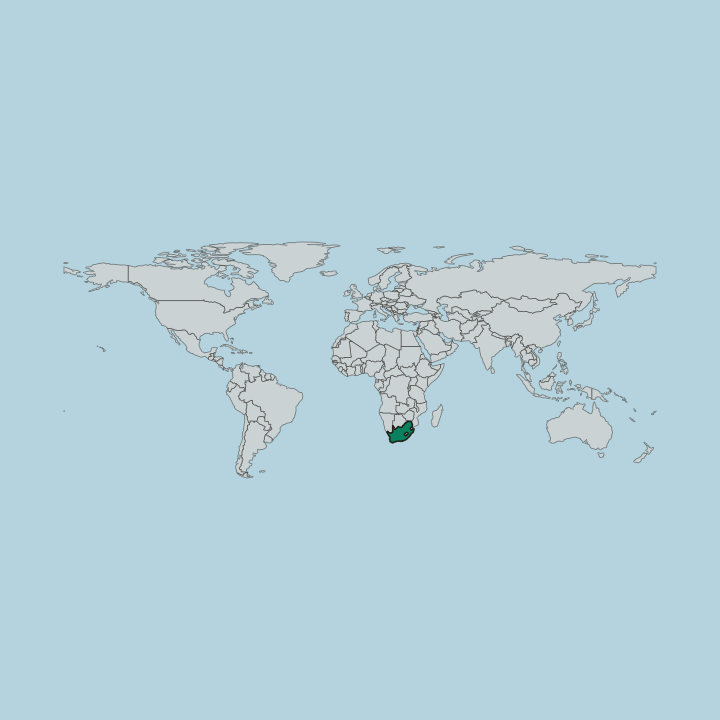
South Africa · Western Cape · Cape Town
De Waterkant, Cape Town — Area Guide & Where to Stay
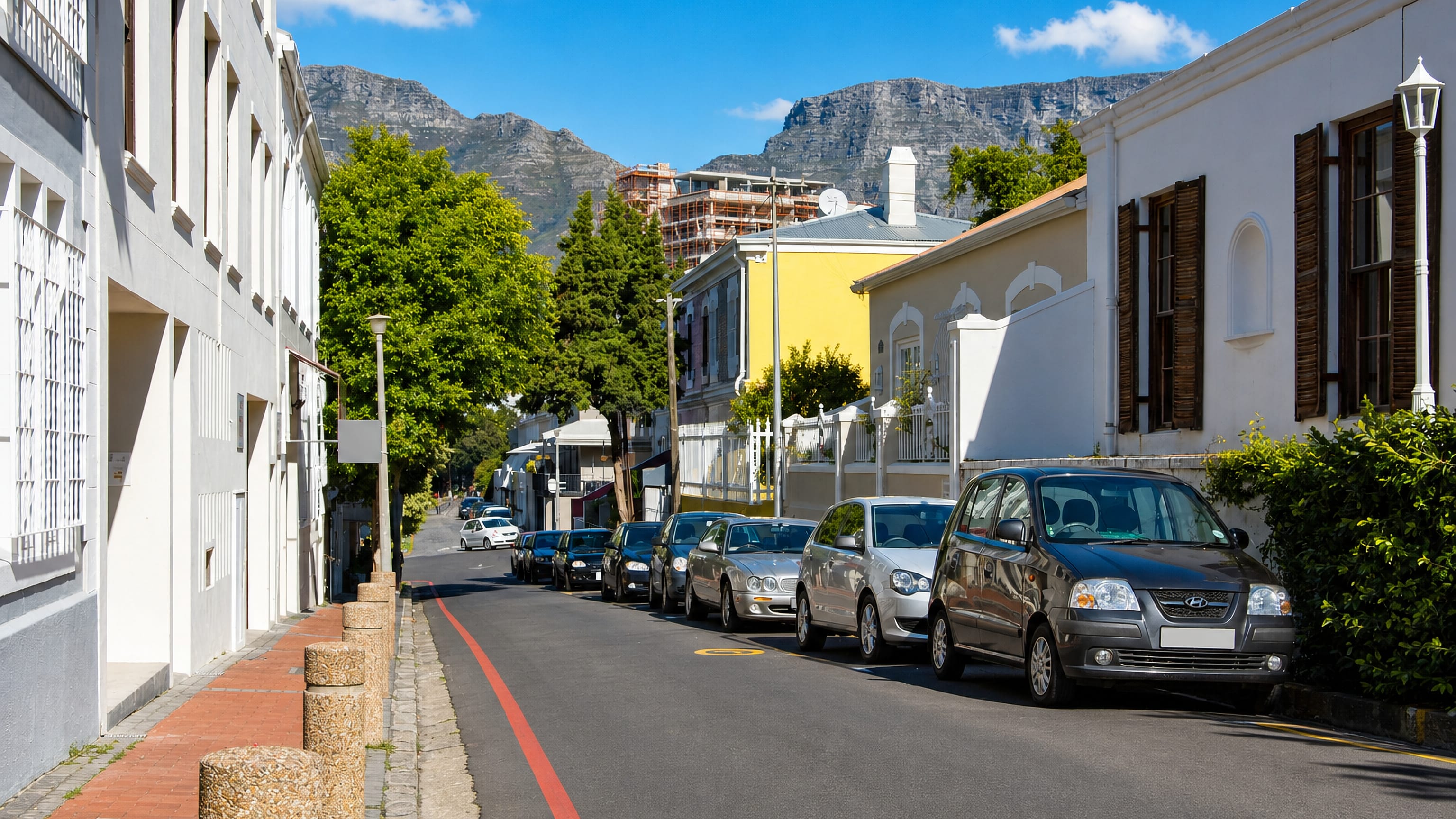
De Waterkant is a small historic quarter of Cape Town between the centre and harbour under Signal Hill. The Cape Quarter anchors its shops.
Hotel links are affiliate links: booking through them may earn us a commission, at no extra cost to you. It never affects how places are ranked. How this works


Where to stay in De Waterkant
Where the beds are, and what that means for the visit.
De Waterkant is one of Cape Town's more compact places to stay, its restored cottages and warehouse conversions holding boutique guesthouses and self-catering apartments rather than large hotels. The Cape Quarter puts cafes, restaurants and design shops at the doorstep, while the V&A Waterfront and the city centre both lie within easy walking distance. Nightlife defines the quarter after dark.
The Somerset Road strip anchors Cape Town's LGBT bars and clubs, so travellers who want to step straight out into that scene tend to base themselves here. Those after quiet may prefer nearby Green Point.
Things to do in and around Cape Town
Ranked by global recognition; descriptions from Wikidata (CC0).
Museums & Galleries
3- Slave Lodge Heritage
- Zeitz Museum of Contemporary Art Africa
- Iziko South African Museum
Churches & Religious Sites
3- Groote Kerk
- Lutheran Church in Strand Street
- NG gemeente Tafelberg
Castles & Historic Sites
2- Artillery Memorial, Cape Town
- Cape Town Labour Corps Memorial
worth knowingacross 3 categories in and around Cape Town
About De Waterkant
What are the main landmarks in De Waterkant?
De Waterkant's own landmark is the Cape Quarter, a lifestyle centre of shops, restaurants and galleries built partly inside a converted warehouse near Somerset Road. The pastel cottages of Loader and Napier streets are its other signature, their painted facades recalling the older Bo-Kaap next door. Narrow lanes climb toward Signal Hill.
Views open over the harbour as the streets rise, and the V&A Waterfront lies a short walk downhill toward the sea.
What is the history of De Waterkant?
De Waterkant dates from around 1760, one of the oldest residential quarters below Signal Hill. Its name is the Afrikaans for the water's edge, from a time when Table Bay reached almost to its lower streets before the foreshore was reclaimed. Freed slaves, artisans and dockworkers first settled the cottages here.
The quarter later fell on hard times. Its little houses were later restored, and De Waterkant grew into the polished quarter and gay village it is known as.
Where is De Waterkant?
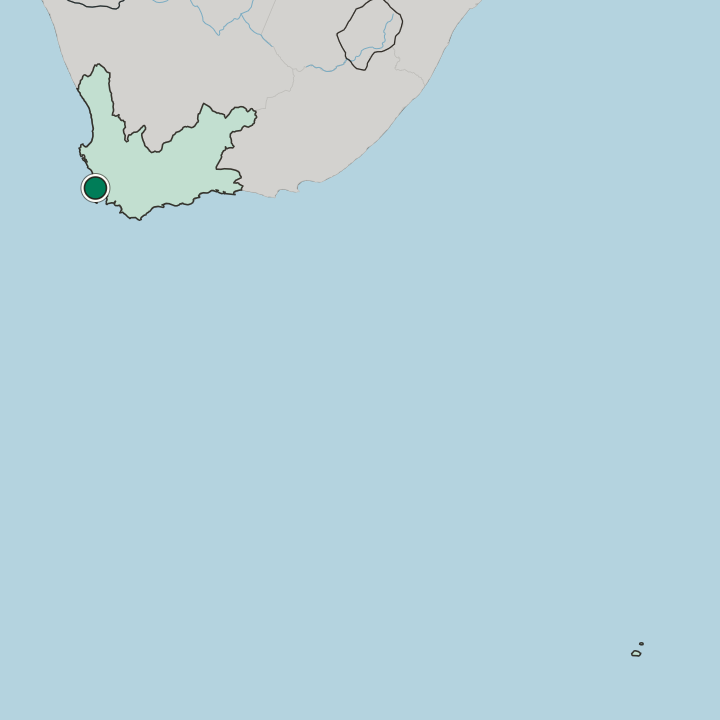
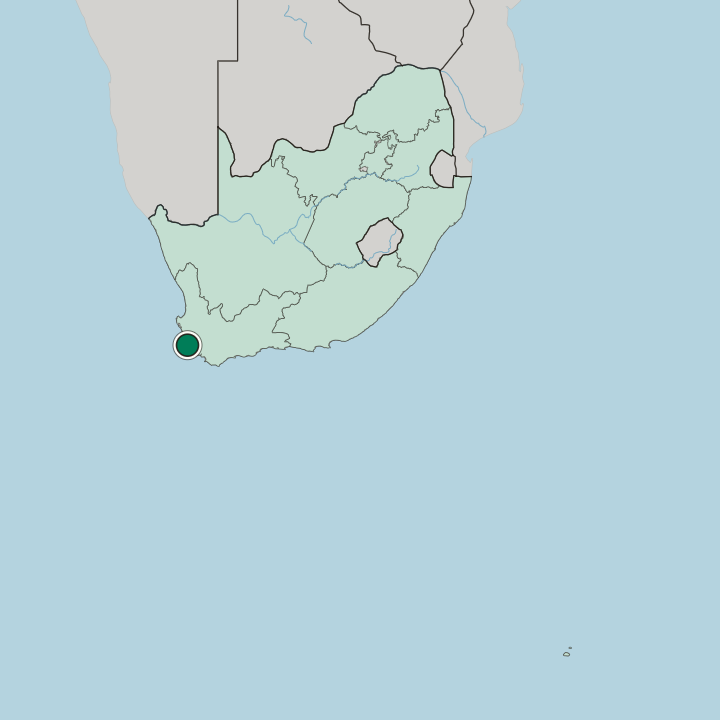
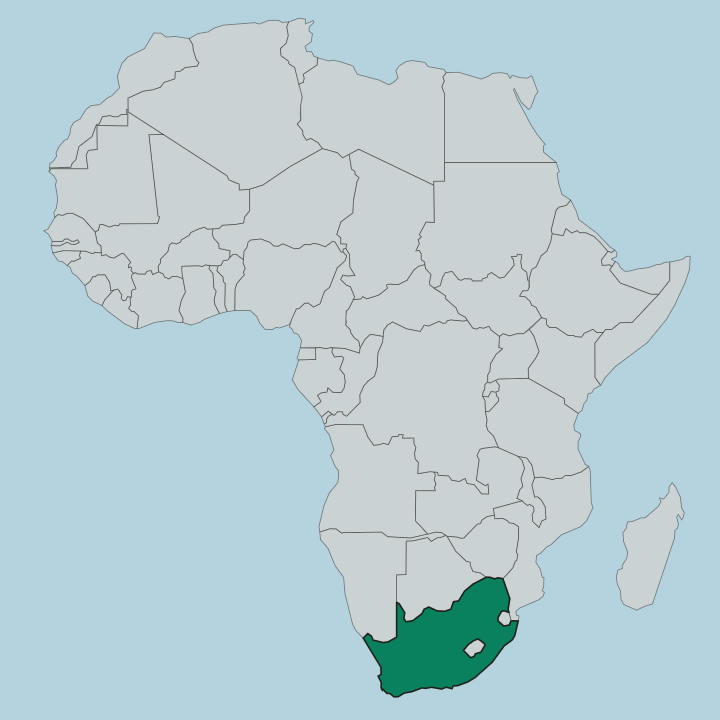
De Waterkant sits just above the working harbour, bounded by Somerset Road on the Green Point side and by Strand Street toward the city centre. Buitengracht Street separates it from the Bo-Kaap, which climbs the same slope of Signal Hill to the west. Its cobbled core threads along Waterkant, Loader and Napier streets.
The V&A Waterfront lies a short walk north.
Good for
More areas in Cape Town
Updated October 2026