South Africa
Western Cape, South Africa — Towns & Travel Guide
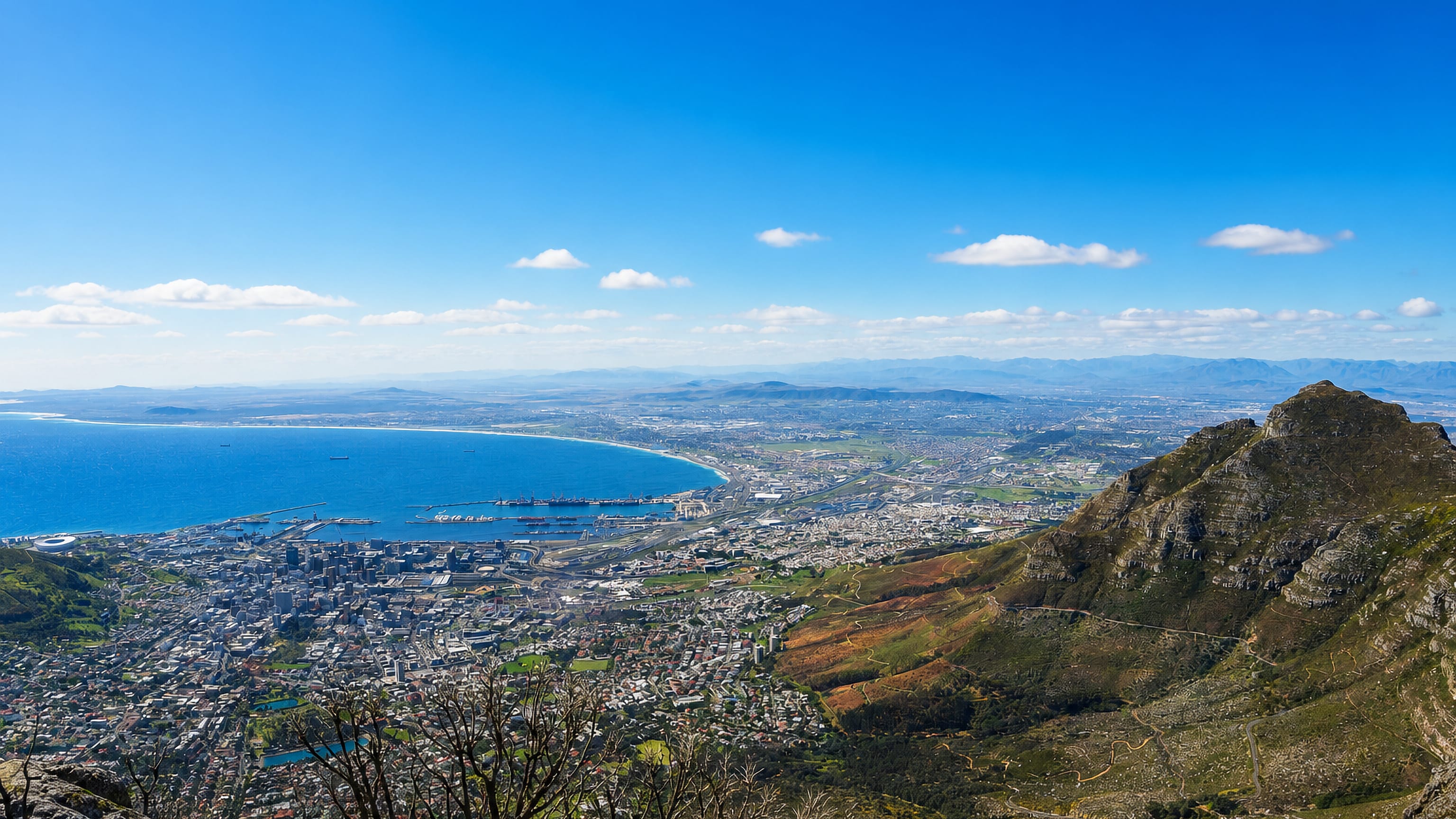
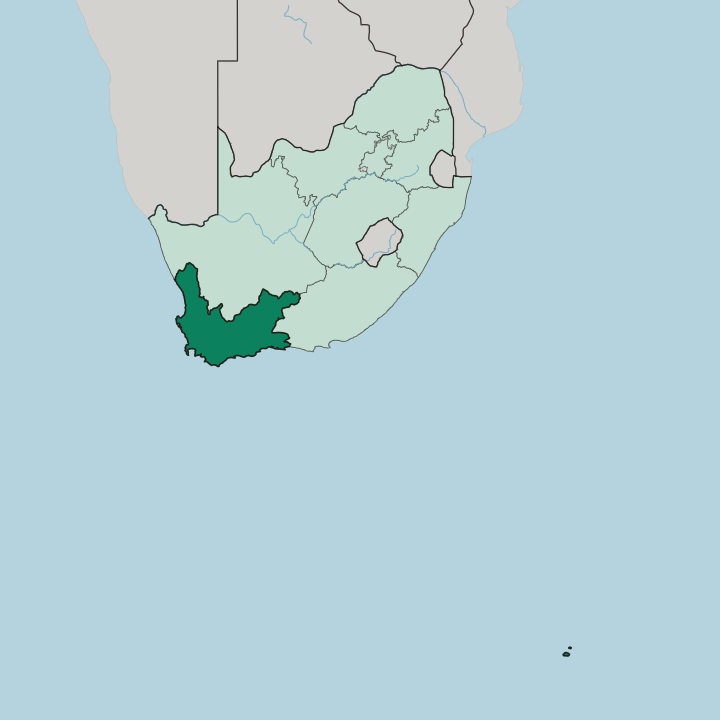
Western Cape is the coastal province at South Africa's southern tip, holding Cape Town, the Cape of Good Hope, and the Cape Winelands.
Hotel links are affiliate links: booking through them may earn us a commission, at no extra cost to you. It never affects how places are ranked. How this works


Towns & cities in Western Cape
Pick a town or city — each links to where to stay.
 South Africa
Cape Town
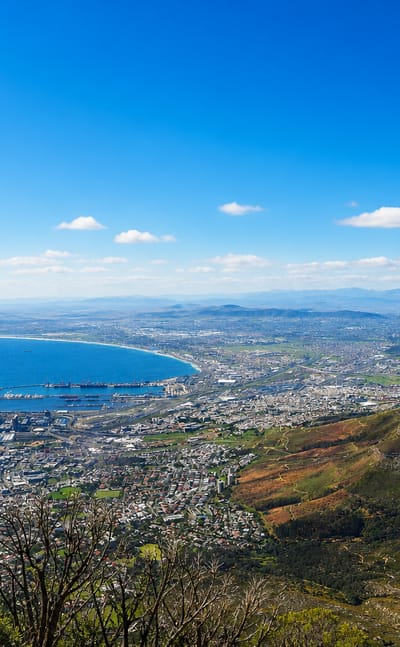
Cape Town is South Africa's oldest city and legislative capital, set on the southwestern coast near the Cape of Good Hope in the Western Cape.Where to stay →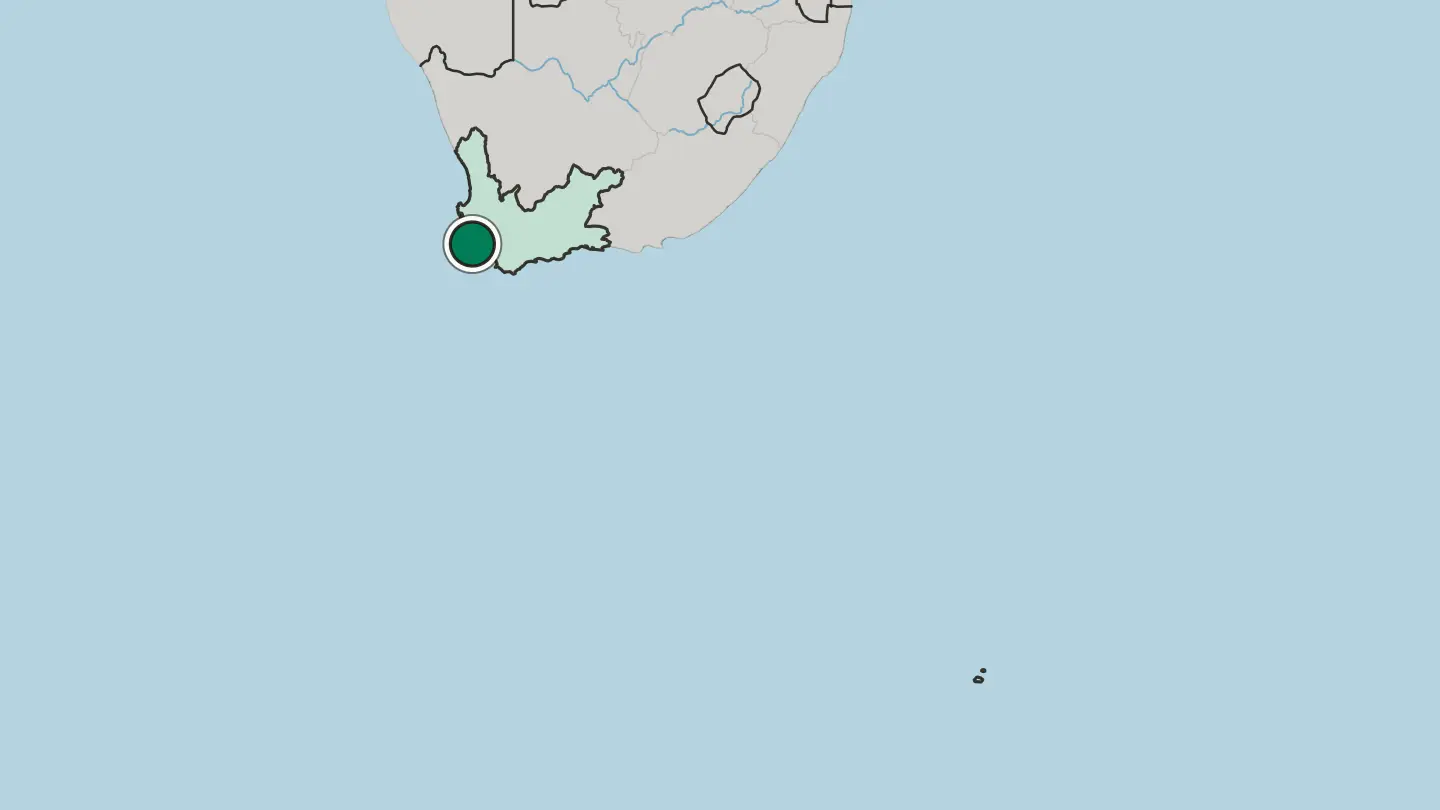
 South Africa
Paarl
Paarl is a Cape Winelands town below a granite outcrop counted among the largest in the world, founded in 1657.Where to stay →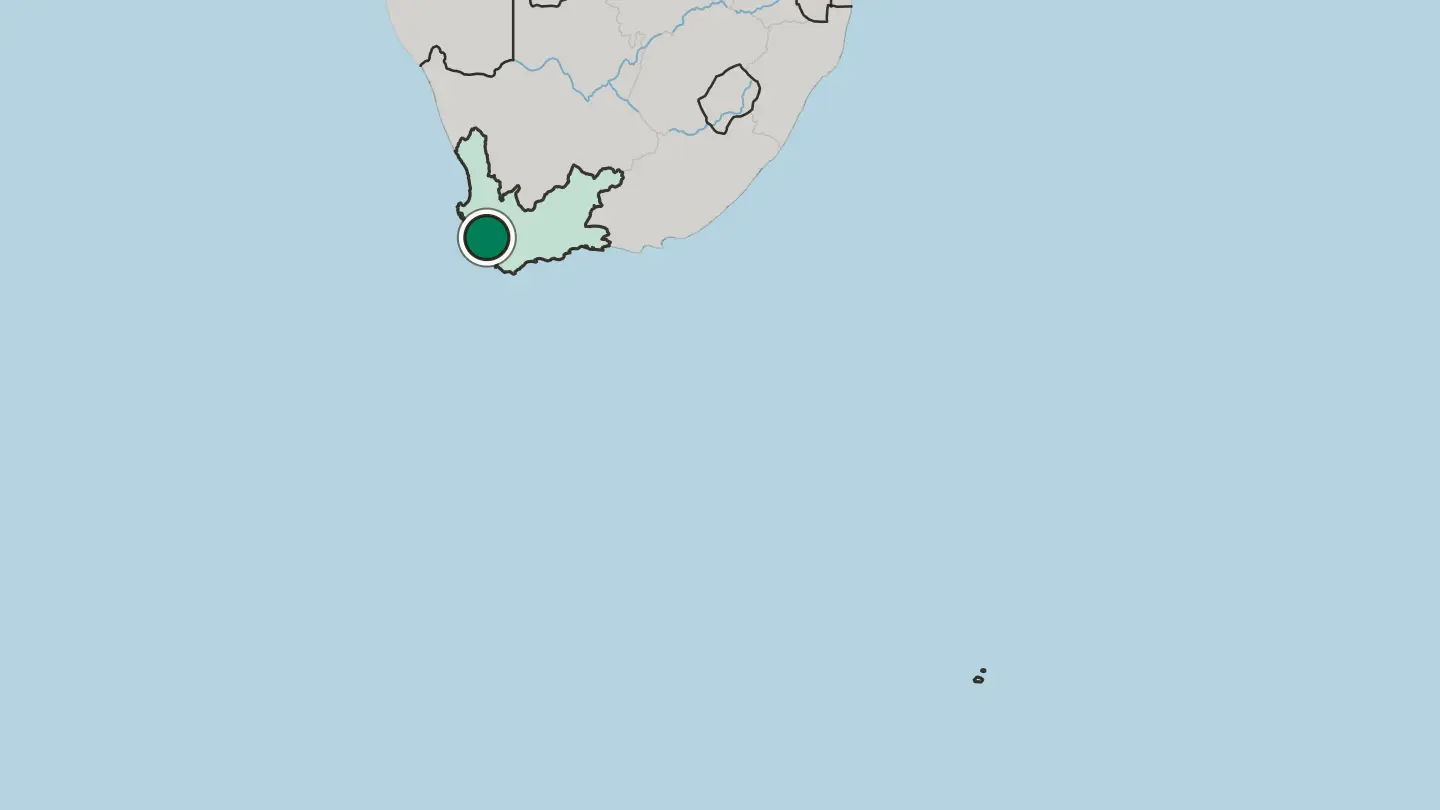
 South Africa
Somerset West
Somerset West is a Cape Winelands town in the Western Cape, founded in 1822 and administered within the City of Cape Town metropolitan municipality.Where to stay →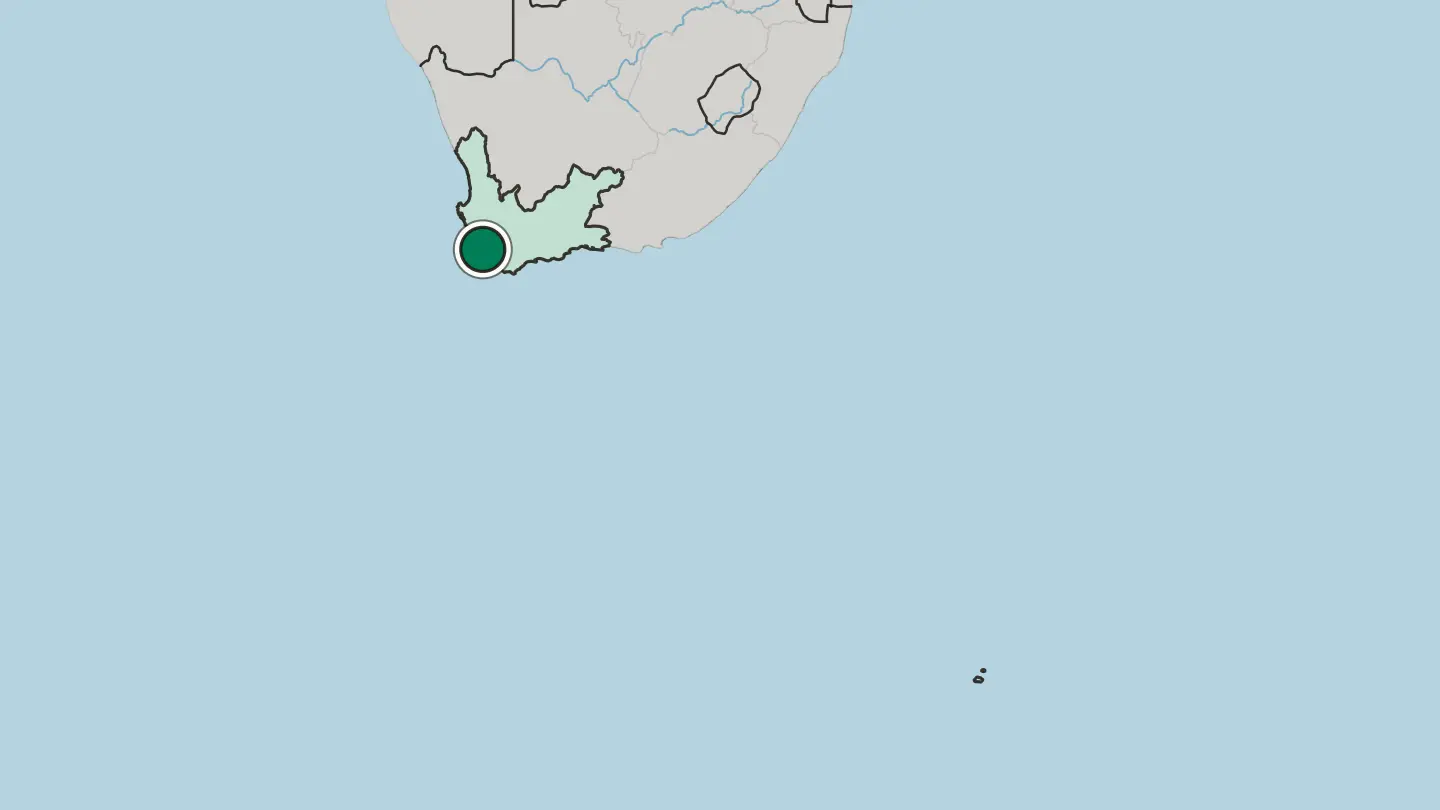
 South Africa
George
George is a Western Cape city on South Africa's Garden Route, founded in 1811, named for George III and seat of the Garden Route District Municipality.Where to stay →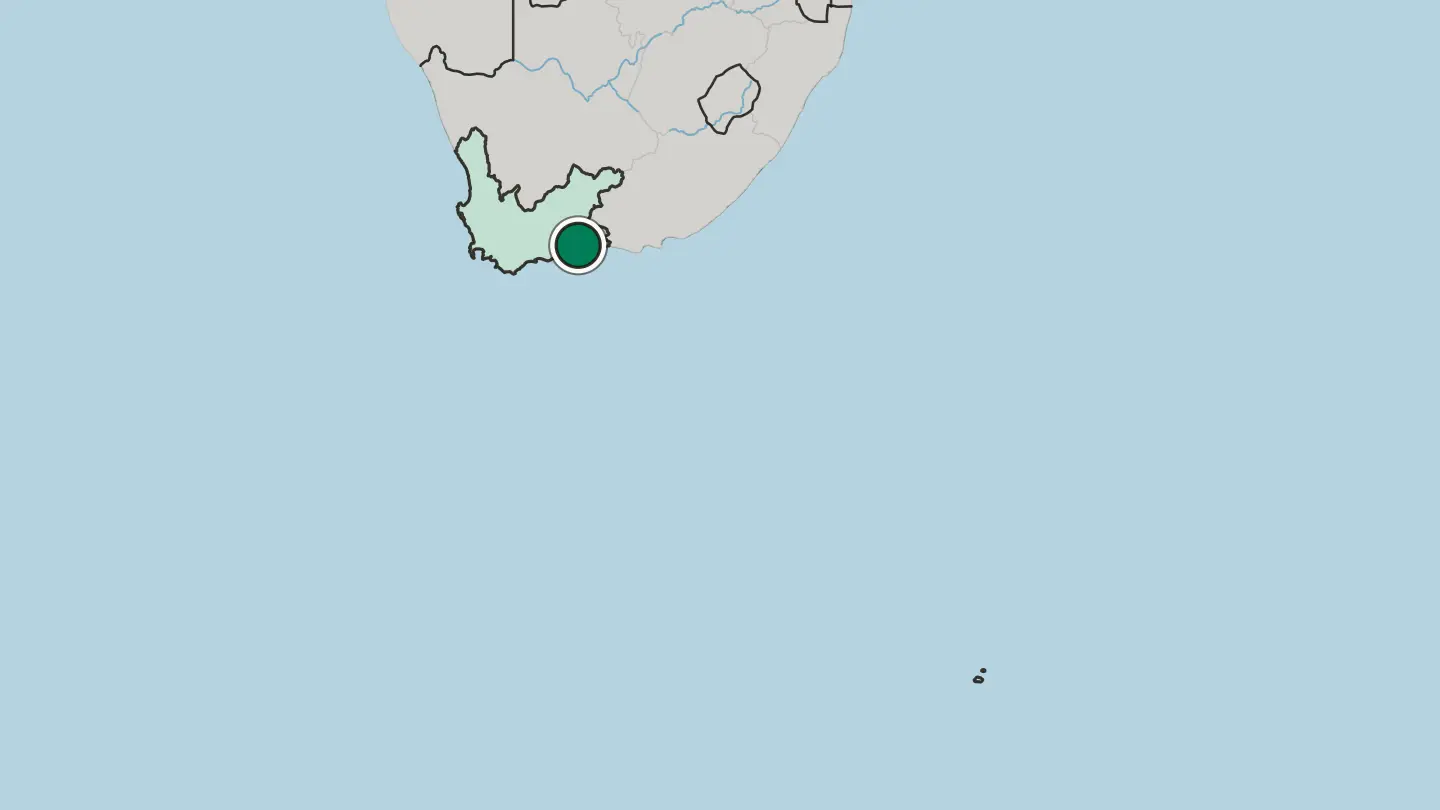
 South Africa
Worcester
Worcester is the largest town of the Western Cape interior, a Cape Winelands centre on the N1 north-east of Cape Town, founded in 1819.Where to stay →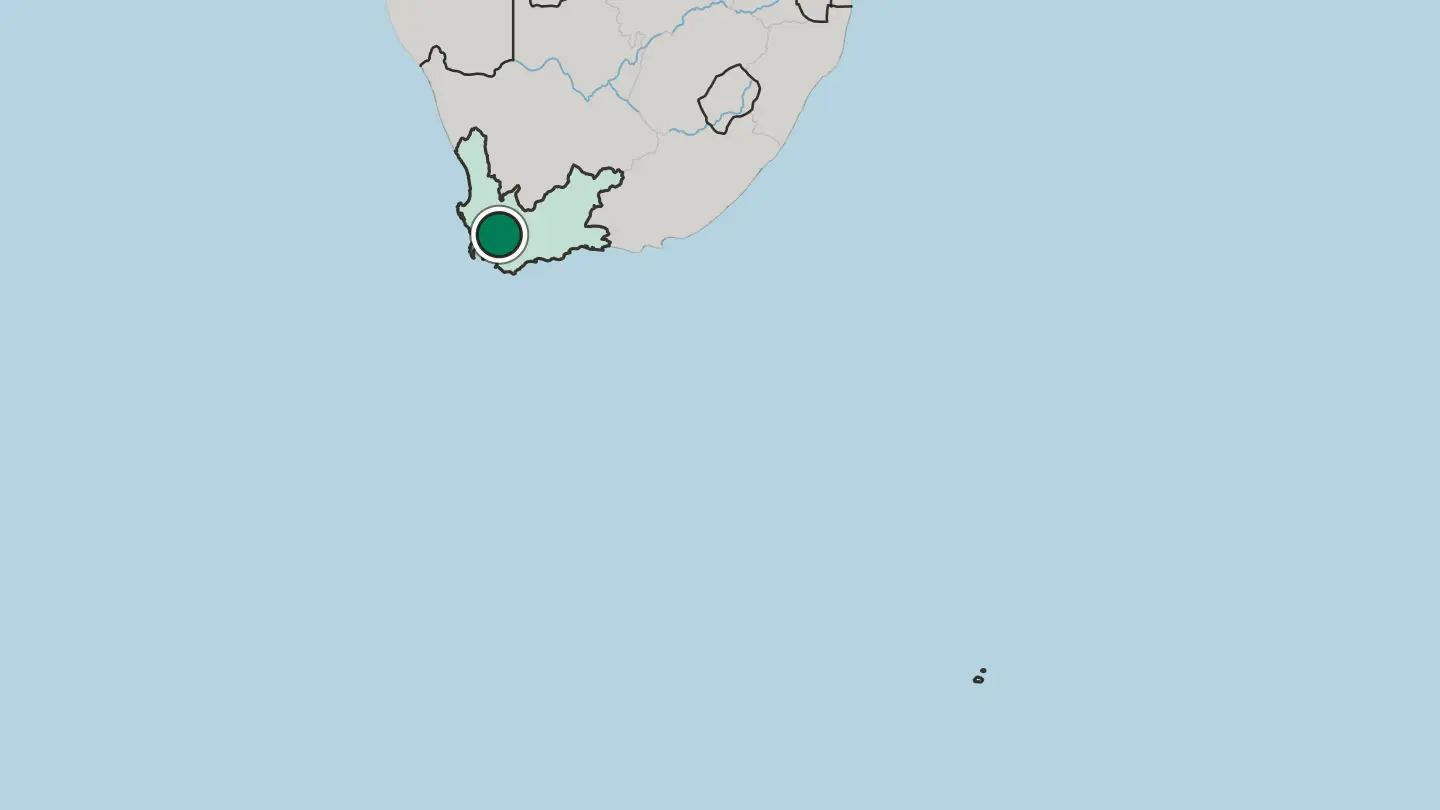
 South Africa
Stellenbosch
Stellenbosch stands on the Eerste River below Stellenbosch Mountain, the oak-lined heart of the Cape Winelands, laid out in 1679.Where to stay →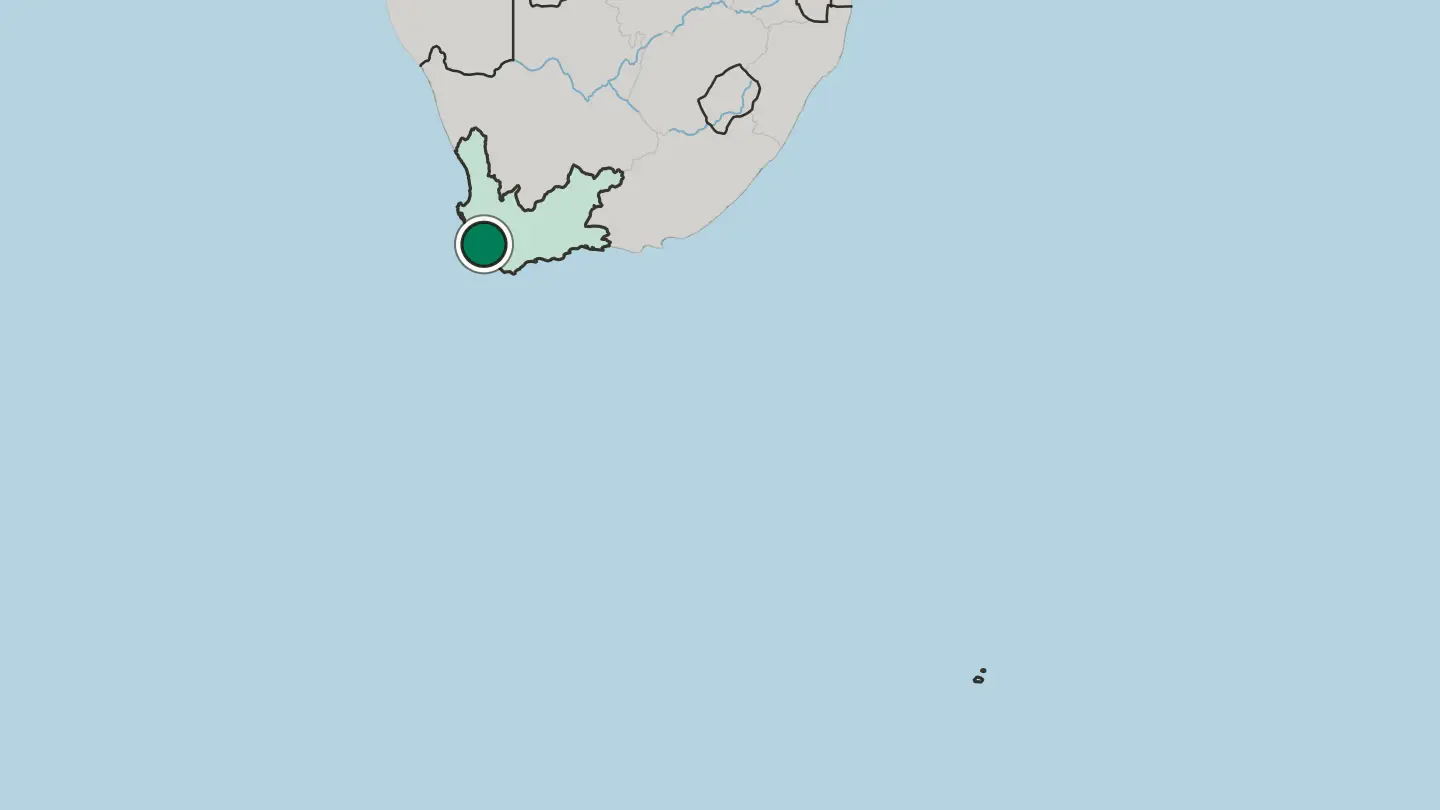
 South Africa
Mossel Bay
Mossel Bay is a harbour town on the Garden Route, its older streets facing north from the Cape St Blaize Peninsula toward the water.Where to stay →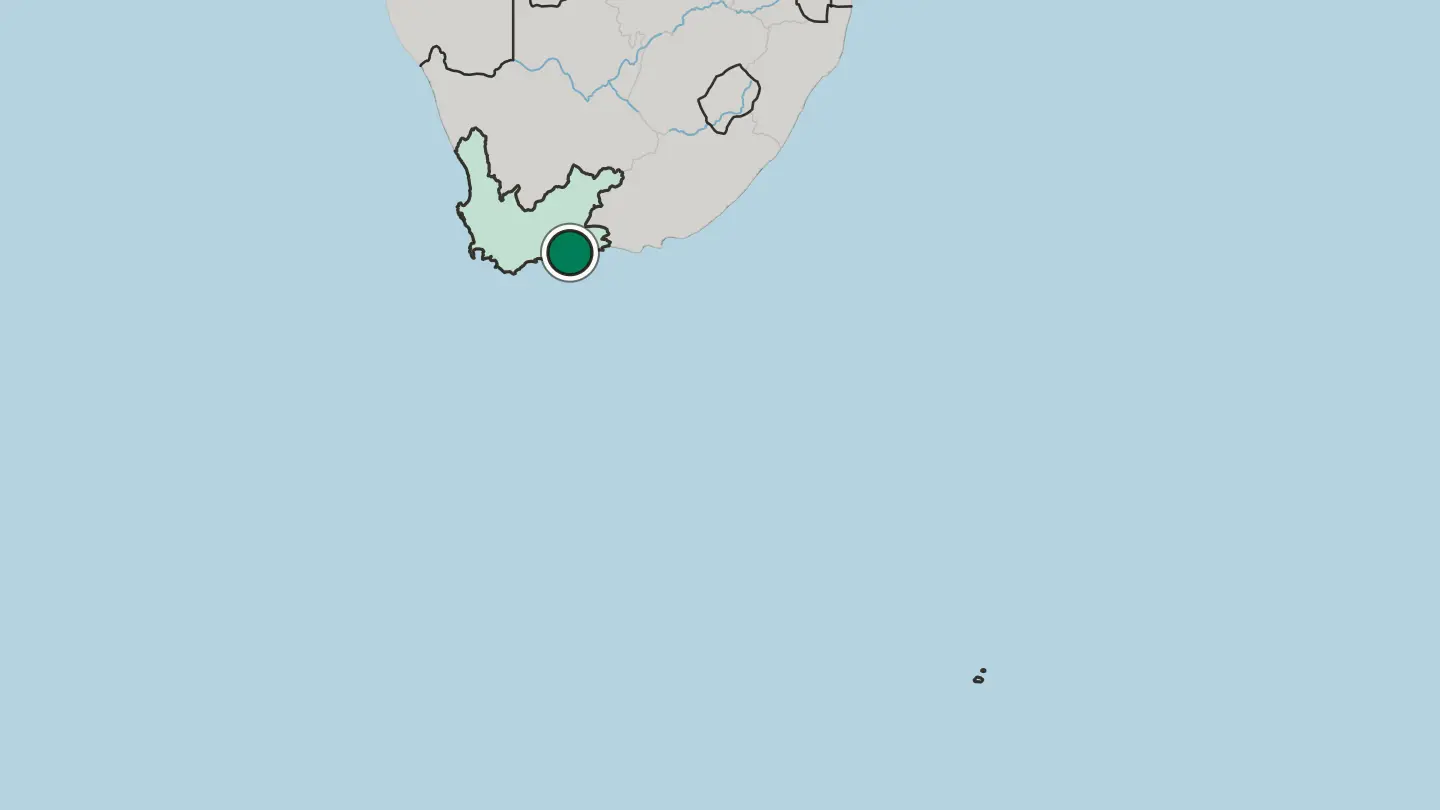
 South Africa
Oudtshoorn
Oudtshoorn is a Klein Karoo town of the Western Cape, founded in 1857 and known for ostrich farming, the Cango Caves and its feather-boom past.Where to stay →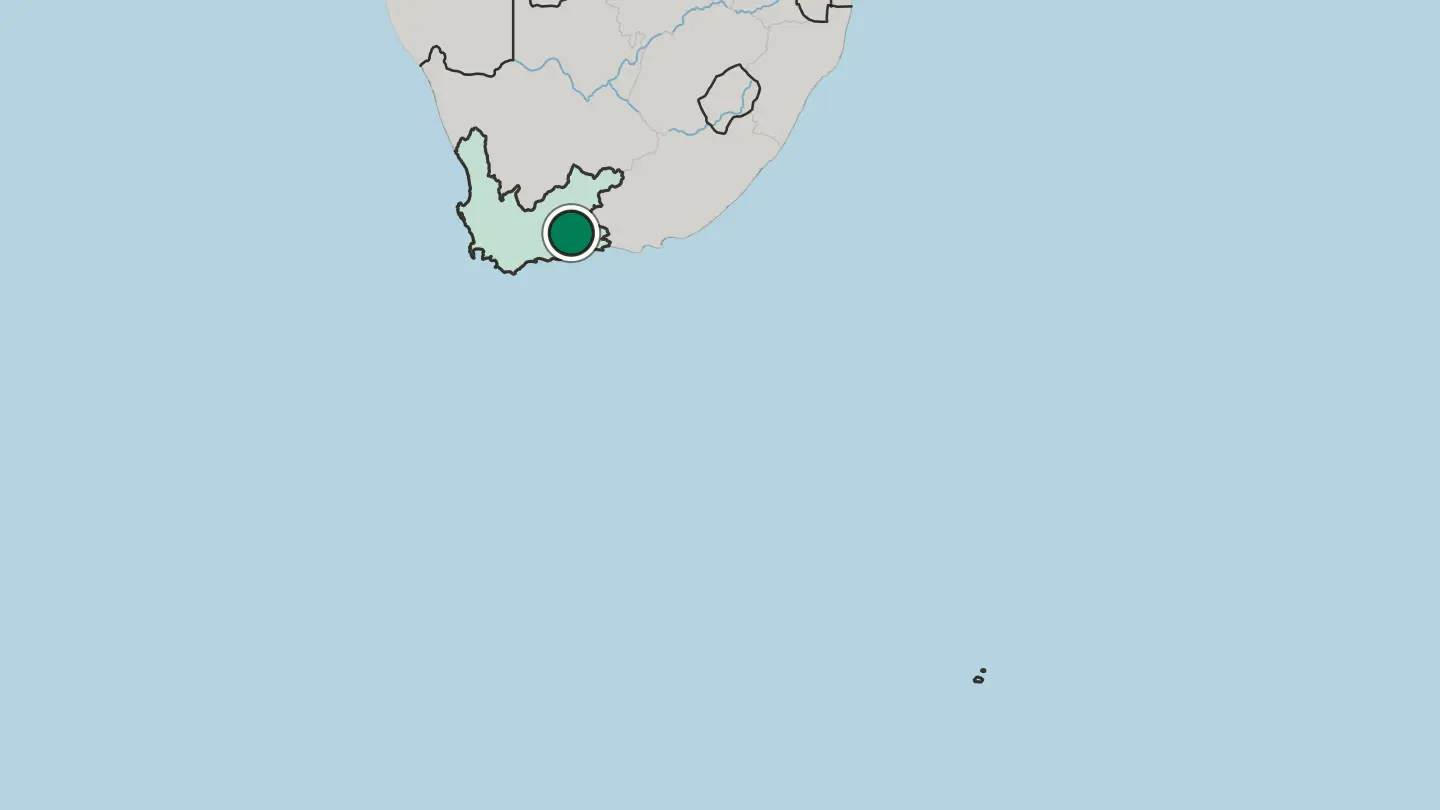
All towns & cities (10)
 South Africa
Knysna
Knysna sits on a tidal lagoon along the Garden Route, its opening to the Indian Ocean framed by the sandstone cliffs called the Knysna Heads.Where to stay →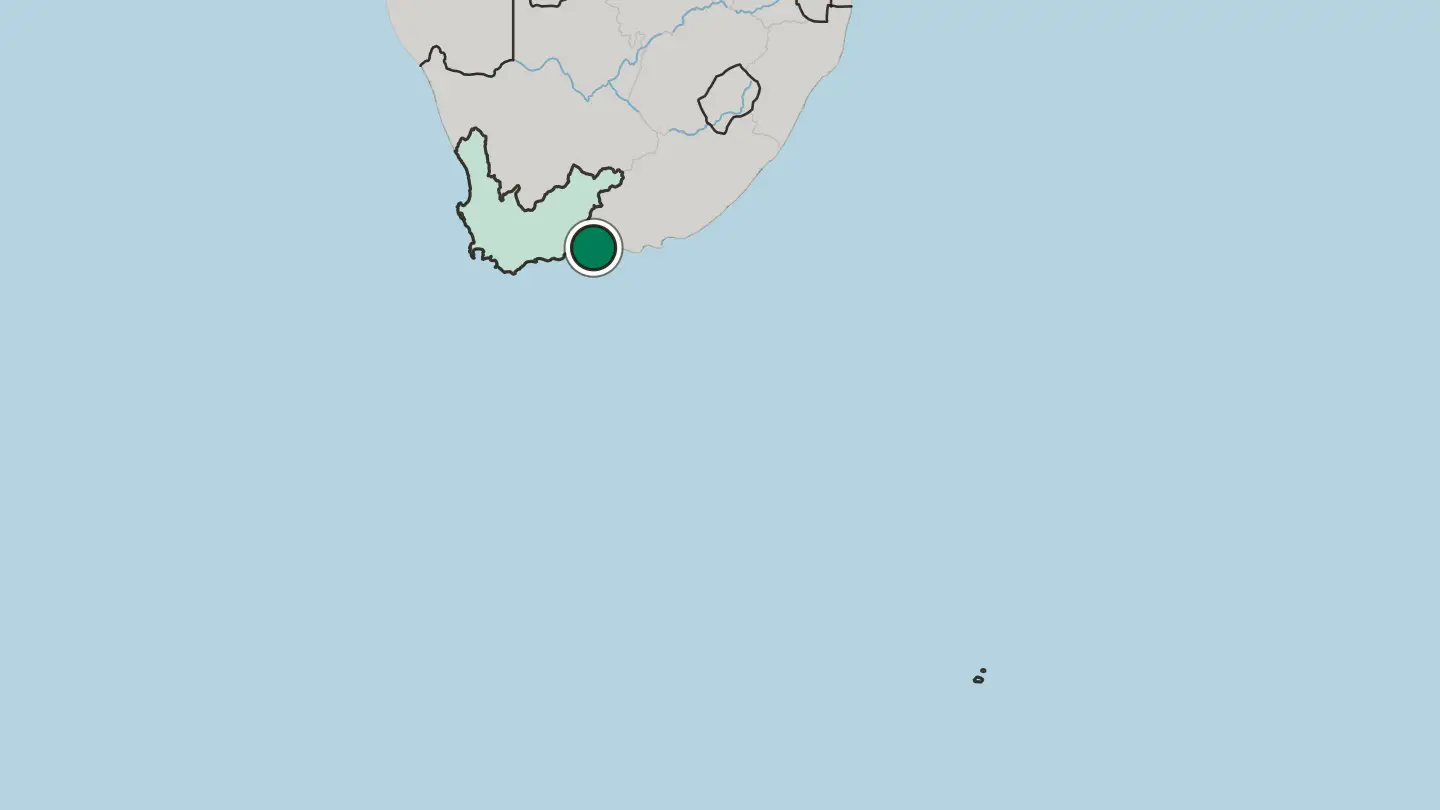
 South Africa
Hermanus
Hermanus is a Western Cape town on South Africa's southern coast, founded in 1891 and known for southern right whales watched from the shore.Where to stay →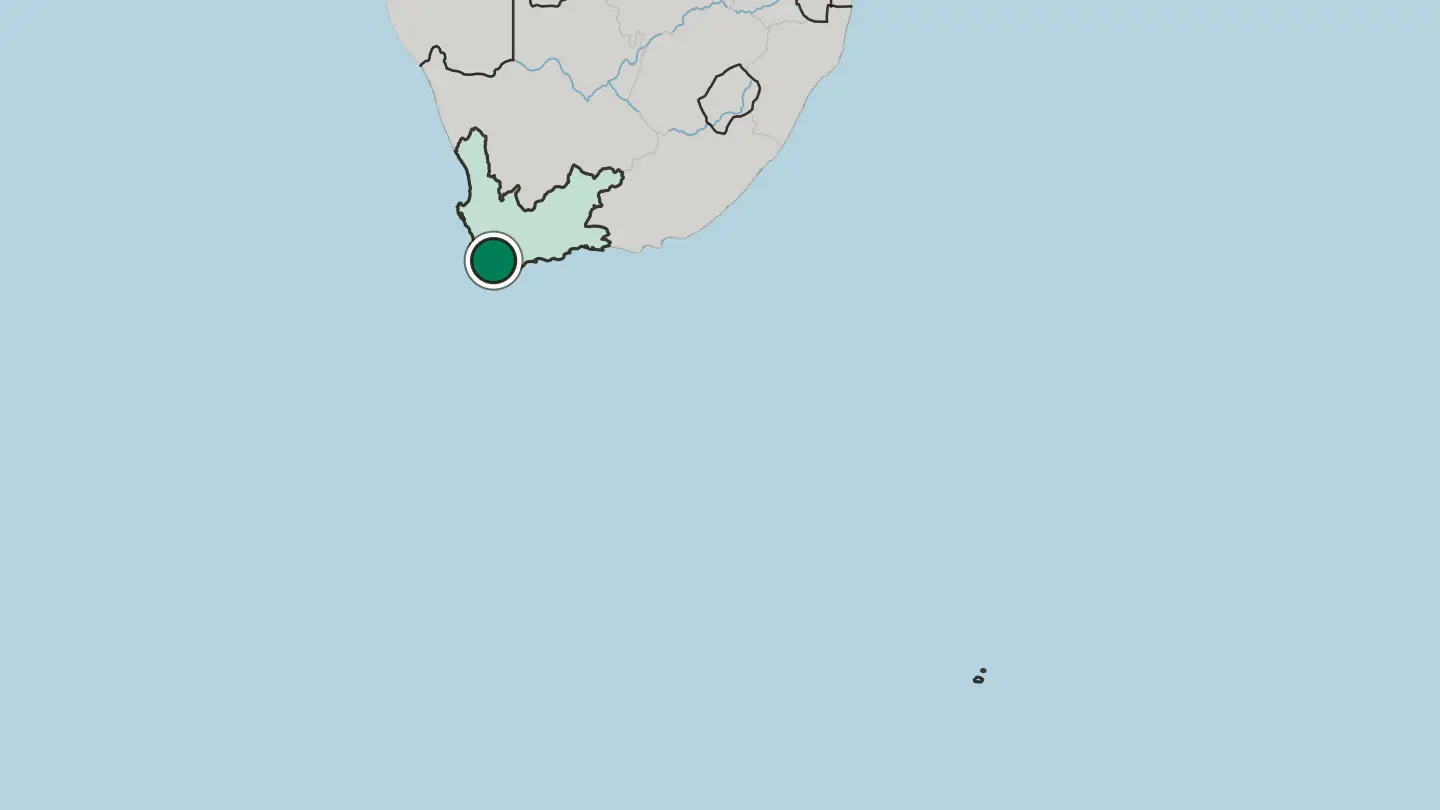
Hotel links are affiliate links: booking through them may earn us a commission, at no extra cost to you. It never affects how places are ranked. How this works
About Western Cape
Western Cape is known for its coast and its vineyards.
What is Western Cape known for?
Cape Town sits at the province's heart as its main city and the seat of the South African Parliament, set on a harbour near the Cape of Good Hope. Inland, the Cape Winelands spread across the valleys around Stellenbosch, Franschhoek, and Paarl, where wine estates work the valley slopes. Coast and wine set the province apart.
Where is Western Cape?
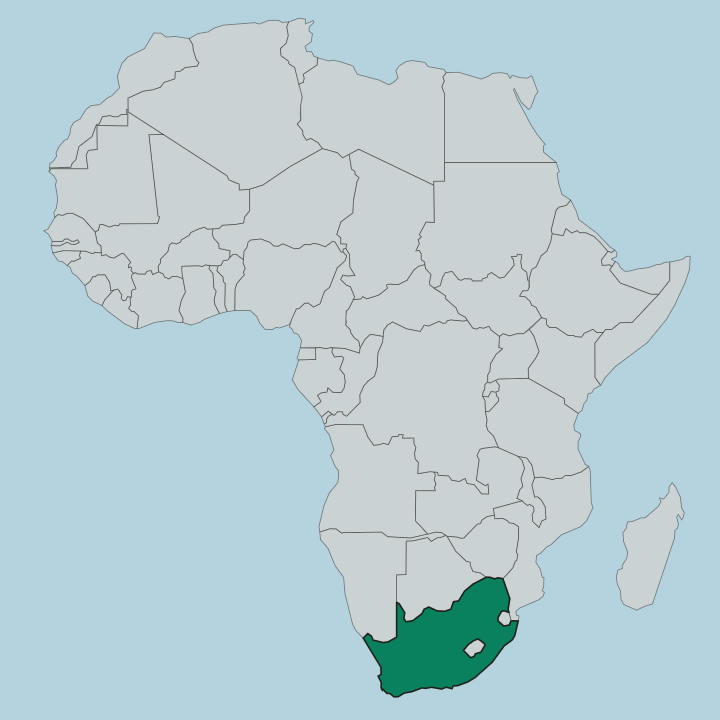
Western Cape lies at the southwestern end of South Africa, the fourth largest of the country's nine provinces by area. Its long edge is the sea. Cape Town grew on that coast near the Cape of Good Hope, and the province's Cape Agulhas is the continent's southernmost point.
The city sits on a sheltered harbour and spreads back from the water, the province's largest city. From the coast the province reaches inland across farmland and wine country. Inland the character shifts from sea to vine.
The Cape Winelands gather in the valleys around Stellenbosch, Franschhoek, and Paarl, a belt of estate towns and cultivated slopes set back from the coast within reach of Cape Town. Beyond them the province stretches on into open country toward its inland borders. Western Cape took its present shape in 1994, when South Africa redrew its internal map into nine provinces, and it remains distinct in feel from the interior provinces such as Gauteng.
Coast, harbour, and vineyard together give the province its outline. Cape Town, the seat of the South African Parliament, ties the whole province back to the sea.
What is Western Cape like?
Western Cape carries a culture shaped by sea and vine. Cape Town gives the province its cultural centre, a port city whose galleries, museums, and old churches gather the region's public life along the harbour. The province was an early centre of European settlement, and that long, layered past is written into its towns and place names.
Its story is not a simple one. Slavery, colonial rule, and later removals all left their mark on the Cape, and the province's museums keep that memory in plain view. Wine gives the province its other signature.
The Cape Winelands around Stellenbosch, Franschhoek, and Paarl grew estate by estate over centuries, and their harvests, cellars, and long lunches shape a food and drink culture that draws people inland from Cape Town. Language runs in many strands here, and Zulu is among the tongues spoken across the province alongside others. Festivals, markets, and the rhythm of the vineyards mark the year.
The Cape blends its maritime trade, its farming valleys, and its mixed inheritance into a way of life quite distinct from the mining provinces of the interior like Gauteng.
What is the history of Western Cape?
Western Cape holds deep colonial roots. Early European settlers built Cape Town where fresh water ran off Table Mountain, and the port and its hinterland were worked by enslaved and colonised people over the centuries that followed. Vineyards spread inland to Stellenbosch, Franschhoek, and Paarl as the colony expanded.
Wine came early. The Cape then passed through generations of successive colonial administrations before it was eventually folded into a single unified South Africa. Its modern boundaries were drawn in 1994, when the country reorganised into nine provinces.
What is the climate of Western Cape?
Western Cape sits in the subtropical band of the southern hemisphere. Its seasons run opposite to those north of the equator. The coast around Cape Town keeps the weather milder and steadier than the deep interior, with the sea tempering both the warm months and the cool ones.
Winds off the ocean are a constant. Inland, around the Cape Winelands, the air turns drier and the daily swing between heat and cool grows wider.
How do you get to Western Cape?
Western Cape is reached mainly through Cape Town. Most long-haul flights to the province land at the city's airport, and from there roads and rail run out along the coast and inland toward the Cape Winelands and the wider country. Cape Town also lies at the end of the long national route down from the interior.
Trains and coaches connect it to South Africa's other cities. Ships still call at its harbour.
Common questions
What is the best area to stay in Western Cape?
Cape Town: a first visit with sea and city together. Cape Winelands: vineyards and a slower pace.
More regions in South Africa
Updated October 2026