
South Africa · Western Cape
Where to Stay in George, Western Cape
George is a Western Cape city on South Africa's Garden Route, founded in 1811, named for George III and seat of the Garden Route District Municipality.
Hotel links are affiliate links: booking through them may earn us a commission, at no extra cost to you. It never affects how places are ranked. How this works


Where to stay in George
Where the beds are, and what that means for the visit.
George is a base, not a stop. Most people staying here are working the Garden Route, which means the practical question is whether a bed sits in the old centre near Moederkerk and St Mark's Cathedral or out toward the roads. The centre keeps the landmarks.
Moederkerk, St Mark's Cathedral and the Old Oak Slave Tree Memorial are the city's own named sights, so a central room covers them without a drive. The museum sits apart. Anyone here for the Outeniqua Transport Museum will want to check its position against the room before booking, since George spreads across roughly 77 square kilometres and not everything is within a walk.
Conferences bring their own logic. The city works as a conference centre as well as a holiday one, so beds near the commercial side of the Garden Route District Municipality's seat suit business trips better than the historic streets do. The route itself is the reason.
Staying in George rather than further along the Garden Route buys the administrative and commercial services of a Western Cape city, at the cost of being one drive removed from the smaller places on the road.
Find hotels in George
Direct booking searches for these neighbourhoods.
The old centre
The historic part of George, holding the churches of the 1811 town and the Old Oak Slave Tree MemorialFind hotels in The old centreVisitors coming mainly for the transport collection rather than the churchesThe museum side
The part of George nearest the Outeniqua Transport Museum, off the church quarterFind hotels in The museum sideTravellers using George as the working base for the whole districtThe Garden Route approach
The commercial edge of the Garden Route District Municipality's seat, nearest the road outFind hotels in The Garden Route approachHotel links are affiliate links: booking through them may earn us a commission, at no extra cost to you. It never affects how places are ranked. How this works
About George
The Garden Route runs through here.
What is George known for?
George serves as the administrative and commercial hub of the Garden Route District Municipality, and it is the main entry point travellers use for that stretch of the Western Cape. Holidays and conferences fill it. Moederkerk, St Mark's Cathedral, the Outeniqua Transport Museum and the Old Oak Slave Tree Memorial give the city its named places, and the 1811 founding sets it among the older towns of South Africa.
What are the main landmarks in George?
A visitor's list in George stops at four entries. Moederkerk and St Mark's Cathedral are the city's two named churches, the Outeniqua Transport Museum holds its collection, and the Old Oak Slave Tree Memorial marks a harder part of the past. The founding year is 1811.
George III gave the place its name, and the buildings that followed put a Western Cape city's civic and religious history into a compact set of addresses.
What is the history of George?
George dates from 1811. The town takes its name from George III, the British monarch of the day, which places its founding under British rule at the Cape. Its churches followed almost at once.
Moederkerk and St Mark's Cathedral both belong to that older layer of George, the kind of building a Western Cape town of the early nineteenth century raised and kept. Not all of that past is comfortable. The Old Oak Slave Tree Memorial stands in George as a public marker of slavery at the Cape, one of the four named sites the city carries.
Transport shaped the later town. The Outeniqua Transport Museum keeps that thread, and George's growth into the administrative and commercial hub of the Garden Route District Municipality followed the routes that reached it. The Garden Route made the difference.
That route through the Western Cape turned George from a colonial town into a holiday and conference centre, and the city now handles the business of the whole district around it. Two centuries separate 1811 from the modern city. What survives of the earlier town are its churches, its memorial and its name, all of them still in use across roughly 77 square kilometres of Western Cape ground.
Where is George?
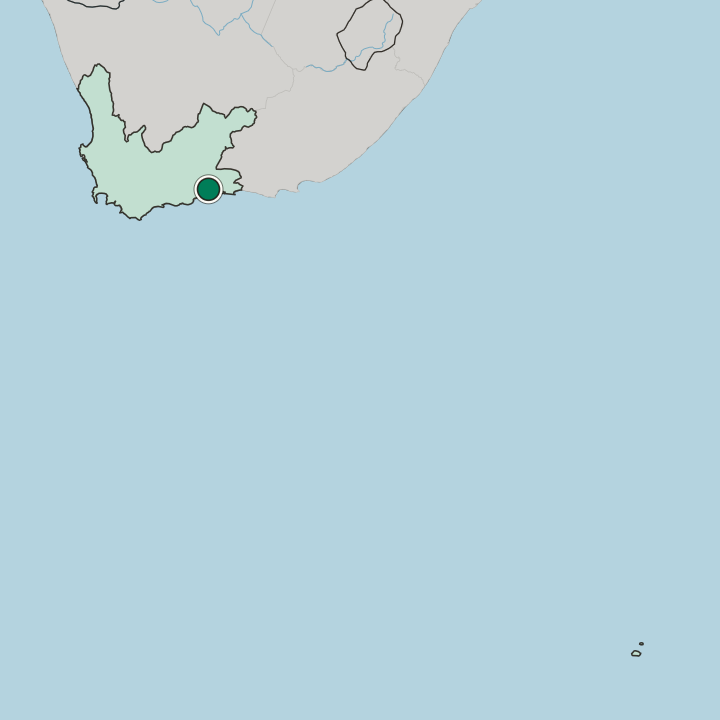
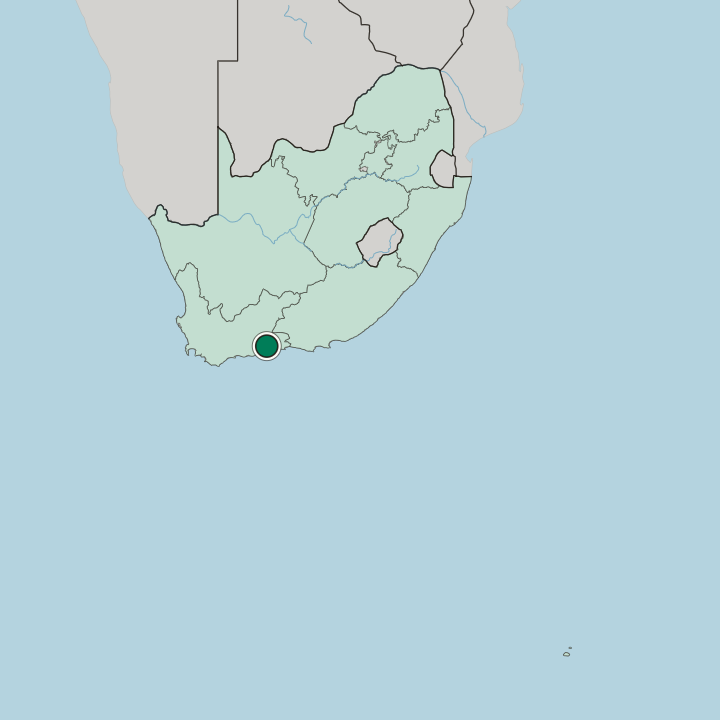
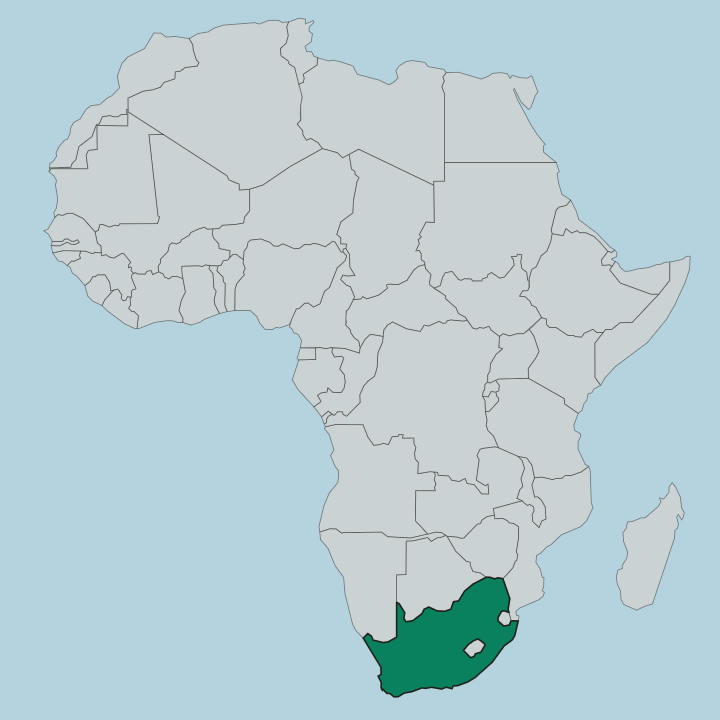
George holds a corner of the Western Cape. The city covers roughly 77 square kilometres of the Garden Route district, subtropical ground well south of the equator, and it is the seat from which that whole district is run. Roads define the position.
The Garden Route passes through George, which puts the city between the smaller places along that road and the wider Western Cape beyond them.
What is the climate of George?
The Western Cape sets the pattern. George lies in the subtropical band well south of the equator, so the year runs opposite to the northern one, with the warmest months falling around the turn of the calendar. The Garden Route stays green.
That district of the Western Cape is green enough to have taken its name from it, and the holiday trade that George handles follows from the same thing.
How do you get to George?
George is the way onto the Garden Route. Travellers heading for that stretch of the Western Cape come through the city first, since it holds the administrative and commercial services the smaller places along the road do not. Older routes have their own museum.
The Outeniqua Transport Museum records how George was reached before the modern road, and the Garden Route District Municipality's seat still functions as the arrival point for the whole district.
Common questions
What is the best area to stay in George?
The old centre: Stays that put Moederkerk and St Mark's Cathedral within a walk. The museum side: Visitors coming mainly for the transport collection rather than the churches. The Garden Route approach: Travellers using George as the working base for the whole district.
Good for
More cities in Western Cape
Updated September 2026