South Africa · Western Cape
Where to Stay in Oudtshoorn, Western Cape
Oudtshoorn is a Klein Karoo town of the Western Cape, founded in 1857 and known for ostrich farming, the Cango Caves and its feather-boom past.
Hotel links are affiliate links: booking through them may earn us a commission, at no extra cost to you. It never affects how places are ranked. How this works


Where to stay in Oudtshoorn
Where visitors usually base themselves, and why.
Two errands pull in opposite directions. The Cango Caves and the Cango Wildlife Ranch lie out toward the Swartberg mountains north of the town, while the CP Nel Museum and St Jude's Church stand in the streets of Oudtshoorn itself, and a room booked without settling that question costs a drive each way. The place is not large.
Roughly 37 square kilometres hold the built part, so nothing central is far from anything else central. Ostrich farms change the arithmetic again. The Safari Show Farm and the Highgate Ostrich Show Farm are among the specialised breeding operations spread across the Klein Karoo, which makes a farm-focused stay easier from the edge of Oudtshoorn than from its middle.
Mountains bracket everything. The Swartberg mountains stand to the north and the Outeniqua Mountains to the south, so each approach and each excursion runs past one range or the other, and that is worth knowing before a bed is booked on the wrong side of town. The Klein Karoo is the wider setting, and a room anywhere in Oudtshoorn sits inside it.
Find hotels in Oudtshoorn
Direct booking searches for these neighbourhoods.
The Cango Caves road
The northern edge of Oudtshoorn, facing the Swartberg mountains and the run up to the cave systemFind hotels in The Cango Caves roadStays within walking reach of St Jude's Church and the CP Nel MuseumThe centre by St Jude's
The old core of Oudtshoorn, where the feather-boom town and its museum collection still standFind hotels in The centre by St Jude'sVisits built around the Safari Show Farm and the Highgate Ostrich Show FarmThe show-farm belt
The Klein Karoo farmland around Oudtshoorn where the specialised ostrich breeding farms workFind hotels in The show-farm beltHotel links are affiliate links: booking through them may earn us a commission, at no extra cost to you. It never affects how places are ranked. How this works
About Oudtshoorn
What is Oudtshoorn known for?
Ostriches made this town's name. Oudtshoorn is called the ostrich capital of the world, and the specialised breeding farms around it, among them the Safari Show Farm and the Highgate Ostrich Show Farm, keep that description literal rather than promotional. The Cango Caves draw a second kind of visitor.
Tourism and ostrich farming carry the local economy between them, and the CP Nel Museum holds the record of the feather booms that first made this corner of the Western Cape wealthy.
What are the main landmarks in Oudtshoorn?
The Cango Caves come first. That cave system north of Oudtshoorn is the best-known feature of the district, and the Cango Wildlife Ranch close by turns the same outing into two stops without much driving between them. In town, the CP Nel Museum keeps the feather-boom record.
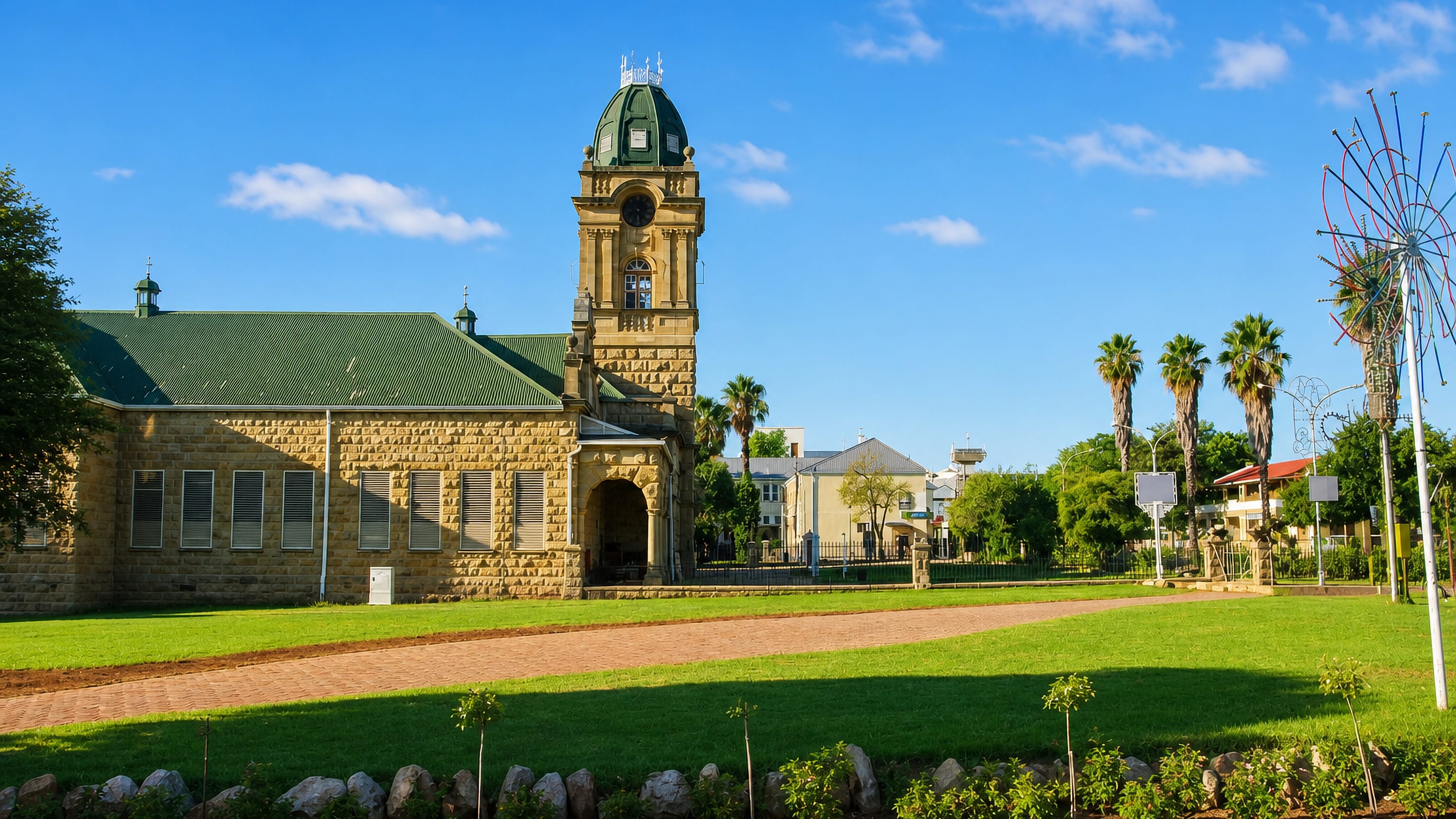
St Jude's Church stands a short way from it, and the two together are the centre's own sights, apart from the caves and the ranch outside it.
What is the history of Oudtshoorn?
The town dates from 1857. Ostrich feathers made its fortune twice after that, first in the years from 1865 to 1870 and again between 1900 and 1914, and those two booms are why a small settlement became the largest town of the Klein Karoo. Both ended.
What remained was a farming district of the Western Cape that had learned to raise ostriches at a scale nowhere else matched, which is the trade Oudtshoorn still runs on alongside tourism. The CP Nel Museum holds that record. Its collection documents the feather years, and a visitor working through it comes out with the sequence of dates that shaped everything standing outside the door.
Mountains fixed the setting long before. The Swartberg mountains and the Outeniqua Mountains framed the Klein Karoo that the founders of 1857 settled into, and the Cango Caves in the same hills predate every part of that story. Tourism arrived last.
It shares the economy with ostrich farming, and the Cango Wildlife Ranch, the show farms and the caves are what that trade is built on, which is a different living from the one the feather booms once provided.
Where is Oudtshoorn?
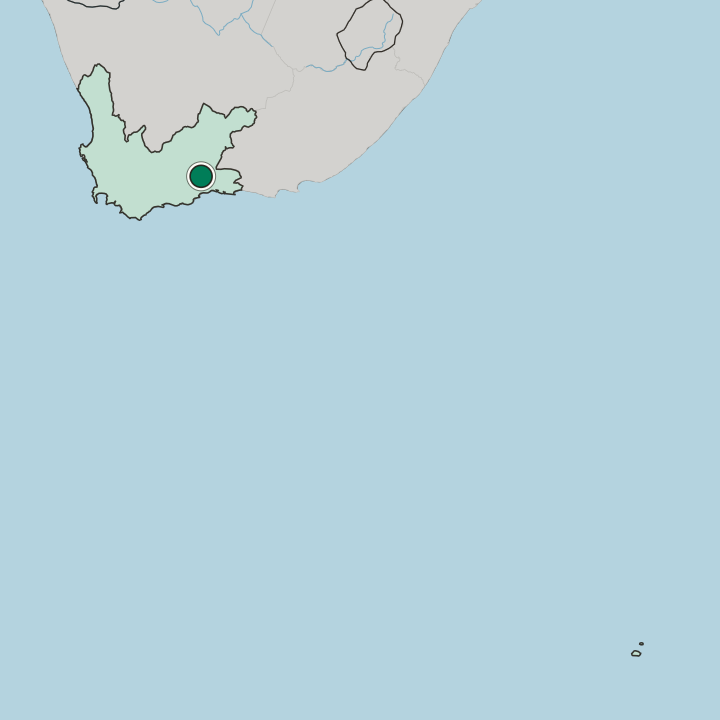
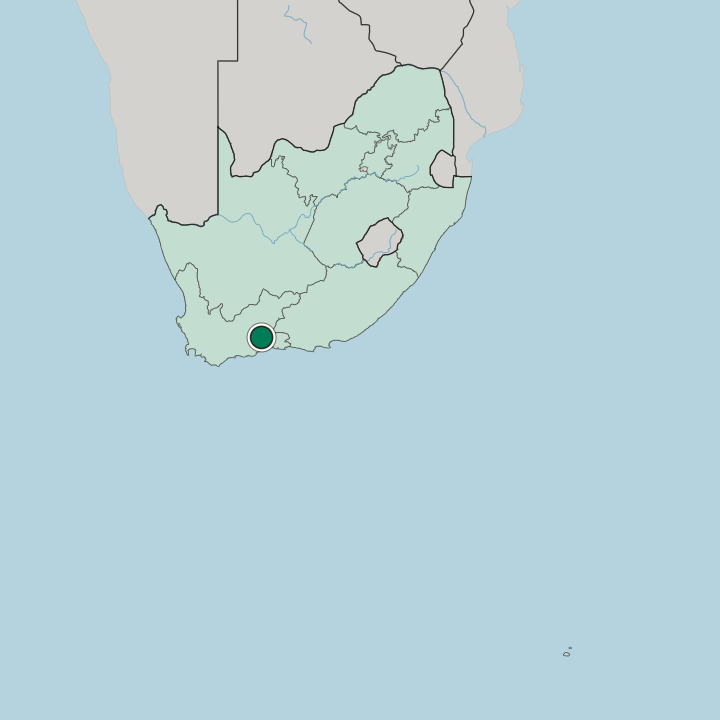
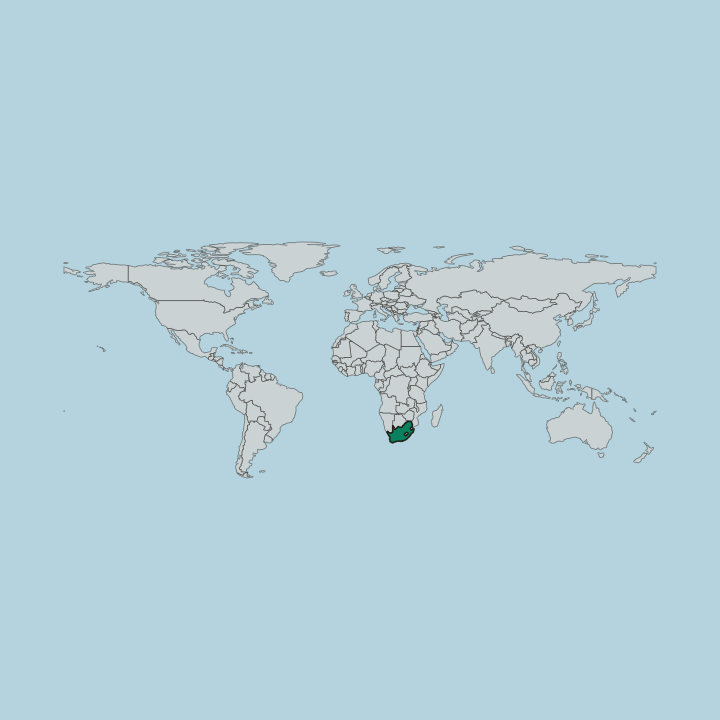
Mountains close both sides. Oudtshoorn lies between the Swartberg mountains to the north and the Outeniqua Mountains to the south, on the floor of the Klein Karoo in the Western Cape province of South Africa. The built town covers roughly 37 square kilometres.
The Cango Caves lie in the hills past that edge, which puts the district's best-known feature outside the place it belongs to.
What is the climate of Oudtshoorn?
The Swartberg mountains to the north and the Outeniqua Mountains to the south hold Oudtshoorn between them, and that enclosure, rather than any coast, is what shapes the weather a visitor meets in the Klein Karoo. The calendar runs southern. Warm months fall around the turn of the year and cooler ones through its middle, so a trip to the Cango Caves or the ostrich show farms is best planned against a southern hemisphere year.
How do you get to Oudtshoorn?
The mountains set the approaches. Anything arriving at Oudtshoorn comes past the Swartberg mountains or the Outeniqua Mountains, since the town sits between the two ranges on the Klein Karoo floor rather than on any coast of the Western Cape. The Cango Caves are a short run out.
The Cango Wildlife Ranch sits on the same side. Getting to the Safari Show Farm or the Highgate Ostrich Show Farm is likewise a matter of leaving the built ground, not of leaving the district.
Common questions
What is the best area to stay in Oudtshoorn?
The Cango Caves road: Early starts for the Cango Caves and the Cango Wildlife Ranch. The centre by St Jude's: Stays within walking reach of St Jude's Church and the CP Nel Museum. The show-farm belt: Visits built around the Safari Show Farm and the Highgate Ostrich Show Farm.
Good for
More cities in Western Cape
Updated September 2026