South Africa · Western Cape
Where to Stay in Worcester, Western Cape
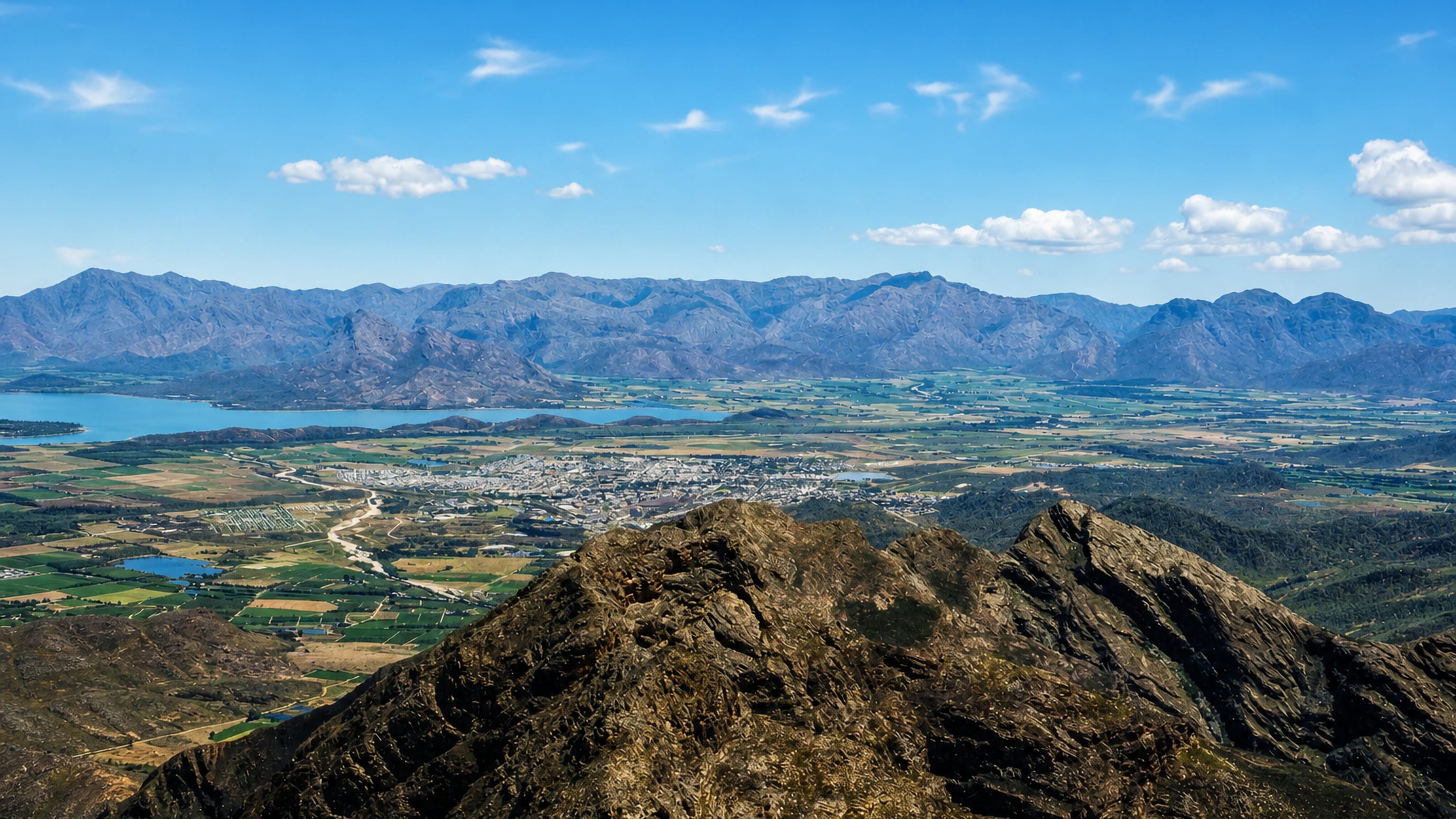
Worcester is the largest town of the Western Cape interior, a Cape Winelands centre on the N1 north-east of Cape Town, founded in 1819.
Hotel links are affiliate links: booking through them may earn us a commission, at no extra cost to you. It never affects how places are ranked. How this works


Where to stay in Worcester
Where visitors usually base themselves, and why.
Most beds here are working beds. Worcester is the commercial centre of the Western Cape interior, so its rooms fill with people doing business at the shopping mall and the central business district rather than with holidaymakers, and that shapes what can be booked. The N1 explains the rest.
The highway passes the town on its way north to Johannesburg, which makes Worcester a natural overnight break for anyone driving out of Cape Town. Choosing a side matters more than choosing a rate. A room near the N1 suits a driver leaving early, while one near the Church of St James the Great puts the older part of the town within walking distance, and the roughly 73 square kilometres the place covers keep those two options genuinely apart.
The Cape Winelands surround it. Vineyard country runs up to the edge of the built area, so a stay can be pointed at the wine districts as readily as at the shops, though the town itself is the interior's trading centre first. Distance from Cape Town settles the rest.
At about 120 kilometres out, Worcester is close enough to reach in a morning and far enough to count as a separate stop rather than a suburb.
Find hotels in Worcester
Direct booking searches for these neighbourhoods.
The N1 side
The highway edge of Worcester, where the N1 passes the town on its way northFind hotels in The N1 sideWork trips built around the shopping mall and the interior's trading floorThe central business district
The commercial core of Worcester, the largest such district anywhere in the Western Cape interiorFind hotels in The central business districtStays within walking reach of the Church of St James the GreatAround St James the Great
The older streets of Worcester nearest its one listed church, off the highway side of townFind hotels in Around St James the GreatHotel links are affiliate links: booking through them may earn us a commission, at no extra cost to you. It never affects how places are ranked. How this works
About Worcester
Retail runs this town.
What is Worcester known for?
Worcester serves as the commercial hub of the Western Cape interior, handling the distribution and retail trade of that region from a developed central business district and a shopping mall. The Church of St James the Great is its listed building. Its size within the interior does more for the town than any scenery, and the Cape Winelands are the wider frame rather than the daily business of the place.
What are the main landmarks in Worcester?
The Church of St James the Great is the single listed building the town carries, which makes it the fixed point in a place better known for its shopping mall than for its monuments. Trade fills the rest. Worcester's central business district and its retail floor are what the Western Cape interior actually comes here for, and the Cape Winelands beyond the built edge supply the scenery the streets do not.
What is the history of Worcester?
The town dates from 1819. That founding puts Worcester among the older settlements of the Western Cape, established inland at a time when reaching it from Cape Town meant a journey rather than a drive of 120 kilometres. Distance was the whole problem.
Whatever the interior needed had to be carried inland, and a town of this position ended up doing that supplying for the region around it. The Church of St James the Great belongs to the older layer. It is the listed building kept from the period before any shopping mall or central business district existed, and it stands as the physical reminder of a nineteenth century founding.
Roads changed the balance. The N1 running north to Johannesburg turned Worcester from an isolated interior town into a place on the main line of travel through South Africa, and the commercial role it plays across the region follows directly from that position. The Cape Winelands were always there.
Vines have surrounded the town throughout, but what made Worcester the largest town of the Western Cape interior was trade rather than farming.
Where is Worcester?
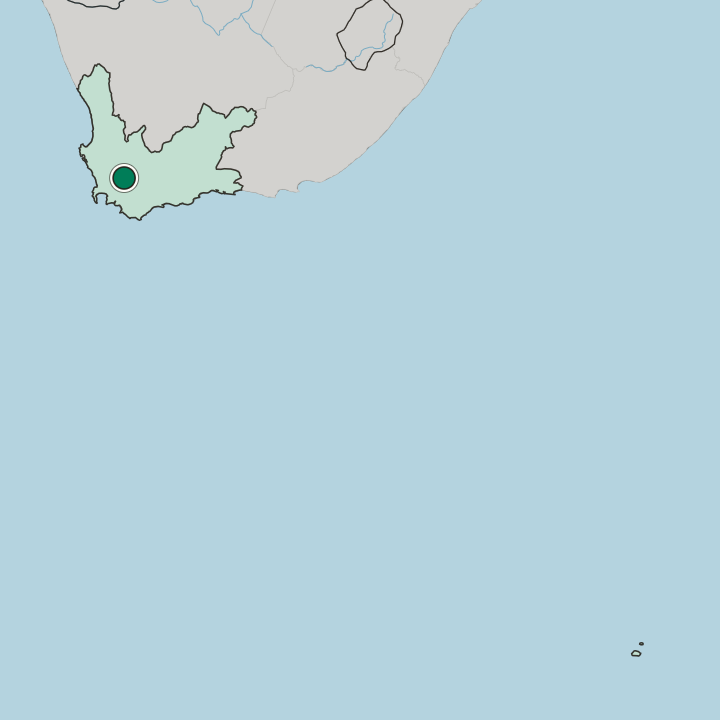
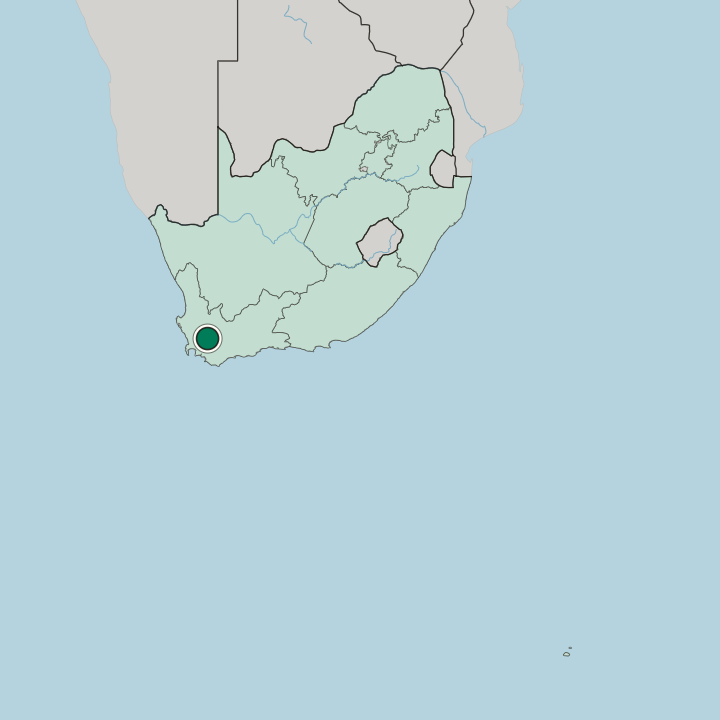
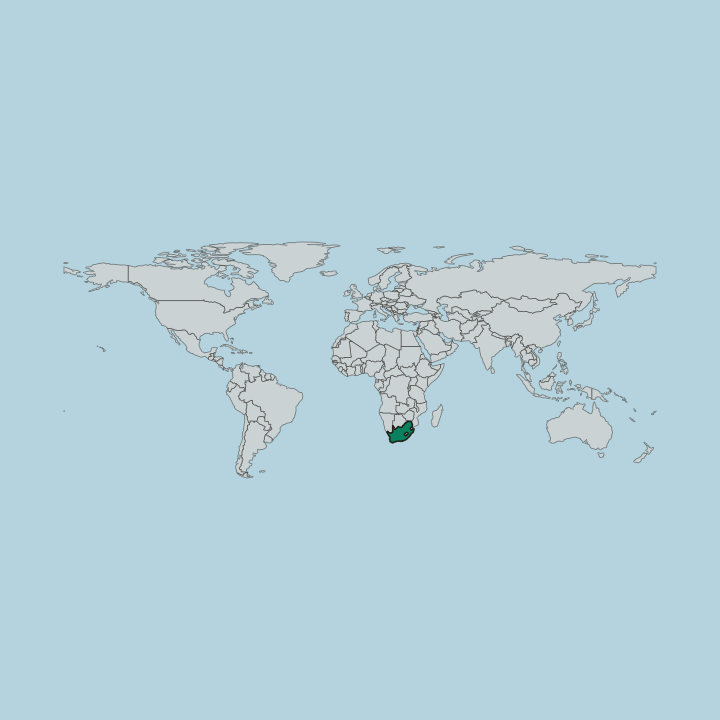
Worcester lies well back from the sea. The town covers roughly 73 square kilometres in the Cape Winelands, about 120 kilometres north-east of Cape Town, which places it in the interior of the Western Cape rather than anywhere near a coast. The N1 crosses that ground.
Its route north toward Johannesburg gives the region its main line of movement, and the Church of St James the Great marks the older centre the road runs past.
What is the climate of Worcester?
Interior air rather than sea air governs Worcester, since the town lies well inland from Cape Town in the interior of the Western Cape, and that inland position rather than any coastline is what a visitor feels. The calendar is reversed. Warm months gather at the ends of the year and cool ones through its middle, so a trip across the Cape Winelands or up the N1 is planned against a southern hemisphere season.
How do you get to Worcester?
The N1 does the work. Worcester stands about 120 kilometres north-east of Cape Town on the highway that carries on north to Johannesburg, which makes it one of the easiest interior towns of the Western Cape to reach without changing roads. Arrival by car is the norm.
Once here, the shopping mall and the Church of St James the Great both sit inside roughly 73 square kilometres of town.
Common questions
What is the best area to stay in Worcester?
The N1 side: Overnight stops breaking the N1 run between Cape Town and Johannesburg. The central business district: Work trips built around the shopping mall and the interior's trading floor. Around St James the Great: Stays within walking reach of the Church of St James the Great.
Good for
More cities in Western Cape
Updated September 2026