South Africa · Western Cape
Where to Stay in Knysna, Western Cape
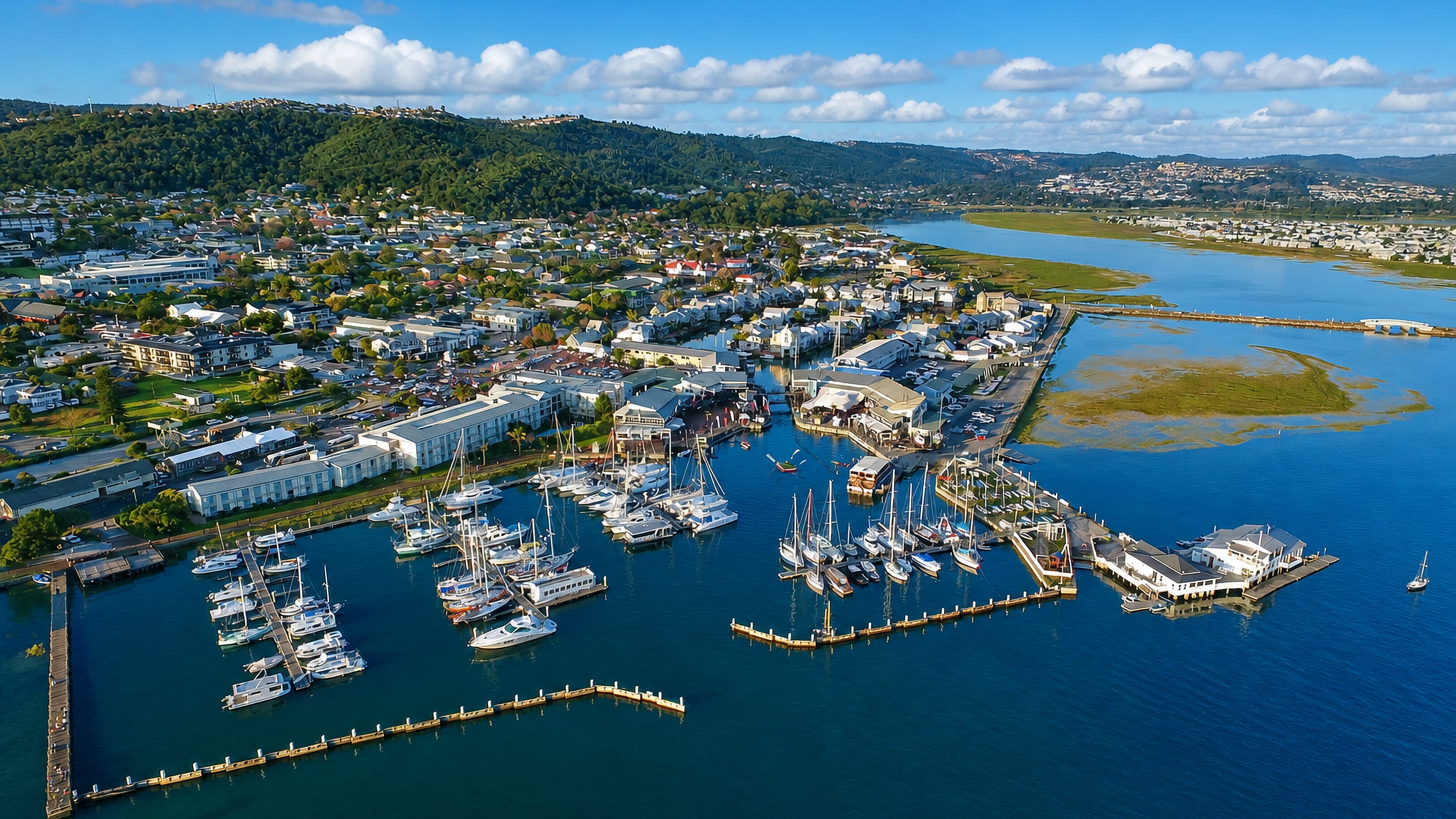
Knysna sits on a tidal lagoon along the Garden Route, its opening to the Indian Ocean framed by the sandstone cliffs called the Knysna Heads.
Hotel links are affiliate links: booking through them may earn us a commission, at no extra cost to you. It never affects how places are ranked. How this works


Where to stay in Knysna
How the choice of base plays out on the ground.
Knysna keeps its beds close to the water. The waterfront at the foot of the town puts the oyster tables, the craft shops, and the boats for the Featherbed Nature Reserve within a short walk of one another, which suits anyone whose days will start on the lagoon. Nothing in the town centre is far from the estuary edge, so the difference between one street and the next comes down to whether the window faces the water.
Traffic on the Garden Route passes through. Rooms on the main road trade quiet for the convenience of leaving early toward George or Plettenberg Bay. The Knysna Heads are the other choice.
Out by the channel the lanes climb to lookouts over the water, and a room there trades the walk into town for the sound of the Indian Ocean coming through the gap. Belvidere is the quieter address. Holy Trinity Church stands there, and a stay on that part of the lagoon trades walking distance to the waterfront for a slower stretch of shoreline.
The inland edge of town backs onto the indigenous forest that runs toward Tsitsikamma National Park. Beds fill fastest along the water.
Find hotels in Knysna
Direct booking searches for these neighbourhoods.
The Knysna waterfront
The quays for the Featherbed Nature Reserve crossing sit at the foot of the townFind hotels in The Knysna waterfrontRooms wanting the sea channel rather than the waterfrontBy the Knysna Heads
Lookouts over the gap where the Indian Ocean enters the estuary. Lodging is scarce in this area; reserve in advance.Find hotels in By the Knysna HeadsA slower shoreline within reach of the Garden Route roadBelvidere
Holy Trinity Church sets the pace on that reach of the lagoon. Few places to stay nearby — book ahead.Find hotels in BelvidereHotel links are affiliate links: booking through them may earn us a commission, at no extra cost to you. It never affects how places are ranked. How this works
About Knysna
Oysters made the name.
What is Knysna known for?
Knysna draws travellers off the Garden Route for the lagoon, the indigenous forest that reaches toward Tsitsikamma National Park, and a seafood table built on the beds inside the estuary. Marked paths climb one of the Knysna Heads inside the Featherbed Nature Reserve, reached by boat from the waterfront. Craft studios and adventure operators work the town, and canopy gliding, kloofing, and abseiling run from the forest above it.
Green holds through the year.
What are the main landmarks in Knysna?
Two headlands guard the entrance. The Knysna Heads rise on either side of the channel, and the Featherbed Nature Reserve occupies one of them, reached by boat from the waterfront and walked on marked paths above the water. Holy Trinity Church at Belvidere, on the lagoon shore, is the second landmark visitors are sent to find.
Forest trails start above the town and reach toward Tsitsikamma National Park. The lagoon carries the rest.
What is the history of Knysna?
Knysna was founded in 1871. The lagoon behind the Heads gave the settlement a sheltered tidal basin with a single narrow sea entrance, a rare thing on the South African coast. Ships had to thread that gap.
The Holy Trinity Church at Belvidere, a small church on the lagoon shore, is the piece of built heritage the town is known by. Belvidere and the modern town face each other over the same sheet of water. Little of the early port survives in plain sight, though the shape of the settlement has not changed, a town facing a lagoon it can leave only through one narrow gap.
Forest shaped the rest. The indigenous woodland that runs from the slopes above the town toward Tsitsikamma National Park hemmed the settlement in against the lagoon, with the Outeniqua Mountains standing behind it. Oyster beds in the estuary gave the town a second reputation.
Roads along the coast eventually tied it to George in one direction and Plettenberg Bay in the other, and the through route between them became the Garden Route. Craft workshops and boat operators followed the traffic. Visitors have come for both since.
Where is Knysna?
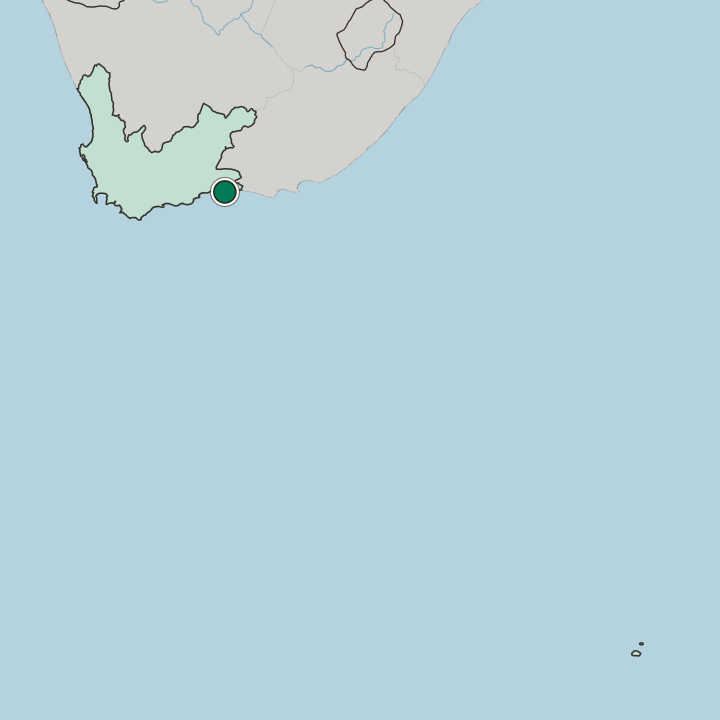
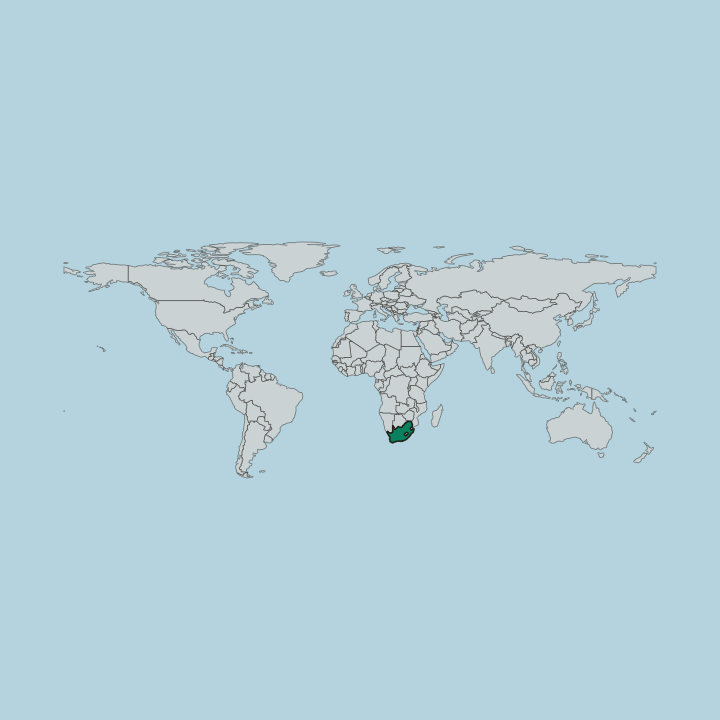
Water comes first here. The Knysna River widens into a broad tidal lagoon behind the town, and the only way out to the Indian Ocean is the narrow channel between the two sandstone bluffs called the Knysna Heads. Behind the town the ground climbs into indigenous forest, which continues toward Tsitsikamma National Park, while the Outeniqua Mountains close off the interior of the Western Cape.
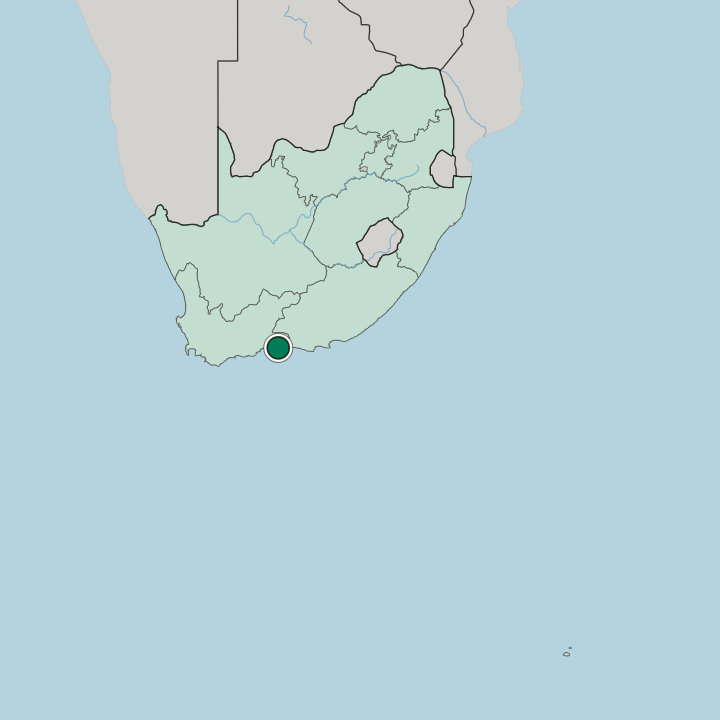
Belvidere sits on the lagoon shore. This is the Garden Route coast of South Africa, and the town stands between George and Plettenberg Bay.
What is the climate of Knysna?
The Indian Ocean sets the terms. Rain reaches Knysna in every month rather than in one season, which is why the forest between the town and the Outeniqua Mountains stays green from one year into the next. Sea air keeps the range between warm and cool narrow along the whole Garden Route, so neither half of the southern year turns extreme here.
Mist drifts off the lagoon.
How do you get to Knysna?
The Garden Route runs straight through. Most arrivals come by car along the coast, since the road links George and Plettenberg Bay with Knysna between them. Behind the town the Outeniqua Mountains close the inland side, which pushes the through traffic onto the coastal strip and keeps every approach on the same narrow line of the Western Cape.
Catamarans work the lagoon. Boat operators run the crossing from the waterfront quays to the Featherbed Nature Reserve, which is the only comfortable way onto that shore.
Common questions
What is the best area to stay in Knysna?
The Knysna waterfront: Days that begin on the lagoon with oysters and a boat. By the Knysna Heads: Rooms wanting the sea channel rather than the waterfront. Belvidere: A slower shoreline within reach of the Garden Route road.
Good for
More cities in Western Cape
Updated September 2026