South Africa · Western Cape
Where to Stay in Stellenbosch, Western Cape
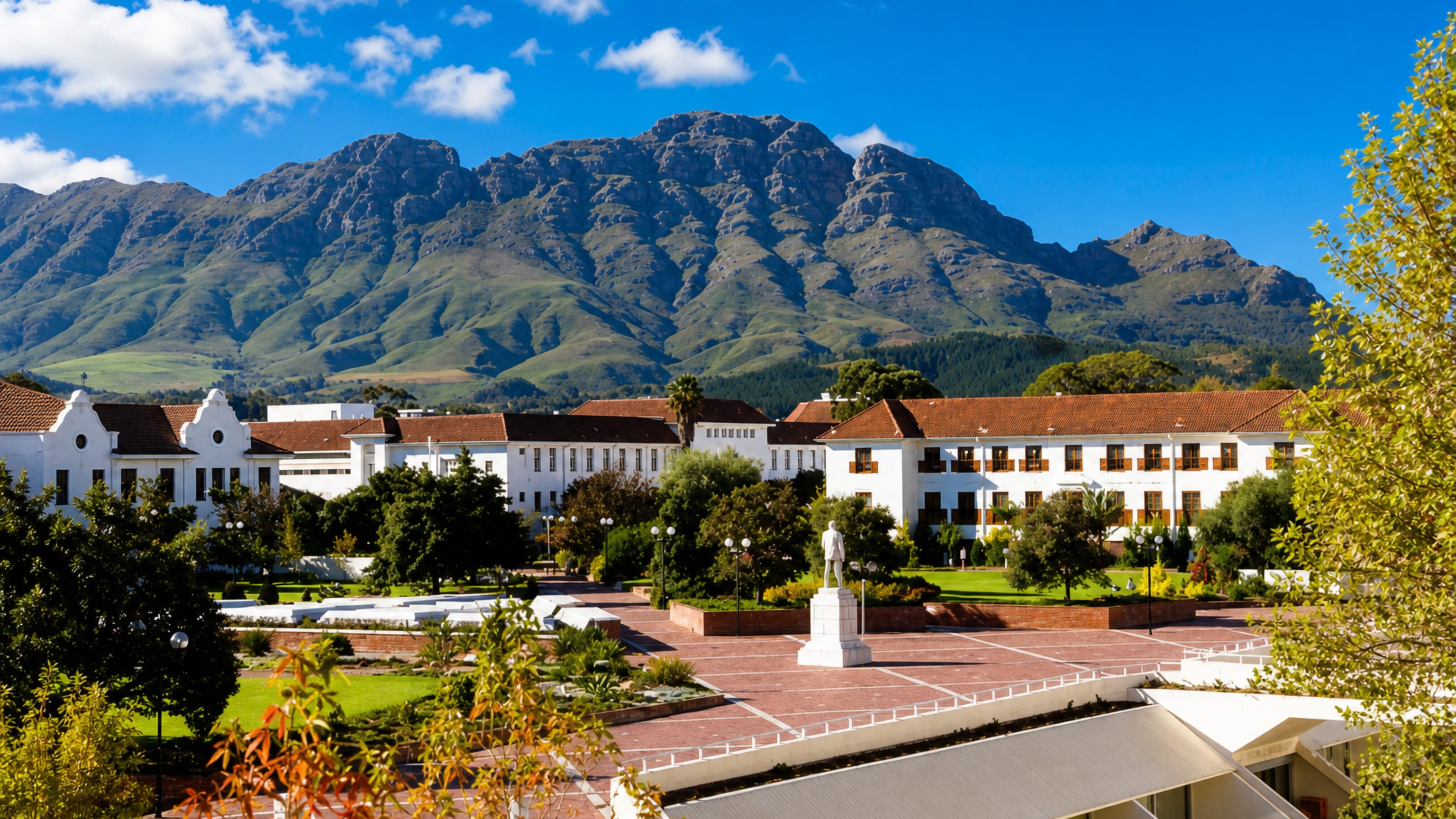
Stellenbosch stands on the Eerste River below Stellenbosch Mountain, the oak-lined heart of the Cape Winelands, laid out in 1679.
Hotel links are affiliate links: booking through them may earn us a commission, at no extra cost to you. It never affects how places are ranked. How this works


Where to stay in Stellenbosch
Where the beds are, and what that means for the visit.
The old grid holds most of the beds. Rooms around the Mother Church put Oom Samie se Winkel and the Stellenbosch Museum within a few minutes on foot, which suits anyone who would rather not drive between meals. Oaks cover those streets.
Along the Eerste River the ground is quieter, and a room on that side trades a little walking distance for the water and the view up to Stellenbosch Mountain. Stellenbosch is small, so the difference between one address and the next is measured in blocks rather than kilometres. Both are inside the same small town.
The estates are the other option. Vineyard ground runs out from the town in every direction, and staying among the Cape Winelands estates puts the cellars at the door while putting the Mother Church, Bruynzeel House, and Coetzenburg back behind a drive. Cape Town is close enough to complicate the choice. Some visitors base themselves in the city and come out for the day, though that means missing the hour when the oaks of Eikestad empty of traffic and Stellenbosch belongs to whoever stayed.
Harvest weeks fill first.
Find hotels in Stellenbosch
Direct booking searches for these neighbourhoods.
Around the Mother Church
The colonial Dutch blocks of Stellenbosch stand around the Mother ChurchFind hotels in Around the Mother ChurchA quieter edge of the oak streets with the mountain in viewThe Eerste River side
The Eerste River runs below Stellenbosch Mountain along the town's edgeFind hotels in The Eerste River sideCellar days without the drive back into StellenboschAmong the vineyards
Cape Winelands estates begin where the oak streets end. Beds are limited here, so book early.Find hotels in Among the vineyardsHotel links are affiliate links: booking through them may earn us a commission, at no extra cost to you. It never affects how places are ranked. How this works
About Stellenbosch
Oaks, first.
What is Stellenbosch known for?
Stellenbosch is called Eikestad for the trees Simon van der Stel had planted along its streets, and the town sits at the heart of the Cape Winelands. Colonial Dutch fronts line the older blocks, and Oom Samie se Winkel, the Stellenbosch Museum, and the Mother Church all belong to that part of the town. Wine does the rest.
Estates spread out from the Eerste River across the ground below Stellenbosch Mountain.
What are the main landmarks in Stellenbosch?
Five names, one small grid. The Mother Church stands in the old quarter, the Stellenbosch Museum holds the town's collections, and Oom Samie se Winkel has been trading on the same street long enough to count as a landmark itself. Bruynzeel House and Coetzenburg round out the list.
Behind them Stellenbosch Mountain and the Eerste River give the town its two natural markers. Oaks do the rest.
What is the history of Stellenbosch?
Stellenbosch was laid out in 1679. Simon van der Stel founded the town on the banks of the Eerste River and had oaks planted along the streets and around the homesteads, which is how it came to be called Eikestad, the City of Oaks. The trees outlived the century.
Colonial Dutch architecture went up in the same years, and enough of it survives that the older parts of Stellenbosch still read as an early Cape settlement rather than a modern Western Cape town. The Mother Church anchors that quarter of the town. Vines came next.
The Cape Winelands grew up around the town, and Stellenbosch became the centre of the region that South Africa counts as its main wine country. Oom Samie se Winkel kept trading on the old street, the Stellenbosch Museum gathered what the town had kept, and Bruynzeel House and Coetzenburg took their places among the buildings worth naming. Cape Town stayed close by.
The city lies a short run west, and the road between the two has carried Stellenbosch wine and Stellenbosch visitors in both directions ever since.
Where is Stellenbosch?
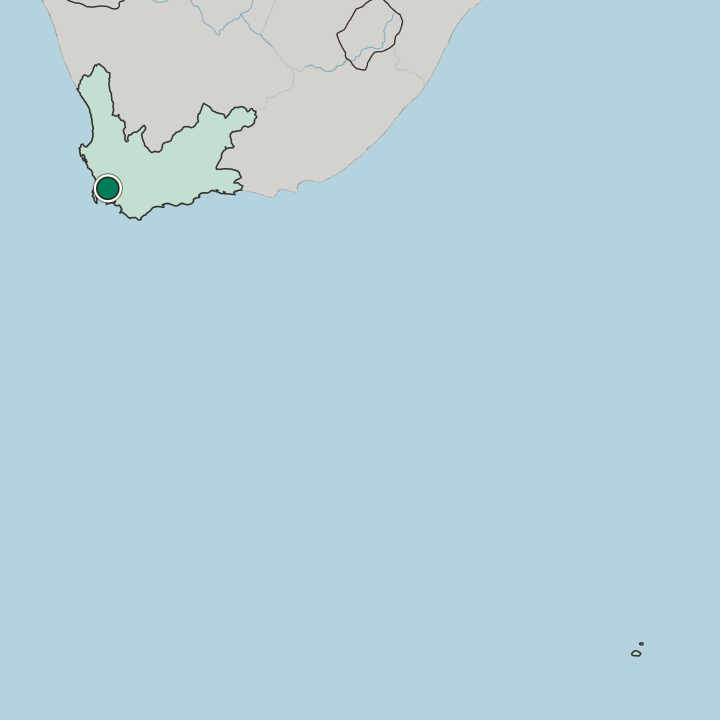
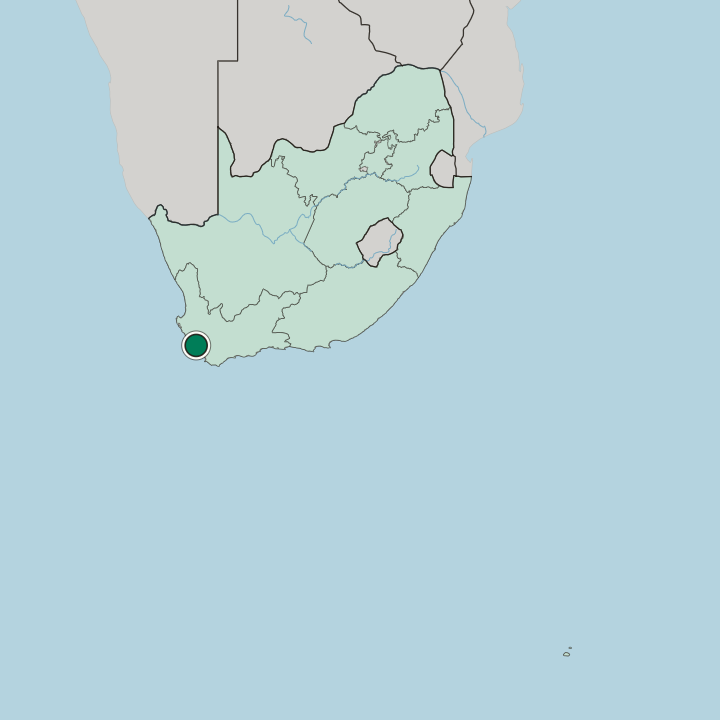
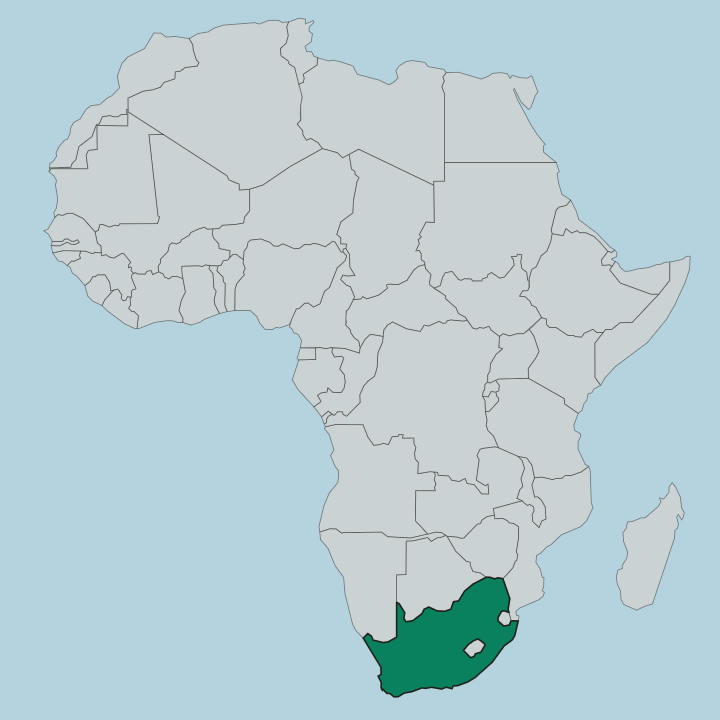
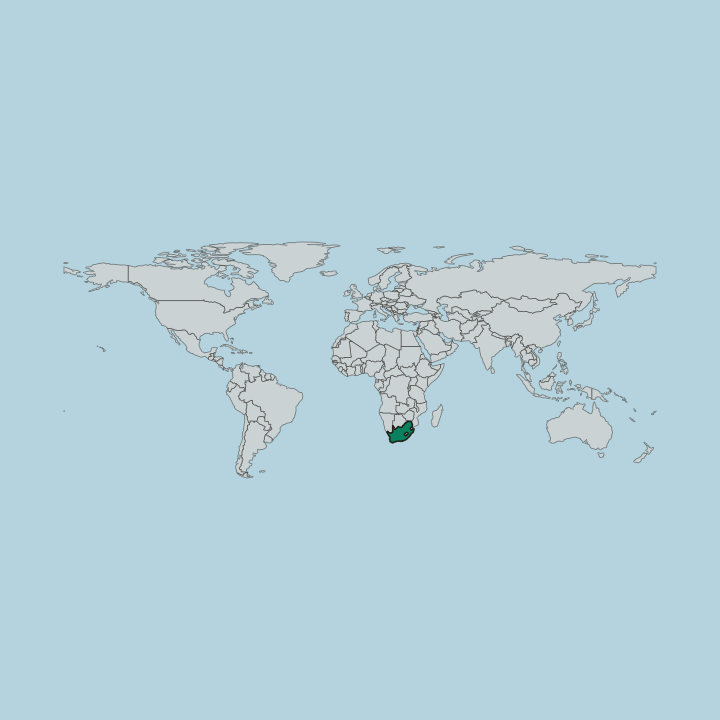
The river and the mountain set the frame. Stellenbosch lies along the banks of the Eerste River at the foot of Stellenbosch Mountain, on ground east of Cape Town in the Western Cape of South Africa. Vineyards take the rest.
The Cape Winelands run out from the town in every direction, and the built-up area itself is small, held between the river and the slope. Oaks shade the streets between.
What is the climate of Stellenbosch?
Stellenbosch Mountain shelters one side. The town sits back from the coast at Cape Town, so the summer half of the southern year runs hotter and drier here than on the shore, which is the pattern the Cape Winelands harvest is timed to. Winter greens the slopes.
The Eerste River carries the season through the town, and the oaks that gave Stellenbosch the name Eikestad turn over their leaves on the same cycle.
How do you get to Stellenbosch?
Cape Town is the usual starting point. Stellenbosch lies a short drive east of the city, and the road through the Cape Winelands is how nearly every visitor arrives. The town itself walks.
Once inside the built-up area, the compact grid between the Eerste River and the foot of Stellenbosch Mountain puts the Mother Church, the Stellenbosch Museum, and Oom Samie se Winkel within the same few blocks. Estate roads branch off outside.
Common questions
What is the best area to stay in Stellenbosch?
Around the Mother Church: Walking to Oom Samie se Winkel and the Stellenbosch Museum. The Eerste River side: A quieter edge of the oak streets with the mountain in view. Among the vineyards: Cellar days without the drive back into Stellenbosch.
Good for
More cities in Western Cape
Updated September 2026