Armenia
Vayots Dzor, Armenia — Towns & Travel Guide
Vayots Dzor is Armenia's wine country, a thinly settled mountain province of red-cliff monasteries and the world's oldest winery.
Hotel links are affiliate links: booking through them may earn us a commission, at no extra cost to you. It never affects how places are ranked. How this works


Towns & cities in Vayots Dzor
One town here has its own guide — it links to where to stay.
 Armenia
Yeghegnadzor
Yeghegnadzor is the seat of Vayots Dzor Province in southern Armenia, a town on the Srkghonk River about 123 km south of Yerevan.Where to stay →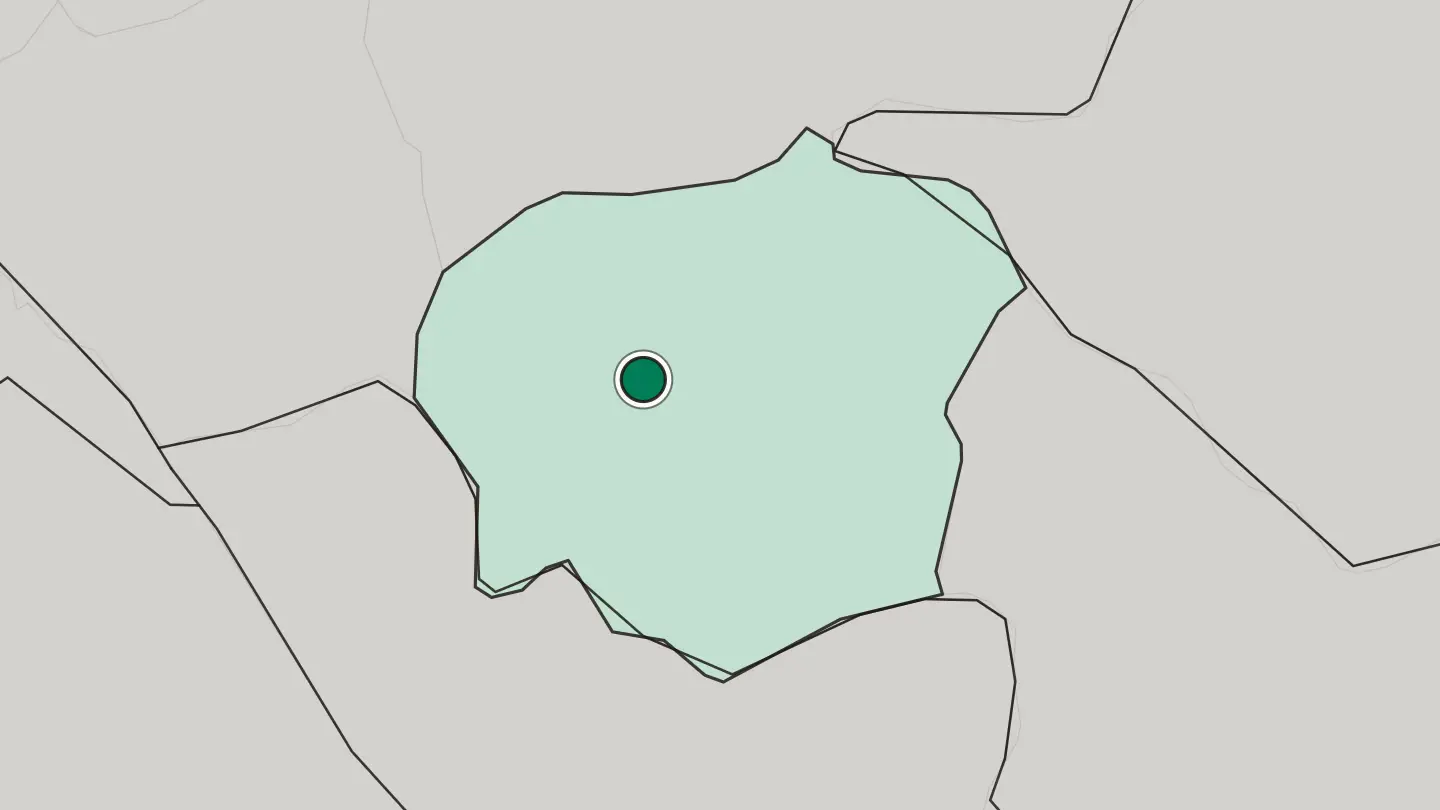
Hotel links are affiliate links: booking through them may earn us a commission, at no extra cost to you. It never affects how places are ranked. How this works
About Vayots Dzor
Wine, above all.
What is Vayots Dzor known for?
The Areni-1 cave near the village of Areni holds the oldest known winery on earth, its clay vats and grape-pressing floor pressed into use some six thousand years ago, and the Areni grape still fills the cellars strung along the Arpa valley. Noravank, a 13th-century monastery set deep in a gorge of ochre cliffs, is the province's signature sight. The spa town of Jermuk pours warm mineral water from the same mountains.
It is Armenia's least crowded corner.
Where is Vayots Dzor?
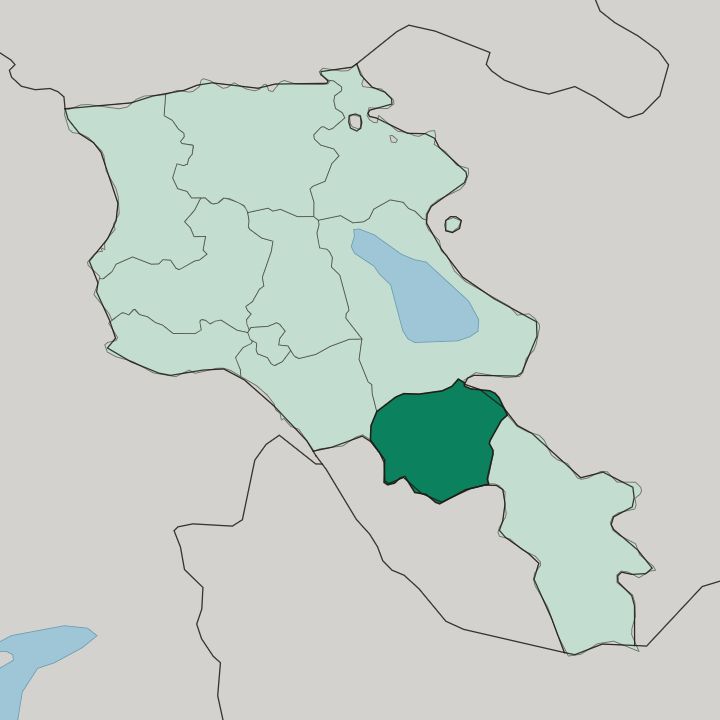
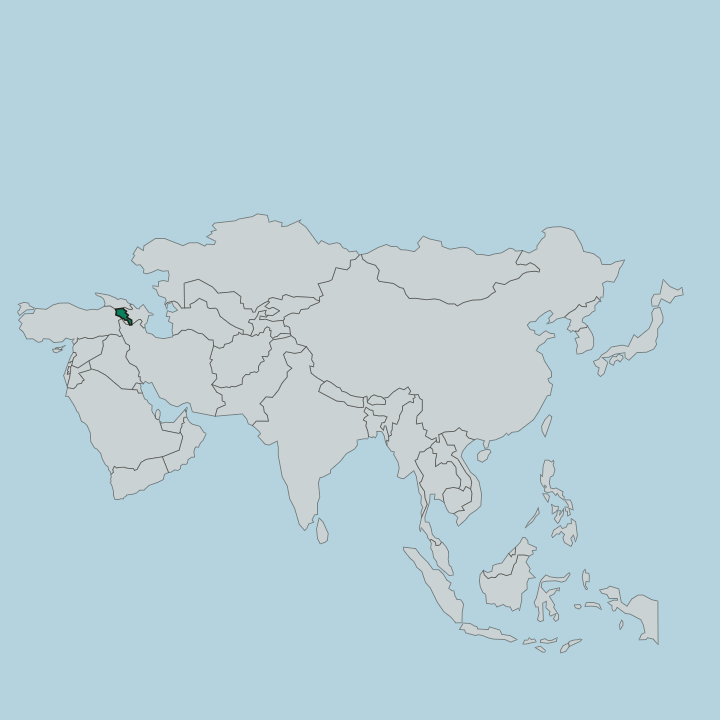
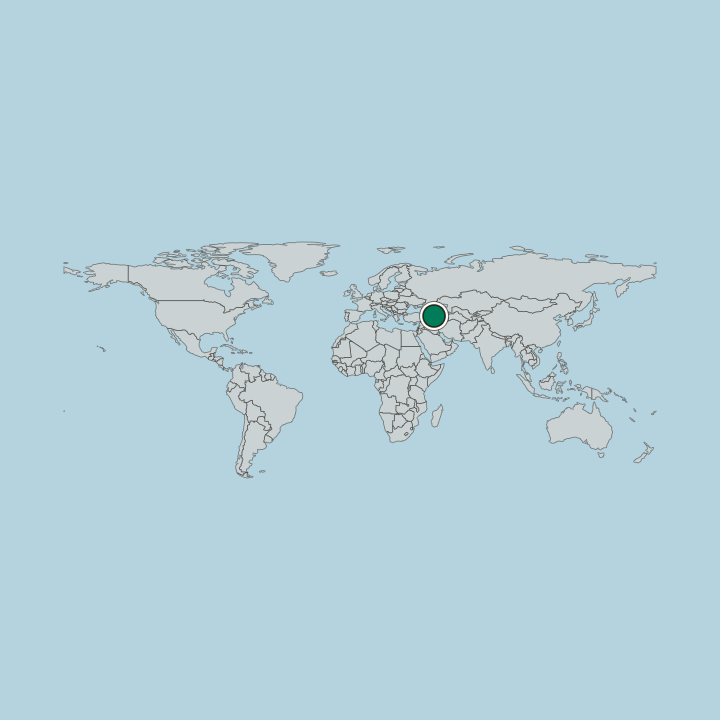
Vayots Dzor sits at the south-eastern end of Armenia, wedged between two pieces of Azerbaijan. The Nakhchivan exclave lies over its western edge and the Kalbajar district over its eastern one. It is high, dry and folded into ridges.
Three ranges break the province into bands: the Vardenis mountains along the north, the Arpa range through the middle, and the Vayk range across the south. Mount Vardenis crowns the north wall at 3,522 metres, while the valley floor drops to about 850 metres down at Areni beside the river. That river is the Arpa.
It runs 92 kilometres across the province, past Jermuk, Vayk, Yeghegnadzor and Areni before draining west into the Aras, and the towns line its banks like beads on a thread. The land between the ranges is bare rock and vineyard rather than forest. Gorges cut deep here, and the red cliffs that frame Noravank are the province in miniature.
Covering 2,308 square kilometres of this broken upland, Vayots Dzor is the emptiest province in the country, its scattered villages tucked into the folds where water and soil allow. Little of it is flat.
What is Vayots Dzor like?
Vayots Dzor lives on wine and stone. The vine has grown here for six thousand years, and the pressing floor in the Areni-1 cave shows the craft was already old when the pharaohs ruled Egypt. The Areni grape gives the province its reputation, poured young from cellars along the Arpa and aged in buried clay karas the way it was in antiquity.
Voskehat, the white grape, fills the other bottles. Stone carries the rest of the culture. The Orbelian princes who ruled this land in the Middle Ages built monasteries, bridges and caravanserais across it, and their master mason Momik left the carved reliefs and khachkars that make Noravank a pilgrimage for anyone who cares about medieval Armenian art.
Learning took root here too. The University of Gladzor drew scholars to the province around the year 1280, one of the earliest centres of higher study in medieval Armenia. Faith and the vine were never far apart.
Monks kept vineyards, and the harvest and the feast days ran on the same calendar. That braid of the sacred and the agricultural still defines the place. It is quiet, rural and deeply old.
What is the history of Vayots Dzor?
The name carries a wound. Vayots Dzor reads as the valley of woe, and tradition ties it to a devastating earthquake that struck the canton in the year 735. In antiquity this was a district of Syunik, the ninth province of ancient Armenia, and its golden age came under the Orbelian princes between the 10th and 13th centuries, who covered the land with monasteries, the caravanserai on the Selim pass, and the schoolrooms of Gladzor.
The Areni-1 cave reaches far deeper into the past, to the Copper Age winemakers who left a wine press and a leather shoe six thousand years old. Layers on layers.
What is the climate of Vayots Dzor?
Vayots Dzor is dry, and altitude rules its weather. The valley floor around Areni bakes warm and sunny through summer, while Jermuk, up on its plateau above two thousand metres, stays cool even in July and buries itself in snow through a long winter. Between the two, the Arpa valley towns like Yeghegnadzor sit in a mild middle band.
Rain is sparse, and the light is hard and clear. Winters bite hardest in the high east.
How do you get to Vayots Dzor?
Most people drive down from Yerevan. The M2 highway, Armenia's main southern artery, runs the length of the Arpa valley and links the capital to Yeghegnadzor in roughly two hours, threading past Areni and Noravank on the way. International flights land at Zvartnots airport outside Yerevan, so the province is a half-day's road journey from the plane.
Shared minibuses cover the same route for those without a car. There is no railway and no airport of its own. The road is the way in.
Common questions
What is the best area to stay in Vayots Dzor?
Yeghegnadzor: touring the wine valley from one hub. Jermuk: mineral-water spas and mountain air. Areni: sleeping among the working vineyards. Vayk: a stop toward the Selim pass.
Good for
More regions in Armenia
Updated September 2026