Belgium · Flanders
Where to Stay in Genk, Flanders
Genk is a Limburg city on the Albert Canal, between Antwerp and Liège, whose municipality takes in no town but Genk itself.
Hotel links are affiliate links: booking through them may earn us a commission, at no extra cost to you. It never affects how places are ranked. How this works


Where to stay in Genk
How the choice of base plays out on the ground.
Genk has one town and no villages. The municipality comprises only Genk itself, so the usual choice between a centre and a ring of outlying parishes does not arise here at all. Distance still matters.
Nearly eighty-eight square kilometres carry the city, and the Albert Canal, Kattevennen and Mijndepot Waterschei sit far enough apart that a single address cannot serve all three equally. The centre is the safe default. Three anchors pull in different directions.
Kattevennen draws anyone here for open ground, Mijndepot Waterschei holds the industrial record, and the Emile Van Dorenmuseum sits closer to the older heart of the city. Architecture accounts for a fourth. Villa F, the Twinstone lodge and a private residence by Egide Meertens Architecten are all recorded in Genk, and travellers who plan around them will want a base with wheels rather than one with a short walk to a church door.
Hasselt is the near alternative. Antwerp and Liège sit at either end of the Albert Canal, which makes Genk a stop on a working waterway rather than a terminus. Beds cluster near the middle rather than out by the canal.
Find hotels in Genk
Direct booking searches for these neighbourhoods.
Around the Emile Van Dorenmuseum
The Emile Van Dorenmuseum sits near the older heart of Genk, with Aartsengel Michaëlkerk on the same sideFind hotels in Around the Emile Van DorenmuseumStays built around Kattevennen and open groundToward Kattevennen
Kattevennen lies out from the built-up part of Genk and rewards an early start. Lodging is scarce in this area; reserve in advance.Find hotels in Toward KattevennenVisitors following Genk's industrial record at Mijndepot WaterscheiThe Mijndepot Waterschei side
Mijndepot Waterschei stands well away from the centre and carries the city's industrial name. Rooms are few around here — worth securing early.Find hotels in The Mijndepot Waterschei sideHotel links are affiliate links: booking through them may earn us a commission, at no extra cost to you. It never affects how places are ranked. How this works
Things to do in Genk
Ranked by global recognition; descriptions from Wikidata (CC0).
Museums & Galleries
2- Emile Van Dorenmuseum
- Mijndepot Waterschei
Churches & Religious Sites
3- Heilig-Hartkerk Heritage
- Aartsengel Michaëlkerk
- Oekraïens-katholieke kerk (Genk)
Stadiums & Sports
2- Kattevennen
- Stedelijk sportcentrum Genk
Landmarks & Notable Places
3- Private residence by Egide Meertens Architecten
- Twinstone lodge
- Villa F
worth knowingacross 4 categories in Genk
About Genk
Industry shaped Genk.
What is Genk known for?
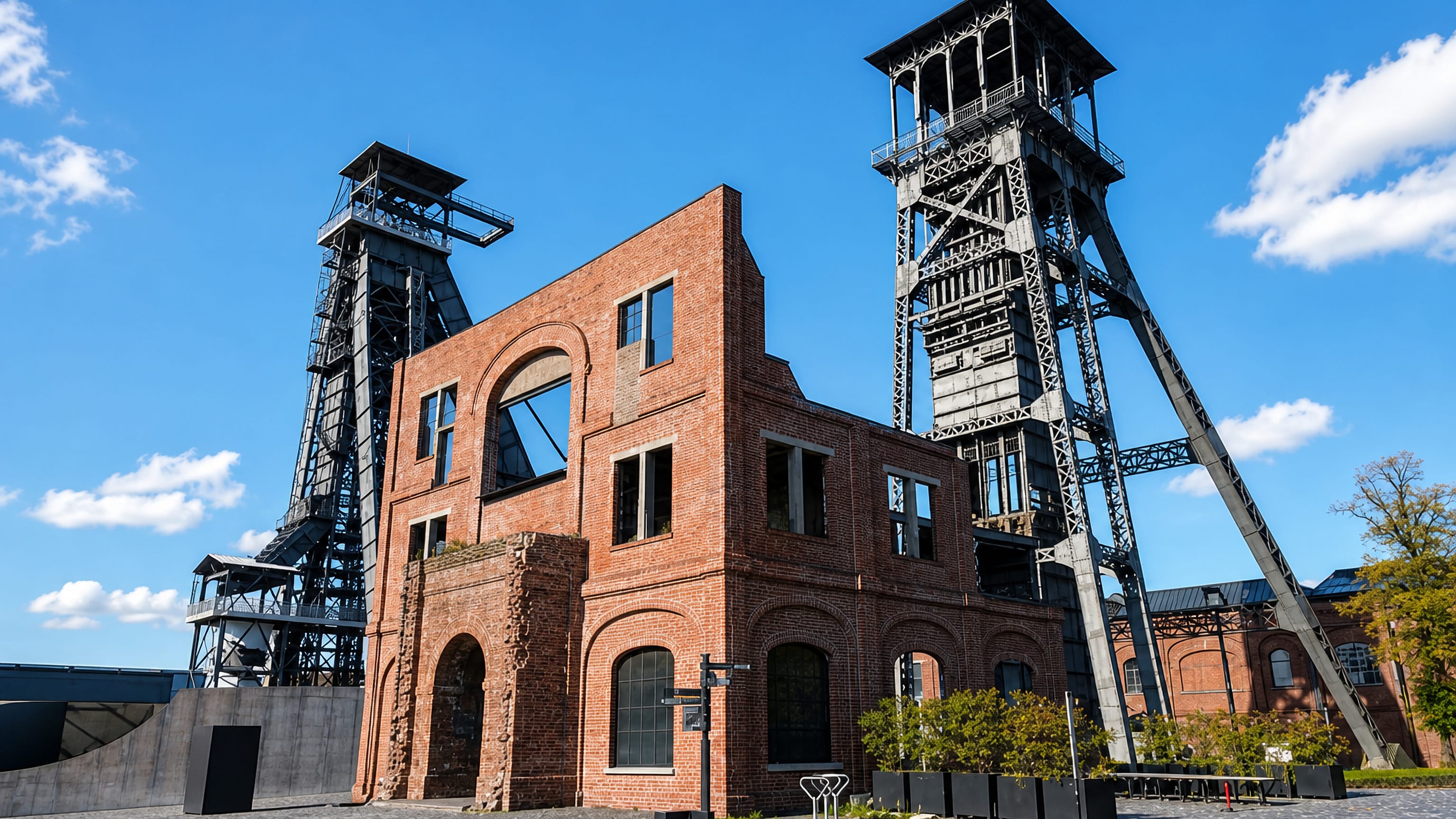
The Belgian province of Limburg counts it among the most important industrial towns in Flanders, and the Albert Canal that carries traffic between Antwerp and Liège runs past the city. Mijndepot Waterschei stands among its landmarks. Hasselt lies close by.
Kattevennen and the Emile Van Dorenmuseum give the city its other recorded draws.
What are the main landmarks in Genk?
Genk's landmark list is short but varied. Kattevennen and Mijndepot Waterschei stand at its two poles, one open ground and the other an industrial depot, while the Emile Van Dorenmuseum holds the middle. Churches are here too.
Aartsengel Michaëlkerk, Heilig-Hartkerk and the Oekraïens-katholieke kerk appear alongside Villa F, the Twinstone lodge, the Stedelijk sportcentrum Genk and a private residence by Egide Meertens Architecten.
What is the history of Genk?
Limburg is the province. Genk lies within it, near Hasselt, and the Flanders region of Belgium sets the wider frame for a city that ranks among the most important industrial towns in the region. The Albert Canal explains much of that.
Traffic on the canal runs between Antwerp and Liège, so the city sits on a route that has nothing to do with its provincial boundaries. One name keeps the mining record. Mijndepot Waterschei carries the mine in its title, and it stands among the city's landmarks as the plainest reminder of the work that made Genk industrial.
Growth came without absorption. The municipality comprises only the town of Genk, so no ring of villages was ever swallowed into it, and nearly eighty-eight square kilometres answer to a single name. Churches followed the people.
Aartsengel Michaëlkerk and Heilig-Hartkerk stand on the landmark roll, and the Oekraïens-katholieke kerk sits on the same list under a Ukrainian Catholic title. Art has a house here. The Emile Van Dorenmuseum carries a personal name into the list, while Kattevennen and the Stedelijk sportcentrum Genk record what the city set aside for open air and sport.
Where is Genk?
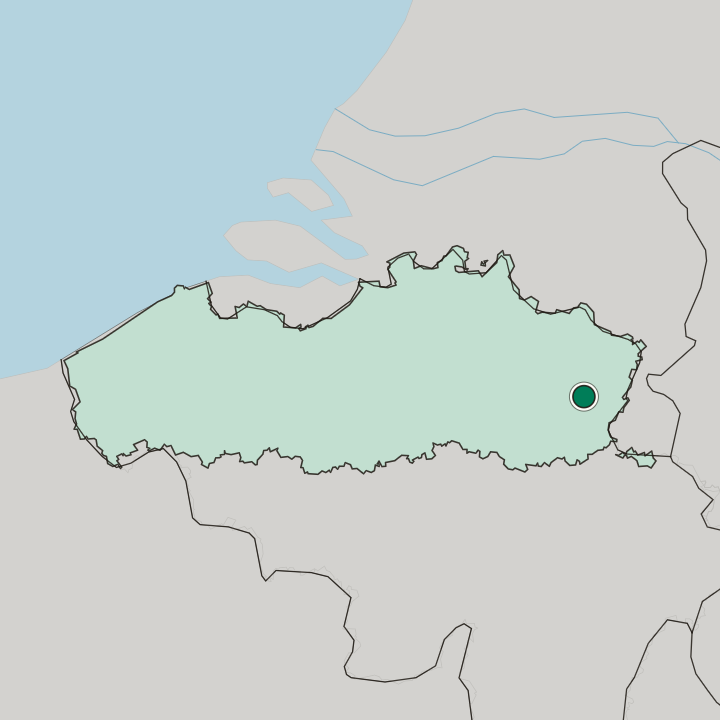
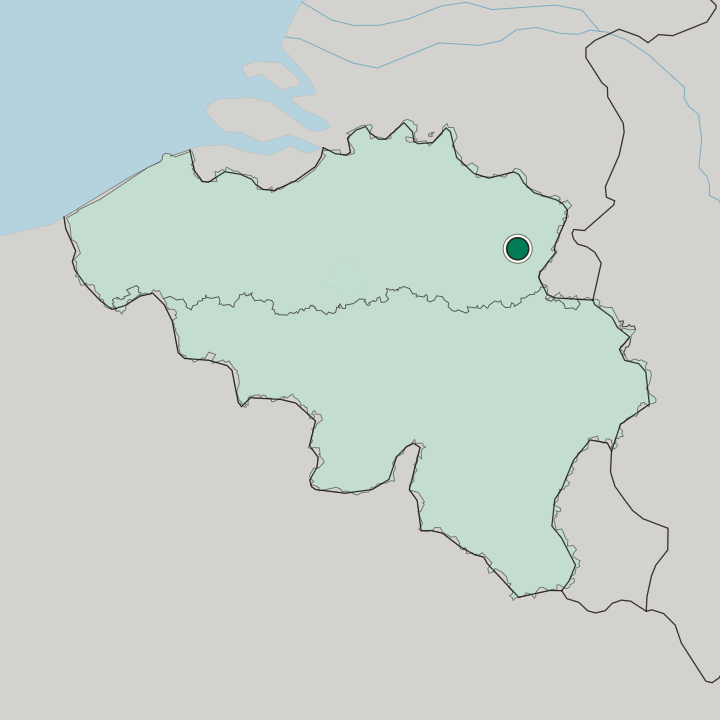
Nearly eighty-eight square kilometres make up Genk. The city sits in Limburg near Hasselt, with the Albert Canal running through the Flanders region of Belgium between Antwerp and Liège. No other town shares the municipality.
Kattevennen lies out from the built-up ground, Mijndepot Waterschei stands apart from it as well, and the distance between them is a real part of how the city reads on a map.
What is the climate of Genk?
Water moderates little here. The Albert Canal is too narrow to change the weather, so Genk takes the same temperate pattern as the rest of Limburg, wet through the year and rarely extreme in either direction. Frost arrives in spells and passes.
Summer heat stays moderate, and the open ground at Kattevennen is as pleasant in the cool months as in the warm ones.
How do you get to Genk?
The Albert Canal is the line to follow. It runs between Antwerp and Liège and passes Genk on the way, which puts the city on a through route rather than at the end of a spur. Hasselt is the nearest city of size.
Limburg roads connect the two, and once inside Genk the ground spreads over nearly eighty-eight square kilometres, so the last part of any arrival is longer than it looks. Nothing else shares the municipality.
Common questions
What is the best area to stay in Genk?
Around the Emile Van Dorenmuseum: Walk-first stays close to the Emile Van Dorenmuseum. Toward Kattevennen: Stays built around Kattevennen and open ground. The Mijndepot Waterschei side: Visitors following Genk's industrial record at Mijndepot Waterschei.
Good for
More cities in Flanders
Updated October 2026