Belgium · Flanders
Where to Stay in Leuven, Flanders
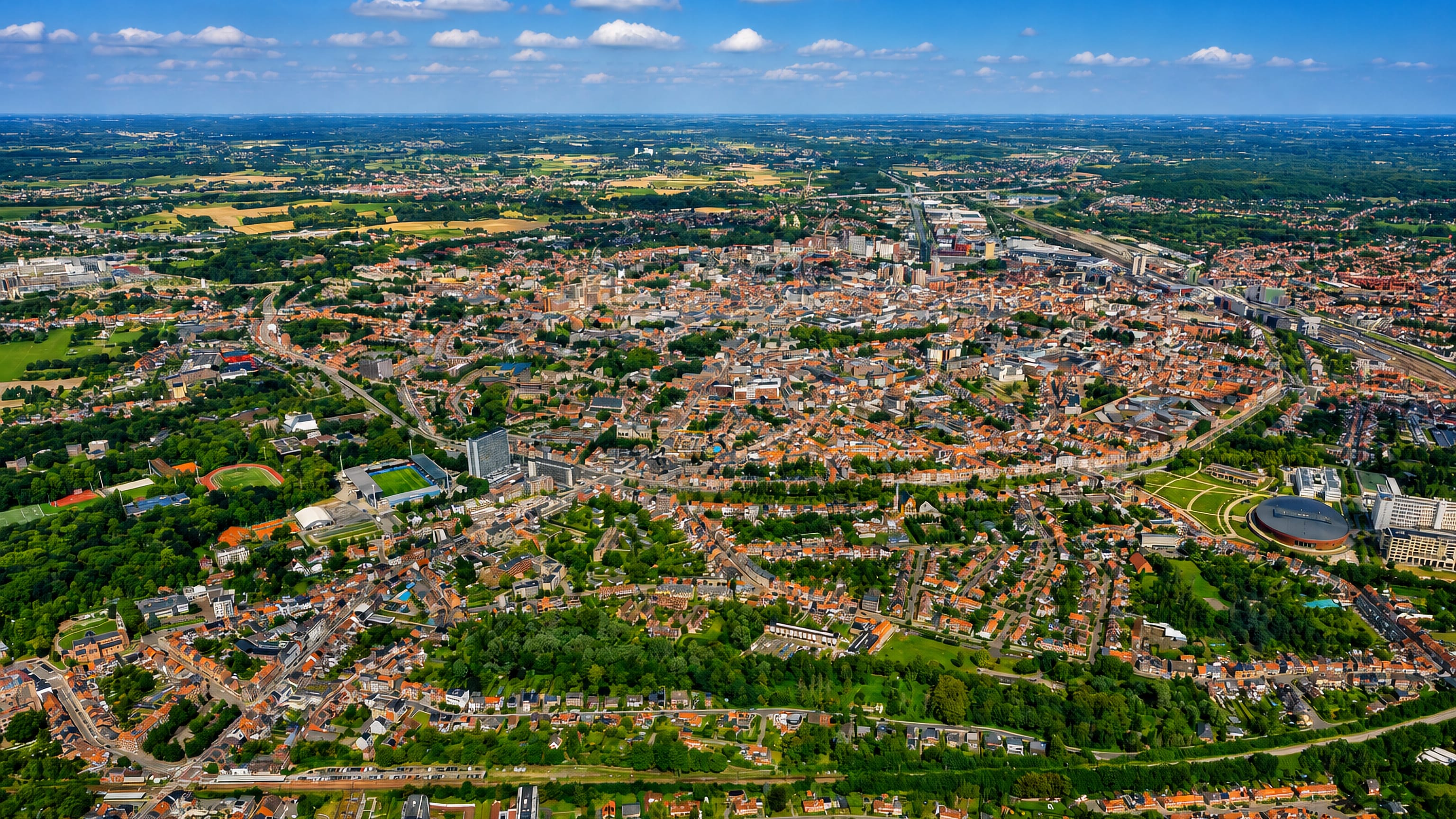
Leuven, also called Louvain, is the Flemish Brabant capital built around a university founded in 1425 and a long line of monasteries.
Hotel links are affiliate links: booking through them may earn us a commission, at no extra cost to you. It never affects how places are ranked. How this works


Where to stay in Leuven
Where visitors usually base themselves, and why.
Term dates move the beds here. Leuven fills up when the university is in session, and a room booked for a weekday in the academic year competes with a student city rather than a quiet provincial capital. Most stays default to the centre.
M Leuven, STUK and the Hortus Botanicus Lovaniensis are all within reach of Sint-Kwintenskerk and Onze-Lieve-Vrouwkerk, and you get the shortest walks to everything the city is visited for. Leuven Castle and the Monastery of Zwartzusters give the centre two more stops that need no car. Heverlee is the other candidate.
St John Berchmans University College and Saint Lambert's Chapel stand there, along with the Monastery of Terbank, which makes it the part of the municipality where the university's older institutions are thickest. Wilsele and Wijgmaal are quieter. Sint-Martinuskerk marks Wilsele, Kessel-Lo carries a good deal of the housing, and Haasrode and Korbeek-Lo only partly belong to Leuven at all.
Brussels is 25 kilometres away, which is close enough that some visitors treat Leuven as the calmer place to sleep and the larger city as the day out.
Find hotels in Leuven
Direct booking searches for these neighbourhoods.
The centre around Onze-Lieve-Vrouwkerk
M Leuven, STUK and the Hortus Botanicus Lovaniensis stand within a short walk of Sint-Kwintenskerk, which puts the museums and the churches on one circuit.Find hotels in The centre around Onze-Lieve-Vrouwkerkthe college quarter around Saint Lambert's ChapelHeverlee
St John Berchmans University College, the Monastery of Terbank and Saint Lambert's Chapel give Heverlee the densest run of the university's older institutions. Beds are limited here, so book early.Find hotels in Heverleeresidential rooms out by Sint-MartinuskerkWilsele, Wijgmaal and Kessel-Lo
Sint-Martinuskerk marks Wilsele, and Kessel-Lo holds much of the municipality's housing, so beds this far out are residential rather than central. Rooms are few around here — worth securing early.Find hotels in Wilsele, Wijgmaal and Kessel-LoHotel links are affiliate links: booking through them may earn us a commission, at no extra cost to you. It never affects how places are ranked. How this works
Things to do in Leuven
Ranked by global recognition; descriptions from Wikidata (CC0).
Museums & Galleries
3- Hortus Botanicus Lovaniensis
- STUK
- Museum voor Dierkunde
Churches & Religious Sites
8- Saint-Michaels' church Heritage
- Saint Jacob's Church Heritage
- Onze-Lieve-Vrouw-ten-Predikherenkerk Heritage
- Saint Lambert's Chapel (Heverlee) Heritage
- Saint John the Baptist Church Heritage
Show 3 more →
- Augustinian monastery (Leuven) Heritage
- Onze-Lieve-Vrouwkerk Heritage
- Sint-Martinuskerk (Wilsele) Heritage
Castles & Historic Sites
2- De Kanaalgravers
- Leuven Castle
Stadiums & Sports
1- Sportoase Leuven
worth knowingacross 4 categories in Leuven
About Leuven
A university runs this city.
What is Leuven known for?
The institution founded in 1425 is the oldest Catholic university in the world, and term time fills the streets of Leuven with students in a way the summer months do not. Museums follow the same logic. M Leuven, STUK and the Museum voor Dierkunde sit alongside the Hortus Botanicus Lovaniensis, which is the kind of collection a teaching city accumulates rather than one a tourist board assembles.
What are the main landmarks in Leuven?
Monastic names dominate the list. Bethlehem Priory, the Minderbroedersklooster, the Convent of the English Nuns and the Augustinian monastery all survive as names on the map of Leuven, alongside the Monastery of Zwartzusters. Churches match them.
Saint-Michaels' church, Saint Jacob's Church, Saint John the Baptist Church and Onze-Lieve-Vrouw-ten-Predikherenkerk carry the parish side, and Sint-Franciscus van Assisikerk extends it. Leuven Castle belongs to neither group.
What is the history of Leuven?
The university dates from 1425. That foundation makes it the oldest Catholic university in the world, and it explains why so much of what Leuven has kept is institutional rather than commercial, from Bethlehem Priory to the Convent of the English Nuns. Two names still circulate.
Leuven is the Dutch form and Louvain the one that travelled, and the Latin of the Hortus Botanicus Lovaniensis preserves a third version of the same root. Religious houses came in numbers. The Monastery of Zwartzusters, the Augustinian monastery, the Monastery of Terbank and the Minderbroedersklooster are only part of what the city and Heverlee between them accumulated.
The municipality was assembled later. Heverlee, Kessel-Lo, Leuven proper, Wilsele and Wijgmaal make it up, with parts of Haasrode and Korbeek-Lo attached, which is how the eighth largest city in Belgium reaches the size it does. De Kanaalgravers and the Centrum Agrarische Geschiedenis point at a working history behind the colleges, and Leuven Castle keeps a name from outside both.
Sint-Martinuskerk still names Wilsele, and Saint Lambert's Chapel names a corner of Heverlee, which is what happens when villages are folded into a city rather than replaced by it.
Where is Leuven?
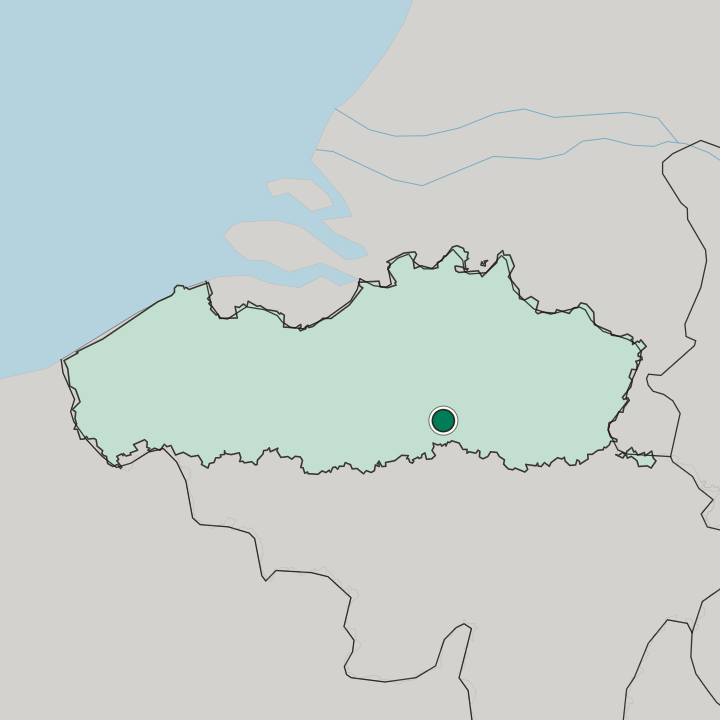
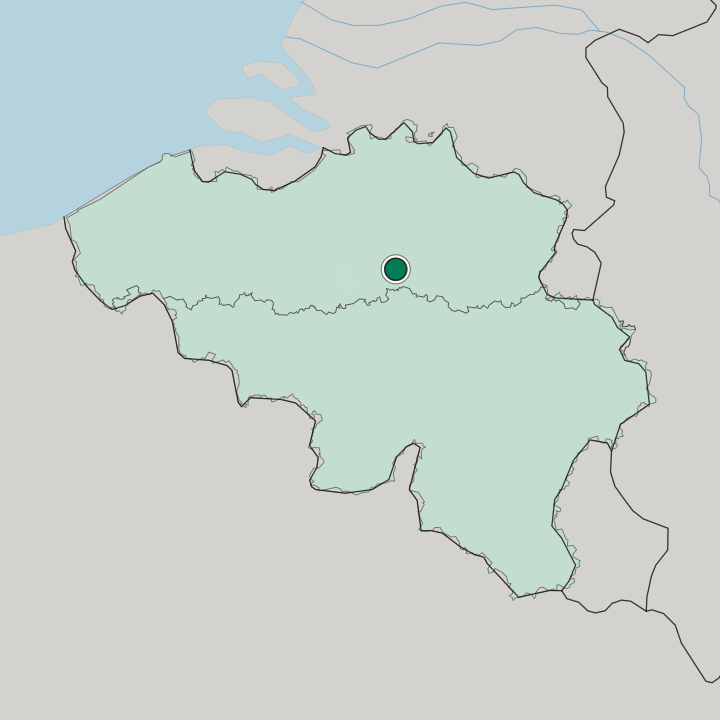
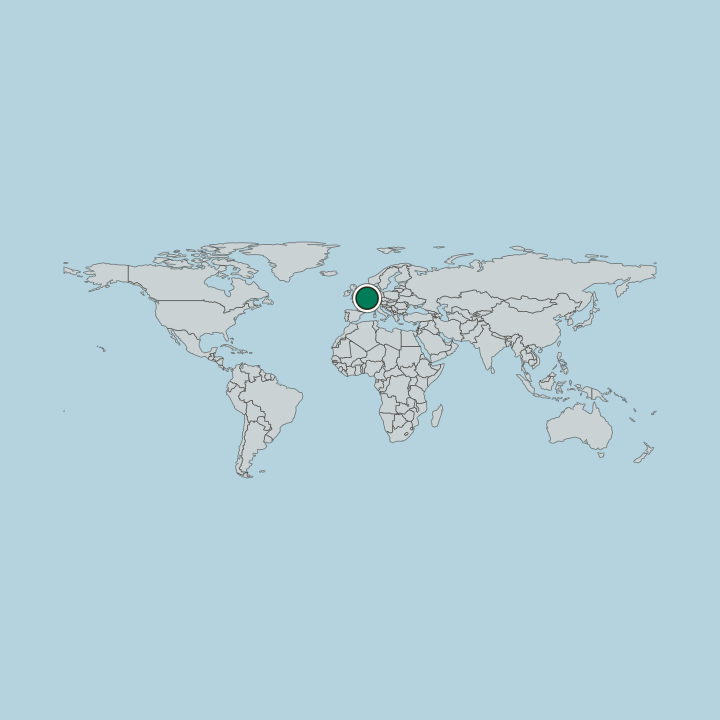
Flemish Brabant has its capital here. Leuven lies about 25 kilometres east of Brussels, close enough for the two to share a working day and far enough that the smaller city keeps its own centre intact. The municipality covers 56 square kilometres.
Heverlee, Kessel-Lo, Wilsele and Wijgmaal take up much of that, and parts of Haasrode and Korbeek-Lo are attached to Leuven as well, so the city on the ground is wider than the centre suggests.
What is the climate of Leuven?
The Hortus Botanicus Lovaniensis is the tell. A botanical garden survives only where the temperate band holds the frosts short and the growing season long enough for the beds to carry a full programme. Summer empties the streets.
That has nothing to do with heat and everything to do with the academic year, though the season does bring the outdoor events that fill part of the gap left by the students.
How do you get to Leuven?
Brussels is the approach. Leuven sits about 25 kilometres east of it, which puts the city inside the orbit of a much larger one and makes arrival by way of Brussels the ordinary route rather than a detour. The sub-municipalities come first.
Kessel-Lo, Heverlee, Wilsele and Wijgmaal ring the centre, so most arrivals pass through one of them before reaching the streets around Sint-Kwintenskerk.
Common questions
What is the best area to stay in Leuven?
The centre around Onze-Lieve-Vrouwkerk: M Leuven, STUK and the botanical garden on foot. Heverlee: the college quarter around Saint Lambert's Chapel. Wilsele, Wijgmaal and Kessel-Lo: residential rooms out by Sint-Martinuskerk.
Good for
More cities in Flanders
Updated October 2026