Belgium · Flanders
Where to Stay in Ostend, Flanders
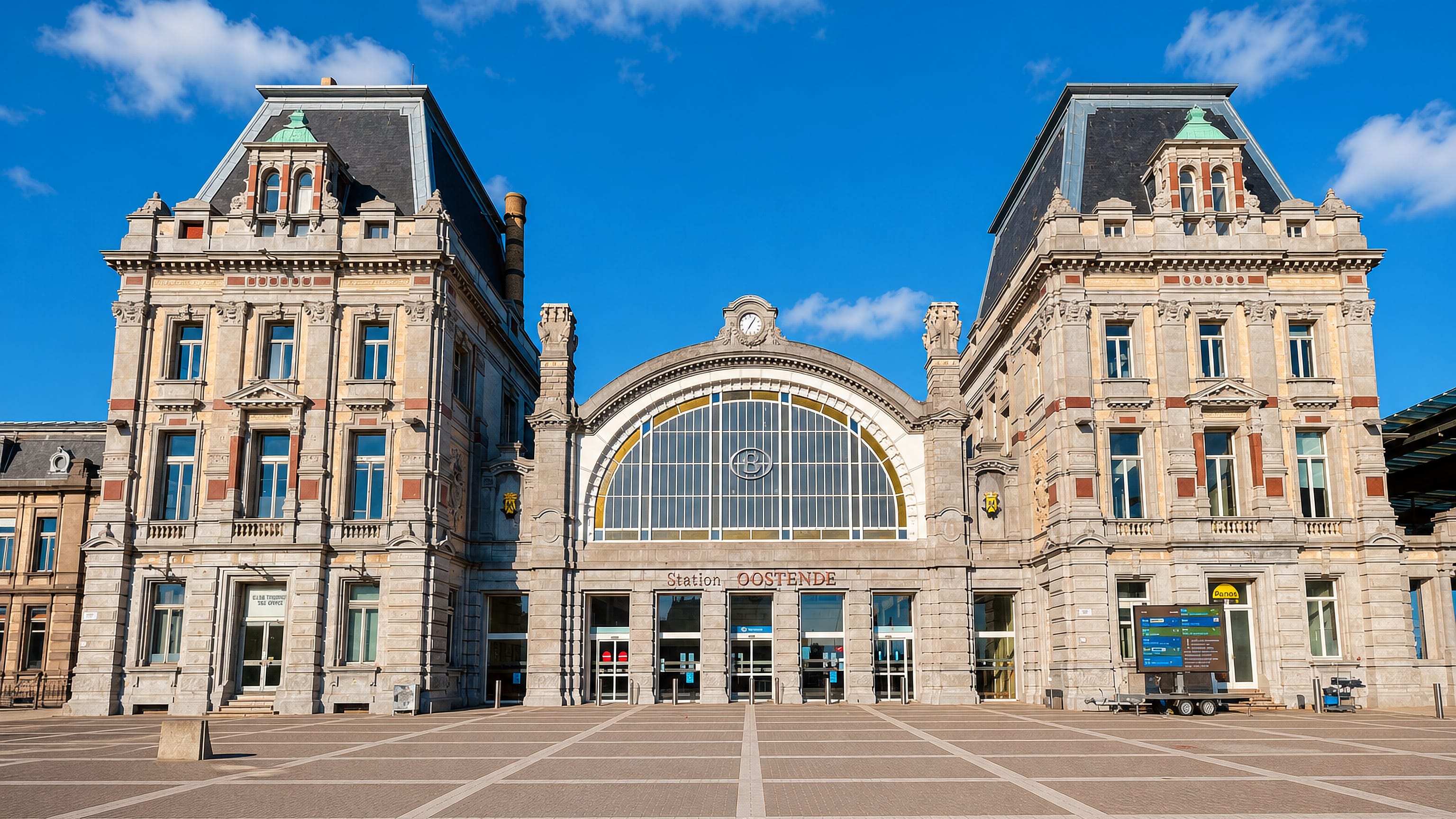
Ostend, officially Oostende, is the largest city on the Belgian coast: a North Sea resort and cargo port chartered in 1265.
Hotel links are affiliate links: booking through them may earn us a commission, at no extra cost to you. It never affects how places are ranked. How this works


Where to stay in Ostend
Where visitors usually base themselves, and why.
The front is the whole argument. Ostend is built up along its promenade with tall blocks of holiday apartments and hotels, so a room facing the North Sea is the ordinary choice rather than the rare one. You should take it.
The musical theatre and the casino sit on that waterfront, and Sint-Petrus-en-Pauluskerk, the Sint-Pieterstoren and the Seafarers' Monument are the names to walk to once the sea has been dealt with. Ensor House and the Oostends Historisch Museum De Plate are the two indoor stops a wet afternoon needs. Four boroughs sit behind the beach.
Mariakerke, Raversijde, Stene and Zandvoorde belong to the same municipality as Ostend proper, and rooms there trade the promenade for quiet at the cost of a walk or a short ride back to it. Fort Napoleon anchors the far end. Onze-Lieve-Vrouw-ter-Duinenkerk names the dunes in its own title, the Spaans Huisje and Turkeyenhof are older survivals, and Earth Explorer is the stop for a day off the sand.
Beds are plentiful by seaside standards, since the front was built up with holiday apartments and hotels rather than houses.
Find hotels in Ostend
Direct booking searches for these neighbourhoods.
The promenade front
The musical theatre and the casino stand on Ostend's waterfront promenade, which is where the tall holiday blocks and most of the hotel rooms went up.Find hotels in The promenade frontEnsor House and the Sint-Pieterstoren out of the sea windThe older streets by Sint-Petrus-en-Pauluskerk
Sint-Petrus-en-Pauluskerk and the Sint-Pieterstoren stand back from the sand, with Ensor House and the Oostends Historisch Museum De Plate in the same older grid.Find hotels in The older streets by Sint-Petrus-en-Pauluskerkquiet borough rooms out towards Fort NapoleonMariakerke, Raversijde, Stene and Zandvoorde
Mariakerke, Raversijde, Stene and Zandvoorde are the boroughs behind the beach, where Onze-Lieve-Vrouw-ter-Duinenkerk and Fort Napoleon replace the promenade. Few places to stay nearby — book ahead.Find hotels in Mariakerke, Raversijde, Stene and ZandvoordeHotel links are affiliate links: booking through them may earn us a commission, at no extra cost to you. It never affects how places are ranked. How this works
Things to do in Ostend
Ranked by global recognition; descriptions from Wikidata (CC0).
Museums & Galleries
3- Fort Napoleon Heritage
- Ensor House Heritage
- Mu.ZEE - Kunstmuseum aan Zee
Churches & Religious Sites
8- Sint-Petrus-en-Pauluskerk Heritage
- Onze-Lieve-Vrouw-ter-Duinenkerk Heritage
- Sint-Pieterstoren Heritage
- Dominicanenkerk Heritage
- Sint-Annakerk Heritage
Show 3 more →
- Heilig Hartkerk Heritage
- Sint-Jan Baptistkerk Heritage
- Sint-Antonius van Paduakerk Heritage
Parks & Gardens
1- Earth Explorer
Landmarks & Notable Places
2- Spaans Huisje Heritage
- Nieuwbouw alleenstaande woning in beton in Ostend by Kris Vandecasteele architectenbureau
worth knowingacross 4 categories in Ostend
About Ostend
The North Sea beaches came first.
What is Ostend known for?
Ostend drew royalty and aristocracy through the 19th century, and the promenade that resulted still carries a musical theatre and a casino along the front. Cargo works the other side. The port handles traffic across the English Channel, though the passenger lines towards the United Kingdom have ceased, which leaves the beach and the harbour sharing one city.
Mu.ZEE and the Ensor House hold the art, while the Oostends Historisch Museum De Plate keeps the local record.
What are the main landmarks in Ostend?
Fort Napoleon holds the coast. Mu.ZEE and Ensor House take the art, and the Oostends Historisch Museum De Plate keeps the local record, with Earth Explorer as the fourth. Churches run long here.
Sint-Petrus-en-Pauluskerk and the Sint-Pieterstoren head a list that carries on through Onze-Lieve-Vrouw-ter-Duinenkerk, Sint-Annakerk, Kapucijnenkerk, Dominicanenkerk and the Engelse kerk. The Seafarers' Monument and the Spaans Huisje belong to neither category.
What is the history of Ostend?
The charter dates from 1265. Ostend carries the official name Oostende, and Fort Napoleon survives from a period when this stretch of the North Sea was something an army thought worth holding. Then the fashion arrived.
Royalty and aristocracy made the beaches a destination through the 19th century, and the seafront that followed turned into rows of tall 20th-century blocks of holiday apartments and hotels once the habit spread beyond them. The port kept its own record. Cargo still crosses the English Channel from here, but the passenger lines towards the United Kingdom have ceased, and the Seafarers' Monument stands for the people who worked both.
Ensor House keeps a name. So do the Justin Malfeyt memorial and the Ryckewaertshof/Anto Diez, while the Spaans Huisje and the Engelse kerk record older presences on this part of the West Flanders coast. The municipality was widened afterwards.
Mariakerke, Raversijde, Stene and Zandvoorde came in as boroughs alongside Ostend proper, which is how the largest city on the Belgian coast reached its present extent. Onze-Lieve-Vrouw-ter-Duinenkerk and Sint-Catharinakerk carry names that belong to the coast rather than the holiday trade.
Where is Ostend?
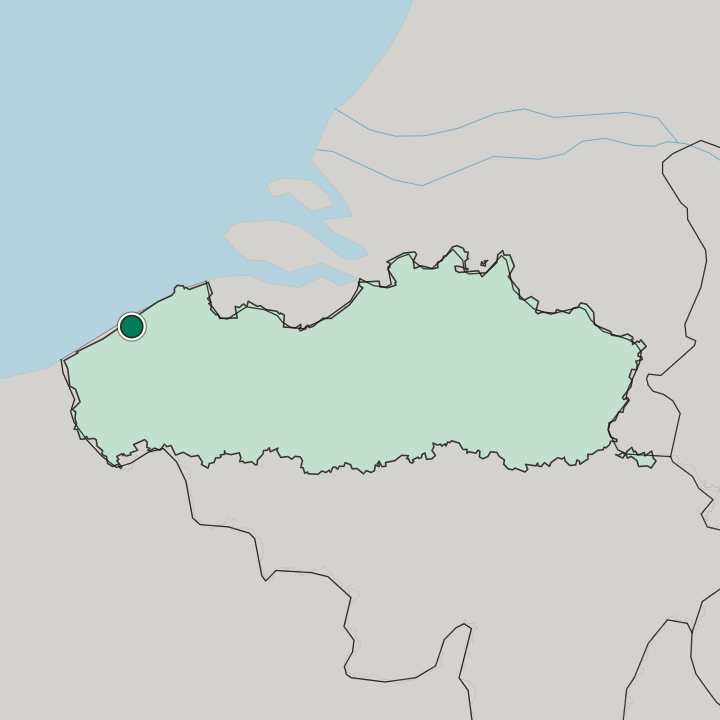
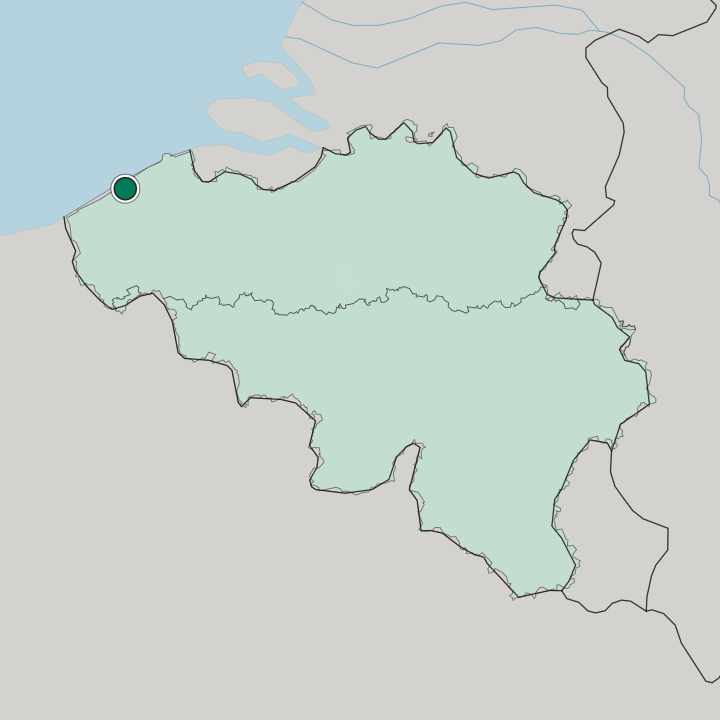
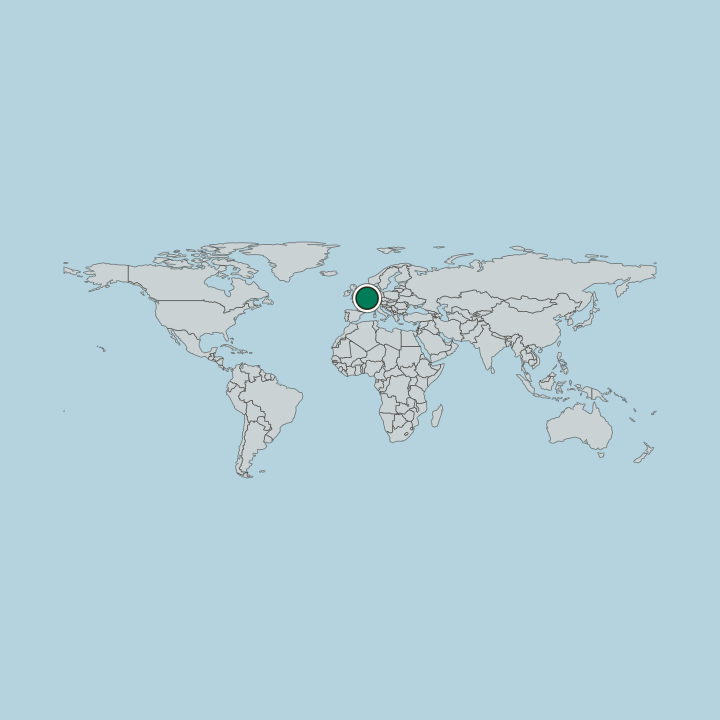
The North Sea makes the edge. Ostend stands on the Belgian coast in West Flanders with the water on one side and the boroughs of Mariakerke, Raversijde, Stene and Zandvoorde behind, across a municipality of 37 square kilometres. Dunes gave one church its name.
Onze-Lieve-Vrouw-ter-Duinenkerk records that ground directly, and the exposure of the whole front to open water is the single fact that decides how the city is built and used.
What is the climate of Ostend?
The North Sea runs the thermostat. Ostend faces open water with nothing between the promenade and the weather, so wind is the constant and the difference between a summer and a winter day on the front is smaller than the calendar suggests. Frost has little grip.
That is what a temperate coast does, and it is also why the beaches drew a season long before the holiday blocks were built to house one.
How do you get to Ostend?
The port is the historic entrance. Cargo traffic still crosses the English Channel to Ostend, though the passenger lines towards the United Kingdom have ceased, so arriving by sea is no longer the way most visitors reach the coast. Land routes carry the rest.
Stene, Zandvoorde, Raversijde and Mariakerke lie between the open country of West Flanders and the seafront, so the boroughs are crossed before the promenade appears.
Common questions
What is the best area to stay in Ostend?
The promenade front: a North Sea room by the casino and the musical theatre. The older streets by Sint-Petrus-en-Pauluskerk: Ensor House and the Sint-Pieterstoren out of the sea wind. Mariakerke, Raversijde, Stene and Zandvoorde: quiet borough rooms out towards Fort Napoleon.
Good for
More cities in Flanders
Updated October 2026