Belgium · Flanders
Where to Stay in Brugge, Flanders
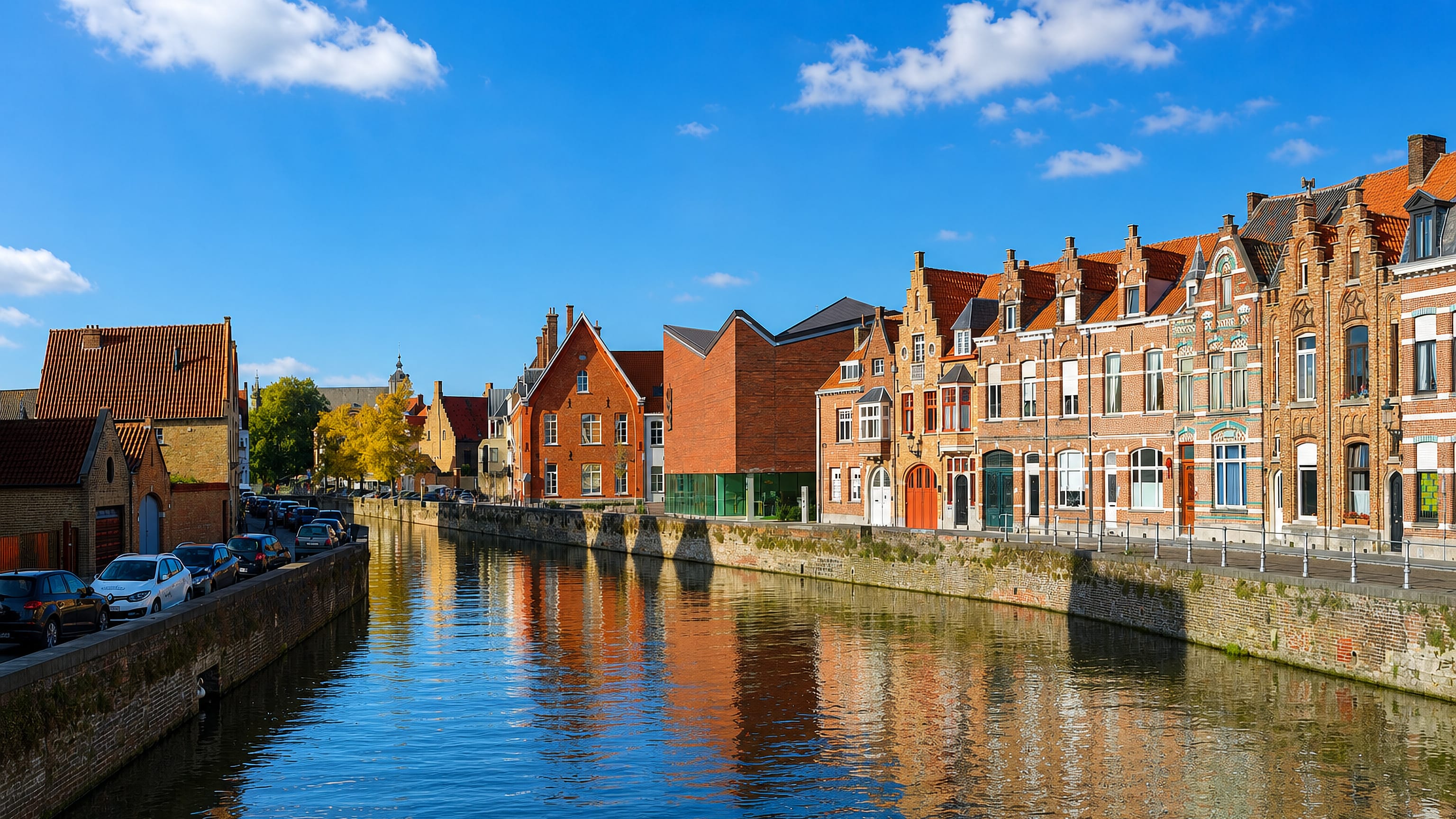
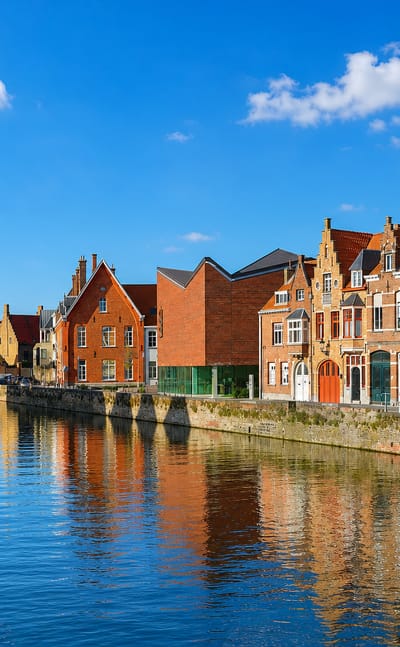
Canals thread the old streets of Brugge, capital of West Flanders in the Flemish Region of Belgium, known for its Belfry and medieval core.
Hotel links are affiliate links: booking through them may earn us a commission, at no extra cost to you. It never affects how places are ranked. How this works


Where to stay in Brugge
Not every neighbourhood fits every trip — here's what each one is good for.
 BruggeBelgium
Historic Centre of Brugge
Historic Centre of Brugge is the canal-ringed medieval core of Brugge, where the Belfry of Bruges rises over brick lanes and museum courtyards.Where to stay →BruggeBelgiumSint-Anna
Sint-Anna is a quarter of Brugge's walled centre, held between the Kruisvest ramparts and the Langerei, with the baroque Sint-Annakerk at its heart.Where to stay →BruggeBelgiumKristus-Koning
Kristus-Koning is a nineteenth- and twentieth-century wijk of Brugge, Belgium, northwest of the historic centre across the stadsring.Where to stay →BruggeBelgiumSint-Kruis
Sint-Kruis is a former municipality east of the historic centre of Brugge, merged into the city in 1971, with Male Castle at its eastern edge.Where to stay →BruggeBelgiumSint-Jozef
Sint-Jozef is a planned quarter of Brugge, in Belgium, laid out just north of the historic binnenstad in the early twentieth century.Where to stay →BruggeBelgiumSint-Michiels
Sint-Michiels is a district of Brugge in West Flanders, south of the medieval core, holding Boudewijn Seapark and the Kasteel Ter Lucht grounds.Where to stay →BruggeBelgiumAssebroek
Assebroek is a residential sub-municipality on the south-eastern side of Brugge, its own commune in West Flanders until the 1971 merger.Where to stay →BruggeBelgiumSint-Pieters
Sint-Pieters is a district in the northwest of Brugge, a separate village and, until 1899, a municipality named Sint-Pieters-op-den-Dijk.Where to stay →BruggeBelgiumSteenbrugge
Steenbrugge is a wijk of the deelgemeente Assebroek in Brugge, set along the Kanaal Gent-Brugge three and a half kilometres south of the old centre.Where to stay →BruggeBelgiumKoude Keuken
Koude Keuken is a residential wijk of Sint-Andries, one of Brugge's outer deelgemeenten, boxed in by the N31 and the Gistelse Steenweg.Where to stay →BruggeBelgiumSint-Andries
Sint-Andries is an outer sub-municipality of Brugge in West Flanders, separate until 1971, with Sint-Baafskerk at its parish core.Where to stay →BruggeBelgiumVer-Assebroek
Ver-Assebroek is a residential wijk on the south-eastern rim of Brugge, part of the Assebroek deelgemeente in Belgium.Where to stay →All neighbourhoods (18)
BruggeBelgiumKoolkerke
Koolkerke is a sub-municipality on the northern edge of Brugge, an independent West Flanders commune until the 1971 merger with the city.Where to stay →BruggeBelgiumMale
Male is a former hamlet in the east of Sint-Kruis, a quarter of Brugge that keeps its small historic centre around Male Castle.Where to stay →BruggeBelgiumDudzele
Dudzele is a polder deelgemeente north of the Brugge city centre, known locally as Dizzêle, with the Sint-Pietersbandenkerk at its centre.Where to stay →BruggeBelgiumLissewege
Lissewege is a village sub-municipality of Brugge in West Flanders, Belgium, gathered around the brick Onze-Lieve-Vrouw-Bezoekingskerk.Where to stay →BruggeBelgiumZwankendamme
Zwankendamme is a village of Brugge on the Boudewijnkanaal, with its own parish church, Sint-Leo de Grotekerk, finished in 1938.Where to stay →BruggeBelgiumZeebrugge
Zeebrugge is the coastal deelgemeente of Brugge, a working port and seafront resort with a marina, a beach and cafés.Where to stay →Hotel links are affiliate links: booking through them may earn us a commission, at no extra cost to you. It never affects how places are ranked. How this works
Find hotels in Brugge
Direct booking searches for these neighbourhoods.
The Markt and Burg
The Belfry of Bruges climbs over the Markt while the Bruges City Hall and the Basilica of the Holy Blood stand at the neighbouring Burg square.Find hotels in The Markt and Burgthe great churches, Memling, and a quieter old-town baseThe museum quarter south of the market
The Church of Our Lady, the Gruuthusemuseum, and the Sint-Janshospitaal with its Memling in Sint-Jan collection cluster below the Sint-Salvatorskathedraal.Find hotels in The museum quarter south of the marketcanal walks, windmills, and the walled town without the crowdsThe eastern ramparts
The Jeruzalemkerk and the Kantcentrum lace centre sit near the surviving Gentpoort city gate on the old ramparts.Find hotels in The eastern rampartsHotel links are affiliate links: booking through them may earn us a commission, at no extra cost to you. It never affects how places are ranked. How this works
Things to do in Brugge
Ranked by global recognition; descriptions from Wikidata (CC0).
Museums & Galleries
8- Bruges City Hall UNESCO
- Museum van het Heilig Bloed Heritage
- Belfry of Bruges Heritage
- Sint-Salvatorskathedraal Heritage
- Sint-Janshospitaal Heritage
Show 3 more →
- Gruuthusemuseum Heritage
- Poortersloge Heritage
- Gentpoort Heritage
Churches & Religious Sites
8- Church of Our Lady Heritage
- Jeruzalemkerk Heritage
- Sint-Walburgakerk Heritage
- Onze-Lieve-Vrouw-Bezoekingskerk Heritage
- Sint-Annakerk Heritage
Show 3 more →
- Onze-Lieve-Vrouw-Hemelvaartkerk Heritage
- Sint-Gilliskerk Brugge Heritage
- Karmelietenkerk Heritage
Castles & Historic Sites
3- Male Castle Heritage
- Kasteel Ruddershove Heritage
- Guido Gezelle
Parks & Gardens
1- Boudewijn Seapark Heritage
worth knowingacross 4 categories in Brugge
About Brugge
What is Brugge known for?
Brugge is known for its canals, its medieval trading houses, and one of the best-preserved historic centres in Flanders. A tower rises over the market. The Belfry of Bruges climbs above the great square, the Church of Our Lady lifts a brick spire nearby, and the Groeningemuseum holds the Flemish Primitive paintings that made the city a centre of early Netherlandish art.
Water and brick define the old town.
What are the main landmarks in Brugge?
Brugge keeps its landmarks packed within the ring of the old canals. The belfry commands the market. The Belfry of Bruges rises over the Markt, the Bruges City Hall and the Basilica of the Holy Blood face the neighbouring Burg, and the Church of Our Lady lifts one of the tallest brick spires anywhere.
Museums fill the medieval halls. The Groeningemuseum and the Gruuthusemuseum hold the city's art, the Sint-Janshospitaal shelters the Memling in Sint-Jan collection, and the Sint-Salvatorskathedraal and the Jeruzalemkerk anchor the quieter streets beyond the centre.
What is the history of Brugge?
Brugge grew from a medieval Flemish settlement into one of the wealthiest trading cities of northern Europe. Cloth and water made its fortune. A tidal inlet once linked the town to the sea, letting merchants ship Flemish cloth across the north, and the wealth of that trade raised the Belfry of Bruges over the market and the great brick spire of the Church of Our Lady.
Guilds and bankers filled the centre. The city stood among the leading markets of the medieval north for generations. The Bruges City Hall rose to govern it, the Sint-Janshospitaal cared for the poor and the pilgrim, and painters gathered whose Flemish Primitive works now hang in the Groeningemuseum.
Then the sea route silted shut. Trade drained away as the water to the coast closed, the harbour town slipped into a long quiet, and the medieval fabric survived largely untouched because little was pulled down to rebuild. That stillness preserved the old town whole.
The canals, the belfry, and the merchant houses of the wealthy Flemish centuries still stand within the ring of the walls.
Where is Brugge?
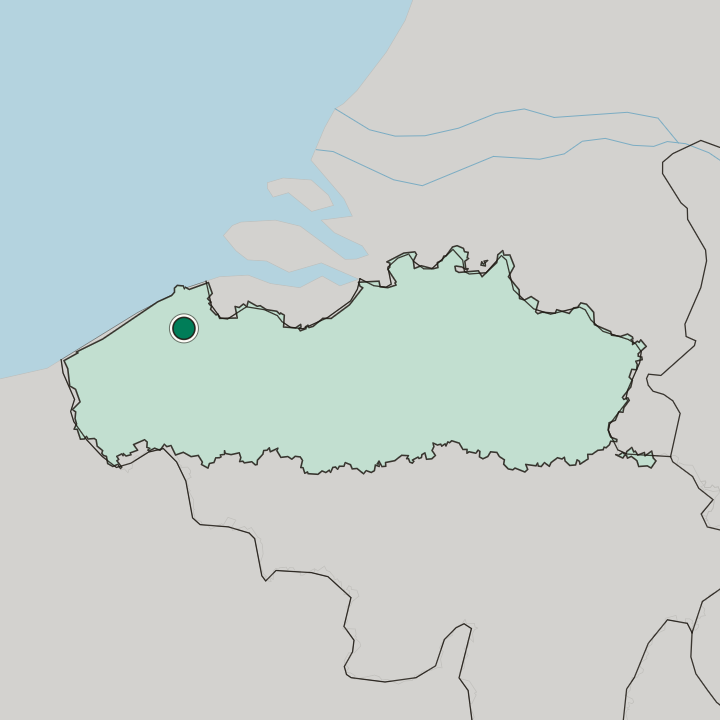
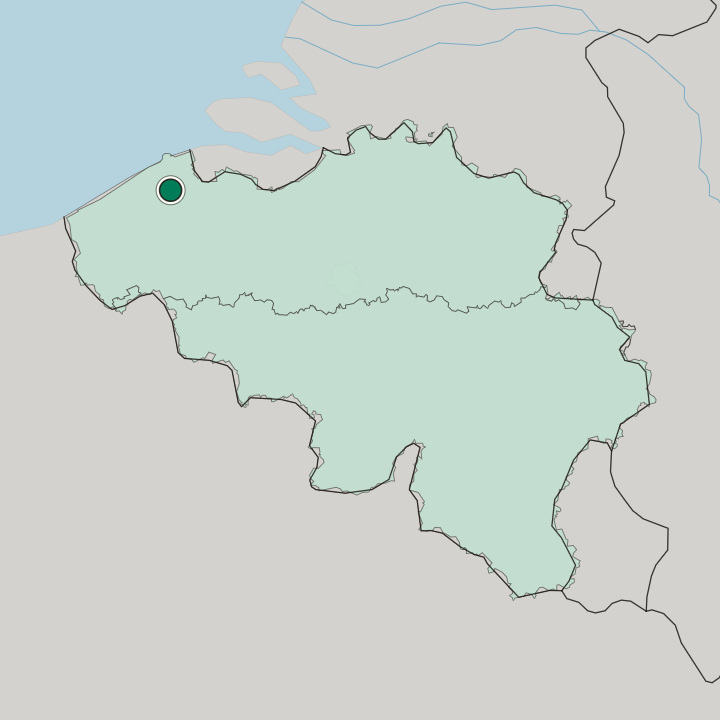
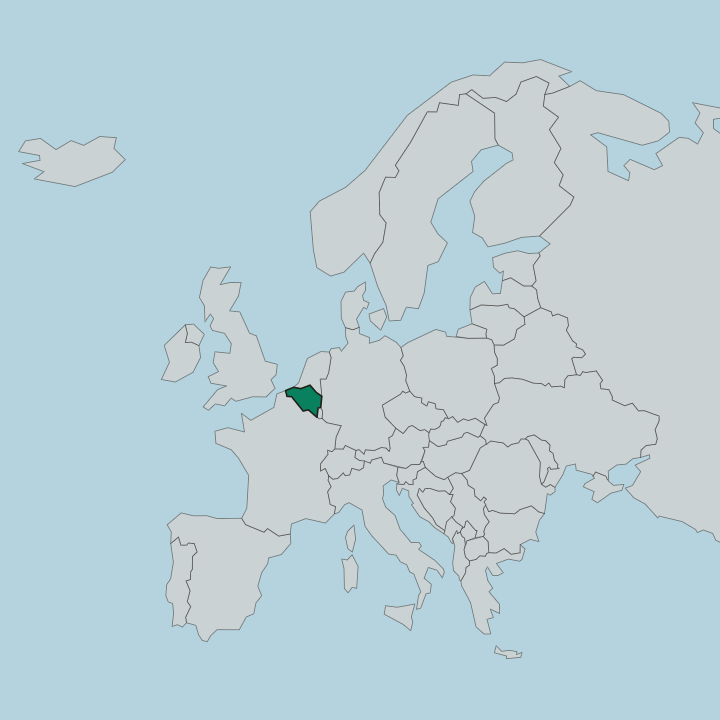
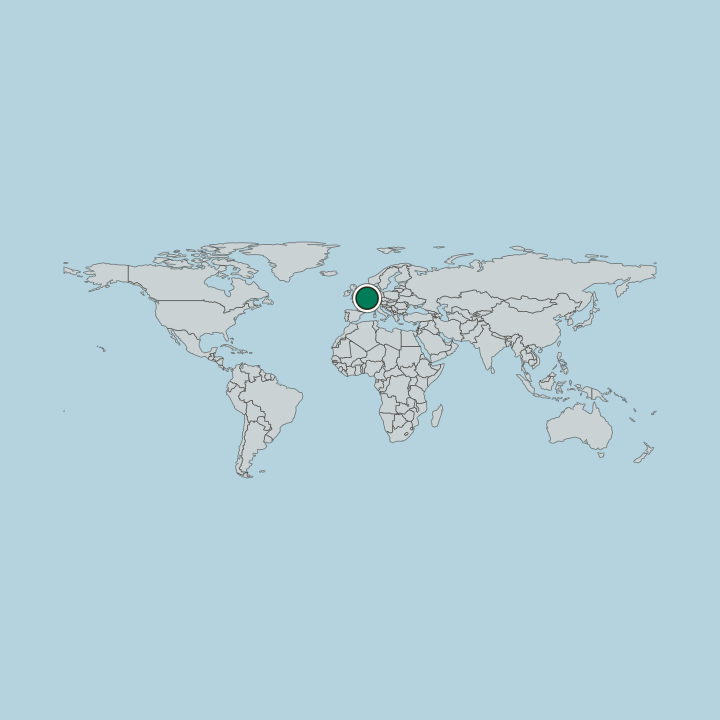
Brugge sits on the low, flat coastal plain of West Flanders in the northwest of Belgium, a short way inland from the North Sea. Canals lace the whole centre. The old town rests inside an egg-shaped ring of water that traces the line of the medieval walls, threaded by canals that once carried trade to the sea, on ground barely above the tide across the surrounding polders of Flanders.
Windmills still stand on the ramparts.
What is the climate of Brugge?
Brugge has a mild maritime climate of cool, damp winters and soft, temperate summers. Cloud and rain are frequent. Westerly weather off the nearby North Sea keeps the flat Flanders plain grey and wet through much of the year, frost stays light and snow is uncommon on the coast, and the summers turn warm rather than hot over the canals.
Sea air drifts inland across the polders.
How do you get to Brugge?
Brugge is reached by the rail line that crosses Flanders and the motorways running in from the wider Belgium. Trains stop just south of the centre. Frequent services link the city to the ports and cities of Flanders and on toward the capital, the coast tram runs to the nearby North Sea resorts, and roads feed in from Wallonia and the surrounding country.
The station sits a short walk from the old walls.
Common questions
What is the best area to stay in Brugge?
The Markt and Burg: travellers who want the belfry and the trading houses at the door. The museum quarter south of the market: the great churches, Memling, and a quieter old-town base. The eastern ramparts: canal walks, windmills, and the walled town without the crowds.
Good for
More cities in Flanders
Updated October 2026